Television series
Absolutely
- Absurdist comedy
- Light-hearted
- Strange
- Dip in and out
Absolutely is a Scottish sketch show from 1989 that predates the sketch-comedy boom of the 1990s. It's energetically surreal and formally inventive—less interested in punchlines than in pursuing odd ideas to their logical extreme. For anyone who loves absurdist humour and wants to see where British sketch comedy learned its current tricks.
Should you watch it?
Watch it if you like sketch comedy built on tight writing and the sudden swerve into pure silliness, the kind where a premise gets pushed past sense with real discipline.
Skip it if you need every sketch to land, since a loose, anarchic format misses often and its late-1980s look can feel rough by modern standards.
What it asks of you: Four series of forty-minute episodes, so you can dip in and out; it rewards sitting through the wobbly sketches for the odd brilliant one.
Not sure? Find tonight's pick in a minute.
If you liked this
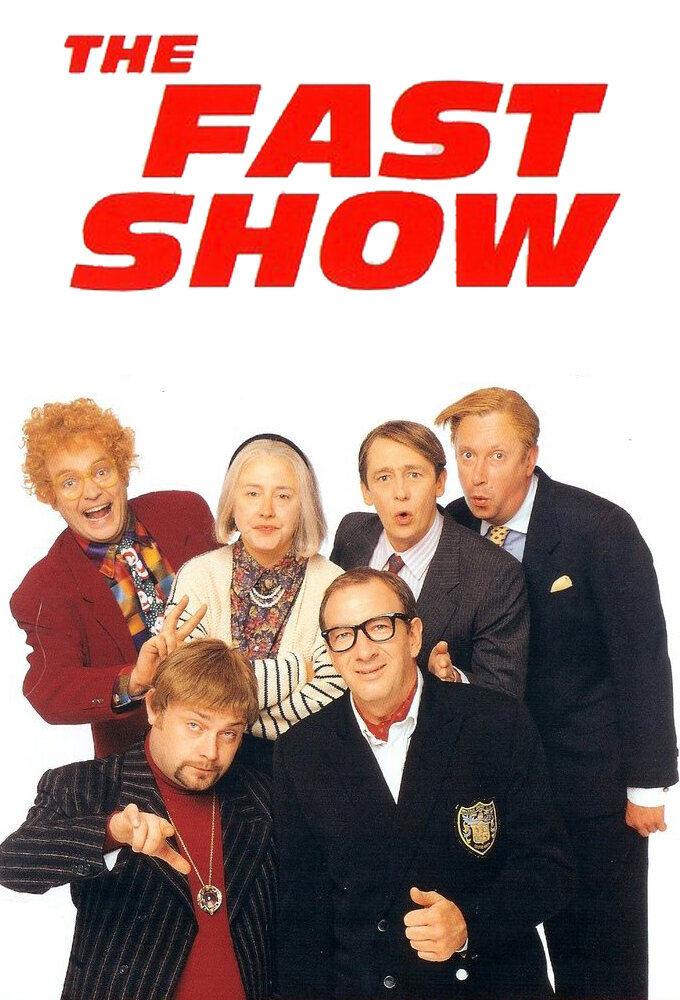
The Fast Show1994
Sketch comedy at peak craft. Rapid-fire characters, catchphrases that earn their repetition, a band that understands the rhythm of comedy. This is what Absolutely opened the door to.
But Some sketches wear thin by the end of an episode. The relentless pace can exhaust rather than entertain if you're not in the right mood.
Big Train1998
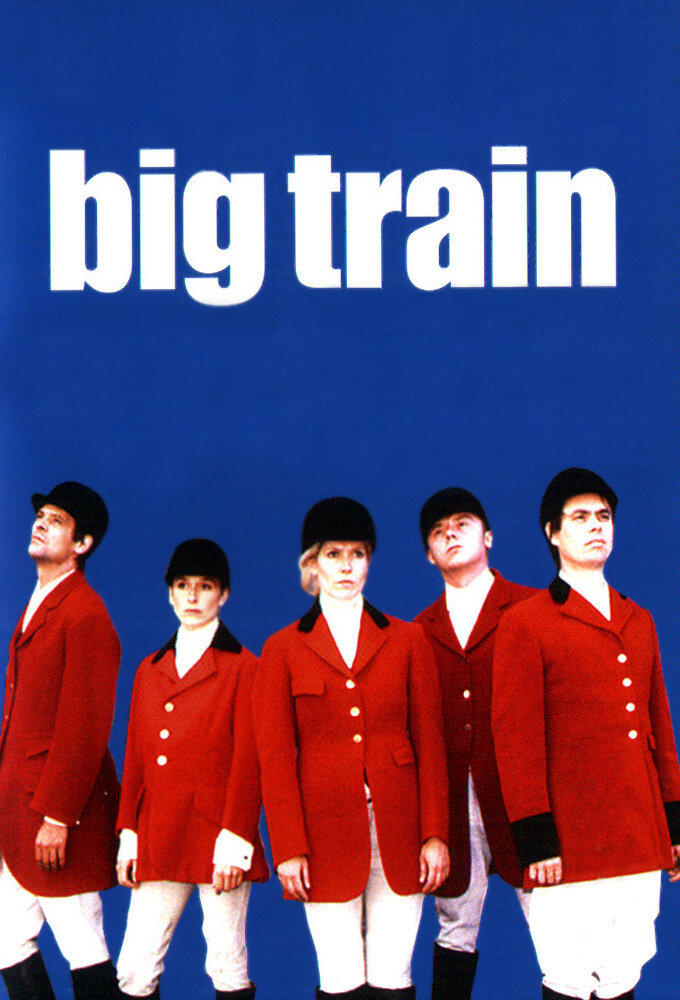
Surreal, ambitious sketches that build elaborate worlds. It shares Absolutely's willingness to abandon conventional joke structure and follow weird premises into dark corners.
But It's uneven—some sketches are brilliant, others collapse under their own ambition. You'll feel the strain of the hit-or-miss format.
Little Britain2003
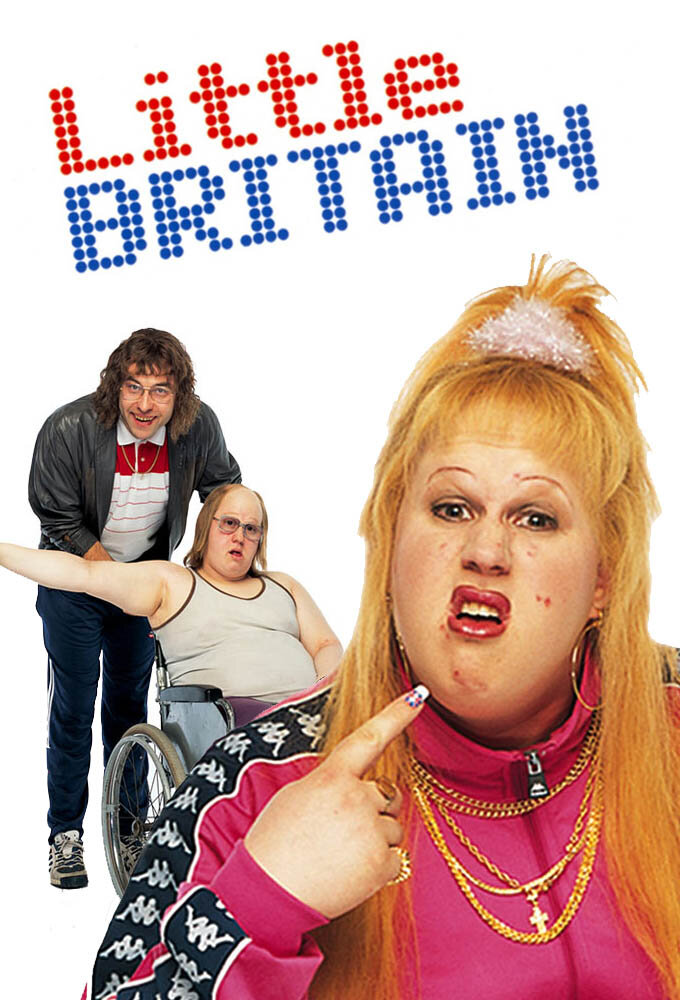
Character-driven sketch comedy with grotesque invention. Catchphrases and recurring characters create a strange universe. The influence of Absolutely's structural freedom is visible throughout.
But Humour that relies heavily on exaggeration and shock value. Many sketches punch down at marginal people, which hasn't aged well for everyone.
Not sure tonight? Get a pick in a minute, starting from Absolutely
The wildcard
Something you would not have found on your own.
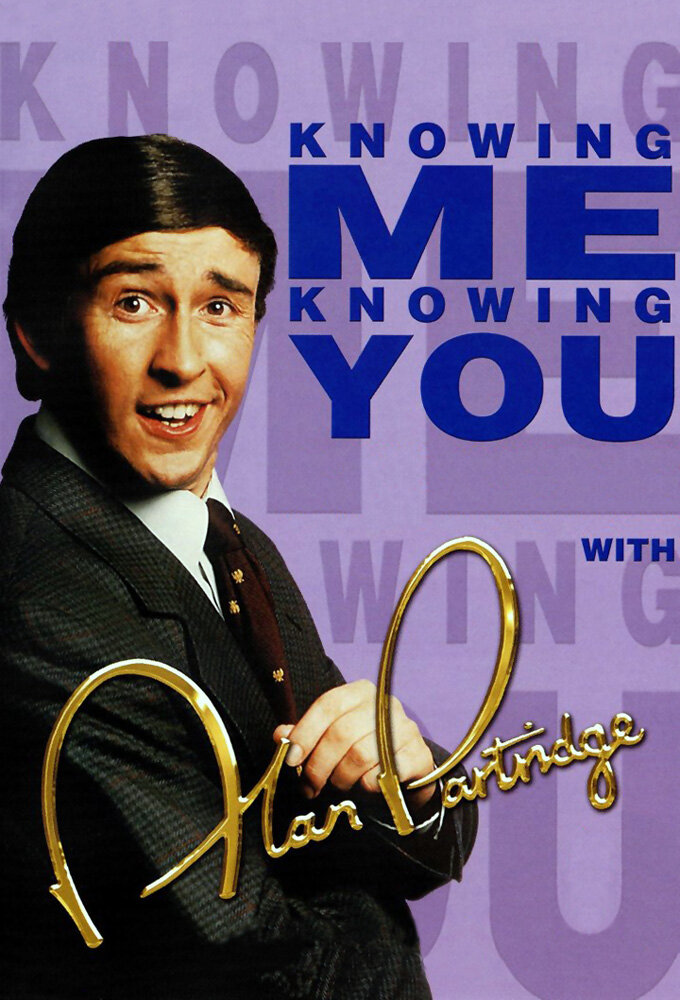
Knowing Me, Knowing You with Alan Partridge1994
Both use character and situation as the engine of humour rather than gag-writing. Absolutely's freewheeling sketches gave shape to the kind of committed, personality-driven comedy that Partridge perfected.
This started as radio sketches (with guest stars playing themselves opposite Partridge's oblivious host) before becoming TV. It's proof that Absolutely's surreal character logic could sustain a whole show. The comedy comes from structure and character consistency, not punchlines.
But It's slow-burn. The awkwardness is the point, and if you need traditional joke delivery, you'll find it mannered and dull.
More like this (7)
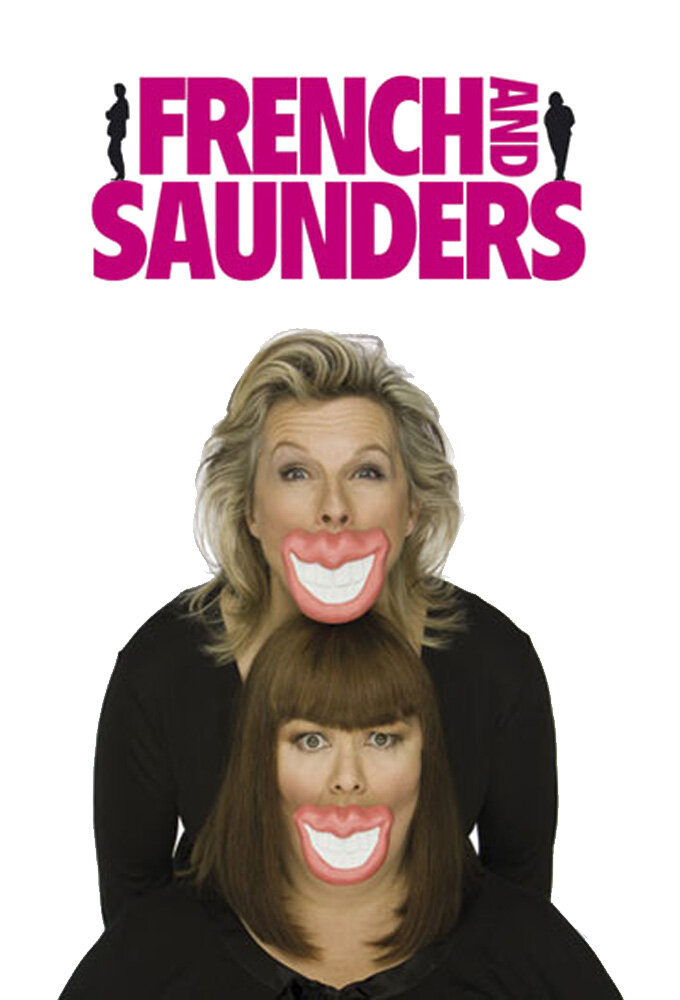
French and Saunders1987
Sketch comedy from the same era, equally inventive and anarchic. Character work and absurdist logic meet parody and pastiche. Warm without losing the edge.
But Some cultural references have dated badly. The pace is gentler than Absolutely—if you want constant frenzy, this might feel slow.
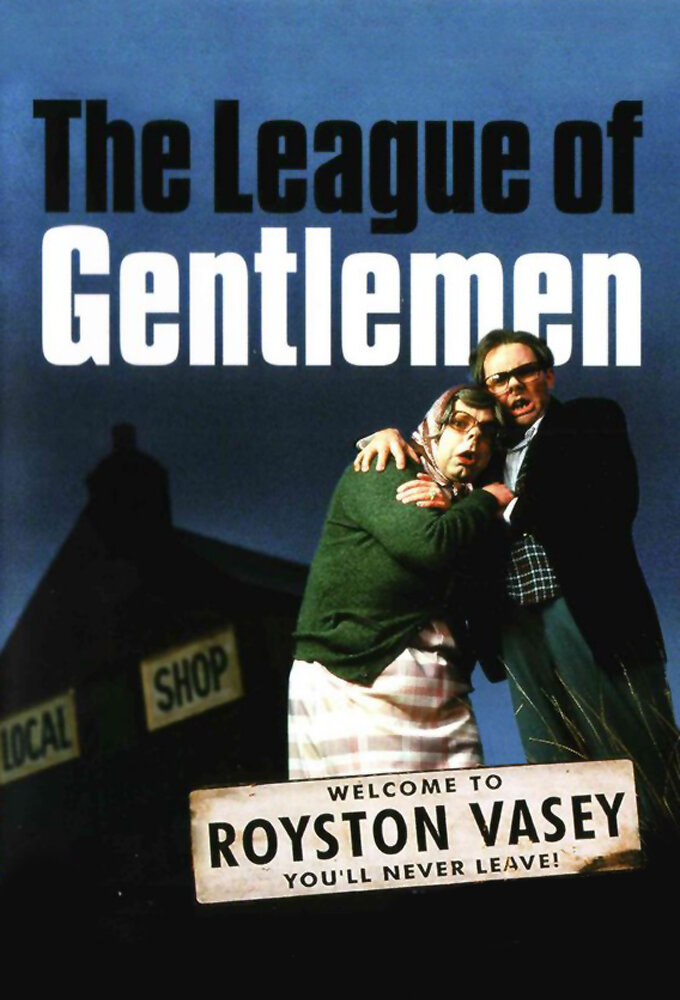
The League of Gentlemen1999
Sketch-based universe-building taken to its extreme. Dark, grotesque, wholly committed to its own logic. The structural DNA comes directly from shows like Absolutely.
But The humour is very dark and often ugly. Some sketches linger on cruelty or discomfort rather than deflecting with a joke.
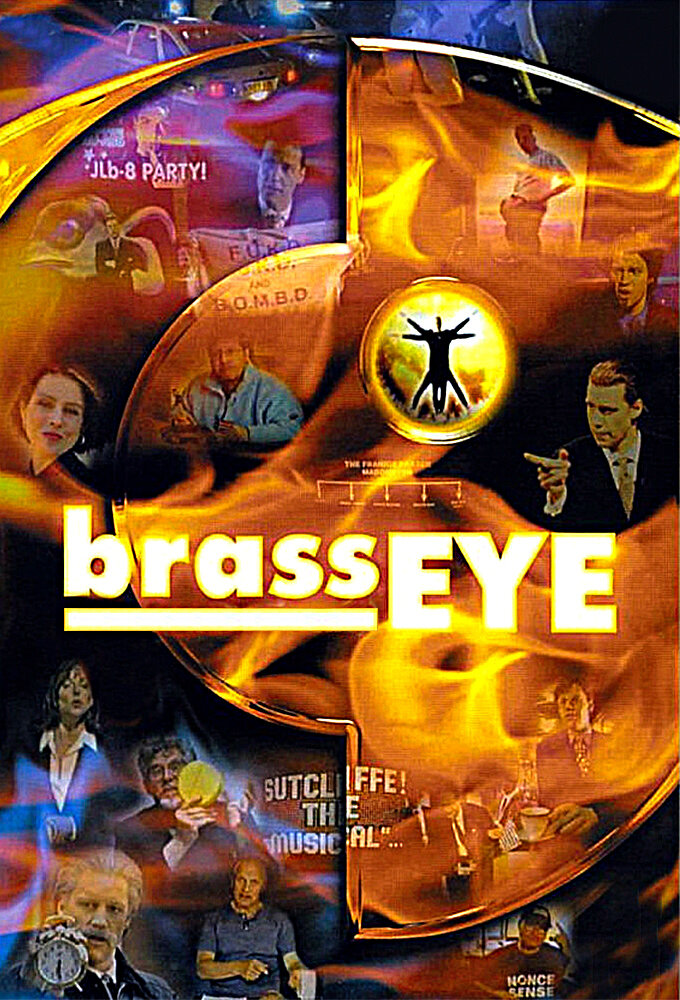
Brass Eye1997
Sketch and satirical elements woven into something stranger and more pointed. Formally inventive in ways that echo Absolutely's willingness to ignore conventional structure.
But Aggressively topical to its moment. Some targets have lost their cultural weight, making the satire feel less vital than it did on broadcast.
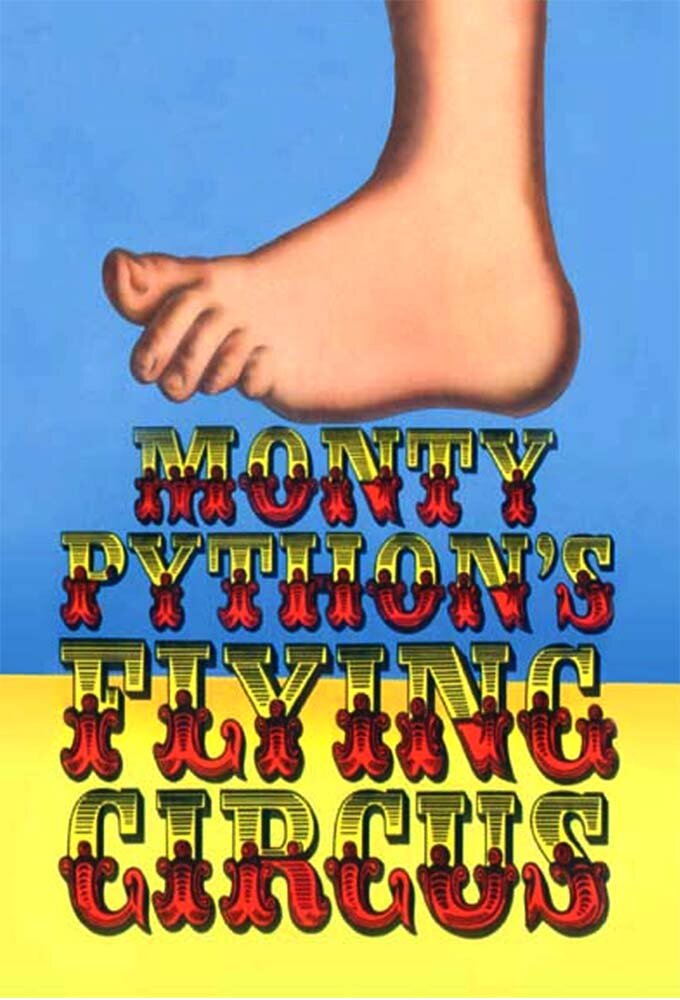
Monty Python's Flying Circus1969
The obvious ancestor of everything sketch comedy became. Surreal, inventive, uninterested in conventional joke construction. Watch it to see where Absolutely's DNA truly begins.
But The pacing is much slower. Some sketches outstay their welcome by design. The sensibility is British Oxbridge absurdism, not anarchic energy.
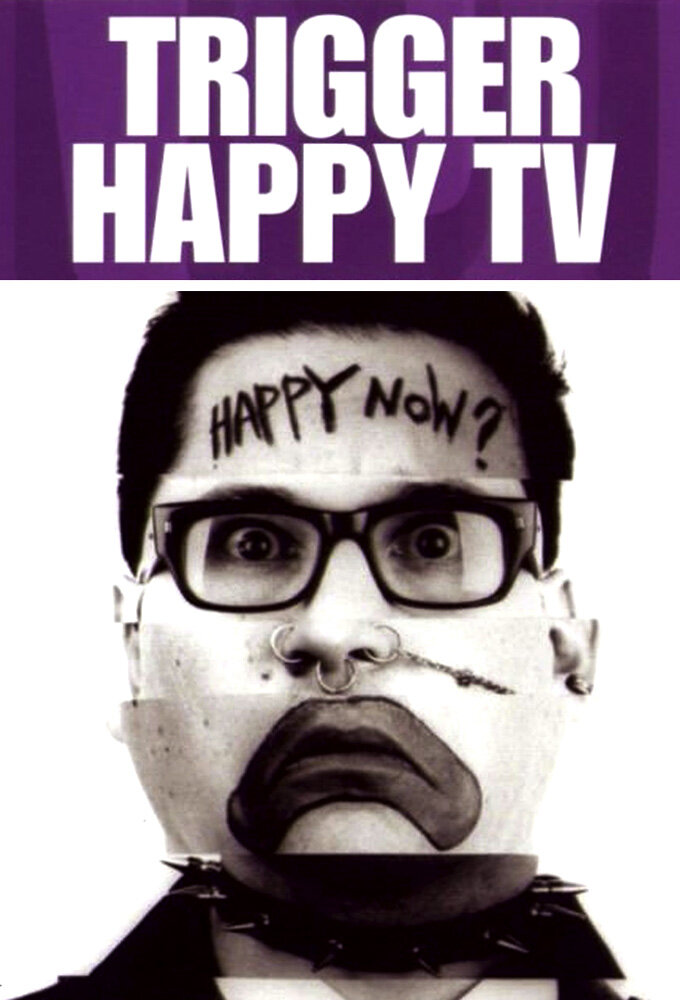
Trigger Happy TV2000
Prank-based comedy with surreal, inventive scenarios and committed characters. It's a different form, but shares Absolutely's joy in pursuing absurd premises to their limit.
But The prank format means it relies on reactions from unwitting members of the public. That dynamic won't appeal if you prefer sketch comedy's controlled artificiality.
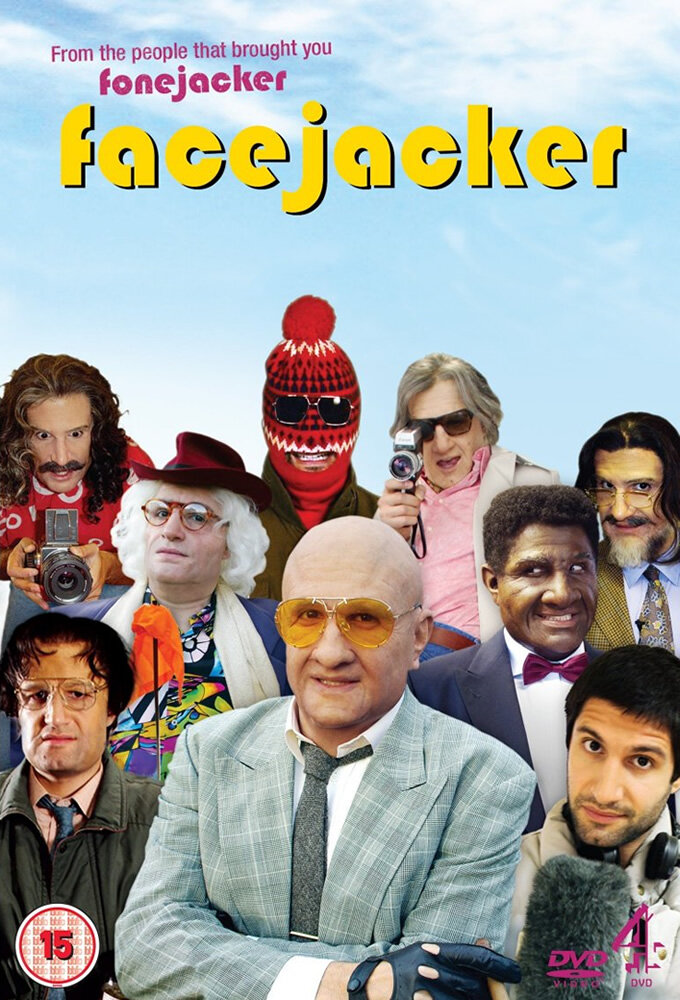
Facejacker2010
Both use surreal character work and the juxtaposition of bizarre logic against the mundane. Where Absolutely was self-contained, Facejacker throws its chaos into the real world.
Phone-prank sketches where the comedian creates absurd characters and scenarios with real people. Surreal in execution, utterly committed to character logic. It's what happens when you take Absolutely's anarchic energy and make it interactive.
But The humour often depends on the discomfort of the people being pranked. That dynamic makes some viewers deeply uncomfortable, which is the point but might not be yours.
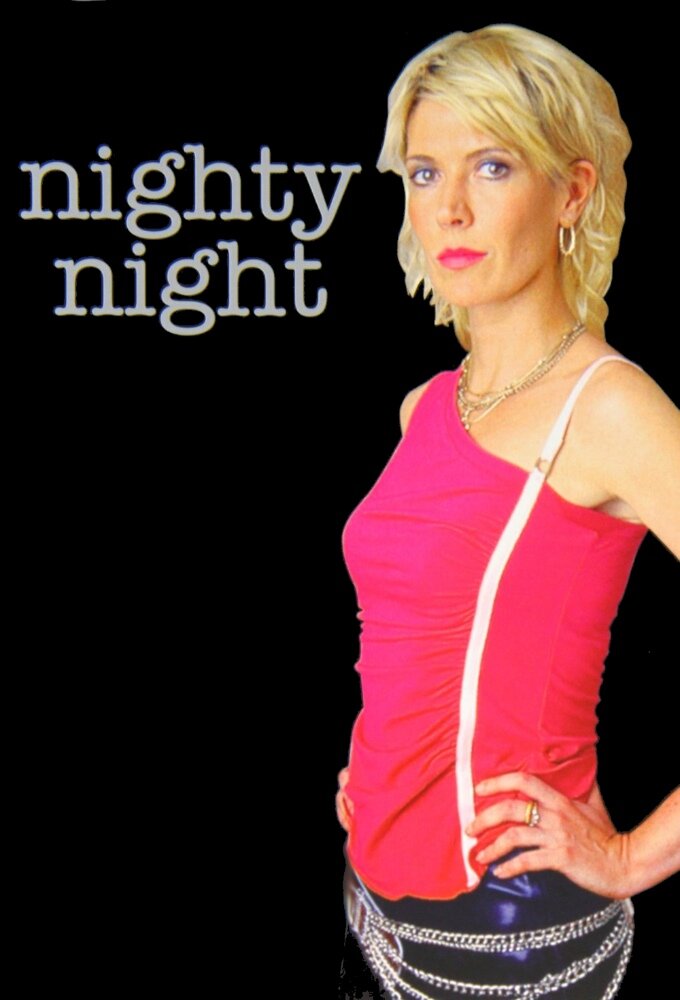
Nighty Night2004
Both commit absolutely to absurd character logic and pursue it without mercy. Nighty Night takes the sketch-show approach to surrealism and lets it metastasize across thirty-minute episodes.
A sitcom in form but sketch-show in sensibility. Characters behave with grotesque illogic; situations escalate through surreal persistence rather than plot. It's Absolutely's anarchic energy trapped in the domestic space of a sitcom.
But The protagonist is a genuinely awful person who causes real harm. Comedy from cruelty is the entire point, and it's relentless and difficult.