
Film
The Nasty Girl
A young German woman researches her small town's Nazi history for a school essay, only to discover that her neighbours would vastly prefer she stop asking questions. Michael Verhoeven's film is a sharp, darkly funny examination of collective amnesia and how communities protect themselves by silencing inconvenient truth-tellers. It's both comedy and indictment.
If you liked this
Spotlight2015
Journalists uncover systemic abuse by investigating a powerful institution that counts on silence. Like *Nasty Girl*, it's about ordinary people refusing to let a community's preferred mythology stand unchallenged.
But It's methodical rather than thrilling—long stretches of research and interviews, minimal dramatic pyrotechnics. Patience required.

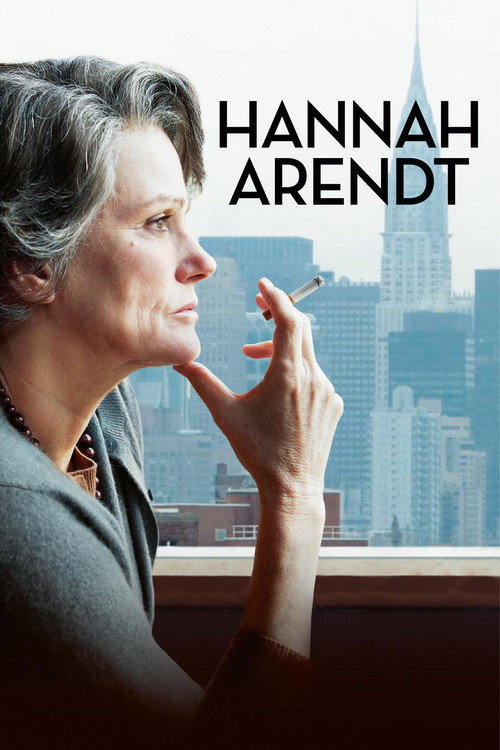
Hannah Arendt2012
A philosopher watches the Eichmann trial and sees how ordinary people commit extraordinary evil. Same moral register as *Nasty Girl*: how does a society reckon with complicity? How do we look at ourselves?
But Talky and slow-paced, with long scenes of testimony and debate. Not a conventional drama. Intellectual weight over plot momentum.
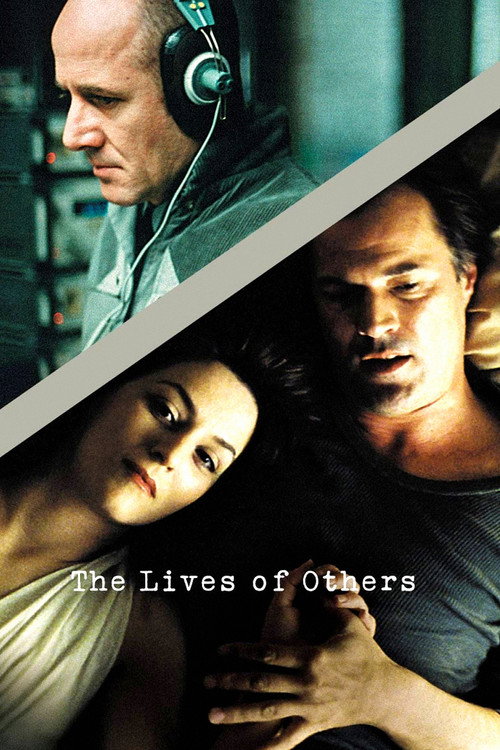
The Lives of Others2006
East German Stasi surveillance state, moral reckoning, secrets embedded in everyday life. Explores how systems of control rely on communities keeping quiet—and what happens when someone refuses.
But Heavier and more austere than *Nasty Girl*, with less humour. The tone is darker, more paranoid. Can feel relentless.
Not sure tonight? Get a pick in a minute, starting from The Nasty Girl
The wildcard
Something you would not have found on your own.
Kes1970
Both films use a young protagonist's stubborn integrity as the engine: society closing ranks against someone who won't accept the official version of reality. The setting differs (rural Germany vs industrial England) but the moral isolation is the same.
A boy in industrial England tries to escape a suffocating system through training a hawk. Like *Nasty Girl*, it's about an individual determined to follow their own path while an entire closed community quietly works to crush that independence.
But British working-class drama from 1969. Bleak and unsentimental. A younger protagonist means different emotional register, but the dynamic of collective pressure versus individual will is identical. Requires adjustment.

More like this (7)
The Third Man1949
Post-war Vienna, hidden pasts, a man investigating a friend he thought he knew. About how societies rewrite history and bury inconvenient people. Carol Reed's masterpiece has the same moral clarity as *Nasty Girl*.
But Black-and-white, shot in 1949, with sometimes clipped dialogue and a very different pace. The zither score unsettles some people. Genuinely old.

Memories of Murder2003
South Korean detectives hunt a serial killer while confronting an entire system designed to suppress truth. Like *Nasty Girl*, it's about what happens when you ask questions an authority doesn't want asked.
But Violent and bleak. The corruption is systemic and grinding. The ending, deliberately, offers no catharsis or justice. Genuinely dark.

Germany, Year Zero1948
Rossellini's harrowing look at post-Nazi Germany through a child's eyes. Shows how easily moral collapse spreads through a society when the past is unexamined. Direct predecessor to *Nasty Girl*'s moral concerns.
But Deeply depressing. No lightness at all. Shot on minimal budget in actual ruins. The bleakness is not softened; it's the entire point.

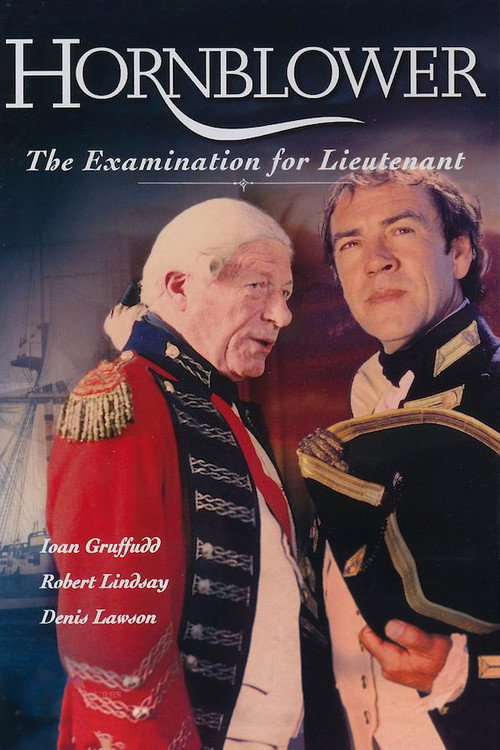
Hornblower: The Examination for Lieutenant1998
A young girl researches her grandmother's past in Poland during the war, uncovering family secrets and complicity. Similar investigative structure and the same discomforting question: what did *our* family do?
But Very slow, deliberately oblique. Answers come reluctantly. More meditation than drama. Some will find it frustrating.
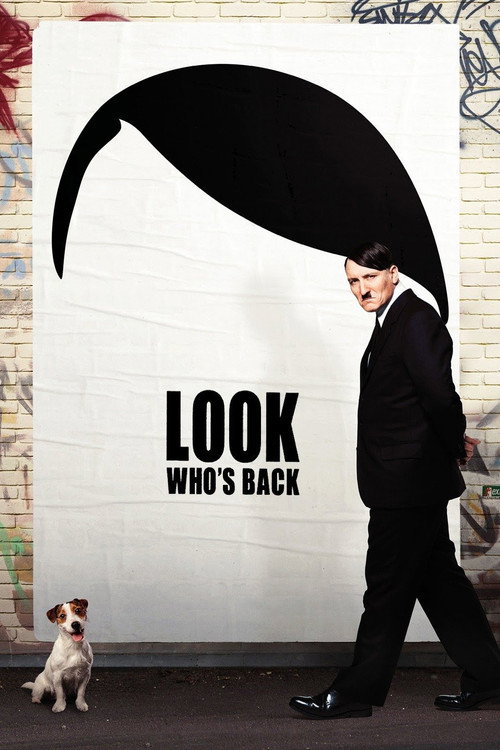
Look Who's Back2015
Dark German comedy where a man wakes up as Hitler in modern Berlin. Satirizes how easily denial, nationalism, and historical amnesia can take root. Same sharp tone as *Nasty Girl*, different premise.
But The premise is deliberately offensive. Some will find it exploitative rather than satirical. Tonally uneven—swings between comedy and horror.
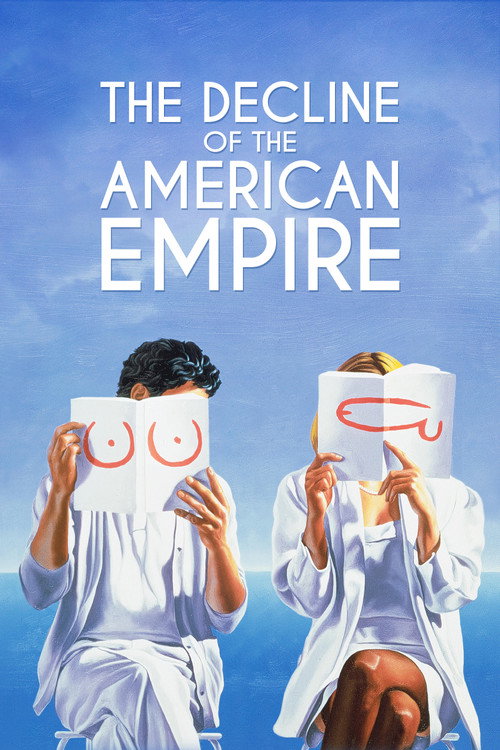
The Decline of the American Empire1986
Same satirical energy aimed at collective self-deception. *Nasty Girl* asks how we hide atrocity; *Decline* asks how we hide petty moral failures. Different scale but same mechanism: communities agree not to look too hard at themselves.
Denys Arcand's acid comedy about middle-class Quebec professors and their secret hypocrisies. Like *Nasty Girl*, it's a portrait of a community protecting itself by enforcing polite silence about what everyone actually is.
But It's a comedy of ideas with minimal plot. Long conversations about sex, politics, and compromise. Sitcom-paced but without laugh tracks. Very talky. Canadian sensibility from 1986 is an acquired taste.
A Prophet2009
Both track how institutions silence dissent through social pressure and the threat of exclusion. *Nasty Girl* resists; *A Prophet* eventually complies. Inverse trajectories showing the same machinery of control and self-preservation.
A young man survives prison by learning to navigate and exploit the systems around him, gradually becoming a power himself. Like *Nasty Girl*, it's about an outsider learning how institutional structures actually work—and what it costs.
But Prison film, violent, French-language, 2.5 hours. The protagonist becomes compromised and morally damaged. If you want to watch someone *triumph*, this isn't it. Gritty and exhausting.

People
Cast
 Lena StolzeSonja
- Hans-Reinhard MüllerJuckenack
 Monika BaumgartnerSonja's Mother
- Elisabeth BertramSonja's Grandmother
 Michael GahrPaul Rosenberger
 Robert GiggenbachMartin
 Fred StillkrauthSonja's Uncle
- Barbara GallaunerMrs. Juckenack
 Udo ThomerArchivar Schulz
 Christof WackernagelZöpfel
 Karin ThalerNina
- Stella AdorfCarolin
Directing
- Michael VerhoevenDirector
Writing
- Michael VerhoevenScreenplay
- Michael VerhoevenWriter
Production
- Michael SenftlebenProduction Manager
- Michael VerhoevenProduction Manager
- Senta BergerProduction Manager