
Film
The Road Movie
- Very dark
A 67-minute essay constructed entirely from Russian dashcam footage. What emerges is not chaos but pattern: a culture of fatalism, dark humour, and strange grace in the face of casual catastrophe. Hypnotic and occasionally funny, it's a portrait of a nation told through fender-benders, near-misses, and the everyday miraculous. For anyone curious about how a country sees itself.
If you liked this
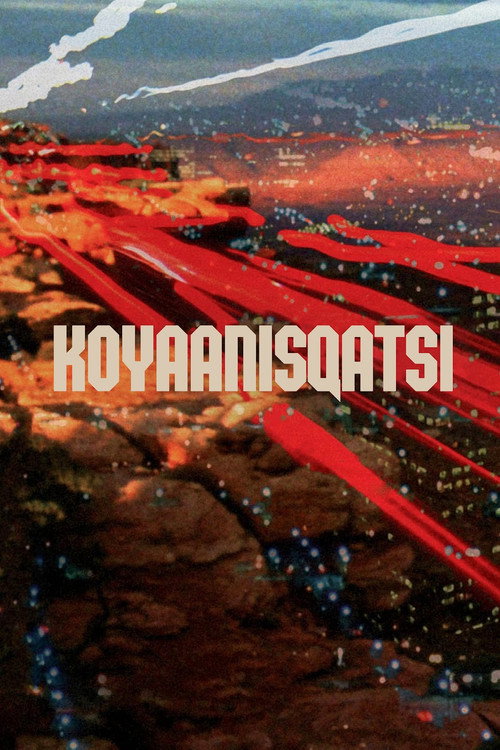
Koyaanisqatsi1983
A visual essay about modern life through pure imagery and sound design. No narration, no plot—just the accumulated weight of how we live. If you loved *The Road Movie's* ability to build meaning from accumulated fragments, this is the grandfather of that method.
But Deliberately slow and meditative to the point where engagement requires real patience. Some find it pretentious; others find it transcendent. There's no middle ground.
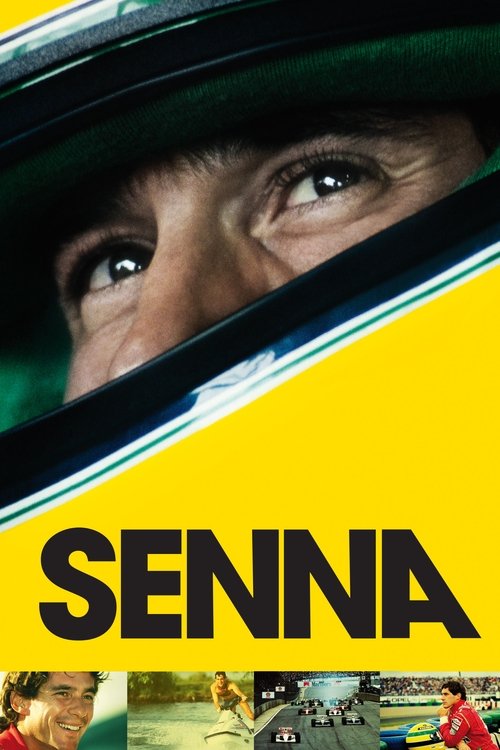
Senna2010
A biographical documentary told almost entirely through archival footage and period audio. Like *The Road Movie*, it trusts images and ambient sound to convey character and stakes. Feels immediate and alive rather than explained.
But If you don't care about Formula 1, the sport itself won't grab you. And it's a fairly conventional rise-and-fall story once you get past the filmmaking technique.
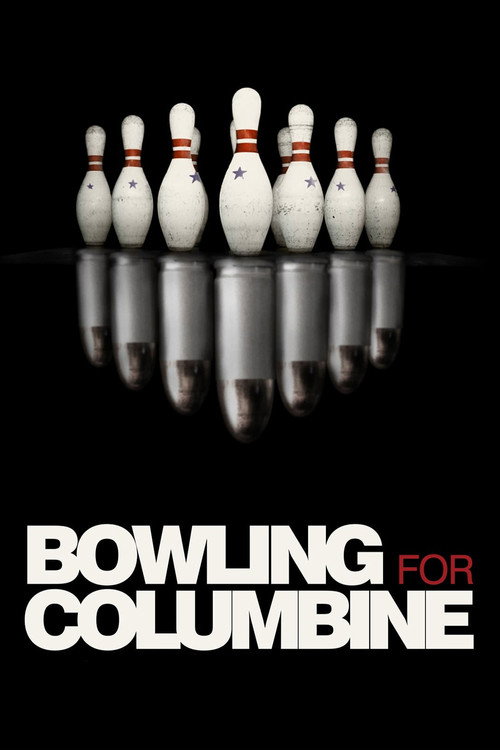
Bowling for Columbine2002
Michael Moore uses found footage, interviews, and montage to ask why America is so violent. It shares *The Road Movie's* ability to find national character in accumulated moments, and its dark humour about tragedy.
But Moore's advocacy is heavy-handed, and the film hasn't aged as well as its technique. Some sequences feel manipulative in hindsight.
Not sure tonight? Get a pick in a minute, starting from The Road Movie
The wildcard
Something you would not have found on your own.
Stalker1979
Both are portraits of Russian national temperament—one abstract and philosophical, one caught in dashcam fragments. Both trust silence and observation. Both suggest that waiting and endurance are a kind of faith.
Tarkovsky's sci-fi meditation on desire and faith, set in a mysterious zone. Like *The Road Movie*, it's fascinated by Russian character—patience, fatalism, the search for meaning in an indifferent world. Slow cinema at its most hypnotic.
But Nearly three hours of deliberate, meditative pacing. Not a thriller; barely a plot. Demands surrender rather than engagement. Many viewers find it transcendent; many find it unbearable.

More like this (8)
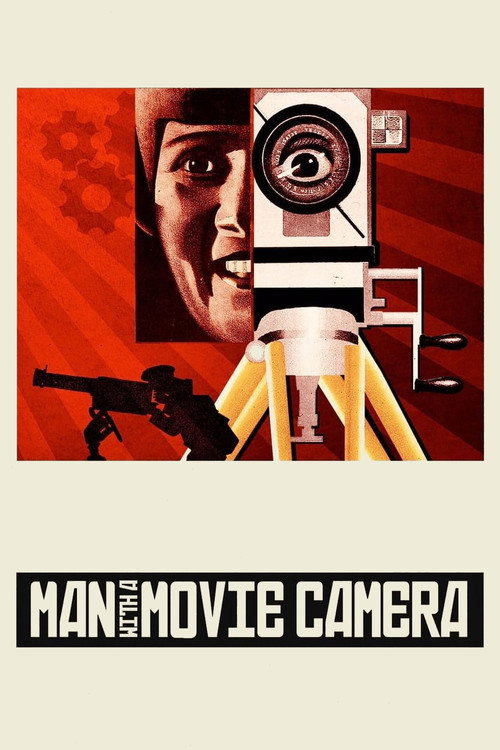
Man with a Movie Camera1929
A Soviet silent film that's pure visual storytelling—no dialogue, no plot, just a day in the life of a city told through editing and composition. The ancestor of everything *The Road Movie* does with found footage and observation.
But Silent, experimental, and almost 100 years old. The pacing and style require adjustment; it's a formal exercise before it's entertainment.
The Act of Killing2012
A documentary that uses footage, interviews, and recreations to explore how people narrate their own violence. Like *The Road Movie*, it's fascinated by how ordinary life and extraordinary events coexist, and how people live with contradiction.
But Genuinely difficult to watch—it depicts real atrocity and the perpetrators' casual indifference to it. Emotionally demanding in ways *The Road Movie* isn't.

Sans Soleil1983
Chris Marker's essay-film about memory, travel, and geopolitics. No conventional structure—just images, voice-over, and music woven into something that feels like thought itself. Shares *The Road Movie's* faith in montage to reveal truth.
But Oblique and demanding. Requires active interpretation and rewards multiple viewings. Some viewers find it opaque rather than illuminating.

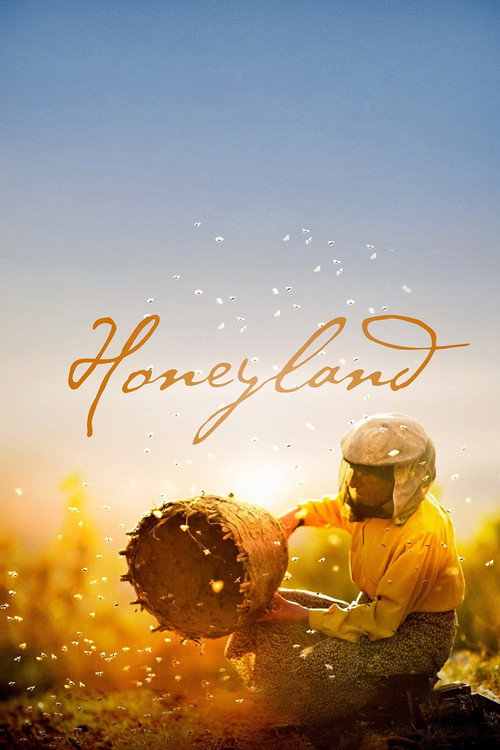
Honeyland2019
A documentary following a woman who tends bees in rural Macedonia. Unobtrusive filmmaking captures ritual, hardship, and small moments of grace. The visual storytelling echoes *The Road Movie's* belief that ordinary life contains everything.
But Very slow and observational. If you want clear narrative momentum or explanation, you'll feel adrift. Some find it meditative; others find it tedious.
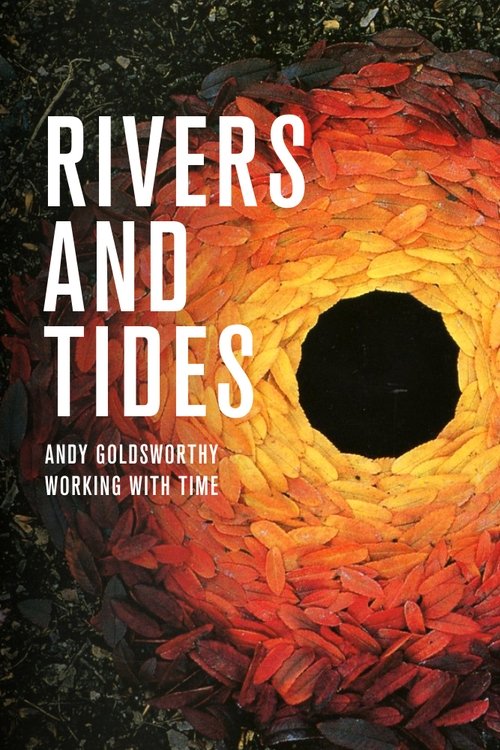
Rivers and Tides2001
A documentary about sculptor Andy Goldsworthy working in nature. Shot with patience and visual beauty, it trusts observation over explanation. Feels contemplative in the same way *The Road Movie* does—finding meaning in process and impermanence.
But Relies on a narrow range of subject matter. If you're not drawn to art or nature, the repetition of the format wears thin quickly.
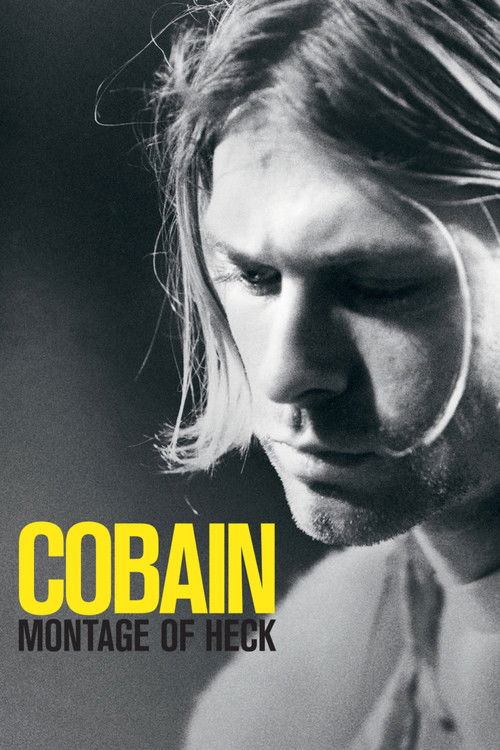
Cobain: Montage of Heck2015
A biography assembled largely from archival footage, home video, and animation. Like *The Road Movie*, it trusts fragmented material to build character and emotional truth without heavy narration guiding you.
But The animation sequences feel tonal. Some fans of Cobain find it reductive; some non-fans find it slow. It occupies a middle ground that doesn't always work.
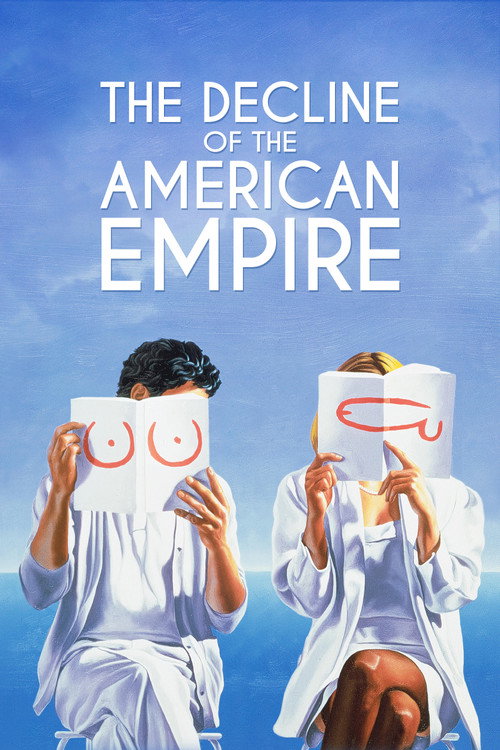
The Decline of the American Empire1986
Both are essayistic national portraits. One through dashcam footage of chaos and fatalism; one through witty dialogue between characters in decline. Both say: this is who we are, here's how we live.
Denys Arcand's bitingly funny ensemble film about intellectuals in decline. It's a social portrait told through conversation and implication rather than plot. Uses accumulated small moments to define a culture, like *The Road Movie* does.
But Distinctly of its moment—1980s Quebec, very Canadian in tone. The comedy won't land if you're not attuned to that sensibility. Also fairly slow and conversational; no action to speak of.
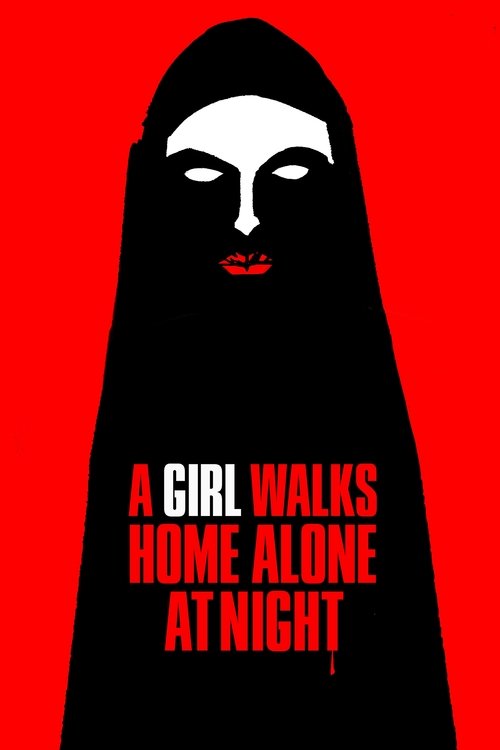
A Girl Walks Home Alone at Night2014
Both use visual language—dashcam footage vs. black-and-white cinematography—to explore alienation and national character in places the West rarely looks. Both trust atmosphere over explanation.
A vampire film shot in black-and-white, set in an Iranian ghost-town. Genre film as visual poetry. Shares *The Road Movie's* interest in how mood and image can convey national mood better than any explanation. Hypnotic and strange.
But Deliberately paced and abstract. It's a vampire film with almost no plot momentum. If you want horror thrills or conventional narrative, you'll be frustrated. The style is everything.
People
Directing
- Dmitry KalashnikovDirector
Writing
- Dmitry KalashnikovWriter
Production
- Christian D. BruunExecutive Producer
- Raphael AvigdorExecutive Producer
- Christian D. BruunProducer
- Rustam KhairetdinovProducer
- Srđan ŠarenacProducer
- Volia ChajkouskayaProducer