Television series
The Alzheimer's Project
- Very dark
HBO's meditative documentary series examines Alzheimer's through multiple lenses: the neuroscience, the lived experience of patients and families, the search for treatment. It's intimate without being exploitative, rigorous without being cold. For anyone trying to understand the disease or the caregiving burden it creates.
Should you watch it?
Watch it if you want a clear-eyed, patient look at a hard disease, the kind of documentary that lets families and scientists speak at length and trusts you to sit with the slow details.
Skip it if you want a light evening or a story with a plot, since this is a sober, information-heavy survey that moves at the pace of its subject.
What it asks of you: Five hour-long episodes of unhurried, detail-heavy talk about medicine and loss, asking you to absorb dense information and stay with grim material across several sittings.
Not sure? Find tonight's pick in a minute.
If you liked this
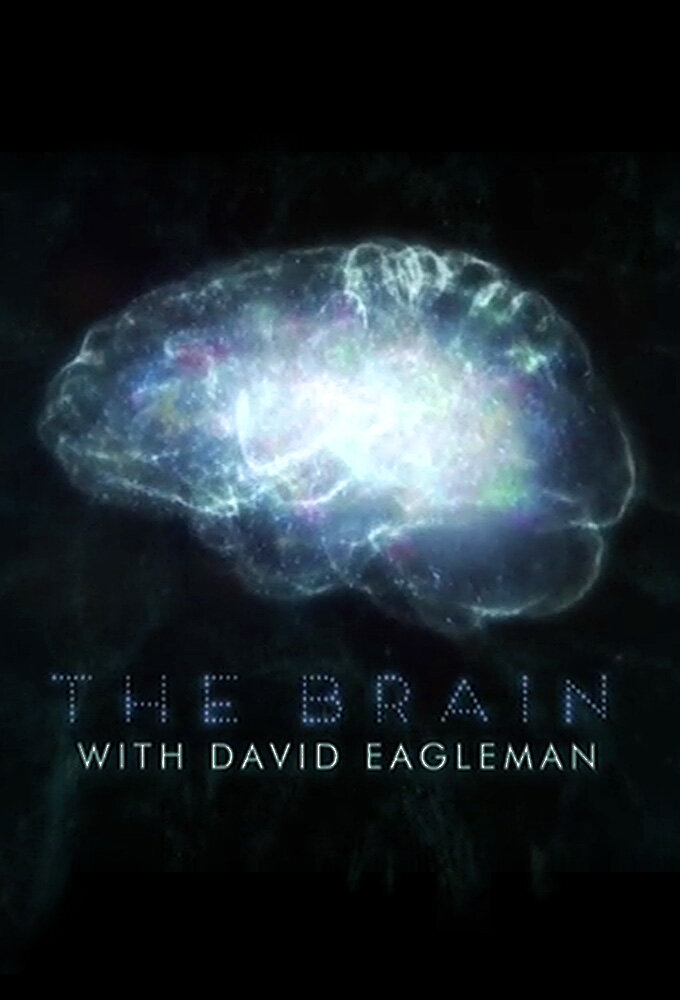
The Brain with David Eagleman2015
Eagleman makes neuroscience visceral and strange. Each episode unlocks a different mystery of how we think, feel, and remember—giving context to what goes wrong in Alzheimer's.
But It's more wide-ranging wonder than deep focus. If you want answers about Alzheimer's specifically, you'll need to dig elsewhere.
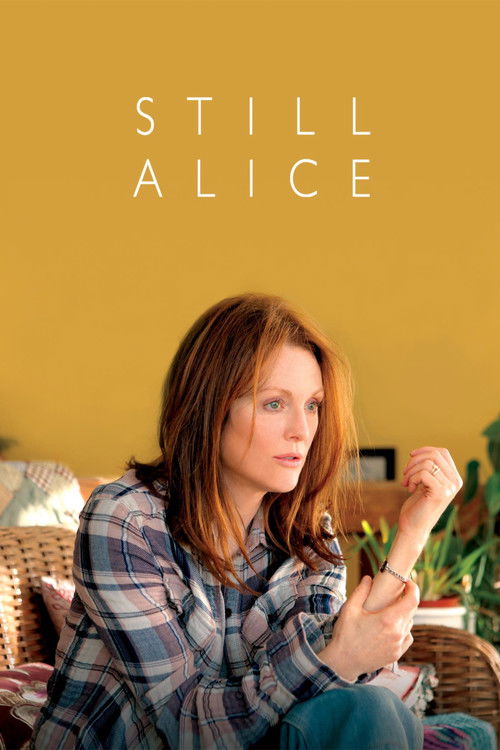
Still Alice2014
Julianne Moore delivers a performance of devastating specificity as a woman losing her mind while trying to hold onto who she is. It captures what the disease feels like from the inside.
But It's emotionally exhausting. The film doesn't look away from decline, and some viewers find that punishing rather than illuminating.
The Act of Killing2012
A documentary that asks hard questions about memory, guilt, and how we construct narratives about ourselves. Different subject, same structural DNA as what makes The Alzheimer's Project work.
But It's violent, disturbing, and morally complex in ways that can feel manipulative if you're not prepared for that kind of filmmaking.

Not sure tonight? Get a pick in a minute, starting from The Alzheimer's Project
The wildcard
Something you would not have found on your own.
Flushed Away2006
Both center on dignity in the face of cognitive loss. The Alzheimer's Project is clinical and comprehensive; Away is intimate and particular. They're asking the same question from different distances.
Directed by Gail Marshall, this is a quiet film about a woman in early-stage dementia taking a final trip. It's both specific and universal—about autonomy, legacy, and knowing when to let go.
But It's a very small film. Nothing much happens in plot terms. Some find that meditative; others find it slow.

More like this (7)
(Un)Well2020
This Netflix series investigates wellness culture and alternative medicine with real curiosity, never cheap mockery. It understands why people chase uncertain treatments—essential context for understanding Alzheimer's patient desperation.
But It's skeptical but never mean-spirited, which some viewers mistake for endorsement of things that don't work.

Last Chance U2016
A masterclass in long-form documentary storytelling about systems that fail individuals. The technique—patient observation, structural empathy—mirrors The Alzheimer's Project's approach to human stories.
But It's about college football, which has nothing to do with Alzheimer's. You have to trust the structural parallel.
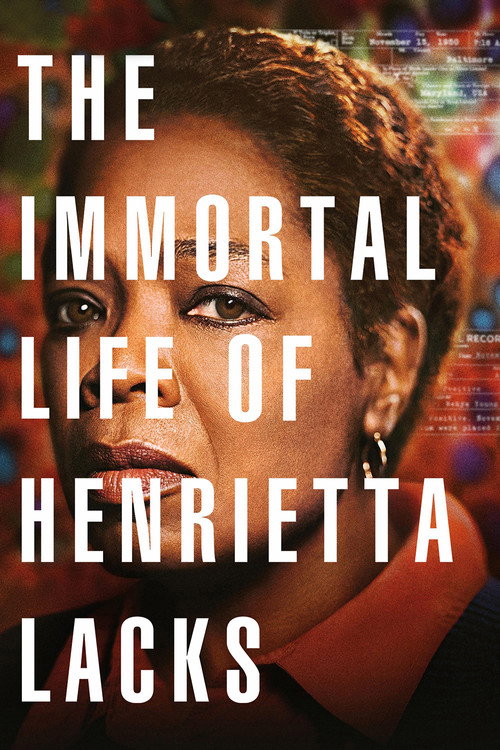
The Immortal Life of Henrietta Lacks2017
It traces how medical progress happens on the backs of real people, and how institutions can exploit the vulnerable. It's about whose stories get told and who bears the cost.
But The film is angry in ways that can feel heavy-handed if you want a more neutral tone.
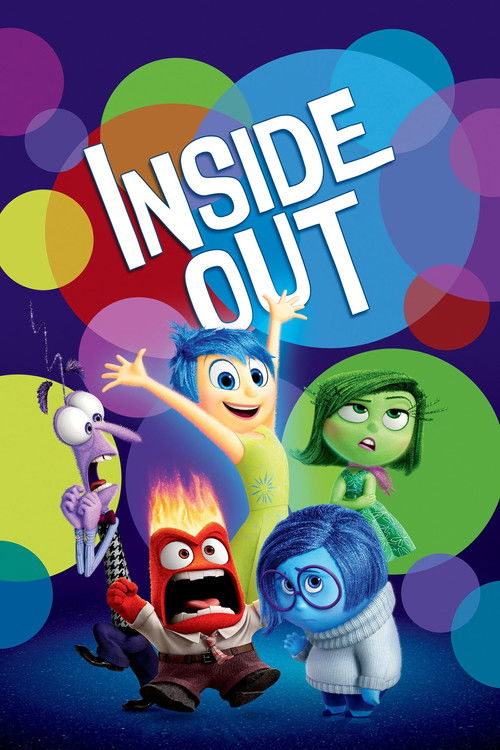
Inside Out2015
Pixar's film about memory and emotion is deceptively sophisticated. If you're trying to explain to children what Alzheimer's means, or just thinking about how memory shapes identity, it's unexpectedly useful.
But It's animated and playful, which some find tonally wrong for the subject. It can feel reductive compared to documentary precision.
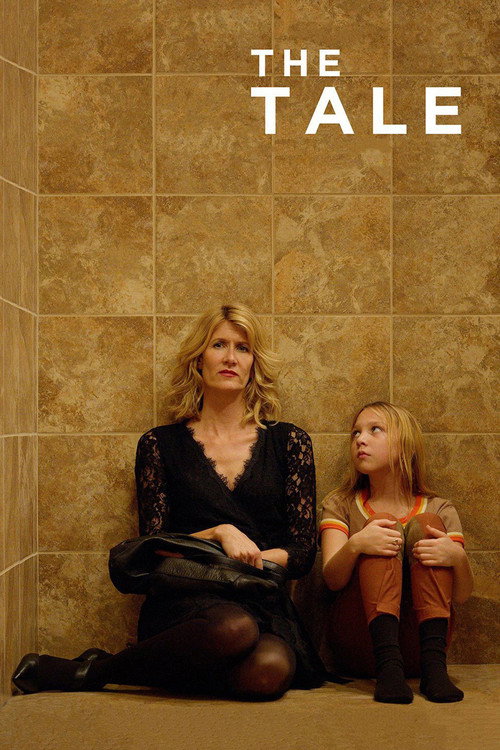
The Tale2018
Jennifer Fox's film about recovered memory, trauma, and how unreliable our minds are. It's an essay-film that thinks seriously about how we construct the stories we tell about ourselves.
But It's formally experimental and deliberately difficult. Some viewers find it frustrating rather than illuminating.
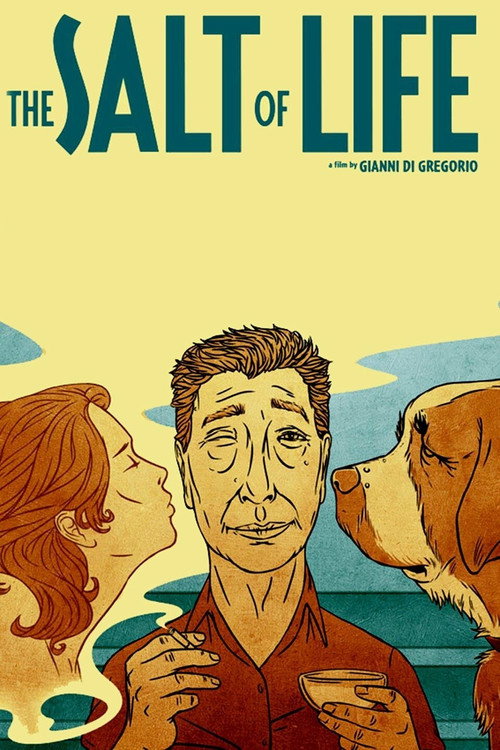
The Salt of Life2011
The Alzheimer's Project asks how we face cognitive decline. This asks how we face mortality and irrelevance. The deep structure is the same—how do we remain ourselves when everything changes?
Marco Bellocchio's film follows a retired man navigating solitude and memory in Rome. It's not about disease, but about how we live when the future shrinks and the past becomes everything.
But It's in Italian, glacially paced, and often very still. If you want narrative momentum, look elsewhere. It's about texture and time.
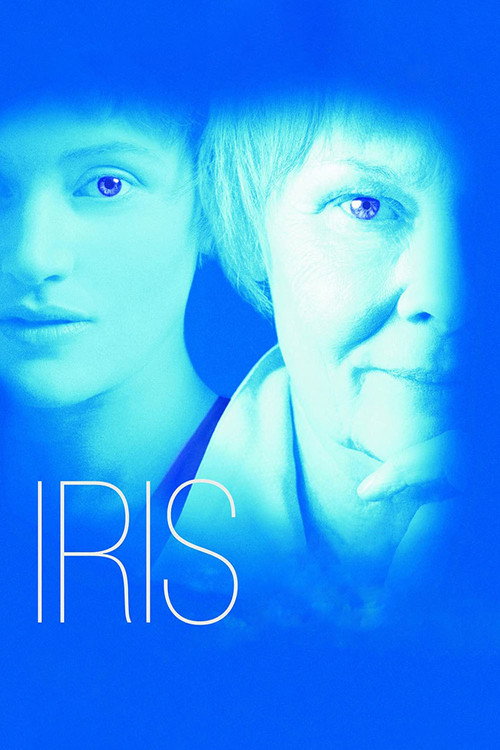
Iris2001
Both are portraits of Alzheimer's, but where The Project is investigative and systemic, Iris is intimate and particular. And Iris was made in 2001—it's a reminder that this conversation has deeper roots than you might think.
It's a double portrait: Iris Murdoch the brilliant novelist, and Iris the woman losing language to Alzheimer's. It cuts between her mind in full flight and her mind in dissolution—a structural argument about what makes us ourselves.
But It's a conventional biopic with some twee moments. If you want something that doesn't sentimentalize, you might bristle at its occasional softness.