
Television series
The Brain with David Eagleman
David Eagleman guides you through the brain's inner workings with stunning visuals and genuine wonder. Six hours that blend neuroscience with philosophy—the big questions about consciousness, free will, and perception explained without jargon or stethoscopes. For anyone curious about what's happening behind their own eyes.
Should you watch it?
Watch it if you are curious about why your own mind makes the choices it does and enjoy big ideas delivered with bold visual experiments and a host who thinks out loud.
Skip it if you want hard data, lab footage and rigorous detail, since this is a light, showy tour that skims each idea before moving on to the next one.
What it asks of you: Six one-hour episodes, so a single evening can cover a good chunk; it moves at a brisk, conversational clip and rewards attention to the host's questions more than to plot.
Not sure? Find tonight's pick in a minute.
If you liked this
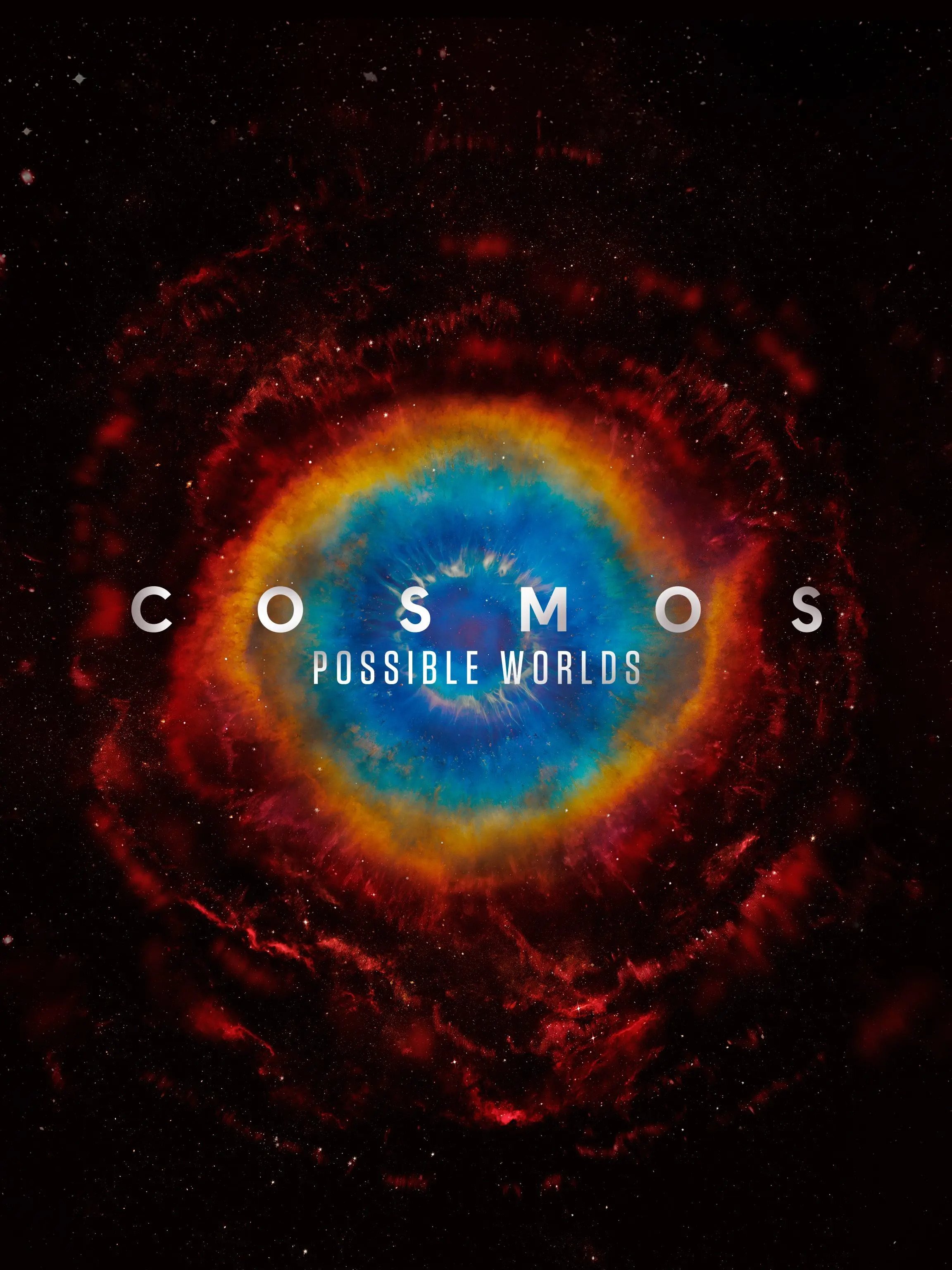
Cosmos1980
Neil deGrasse Tyson brings the same sense of awe to the cosmos that Eagleman brings to the brain—rigorous science told with infectious enthusiasm and gorgeous cinematography that makes you feel small and connected.
But If you want a more intimate, personal approach to science rather than sweeping cosmic scales, this might feel distant and broad.
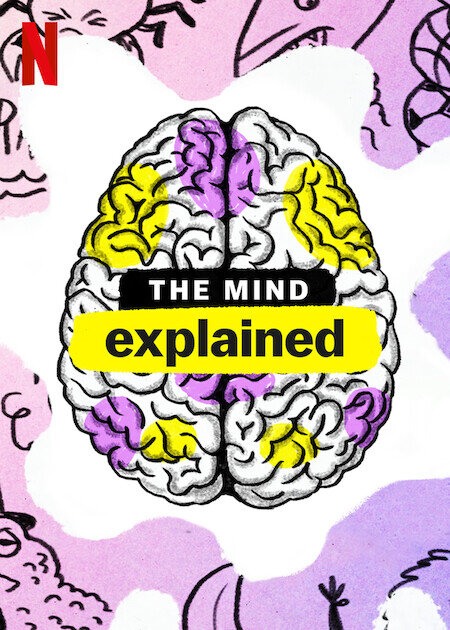
The Mind, Explained2019
Netflix's bite-sized exploration of memory, anxiety, stress, and dreams with the same clarity and visual flair. Each episode is tight, surprising, and immediately applicable to your own life.
But At just 25 minutes each, some topics feel rushed; fans of deeper dives will want more time in each subject.
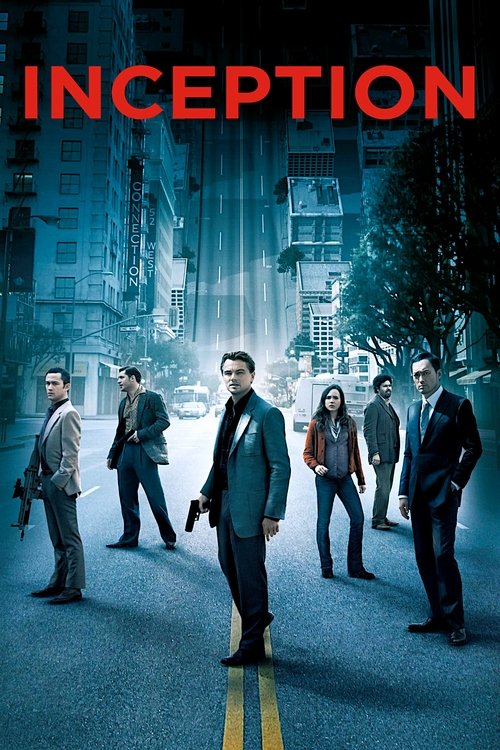
Inception2010
Nolan's layered meditation on consciousness, memory, and the nature of reality is what Eagleman explores scientifically—made visual, emotional, and endlessly rewatchable. Same fundamental questions, much higher stakes.
But It's deliberately complex and can feel more interested in its own puzzle-box than in answering its questions. Some find it exhausting rather than enlightening.
Not sure tonight? Get a pick in a minute, starting from The Brain with David Eagleman
The wildcard
Something you would not have found on your own.
The Cabinet of Dr. Caligari1920
Both ask what's real and what's in our heads—but Caligari makes you *feel* the answer in your gut rather than understand it in your mind.
A silent German Expressionist masterpiece about madness and perception. Watches like a visual representation of a fractured mind—distorted, unsettling, unforgettable. Eagleman talks about how the brain constructs reality; this film *is* a constructed reality made strange.
But It's a century old and silent, and its pacing and aesthetic are alien to modern viewers. The horror is philosophical, not visceral.

More like this (5)
The Pruitt-Igoe Myth2012
A documentary that explores how our brains and societies interact through the lens of one failed housing project. Shows how neuroscience connects to real human consequences in unexpected ways.
But It's less about neuroscience specifically and more about urban policy, so if you want pure brain science, this is a step sideways.

13th2016
Ava DuVernay examines how the brain is shaped by systems and history—the darker side Eagleman hints at, applied to race, justice, and institutional control. Powerful and necessary companion viewing.
But It's heavy, angry, and deliberately confrontational. If you watch The Brain for pure wonder, this offers that wonder curdled into something harder to sit with.

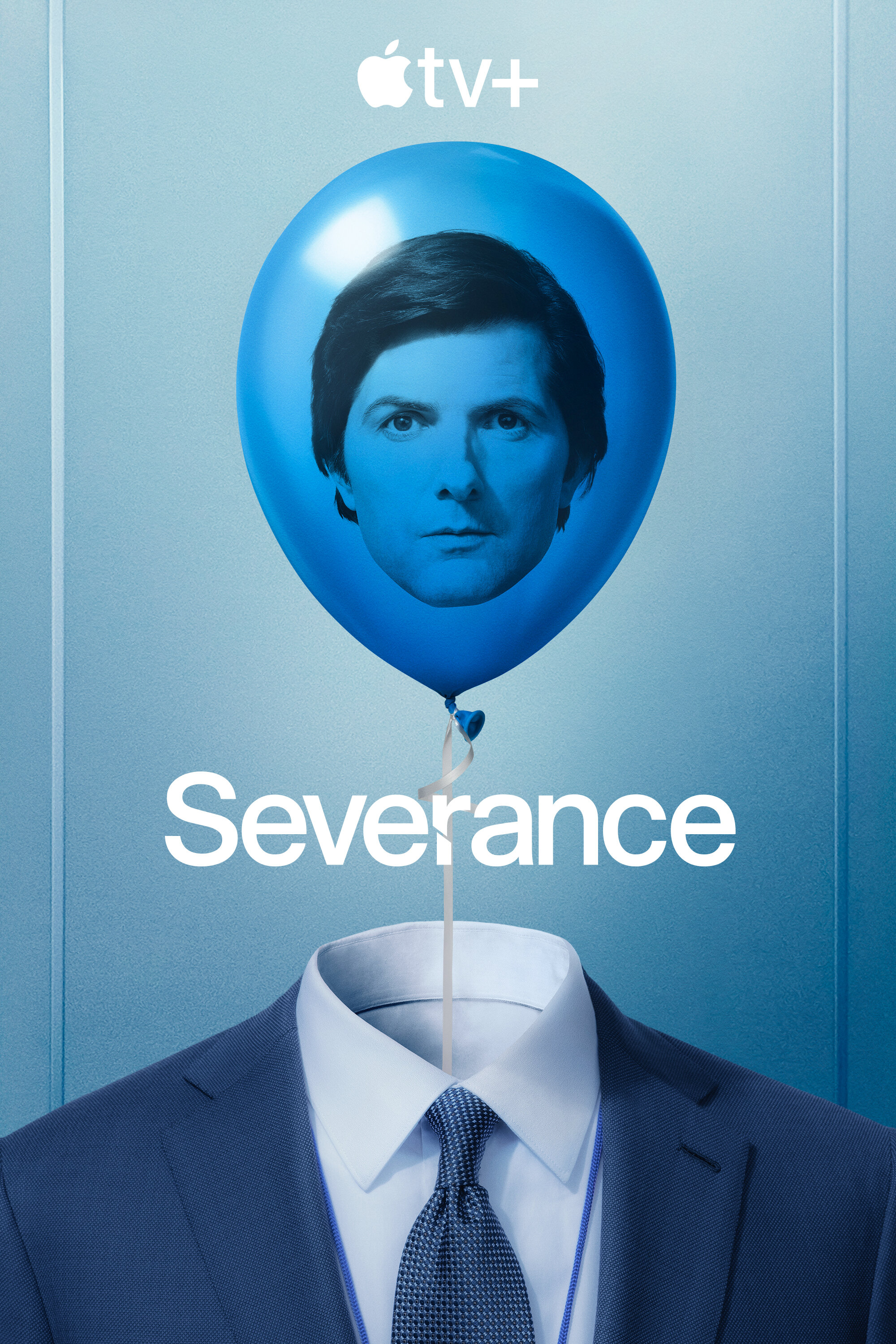
Severance2022
A sci-fi thriller about what happens when the brain is surgically split between work and personal life. Takes Eagleman's questions about consciousness and identity and makes them visceral, creepy, and utterly gripping.
But It's a slow-burn mystery that doesn't provide easy answers, and some find the ambiguity frustrating rather than intriguing.
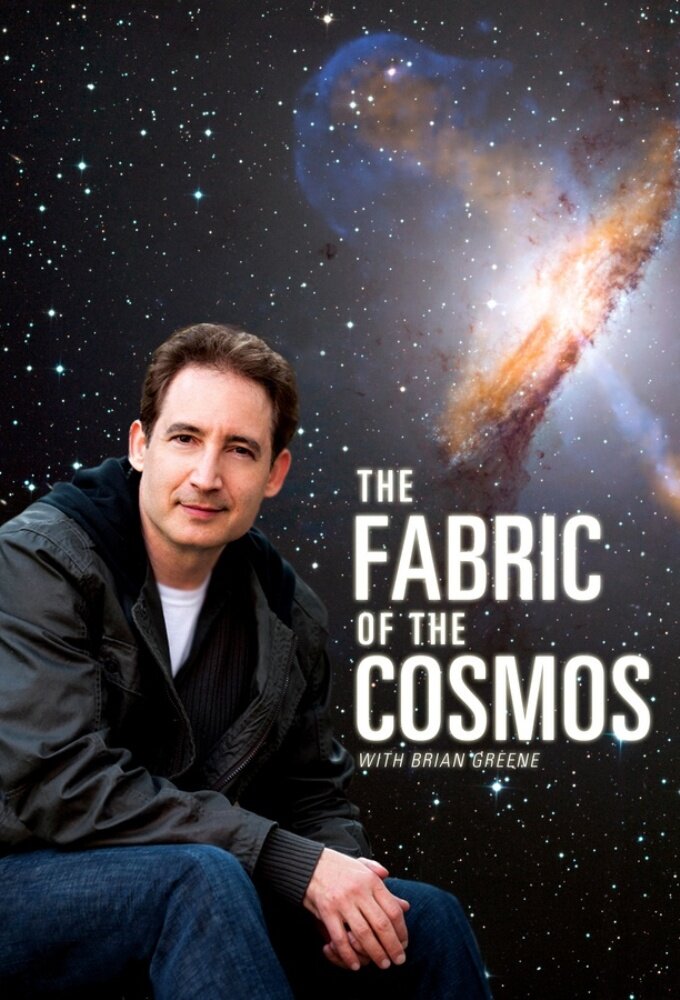
The Fabric of the Cosmos2011
Brian Greene explores physics and space with Eagleman's same gift for making abstract ideas feel concrete. Less about the brain, but the same philosophy: science is storytelling, and we're all trying to understand how reality works.
But Particle physics is further from daily life than brain science, so it can feel more distant despite the charismatic presentation.
Chungking Express1994
Where Eagleman explains how the brain works, Wong Kar-wai shows you how it *experiences*—the gap between science and the overwhelming reality of being alive.
Wong Kar-wai's kaleidoscopic love story is pure cinema about consciousness and connection—colors, music, and fragmented memory creating meaning. It's a film about what it feels like to think and feel and misunderstand. Dreamlike, ecstatic, tender.
But It's visually dense and narratively loose, more interested in mood than plot. If you want linear storytelling, this will frustrate you.

People
Cast
 David EaglemanHost
Production
- David EaglemanExecutive Producer
- Justine Kershaw Executive Producer