
Film
Complaints of a Dutiful Daughter
- Family drama
- Slow-burning
Deborah Hoffmann's intimate documentary traces her mother's decline into Alzheimer's disease, finding both heartbreak and absurdist humour in the caregiving role. It's a precisely observed portrait of love tested by forgetting, made with such tender honesty that it expands into something universal about family obligation, identity and what remains when memory goes.
If you liked this
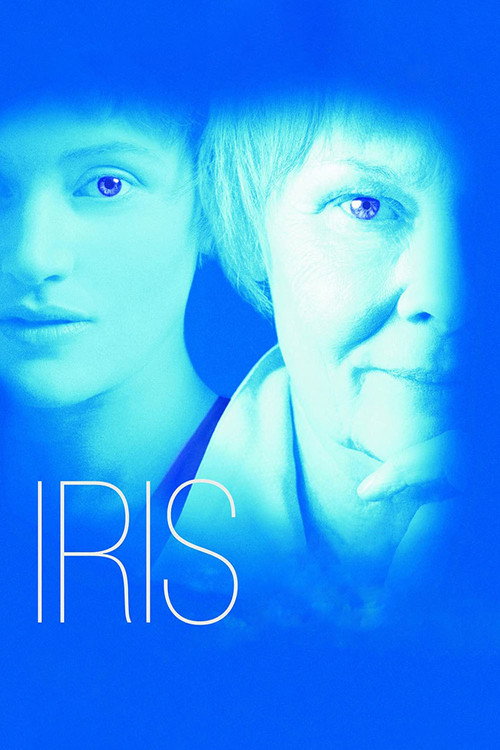
Iris2001
David Hare's film follows the writer Iris Murdoch's descent into dementia, interweaving her vibrant past with her present confusion. Judi Dench and Jim Broadbent give performances of devastating nuance, capturing both the person slipping away and the person who remains.
But The narrative structure jumps between timelines, which can feel disorienting. Some viewers find the elegiac tone relentlessly sorrowful without much breathing room.
The Farewell2019
Lulu Wang's film examines how a Chinese-American family processes a terminal diagnosis, choosing silence over honesty. It's both wickedly funny and genuinely moving, exploring cultural differences in how we face death and what we owe the dying.
But The emotional register shifts rapidly between comedy and grief, which some find tonally uneven. The ending may feel anticlimactic if you're expecting a conventional climax.

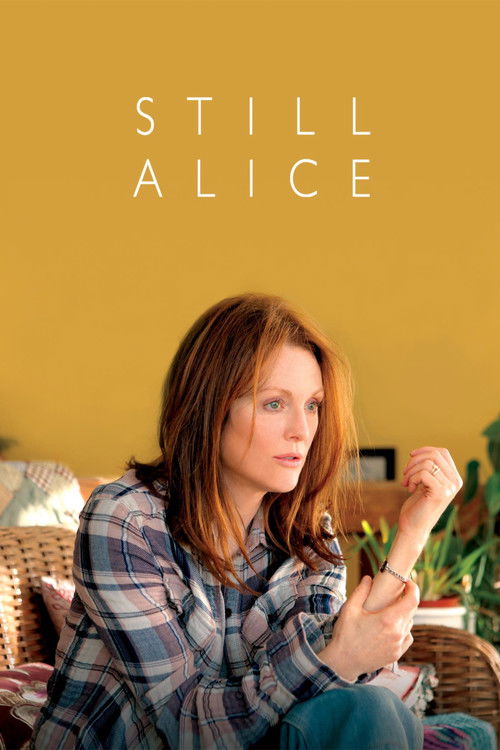
Still Alice2014
Julianne Moore's portrait of a linguistics professor confronting early-onset Alzheimer's is unflinching and intelligent, showing both the terror of losing yourself and unexpected moments of grace within the diagnosis. The film respects her character's mind even as it fails.
But It's a clinical, sometimes cold examination of decline. If you need warmth or humour to balance the subject matter, you won't find much of either here.
Not sure tonight? Get a pick in a minute, starting from Complaints of a Dutiful Daughter
The wildcard
Something you would not have found on your own.
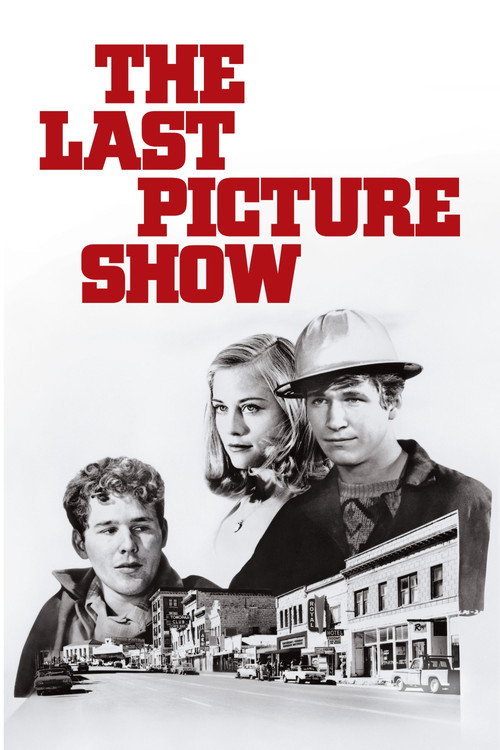
The Last Picture Show1971
Both mourn the erosion of identity through loss, but Bogdanovich looks outward at cultural death while Hoffmann looks inward at one mind failing. One is landscape, one is interior.
Peter Bogdanovich's gorgeous film captures a small Texas town's quiet death—the closing of institutions, the fading of a generation, memory becoming nostalgia. It's structured like a chronicle of losing something precious that defined you.
But Shot in black and white with unhurried pacing, it feels deliberately elegiac. Some find it slow and emotionally distant; the focus on men's experience may alienate viewers seeking female perspectives.
More like this (6)
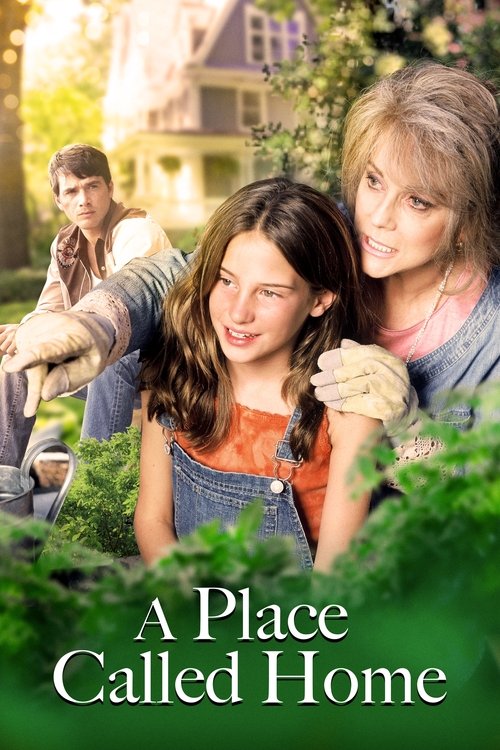
A Place Called Home2004
This documentary follows an intergenerational Los Angeles community centre, capturing how mentorship and belonging sustain people across class and circumstance. It's quietly powerful about what we need from each other to survive with dignity.
But The observational pacing is slow and unstructured. There's no driving narrative arc, which feels honest but can test patience if you want clear story progression.
In the Family2017
Patrick Wang's film explores grief, custody and what family means after sudden loss, using long takes and natural dialogue to find profound humanity in everyday interactions. It's about how we comfort each other when language fails.
But The minimalist filmmaking style feels glacial. Minimal music, extended silences, and no conventional drama may feel emotionally withholding rather than meditative.

Boyhood2014
Richard Linklater filmed over twelve years to capture the granular reality of aging and family bonds. It's a living archive of accumulated small moments—conversations, meals, arguments—that quietly devastate you with their mundane truth.
But Nothing conventionally dramatic happens. If you need plot momentum or major emotional beats, the film's quiet accumulation will feel aimless. Some find it self-indulgent.

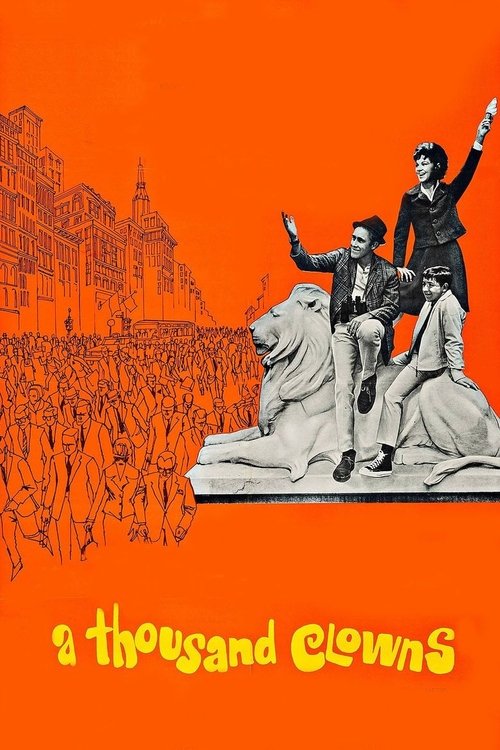
A Thousand Clowns1965
Herb Gardner's film about an eccentric man fighting to keep his nephew in his care explores duty, sacrifice and whether love means letting people live freely or holding them close. It's funny and unexpectedly profound about obligation.
But The theatrical dialogue can feel mannered by modern standards. The treatment of childhood and parental control reflects its era and may read as dated in places.
Nobody Knows2004
Hirokazu Kore-eda's devastating film about four children abandoned by their mother explores resilience, love between siblings, and the limits of childhood. It's unflinching about neglect while remaining deeply compassionate toward the children's makeshift family.
But The subject matter—child abandonment—is harrowing. The slow-burn approach means suffering accumulates over two hours. Emotionally brutal and not for viewers seeking catharsis.

Moonlight2016
Like Hoffmann's film, it examines how people shape us permanently—but where she traces memory's dissolution, Jenkins traces memory's crystallisation. Both understand that the bonds between people transcend the individual lives containing them.
Barry Jenkins' film fragments a man's life into three chapters, showing how love shapes identity across time. It's visually rapturous about tenderness and touch, exploring what we carry from those who raise us and how they live on in us.
But The non-linear structure and atmospheric (rather than narrative) approach can feel oblique. Some viewers find it too poetic and not sufficiently explained; the focus on subtle emotion over plot may feel insufficient.
