
Film
Wittgenstein
Derek Jarman's Wittgenstein is philosophy as theatre: a kaleidoscopic, deliberately artificial dramatization of the Viennese philosopher's life and ideas. Shot in studio sets with actors performing to camera, it treats difficult thought as something visceral and performative rather than austere. Bracing, funny, strange—for anyone curious about language, logic, or what it means to pursue an idea relentlessly.
If you liked this
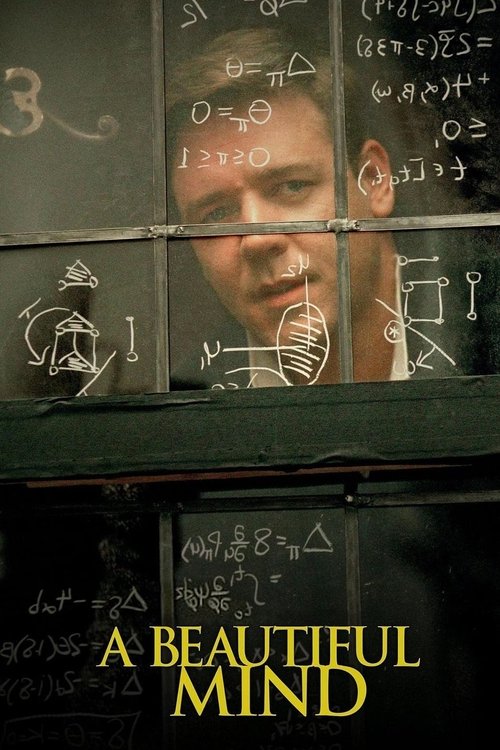
A Beautiful Mind2001
Dramatizes John Nash's mathematical genius and psychological breakdown with real emotional stakes. Accessible entry into the world of brilliant, tortured thinkers grappling with abstract thought and isolation.
But Sanitizes Nash's life significantly and leans on conventional biopic sentiment rather than genuine intellectual curiosity. Russell Crowe's performance can feel mannered.
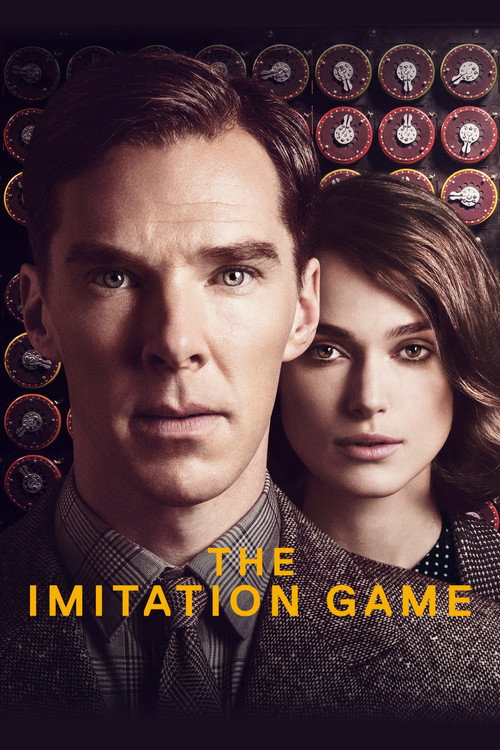
The Imitation Game2014
Another philosopher-mathematician facing institutional hostility, but with sharper political edges. Cumberbatch captures the loneliness of thinking differently, and the film doesn't shy from uglier historical truths.
But Streamlines Turing's actual life for drama. Can feel like a prestige thriller rather than a real engagement with his work or legacy.
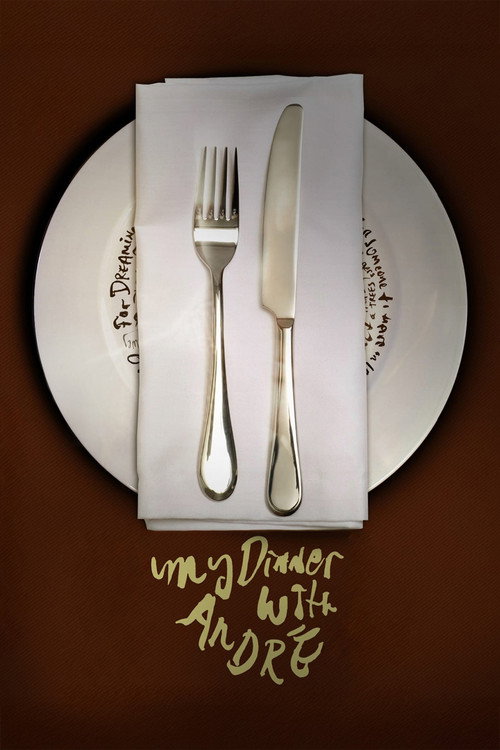
My Dinner with Andre1981
Two people sitting at a table for 110 minutes having a real philosophical conversation. Like Wittgenstein, it trusts language and idea-exchange as the entire substance of cinema. Mesmerizing if you're in the right mood.
But Literally nothing happens. If you need plot or movement, this will feel glacial. The conversation is sometimes self-indulgent.
Not sure tonight? Get a pick in a minute, starting from Wittgenstein
The wildcard
Something you would not have found on your own.
A Ghost Story2017
Both directors (Jarman and Roeg) are British experimentalists who treat cinema itself as a philosophical medium. Both dramatize thought through form rather than explanation. Both died of AIDS and made work that was visionary but unmarketable.
Roeg's final film—a medium-defying meditation on death, time, and what lingers. A ghost watches the world for centuries in a bedsheet. Philosophical without being academic, mournful without being sentimental. Roeg, like Jarman, refused conventional form.
But Glacially paced, deliberately oblique. The premise sounds absurd and the execution is so austere that many will dismiss it as pretentious or boring. No narrative resolution.

More like this (8)
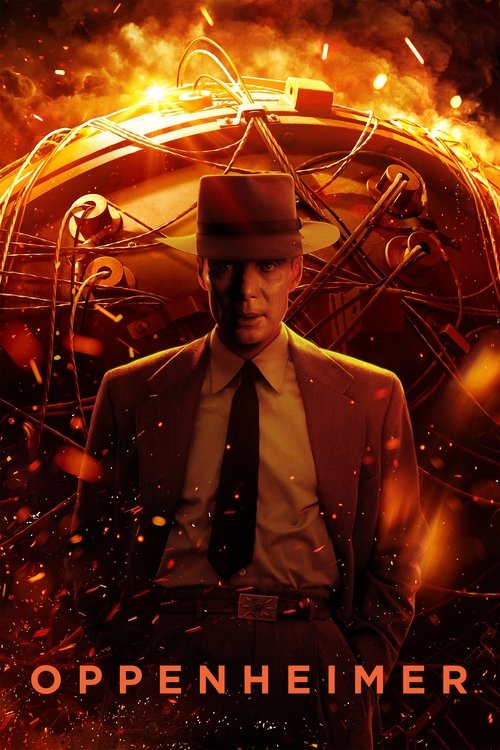
Oppenheimer2023
Another brilliant man shaped by war, responsibility, and the moral weight of ideas. Nolan manages the scale without losing the interior psychological torment. Stunning filmmaking about thinking at the edge of what's possible.
But Nearly three hours and structurally complex; some will find it exhausting. The spectacle sometimes overshadows genuine introspection about Oppenheimer's actual crisis.
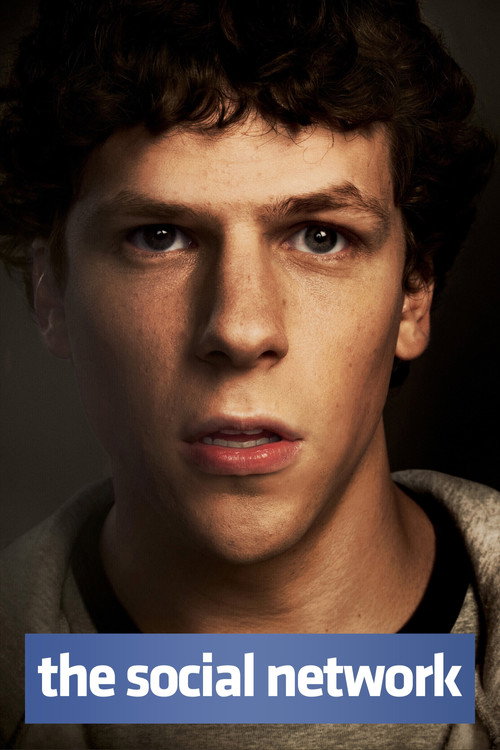
The Social Network2010
Sorkin's script moves at language's actual speed—ideas, arguments, and betrayal conducted through words. Like Wittgenstein, it understands that how we speak shapes what we think. Thrilling intellectual friction.
But Dramatically fictionalizes real events beyond recognition. If you want accuracy about Facebook's founding, you'll be frustrated by Sorkin's invention and bias.
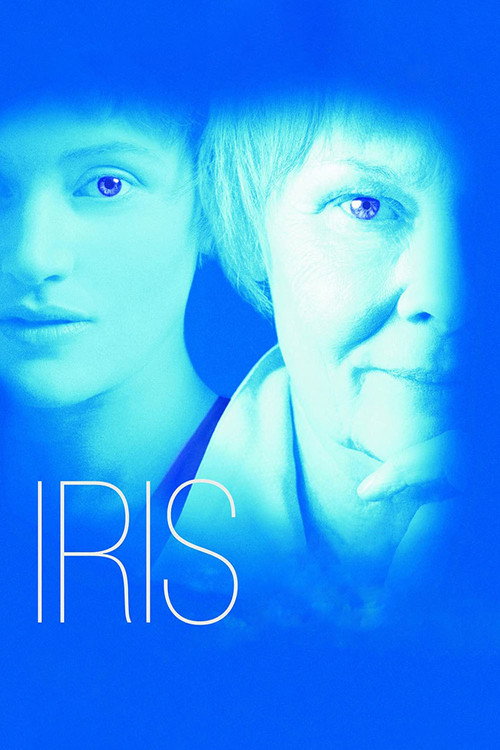
Iris2001
Portrait of Iris Murdoch, a serious novelist and philosopher confronting dementia. Tender without being sentimental; it respects both her intellectual power and her vulnerability. A different kind of philosopher-story.
But Devastatingly sad throughout. The descent is relentless and won't offer many moments of lightness or resolution. Can feel like watching loss in real time.
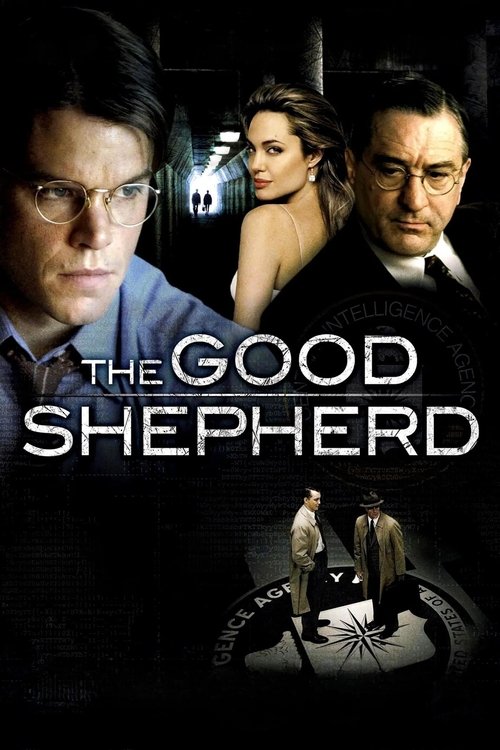
The Good Shepherd2006
De Niro's spy thinks like a philosopher—morally rigorous, suspicious of language and loyalty. A meditation on ideology and its costs, shot with visual precision. Underrated and genuinely strange.
But Nearly three hours of espionage and paranoia with minimal emotional payoff. The glacial pace and opacity mean many viewers find it academic and cold.
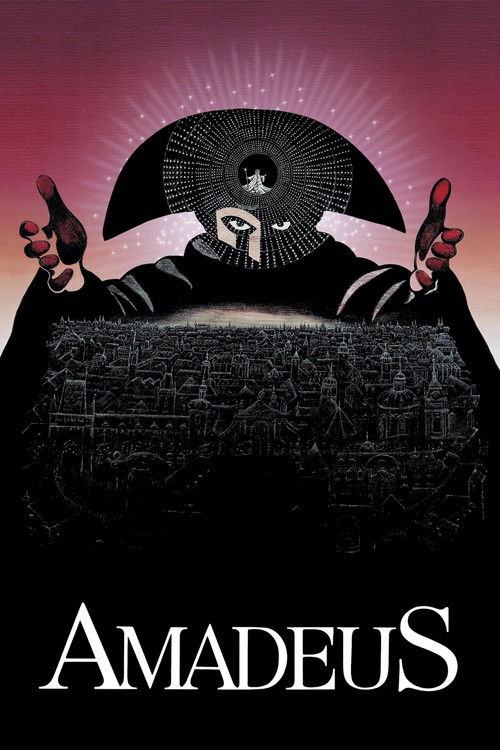
Amadeus1984
Forman's masterpiece about Mozart captures what it's like to be brilliant, fragile, and surrounded by people who don't quite understand. Jealousy, ambition, and the untouchable nature of genius all intertwined.
But Historically dodgy. The portrait of Salieri is mostly invention, and the film sometimes prioritizes drama over anything resembling actual 18th-century Vienna.
Synecdoche, New York2008
Kaufman's only directorial effort is a collapsing dream about art, mortality, and representation. Ambitious, maddening, occasionally transcendent—it asks what it means to depict reality or the self.
But Deliberately obscure and fragmented. It doesn't want to be fully understood and actively resists interpretation. For many, this feels like pretension rather than profundity.

Tokyo Story1953
Like Wittgenstein's investigations into how language fails to capture life, Ozu's cinema is about what cannot be said. Both trust ellipsis and silence over exposition. Both insist that philosophy lives in everyday moments, not grand statements.
Ozu's masterpiece is philosophy as cinema—about language, family, the gaps between what we say and mean, the unbridgeable distances between people. Every frame geometrically perfect; every pause meaningful. Japanese cinema's greatest achievement.
But Moves at its own glacial pace. Nearly three hours of domestic routine with no plot. Many Western viewers find it insufferably slow and minor despite its reputation.

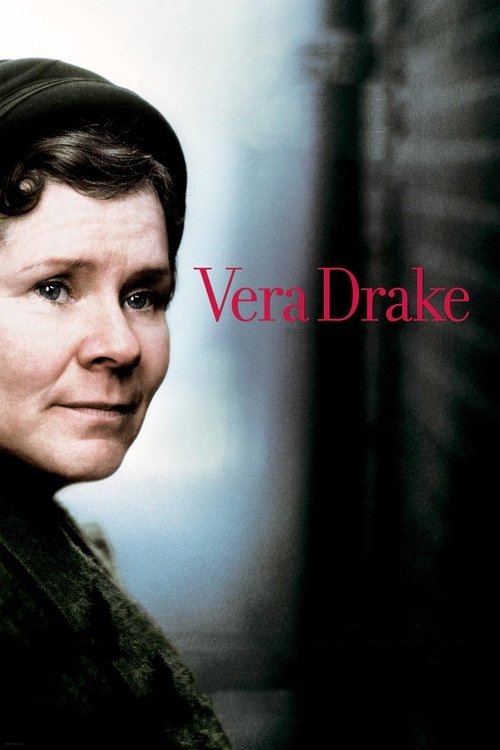
Vera Drake2004
Both examine how language and law fail to capture human need and moral complexity. Both distrust grand abstractions—Wittgenstein investigates what language actually does; Leigh shows us what people actually do when systems fail them. Both are formally austere and demand active watching rather than passive consumption.
Mike Leigh's portrait of an ordinary woman providing illegal abortions in 1950s London. Quiet, humanistic, devastating. Imelda Staunton delivers a performance of devastating simplicity. A film about ethics without a trace of preaching.
But Relentlessly bleak in its final stretch. The state's cruelty is depicted without mercy. For those seeking anything resembling catharsis or hope, this will feel punitive and unbearably sad.
People
Cast
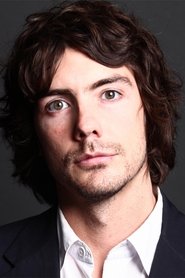 Clancy ChassayYoung Wittgenstein
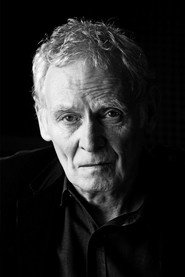 Karl JohnsonLudwig Wittgenstein
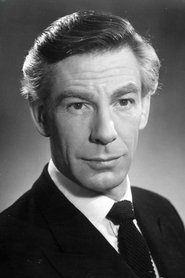 Michael GoughBetrand Russell
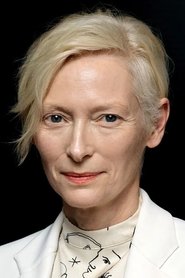 Tilda SwintonLady Ottoline Morrell
- Kevin CollinsJohnny
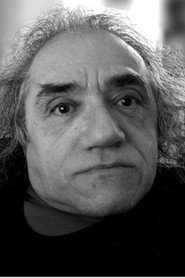 Nabil ShabanMartian
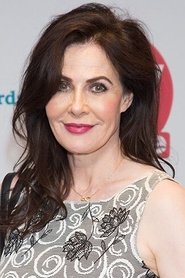 Sally DexterHermine Wittgenstein
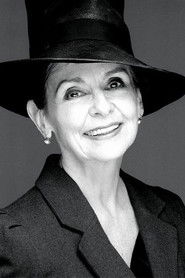 Lynn SeymourLydia Lopokova
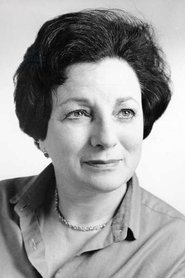 Jill BalconLeopoldine Wittgenstein
- Gina MarshGretyl Wittgenstein
- Vanya Del BorgoHelene Wittgenstein
- Ben ScantleburyHans Wittgenstein
Directing
- Derek JarmanDirector
- Davina NicholsonFirst Assistant Director
- Richard HewittSecond Assistant Director
Writing
- Derek JarmanWriter
- Ken ButlerWriter
- Terry EagletonWriter
Production
- Ben GibsonExecutive Producer
- Takashi AsaiExecutive Producer
- Tariq AliProducer