
Film
Cirque du Soleil: Alegria - The Truth of Illusion
A 22-minute dive into the making of Cirque du Soleil's *Alegria*, capturing the creative obsession behind one of their most celebrated shows. Director Franco Dragone and his team explain how they built a narrative around acrobatics, transforming spectacle into storytelling. It's intimate without being precious—less hagiography, more honest workspace footage and artistic intent.
If you liked this
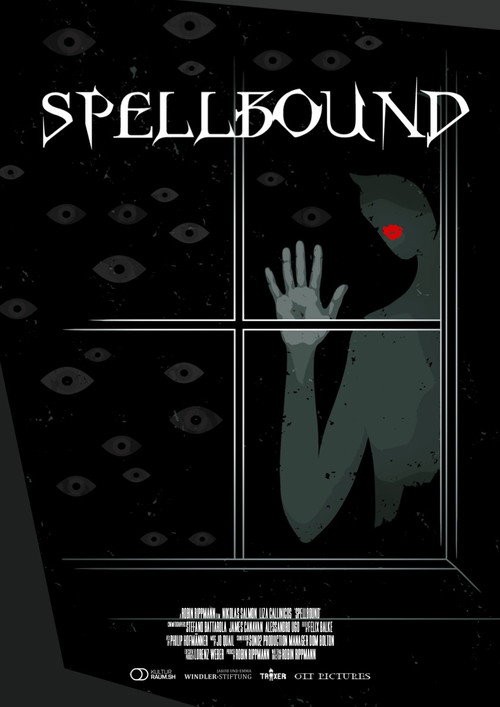
Spellbound2022
Claudia Sarne's documentary captures the intensity of competitive spelling with the same visual flair Dragone brings to circus. Both films treat their subjects as art forms worthy of cinema's full attention and emotional investment.
But It's built around a competition, which can feel thin if you're not invested in spelling itself or the children competing.
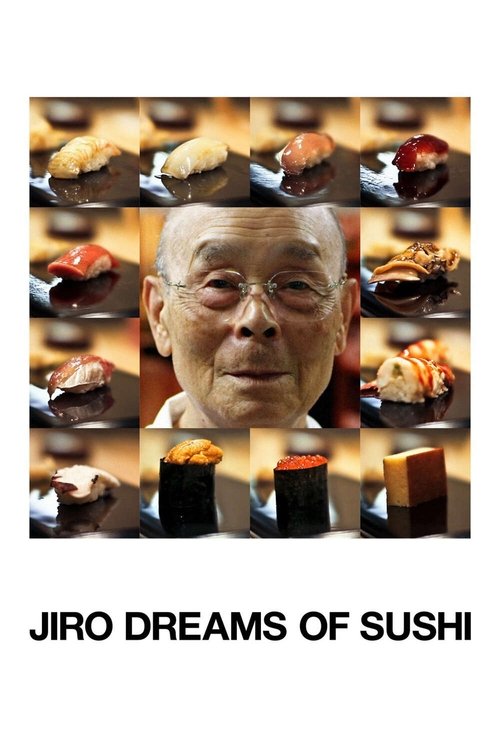
Jiro Dreams of Sushi2011
A meditation on perfectionism and craft from someone at the absolute peak of their discipline. Like *Alegria*, it finds profound beauty in obsessive repetition and the philosophy underlying technical mastery.
But Very slow, very quiet. If you need plot momentum or dramatic conflict, this will feel static and overly reverential.
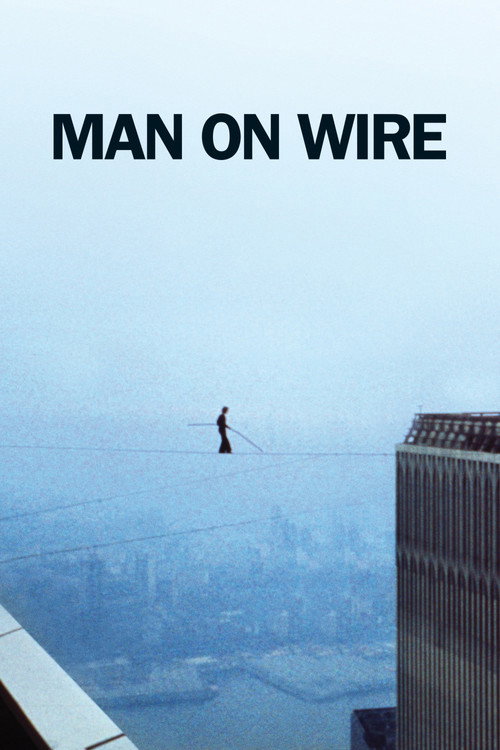
Man on Wire2008
A heist film about an acrobat's walk between the Twin Towers. It has the same blend of danger, artistry, and meticulous planning that animates the circus documentary, with genuine suspense layered over.
But The theatrical reconstruction scenes occasionally veer precious. Some find the tone uneven—part thriller, part art film, fully committed to neither.
Not sure tonight? Get a pick in a minute, starting from Cirque du Soleil: Alegria - The Truth of Illusion
The wildcard
Something you would not have found on your own.
La Haine1995
Both are French, both made in the same era, both treat the body as a text for social meaning. But where *Alegria* transcends politics through spectacle, *La Haine* uses the body to indict it.
A French portrait of alienation and performance—how young people in the banlieue move through the city as a kind of choreography. Like *Alegria*, it uses physical movement to express emotional states and cultural resistance.
But Deliberately confrontational about class and race. Shot in black and white with a bleak register that offers no comfort or resolution.

More like this (8)
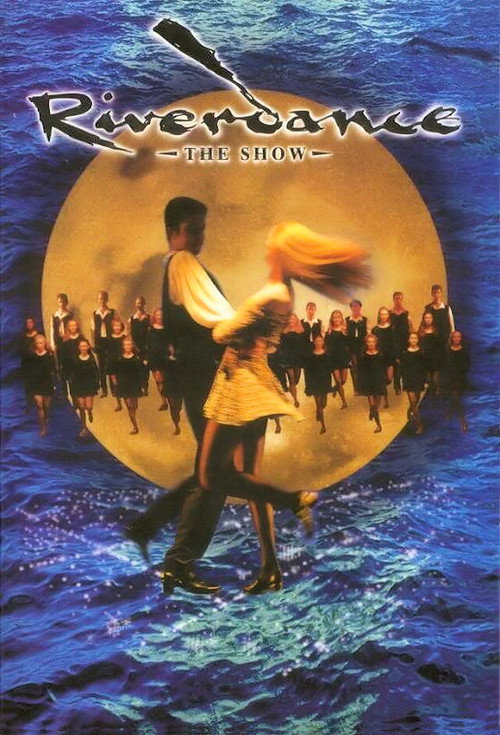
Riverdance: The Show1995
Contemporary release capturing live performance as cinema. Both films use close-ups and editing to reveal the physical intelligence behind what appears effortless; both celebrate ensemble precision.
But If you find Irish dancing kitsch or resent the crossover moment of the '90s, this film won't change your mind.
Shine1996
A biopic about pianist David Helfgott that understands artistic obsession as both gift and curse. It has the same texture of workshop intensity, though told through narrative rather than documentary.
But The film's portrayal of mental illness can feel exploitative, and the redemption arc is tidy in a way that real recovery rarely is.
Life in a Day2011
Ridley Scott's crowd-sourced documentary has the same visual poetry and international scope as *Alegria*—both see beauty in the mundane physicality of human effort across cultures.
But Feels dated already. The social media framing that felt innovative now reads as naive about technology and data.
The Defiant Ones2017
A four-part series on Daft Punk reveals creative process and the obsessive thinking behind innovation. Both explore how artists push technical and conceptual boundaries without losing audience.
But About electronic music and French culture; if dance music doesn't interest you, the film's stakes won't resonate.
Lo and Behold: Reveries of the Connected World2016
Herzog's documentary on the internet has the same sense of wonder at human ingenuity and connection. Both films treat their subjects as expressions of collective dreaming made tangible.
But Herzog's idiosyncratic voice and philosophical tangents feel self-indulgent if you're looking for straightforward information.
Woodstock1970
The definitive concert documentary has the same commitment to capturing a moment of collective artistic vision. Both films understand that infrastructure and logistics are part of the art.
But The hippie mythology can feel dated and exclusionary to people outside the cultural moment being celebrated.

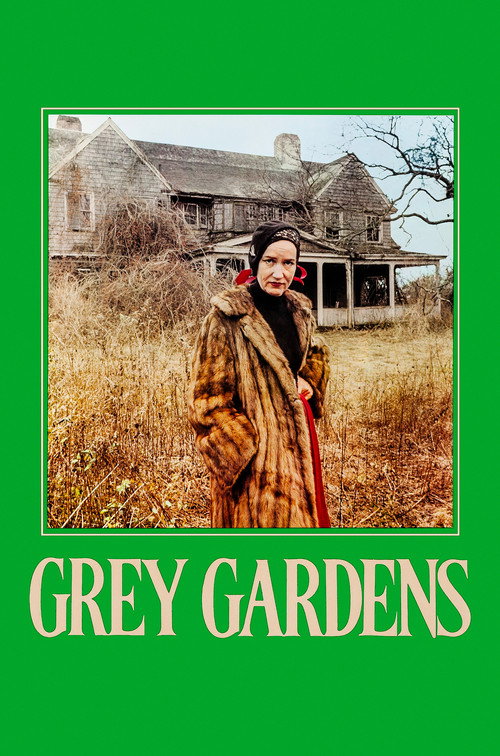
Grey Gardens1976
Both explore how people perform themselves into being. *Alegria* celebrates controlled, intentional performance; *Grey Gardens* captures performance as coping mechanism and slow-motion tragedy.
Maysles brothers' documentary about two reclusive women in a crumbling mansion. It shares *Alegria*'s fascination with performance, artifice, and how people construct identity—except here the stage is decay and delusion.
But Extremely uncomfortable to watch. Feels voyeuristic and potentially unethical; the subjects appear to have diminished capacity to consent to being filmed.
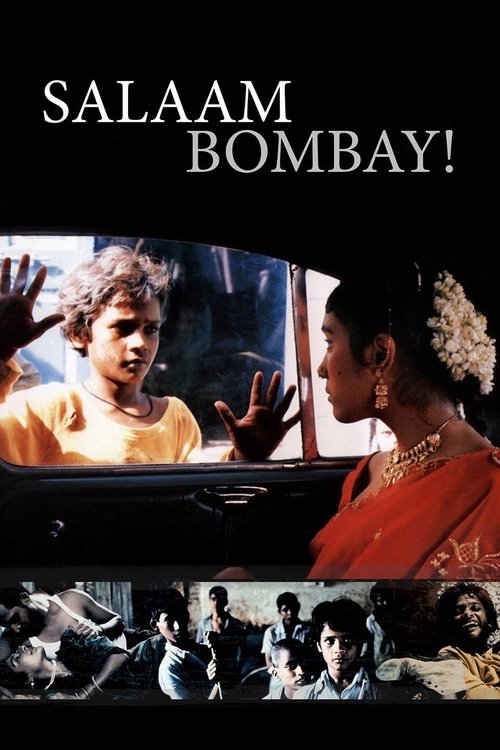
Salaam Bombay!1988
Both films understand that circus—whether literal or metaphorical—is how humans survive and express themselves. One is celebratory, one is tragic, but both see movement as salvation.
Mira Nair's narrative film about street children in Mumbai has acrobatics, spectacle, and movement as central to survival and dignity. It finds the same poetry in the body that Dragone does, but in a context of desperation rather than transcendence.
But Difficult subject matter involving child exploitation. The film doesn't look away, which means you can't either, and it's an unpleasant evening rather than an enriching one.
People
Cast
- Ludovic LinzNarrator (Voice)
 Franco DragoneHimself
- Dominique LemieuxHerself
 Francesca GagnonHerself
- Debra BrownHerself
- Luc LafortuneHimself
Directing
- Rénald BellemareDirector