
Film
Little Man Tate
Jodie Foster directs and stars in this tender, intelligent film about a working-class single mother who discovers her son is a mathematical prodigy. It's a story about protecting childhood itself—about the cost of ambition and the fierce love that resists the machinery designed to exploit gifted kids. Thoughtful, warm, occasionally heartbreaking.
Should you watch it?
Watch it if you enjoy small, observant films about a gifted child's lonely inner life, where warmth comes from character rather than plot machinery.
Skip it if you need a brisk plot with mounting stakes; this is a patient, talky drama that lingers on feelings and can drag in its quieter stretches.
What it asks of you: Attention more than action: it moves at a measured pace, with long conversations and quiet looks doing the work, and it stays earnest rather than ironic.
Not sure? Find tonight's pick in a minute.
If you liked this
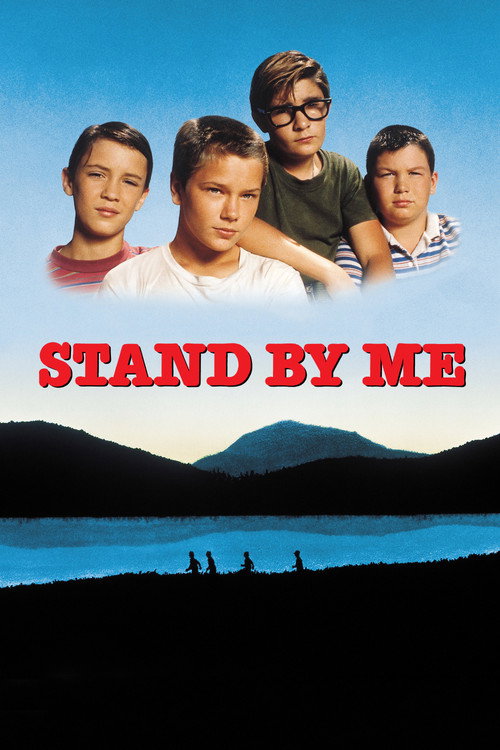
Stand by Me1986
A masterclass in capturing how children experience the world: the adventures feel enormous, the emotions devastate, and adult intrusions are both comic and tragic. Shares Little Man Tate's belief that childhood deserves to be lived, not optimized.
But The structure is episodic rather than plot-driven, which can feel meandering if you're expecting conventional momentum or resolution.
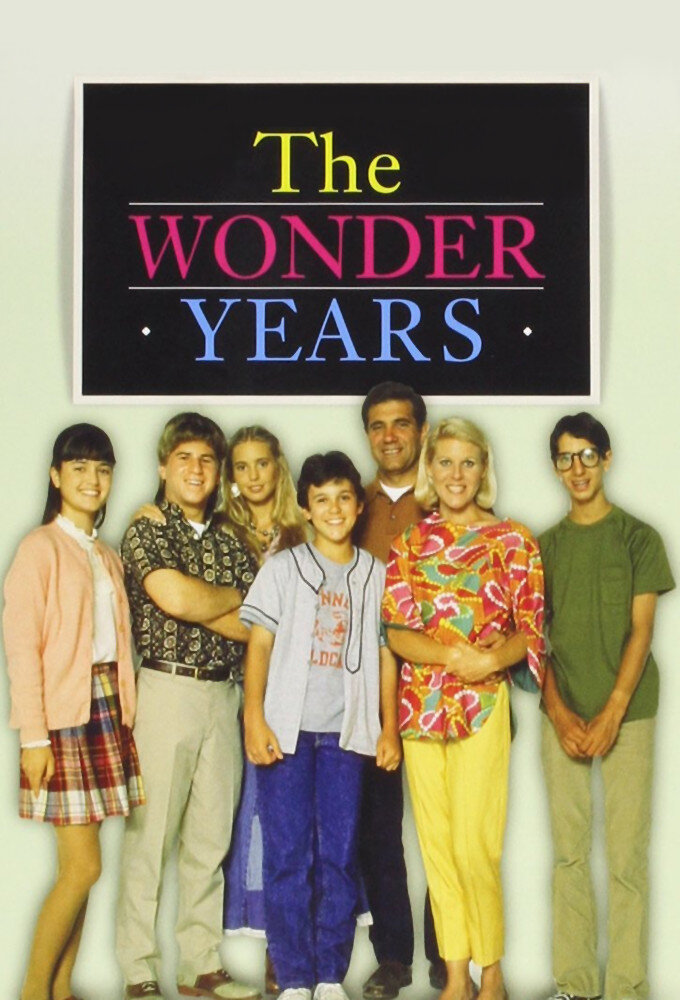
The Wonder Years1988
Narrated by adult Kevin, the show captures the bittersweet gulf between how a kid experiences ordinary moments and what they meant in hindsight. Fred's loneliness reads very similarly: brilliant but marooned by his own mind.
But It's deeply nostalgic for a specific American era and sensibility; if that world doesn't pull you, the show can feel slight.
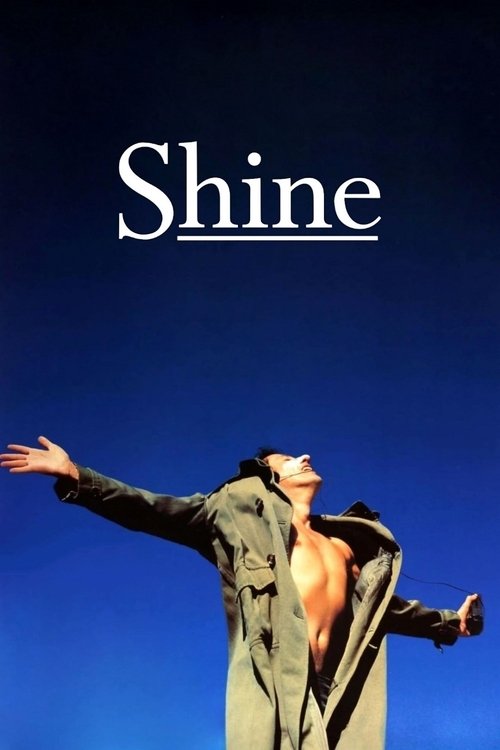
Shine1996
Another portrait of a prodigy whose gift becomes a trap, with a parent whose love curdles into control. Geoffrey Rush is extraordinary, and the film doesn't look away from the psychological wreckage that can result.
But It's considerably darker and more harrowing than Little Man Tate, and the abuse on screen is hard to watch.
Not sure tonight? Get a pick in a minute, starting from Little Man Tate
The wildcard
Something you would not have found on your own.
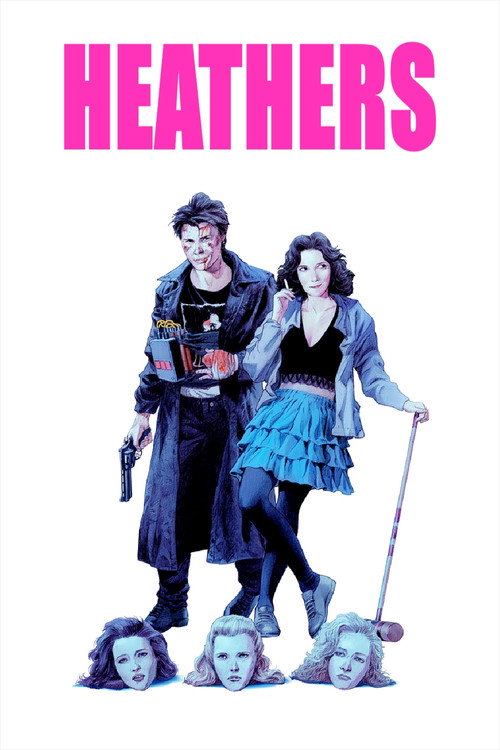
Heathers1989
Both films explore what happens when a young person's exceptional mind becomes a liability in a world unprepared for it, but Heathers weaponizes that alienation while Little Man Tate tries to protect against it.
Winona Ryder as a brilliant, perceptive teenager in a hostile world; the film's dark comedy comes from the gap between what she sees and what adults understand. It's about the alienation of being smarter than everyone around you, but much more caustic.
But It's a pitch-black satire about teen suicide that pulls no punches; if you're expecting warmth or sentiment, this will feel cruel and incorrect.
More like this (8)
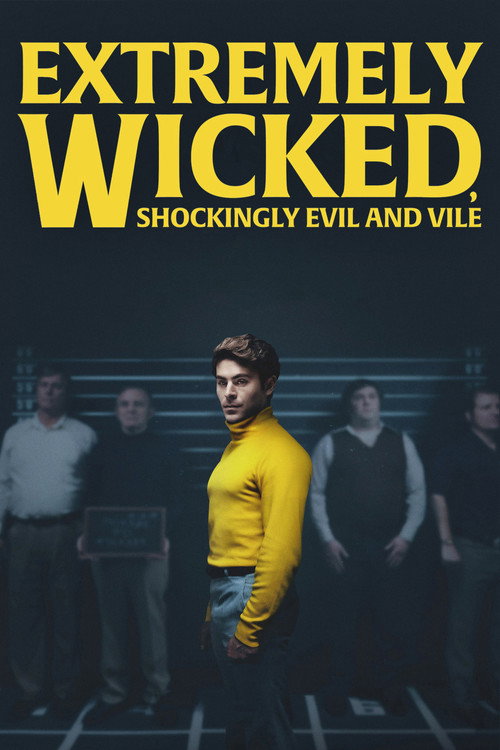
Extremely Wicked, Shockingly Evil and Vile2019
Zac Efron gives a genuinely unsettling performance as Ted Bundy, and the film is interested in how charisma and intelligence can be weaponized. It's a corrective to the 'genius as hero' mythology.
But It's essentially a true-crime film about a serial killer; the subject matter is disturbing and the tone can feel exploitative.
My Girl1991
Released the same year, it's similarly concerned with children's inner lives and the friction between their perceptions and adult reality. The emotional beats are unexpectedly honest for a family film.
But It's sentimental in ways that don't always land, and the ending divides people sharply.

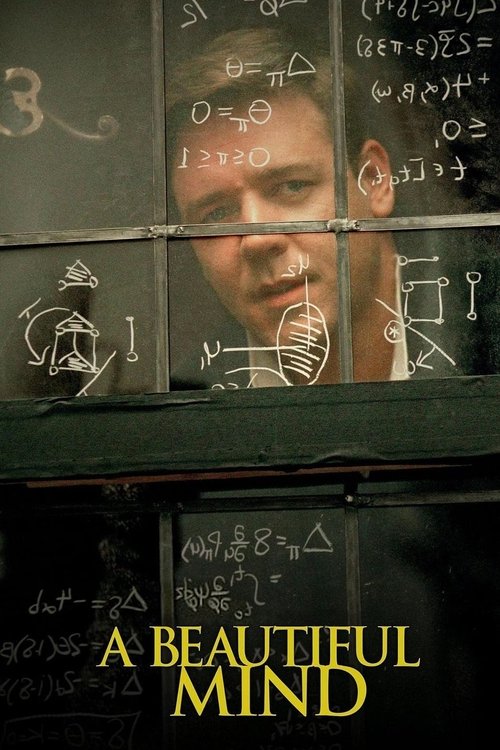
A Beautiful Mind2001
Russell Crowe as a mathematical genius whose brilliance is inseparable from his vulnerability. It takes seriously the question of what we owe to people whose minds work differently.
But It's been criticized for romanticizing mental illness and glossing over the real struggles; the film's optimism can feel false.
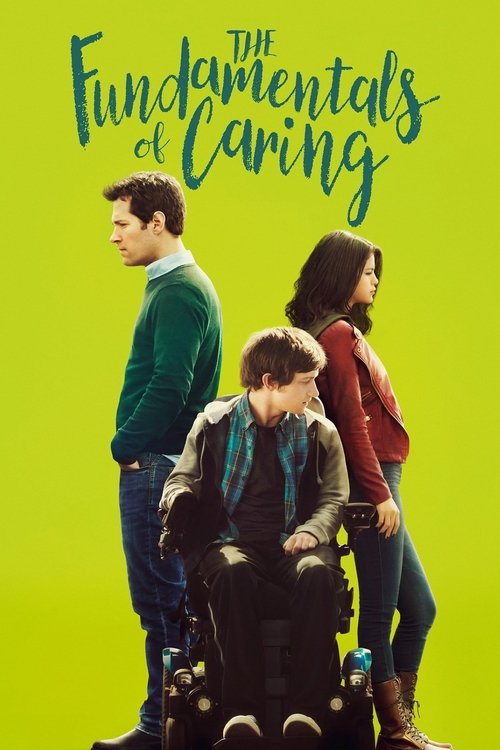
The Fundamentals of Caring2016
Paul Rudd and Craig Roberts as a caregiver and his intellectually gifted charge. It's wry and unsentimental about disability, privilege, and what we assume about people who are different.
But The road-trip structure and indie-film cuteness can override the emotional stakes, leaving it feeling lighter than its premise suggests.
Gifted2017
Chris Evans and McKenna Grace in a story about a man raising his mathematically gifted niece. It's genuinely interested in the question of whether pushing a child toward their potential is love or harm.
But The custody-battle plot is fairly formulaic, and the film doesn't bring much formal or tonal invention to the material.

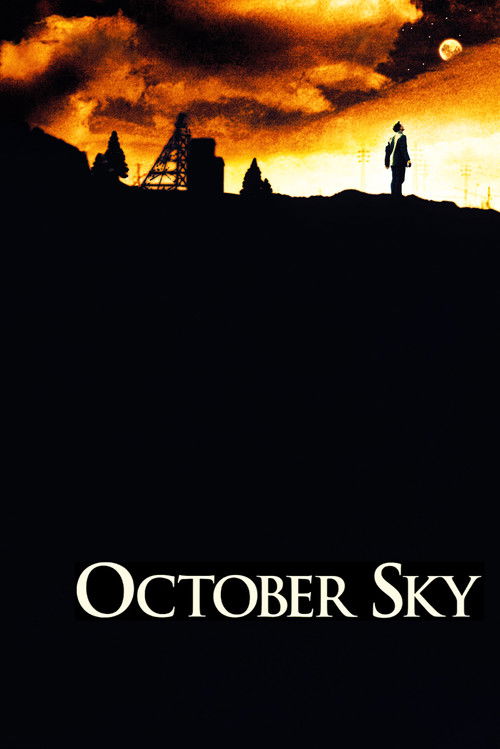
October Sky1999
Jake Gyllenhaal as a boy whose scientific ambitions put him at odds with his father and community. It's about the loneliness of being exceptional, and about the cost of dreams in a place that doesn't value them.
But The father-son reconciliation feels somewhat pat, and the film occasionally slips into inspirational-movie clichés.
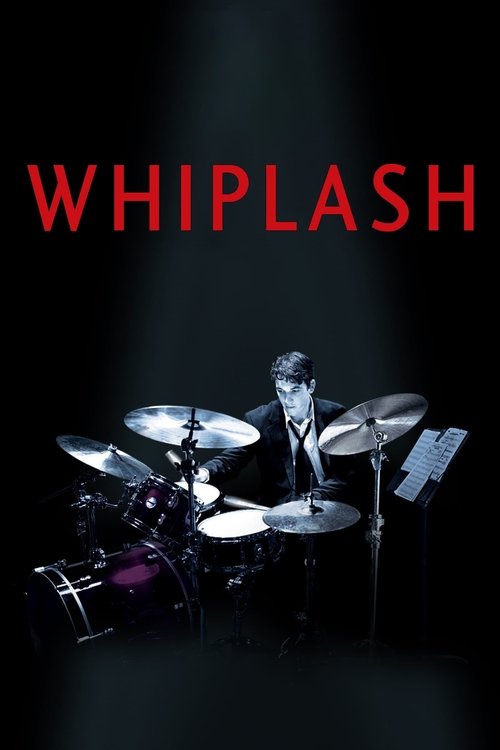
Whiplash2014
Both dramatize the danger when adults with power over gifted children prioritize achievement over the child's wellbeing and emotional safety. Foster's film argues against this; Whiplash shows its devastating consequences.
Miles Teller as a drummer pursuing perfection under a sadistic conductor. The film is a stunning, terrifying portrait of what happens when a mentor's ambition for a gifted student becomes abusive. It's technically masterful and morally complex.
But It's relentlessly intense and features extended scenes of psychological and physical cruelty; the film doesn't offer comfort or release.
Moonlight2016
Both films refuse to treat their young protagonist as a problem to solve or a project to manage. Instead, they insist on the interior life—the feelings beneath the observable facts—as the truest thing about him.
Shot in three chapters across a young Black man's life, it's a quiet, visual meditation on how identity forms under constraint and observation. There's no plot machinery—just the accumulated weight of being seen and unseen, understood and misunderstood.
But The pacing is deliberately slow, the dialogue is sparse, and there's no dramatic arc in the conventional sense; it requires patience and attentiveness.

People
Cast
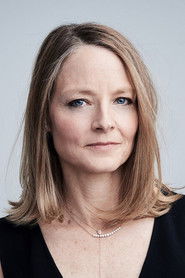 Jodie FosterDede Tate
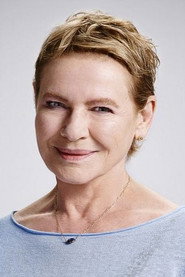 Dianne WiestJane Grierson
 Adam Hann-ByrdFred Tate
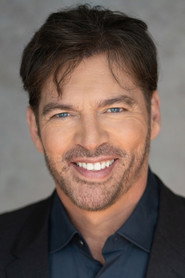 Harry Connick Jr.Eddie
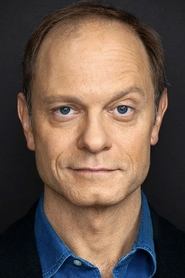 David Hyde PierceGarth Emmerick
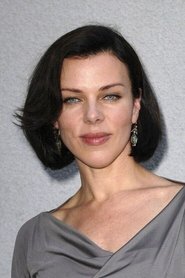 Debi MazarGina
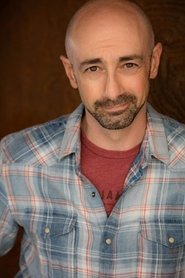 P.J. OchlanDamon Wells
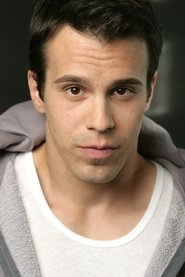 Michael ShulmanMatt Montini
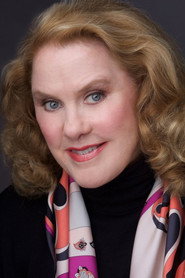 Celia WestonMiss Nimvel
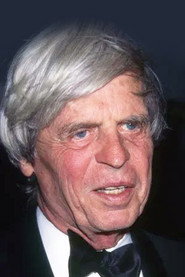 George PlimptonWinston F. Buckner
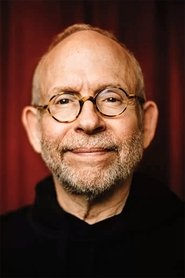 Bob BalabanQuizmaster
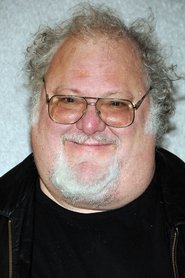 Josh MostelPhysics Professor
Directing
- Jodie FosterDirector
- Mary CybulskiScript Supervisor
- Gregory JacobsSecond Assistant Director
Writing
- Scott FrankScreenplay
Production
- Avy KaufmanCasting
- Lina ToddCasting
- Randy StoneExecutive Producer
- Peggy RajskiProducer
- Scott RudinProducer