
Television series
Crime and Punishment
Other titles called Crime and Punishment: the 1935 film, the 1956 film, the 1998 film, the 2002 film, the 2007 film.
- Police procedural
- Very dark
A stark documentary series following the UK criminal justice system's frontline workers—police, prosecutors, probation officers, and prison staff—as they navigate complex cases with inadequate resources. It's a system under strain, shown with unflinching clarity. For anyone wondering how crime actually gets handled, or how institutional stress breaks people.
Should you watch it?
Watch it if you like observational documentaries that let the people doing the job speak for themselves, where the drama comes from procedure, judgement calls and the sheer weight of caseloads rather than from a scripted plot.
Skip it if you want a tidy story with a clear arc and resolution, since each case here is a fragment of real work that stops where the system stops, with no narrator steering you toward a conclusion.
What it asks of you: It runs ten hour-long episodes across two seasons, so it wants a sustained block of attention, and it moves at the unhurried pace of paperwork, phone calls and waiting rooms rather than cutting for thrills.
Not sure? Find tonight's pick in a minute.
If you liked this
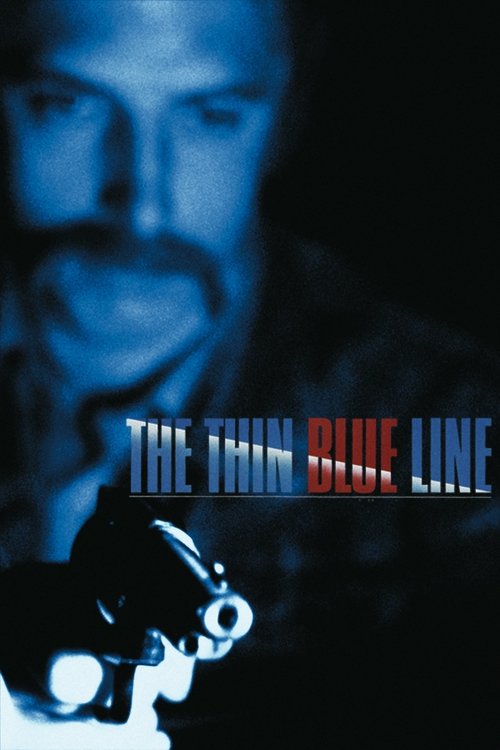
The Thin Blue Line1988
Errol Morris's landmark documentary proves a single crime can be examined from every angle, revealing injustice hiding in plain sight. Essential viewing for understanding how systems fail the innocent.
But It's a 1988 film shot in black and white with minimal narration. The pacing is deliberate, even contemplative—not the rapid-cut style modern audiences expect.
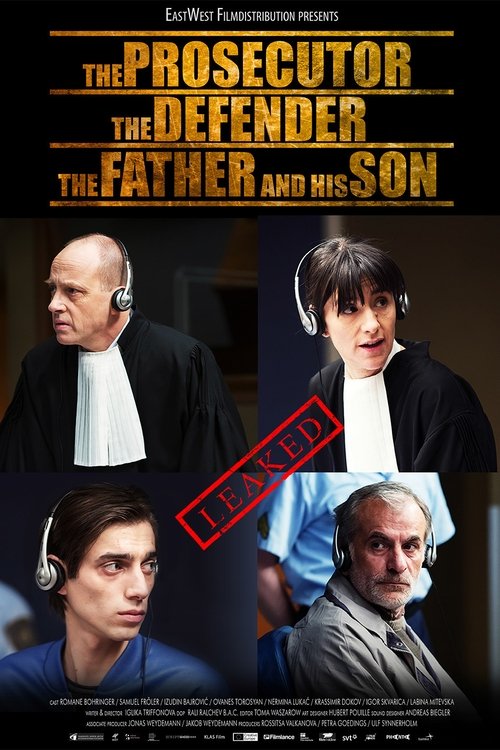
The Prosecutor, the Defender, the Father and his Son2016
South Korean thriller following a prosecutor hunting corruption at the highest levels. The institutional mechanics of power and justice mirror Crime and Punishment's system-level focus, but with tremendous suspense.
But It's a drama, not a documentary, so you're watching a story. Also subtitled, and the political context is specifically South Korean, which requires some patience to parse.
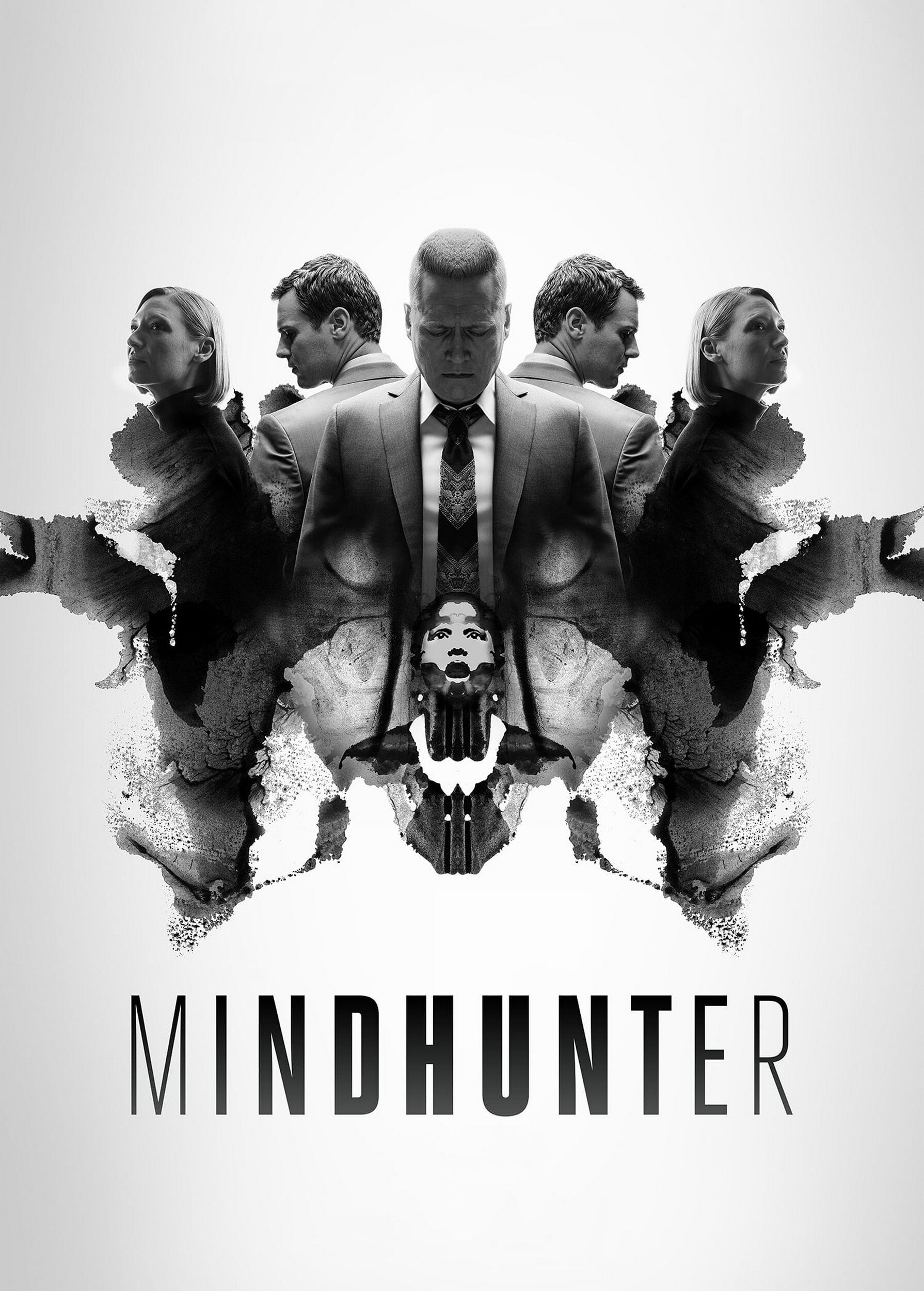
MINDHUNTER2017
Two FBI agents develop modern profiling by interviewing serial killers. It captures the psychological toll of working the justice system's darkest corners, and how institutions shape investigative thinking.
But The pacing is slow and methodical; this is procedural, not thriller. Some find it ponderous. Also, the Netflix version softens things that Crime and Punishment shows raw.
Not sure tonight? Get a pick in a minute, starting from Crime and Punishment
The wildcard
Something you would not have found on your own.
The Act of Killing2012
Crime and Punishment shows punishment—the systems built after crime. This documents crime itself and asks how systems justify or ignore what came before, inverting the documentary's chronology and moral frame.
Indonesian documentary asking men who committed mass murder in the 1960s to recreate their crimes on film. It's a radical interrogation of how societies reckon with atrocity, and what the perpetrator's perspective reveals about institutional evil.
But Morally vertiginous. Watching men laugh while staging executions they actually committed is nauseating by design. Some viewers feel the film itself becomes complicit in entertainment violence.

More like this (5)
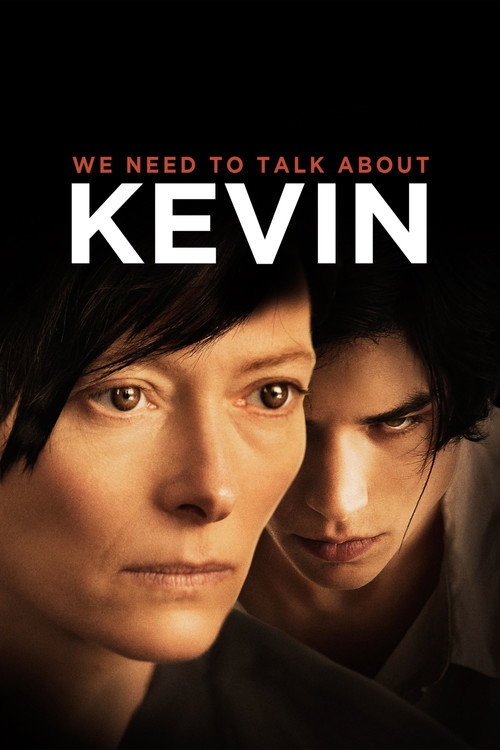
We Need to Talk About Kevin2011
A mother examines her relationship with her son after he commits an act of shocking violence. It's a meditation on culpability, family systems, and what the justice system can't fix—deeply unsettling.
But Deliberately artificial visuals, fragmented chronology, and a bleak philosophical tone make it feel remote. Some see it as pretentious rather than profound.
Spotlight2015
Journalists uncovering institutional abuse show how systems protect themselves. Like Crime and Punishment, it's about people grinding through bureaucracy to find truth, with quiet, patient tension.
But It's essentially about journalism methodology and meetings. If you need action or clear villains, the restraint will feel dull.

Orange Is the New Black2013
A comedy-drama following women in federal prison. It balances humor with genuine accounts of systemic failures, and the humane attention it pays to prisoners humanizes what Crime and Punishment sees from officials' perspectives.
But The early seasons prioritize jokes and soap opera drama. The tone can feel dissonant when serious issues arrive, and some storylines are more interested in sentiment than accuracy.

Three Colors: White1994
Kieslowski's Polish film about a hairdresser returning home after his marriage collapses. It examines justice, revenge, and cycles of harm with moral ambiguity that echoes Crime and Punishment's refusal to offer easy answers.
But Very slow, very quiet. There's minimal plot. If you want narrative momentum, this will feel like watching paint dry in subtitles.

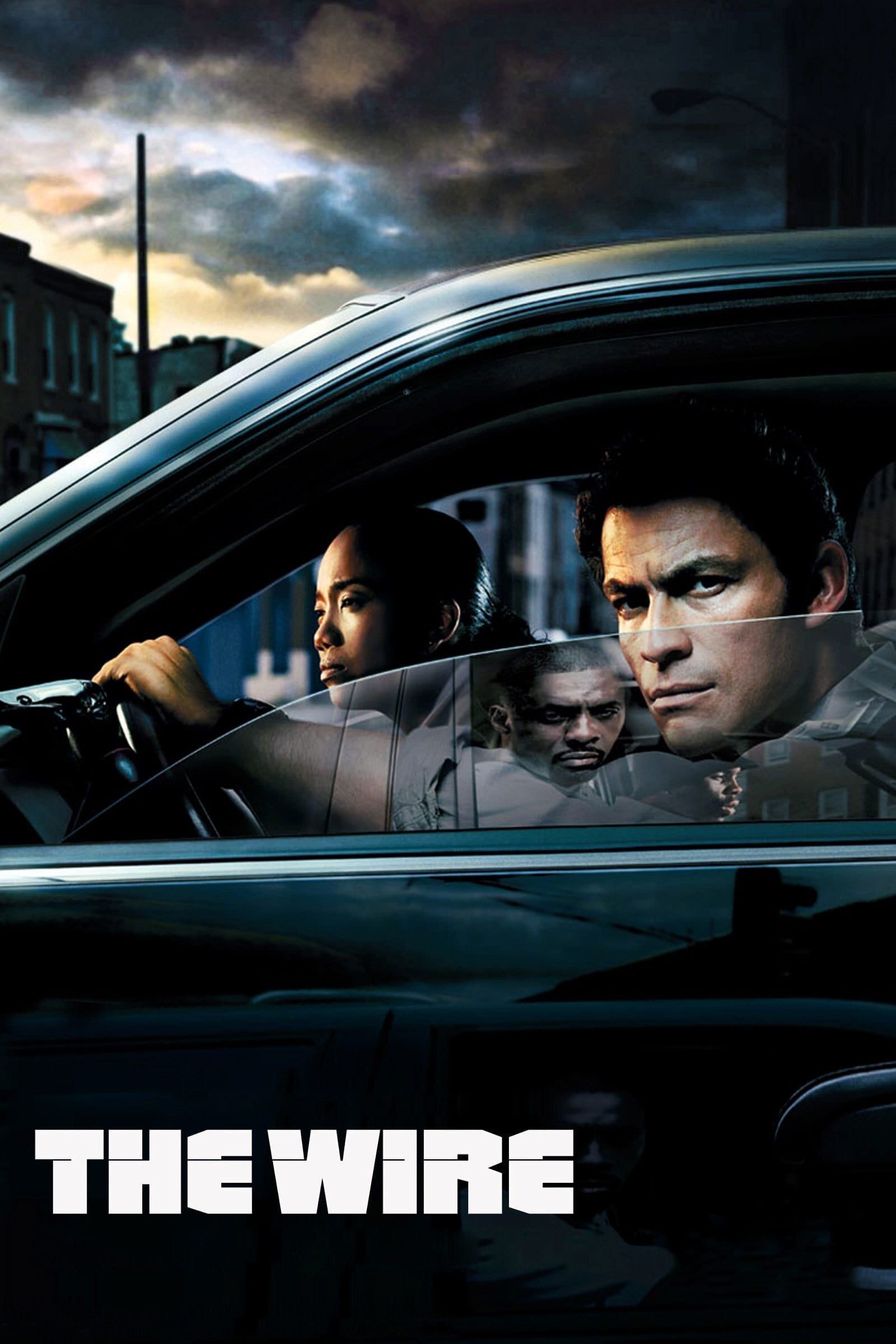
The Wire2002
Five seasons following Baltimore's drug trade, police, schools, and politics. It's the definitive portrait of institutional failure, showing how systems fail individuals. Dense, rewarding, essential.
But It requires commitment—sixty hours across five seasons, with a slow first season. The scale can be overwhelming, and it ends on moral bleakness that some find punishing rather than illuminating.
People
Cast
 Andy BeckwithNarrator