
Film
Vanya on 42nd Street
- Workplace drama
- Slow-burning
Louis Malle's film of a full rehearsal of Chekhov's Uncle Vanya, performed by a repertory company in a decaying New York theater. No costumes, minimal props, maximum humanity. It's a masterclass in how actors find depth through text alone. For anyone who's ever wondered what makes great acting great, or what Chekhov's still saying to us.
Should you watch it?
Watch it if you love theatre seen stripped bare, where a few actors in rehearsal clothes and a rundown room carry the full weight of a Chekhov play and you want to hear every line land.
Skip it if you want cinematic movement, locations and spectacle; this stays in one cramped, shabby space for its whole running time, and the talk-heavy Chekhov dialogue does not let up.
What it asks of you: It asks you to sit still for a full two hours of uninterrupted performance, with little visual variety, and to follow long stretches of slow, wry, mournful conversation.
Not sure? Find tonight's pick in a minute.
If you liked this
In the Mood for Love2000
Wong Kar-wai creates entire emotional worlds through composition, color, and restraint rather than plot mechanics. Like Vanya, it understands that what's unsaid often matters more than dialogue, and that cinema is about watching faces carefully.
But Almost nothing happens. If you need external action or plot momentum to stay engaged, the film's gorgeous stasis will feel precious and slow.

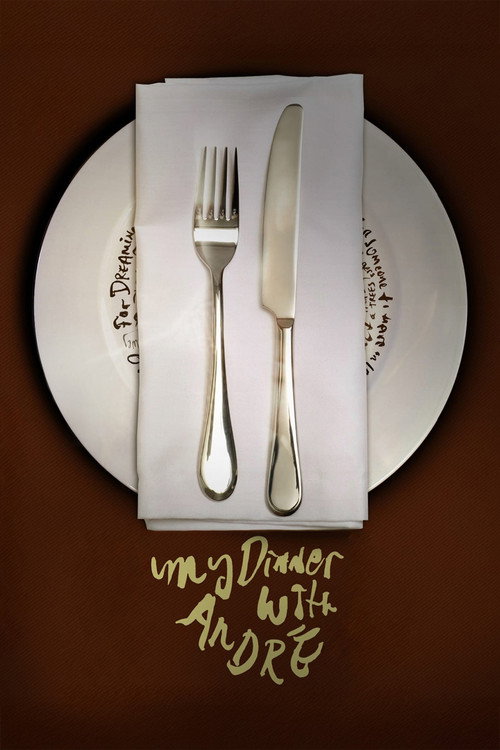
My Dinner with Andre1981
Two men talk in a restaurant for ninety minutes. It's hypnotic precisely because it trusts conversation and ideas completely. The same philosophy as Vanya—the performance and the words are everything; production design is almost irrelevant.
But If you prefer your cinema visual and kinetic, this is essentially a radio play shot from a table. Some find it profound; others find it insufferable.
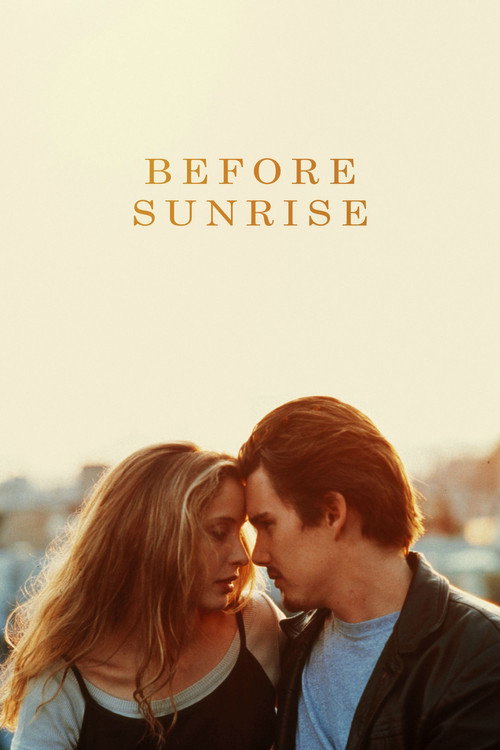
Before Sunrise1995
Linklater's real innovation: an entire film of two people talking and walking through Vienna. Character emerges through conversation, philosophy through flirtation. It trusts dialogue and performance the way Malle trusts Chekhov.
But Nothing is resolved. The film ends by walking away, which some experience as unsatisfying rather than poignant.
Not sure tonight? Get a pick in a minute, starting from Vanya on 42nd Street
The wildcard
Something you would not have found on your own.
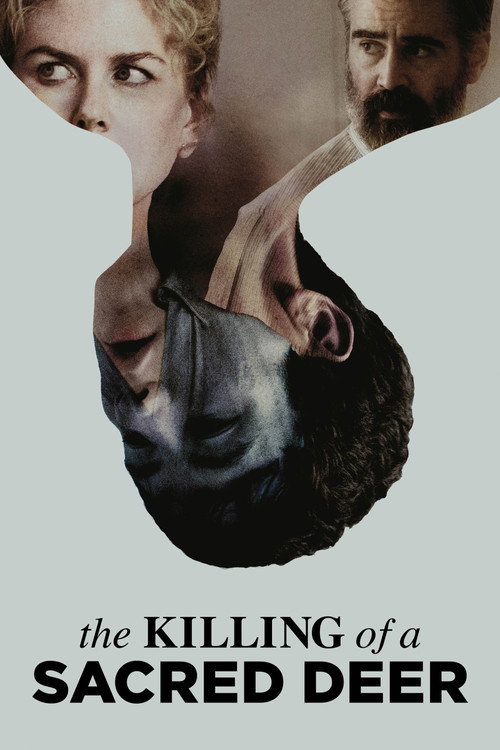
The Killing of a Sacred Deer2017
Both treat performance and theatrical artifice not as distancing but as essential tools for reaching raw emotional and moral honesty.
Yorgos Lanthimos stages moral anguish and family collapse with surgical precision. Like Vanya, it's about intelligent people caught in situations where goodness itself becomes impossible. It uses theatrical artificiality to reach emotional truth. The dialogue sounds almost Chekhovian in its precision.
But It's aggressively artificial—flat acting, weird blocking, peculiar sound design—in ways that some read as coldness rather than technique. The ending punishes you.
More like this (6)
Synecdoche, New York2008
Kaufman's fever dream about an actor building an increasingly complex and desperate replica of life inside a theater. Shares Vanya's obsession with performance as a way to understand truth, but explodes it into surrealism.
But It's genuinely maddening and depressing. The narrative spirals in ways that clarify nothing. Many viewers find it self-indulgent rather than profound.

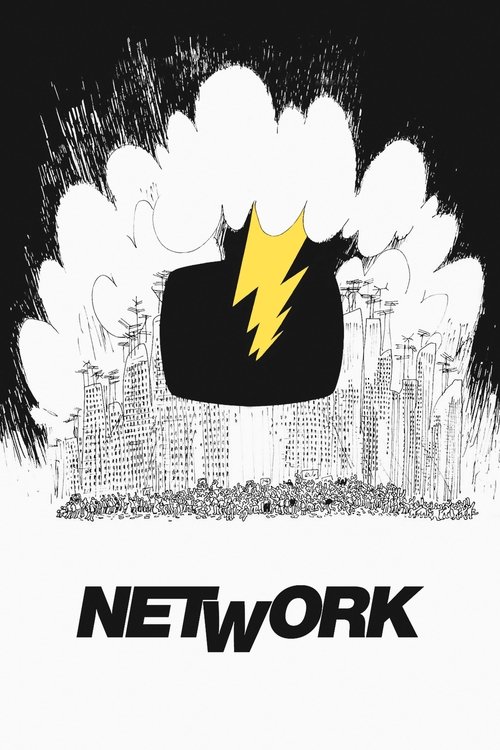
Network1976
Paddy Chayefsky's screenplay is a theatrical tour de force—characters speak in arias about capitalism, authenticity, and performance. It has Vanya's moral seriousness married to savage comedy and theatrical grandeur.
But It's a film about television made by people who despised television, which shows. The satire feels occasionally dated and the tone shift from drama to farce unsettles some viewers.
La Haine1995
A film of extraordinary moral clarity set in a decaying banlieue. Like Vanya, it finds the profound in a limited space and ordinary people. Shot in black and white with the kind of camera work that makes you see differently.
But It's bleak, violent, and uncompromising about class and police brutality. Not a film for escape or comfort; it demands something from you.

Stalker1979
Tarkovsky's three men on a philosophical journey through a mysterious zone. Long, contemplative, built from conversation and moral questioning. Cinema as a space for thought rather than sensation.
But It moves at Tarkovsky's deliberate pace, which is glacial. The metaphysics are opaque. For many viewers, this is the definition of difficult cinema.

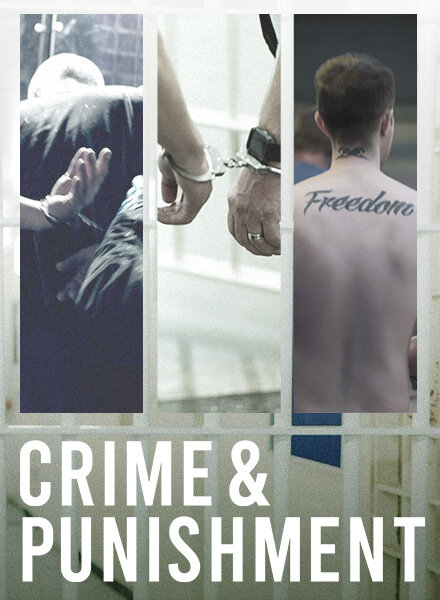
Crime and Punishment2019
Both are adaptations of Russian literature that trust the source text completely and believe cinema's job is to illuminate character and moral philosophy, not to 'open up' the material.
A BBC television adaptation that treats Dostoevsky with the same reverence Malle showed Chekhov. It understands that psychological depth in literature requires performance depth, not visual tricks. Shot simply, performed brilliantly, utterly gripping.
But It's an older TV production with BBC-era production values. Some find period television acting styles mannered rather than naturalistic. At four hours, it's a commitment.
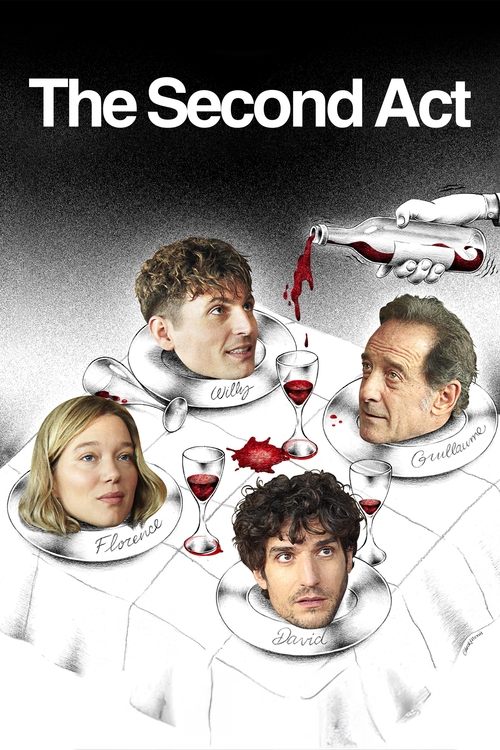
The Second Act2024
Both love the theater with an uncynical eye. Both understand that the work of making meaning through performance, without illusions, is beautiful in itself.
A French documentary following a repertory production of Molière's The Second Act, rehearsing and performing in a small theater. It's a mirror held up to what Malle was filming. The joy, exhaustion, and collective intelligence of ensemble acting captured with absolute tenderness.
But It's a documentary about people rehearsing a play. If you found Vanya's rehearsal setting dry, this is more of the same thing, just real.
People
Cast
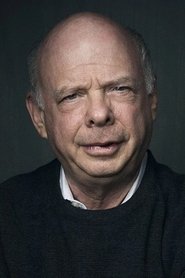 Wallace ShawnVanya
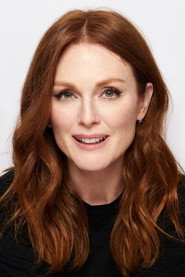 Julianne MooreYelena
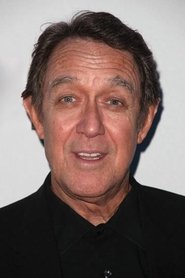 Larry PineDr. Astrov
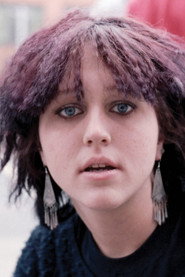 Brooke SmithSonya
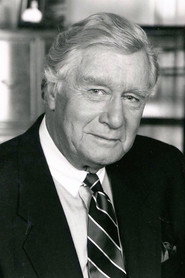 George GaynesSerybryakov
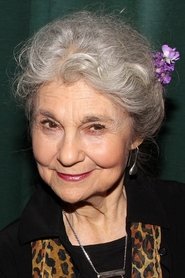 Lynn CohenMaman
- Phoebe BrandNanny
- Jerry MayerWaffles
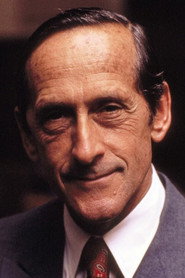 Andre GregoryHimself
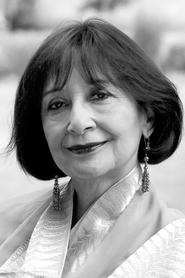 Madhur JaffreyMrs. Chao
Directing
- Louis MalleDirector
- Gary MarcusFirst Assistant Director
Writing
- Andre GregoryScreenplay
- David MametScreenplay
- Anton ChekhovTheatre Play
Production
- Fred BernerProducer