
Film
The Prosecutor, the Defender, the Father and his Son
A Bosnian war crimes trial at The Hague becomes a personal reckoning when a young man emerges as the prosecutor's key witness—claiming to be the abandoned child of the accused commander. Shot as hybrid documentary-drama, it observes how courtroom strategy meets the gravity of lived trauma, asking whether legal victory and moral truth can ever occupy the same space.
Should you watch it?
Watch it if you are drawn to the slow machinery of a legal case, and you don't mind a story that asks you to doubt your own certainty about who is guilty.
Skip it if you need action or the war itself on screen, since this stays in rooms and conversations and moves at a deliberate pace.
What it asks of you: Long stretches of testimony and quiet reflection run across a single hour and forty-five minutes, so it rewards steady, unhurried attention rather than rapid-fire engagement.
Not sure? Find tonight's pick in a minute.
If you liked this
Spotlight2015
A procedural about institutional accountability that trusts the audience's intelligence. Like The Prosecutor, it shows how meticulous investigation and human testimony eventually overwhelm denialism and legal maneuvering.
But It's a well-made ensemble piece about journalism, not a thriller. Patience required; vindication arrives quietly.

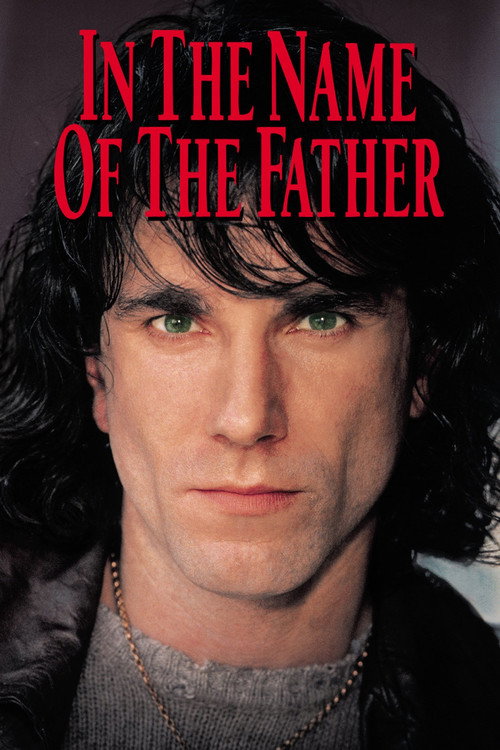
In the Name of the Father1993
Gerry Conlon's fight against his own father—and against a corrupt system—while imprisoned for an IRA bombing he didn't commit. It mirrors the film's exploration of how the innocent can be destroyed by institutional machinery.
But The emotional core is harrowing. Watching an innocent man's life disintegrate is difficult, even when justice eventually arrives.
The Act of Killing2012
A documentary where Indonesian death-squad leaders reenact their own atrocities, forcing them—and us—to confront the gap between perpetrators' self-image and reality. Both films explore how testimony and performance shape a trial's truth.
But Morally vertiginous and deeply uncomfortable. The methodology is provocative in ways some viewers will find troubling.

Not sure tonight? Get a pick in a minute, starting from The Prosecutor, the Defender, the Father and his Son
The wildcard
Something you would not have found on your own.
Come and See1985
Both use young witnesses to document horror and ask what moral clarity is possible after mass atrocity.
Elem Klimov's unflinching portrait of a Belarusian boy conscripted into WWII, witnessing atrocities that destroy his capacity for innocence. Both films are about how war conscripts children and asks whether testimony or survival is even possible.
But One of cinema's most harrowing films. Graphic violence, psychological devastation, and a ending that doesn't offer catharsis. Not to be watched casually.

More like this (8)
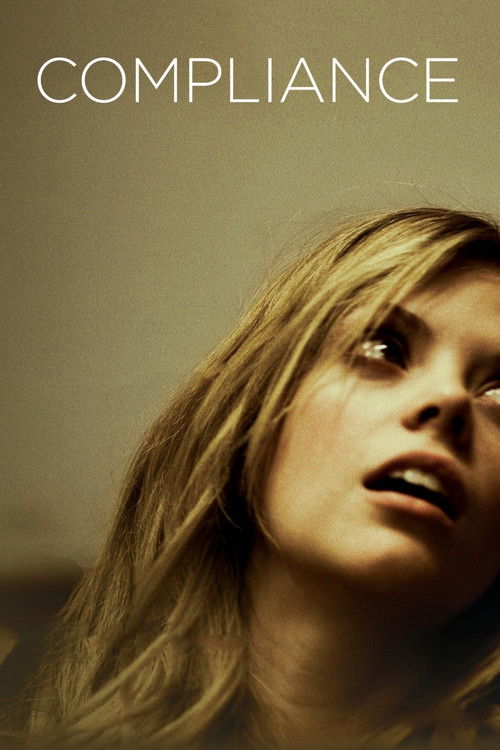
Compliance2012
An ordinary fast-food manager is manipulated by a supposed authority figure into abusing an employee. It's a forensic study of how systems override conscience, much like the trial's exposure of institutional blindness.
But Based on true events, it's infuriating to watch. The casual cruelty is designed to make you squirm.
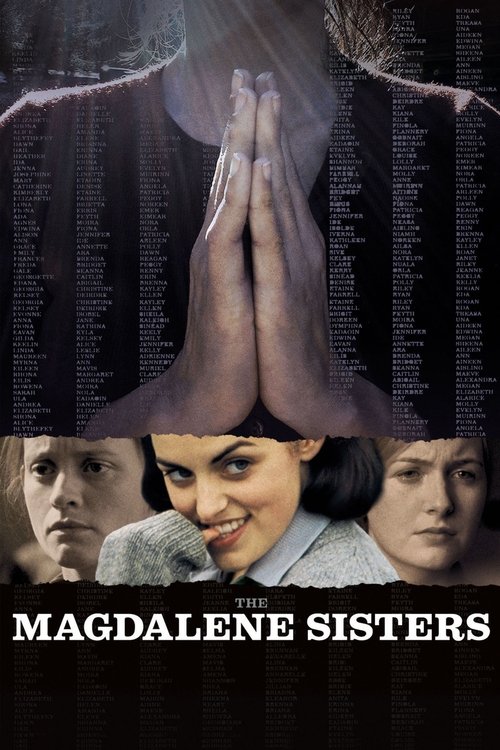
The Magdalene Sisters2002
An Irish institutional horror film rooted in documentary fact. Like The Prosecutor, it examines how power structures protect themselves and how survivors' testimonies eventually crack the facade.
But Unrelentingly bleak. The abuse depicted is graphic and the system's complicity feels suffocating throughout.
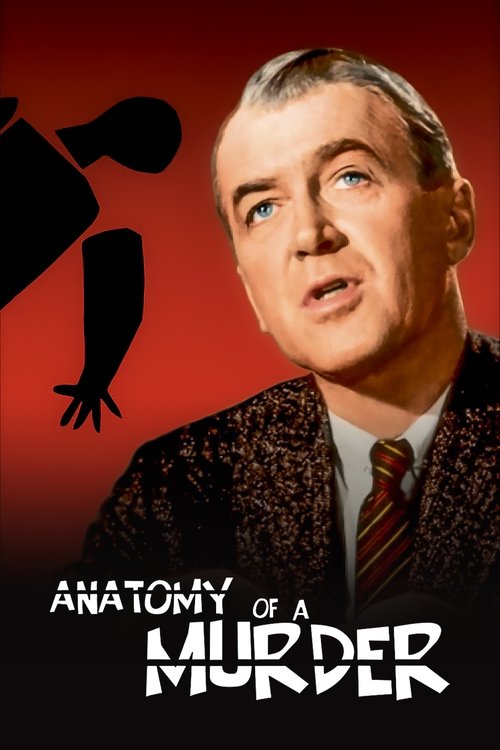
Anatomy of a Murder1959
A courtroom classic that foregrounds how testimony—its presentation, its credibility, its emotional weight—decides innocence and guilt. The film trusts language and argument to carry moral complexity.
But Leisurely paced by modern standards. The trial unfolds slowly, with long stretches of legal procedure rather than dramatic beats.
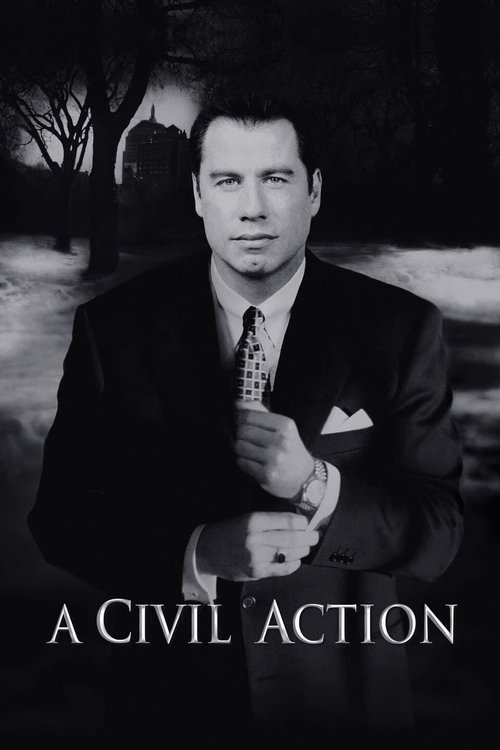
A Civil Action1998
A lawyer pursuing corporate polluters who harmed a community discovers the gap between legal victory and justice. It shares The Prosecutor's skepticism about whether courts can truly remedy institutional harm.
But Long and procedurally dense. The outcome may feel morally unsatisfying, which is partly the point but a hard sell for entertainment.
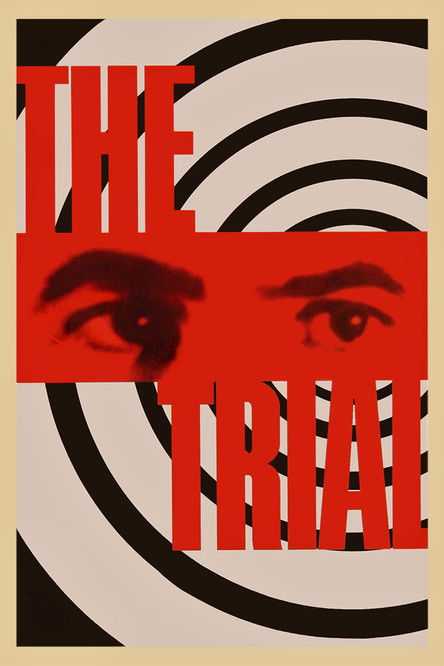
The Trial1962
Orson Welles's Kafkaesque adaptation about a man destroyed by an opaque, impersonal bureaucracy. Both films capture the terror of being caught in systems that operate by their own logic, indifferent to human reality.
But Deliberately disorienting and nightmarish. It's formally strange and can feel distant rather than gripping.
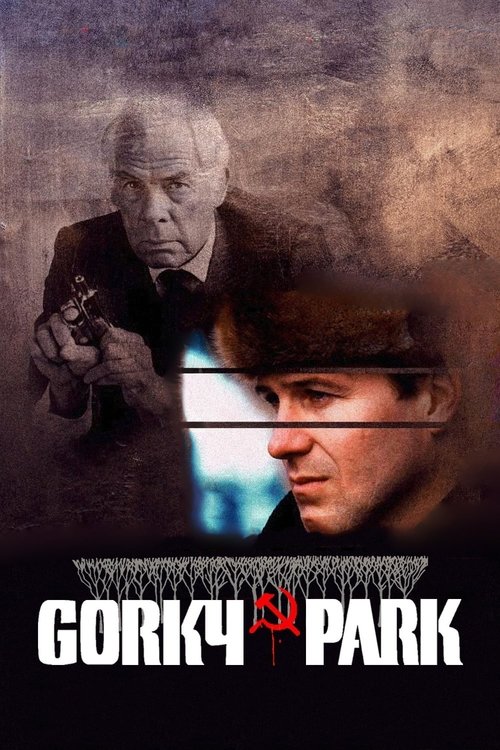
Gorky Park1983
A Soviet-set detective thriller where a Moscow cop pursues a case through institutional corruption and ideological barriers. It's a genre film that, like the documentary-drama hybrid here, mixes investigation with Cold War moral ambiguity.
But Dated spy-thriller machinery. The 1980s aesthetic and some plot turns feel quaint now, which undercuts the tension.
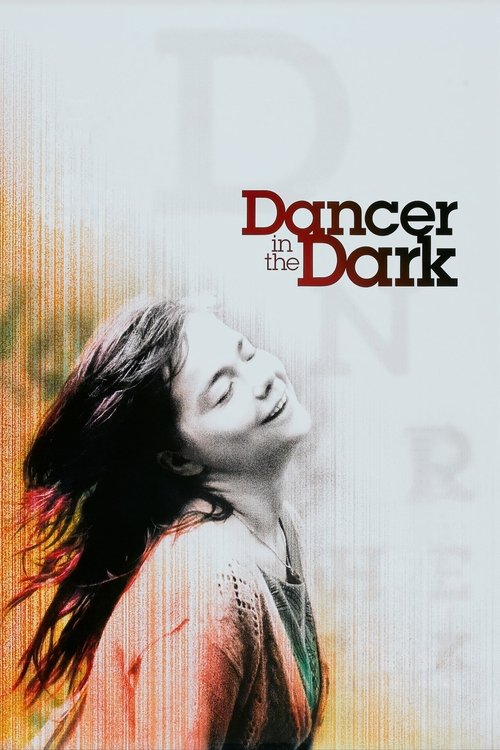
Dancer in the Dark2000
Both examine how the courtroom forces lived experience into language and verdict, and how that process can erase the defendant's humanity.
Lars von Trier's musical tragedy about a woman on trial for murder, centred on testimony and the gap between public judgment and private suffering. Like The Prosecutor, it's about how courts render human complexity into legal abstraction.
But A musical that becomes an execution. Tonally dissonant and designed to devastate rather than console. Björk's performance is brilliant and almost unwatchable.
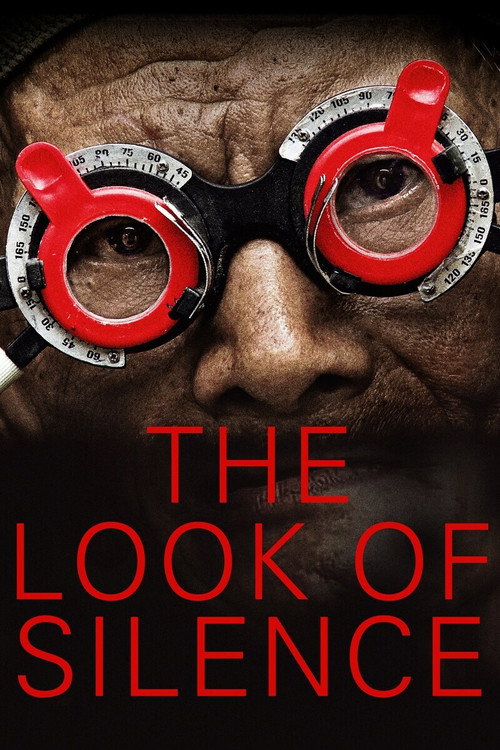
The Look of Silence2014
Both centre a single witness's testimony and what happens when that testimony meets institutional or personal refusal to acknowledge guilt.
Joshua Oppenheimer's documentary following an Indonesian man confronting the perpetrators and enablers of his brother's 1965 murder. Like The Prosecutor, it's a portrait of testimony's moral weight—but here the witness is seeking truth, not prosecution.
But It's a slow, intimate film with long silences. Answers don't come; the film is about asking questions of people who'd rather forget. Patience required; catharsis unlikely.
People
Cast
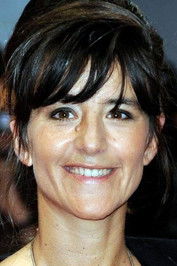 Romane BohringerProsecutor Catherine Lagrange
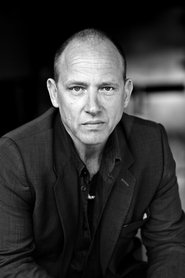 Samuel FrölerDefender Michael Finn
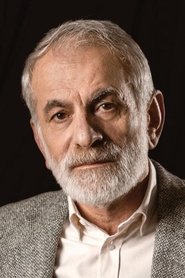 Izudin BajrovićDeyan's Father
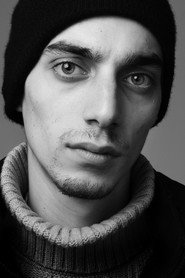 Ovanes TorosianDeyan - Miro
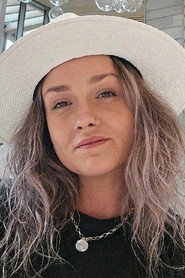 Nermina LukačJasna
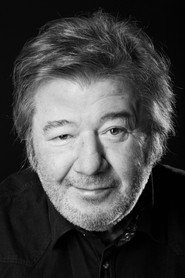 Krasimir DokovMilorad Krstic
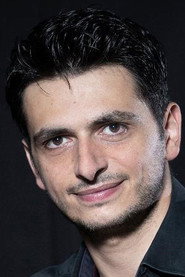 Igor ŠkvaricaThe ICTY Interpreter
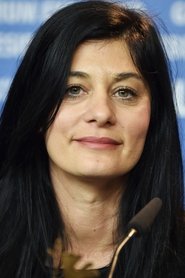 Labina MitevskaDeyan's Mother
Directing
- Iglika TriffonovaDirector
Writing
- Iglika TriffonovaWriter
Production
- Petra GoedingsProducer
- Rossitsa ValkanovaProducer
- Ulf SynnerholmProducer