
Film
Night Falls on Manhattan
A newly minted DA navigates the seductive machinery of ambition when a corruption investigation threatens to expose his own father. Sidney Lumet's taut procedural examines how proximity to power corrupts judgment, shot with the crisp precision of 1970s thrillers but set in a world where everyone has something to lose. For viewers who want moral complications over heroics.
Should you watch it?
Watch it if you like slow-burning legal and moral pressure, where a decent man's loyalties slowly curdle and the corruption is more about family than gunfights.
Skip it if you want brisk action or a tidy thriller, since this is talky and deliberate, living in conversations and family rows far more than in the street.
What it asks of you: Just under two hours of unhurried build, with a dark, weighty tone and steady attention needed to track who is loyal to whom.
Not sure? Find tonight's pick in a minute.
If you liked this
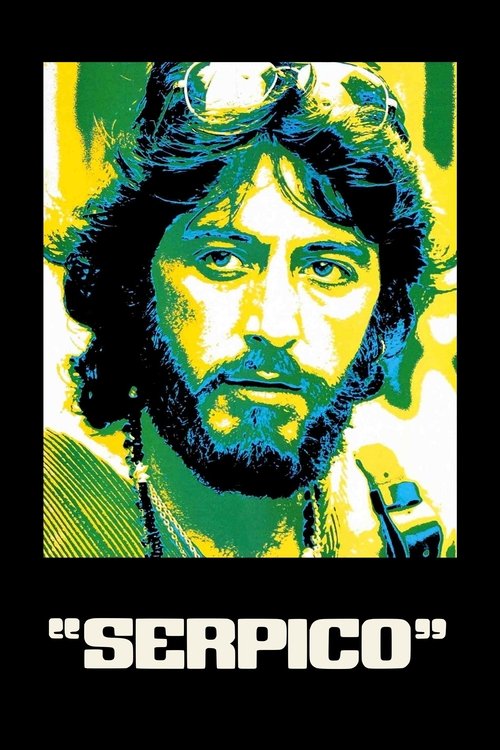
Serpico1973
Al Pacino as a cop refusing to bend in a corrupt system. Lumet's earlier masterpiece on the same territory—how institutions grind down integrity—with documentary urgency and genuine outrage.
But The pacing is deliberately unglamorous. Long stretches of bureaucratic procedure before the drama breaks, which tests patience.
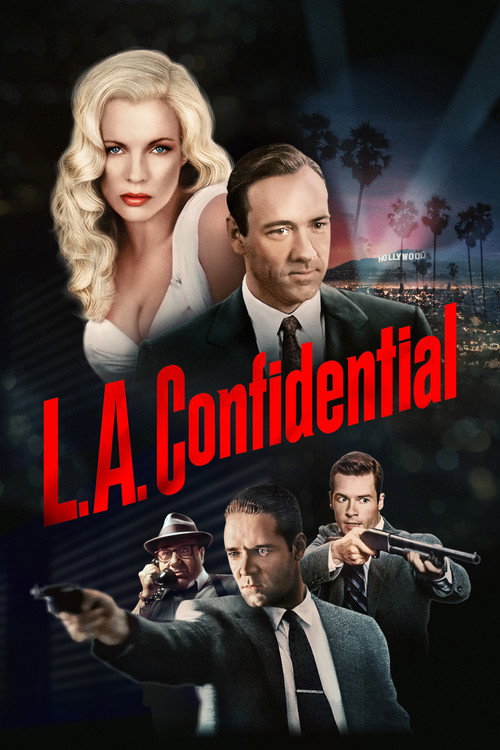
L.A. Confidential1997
Corrupt cops in 1950s Los Angeles, where every protagonist is complicit to some degree. Beautifully made and thrillingly plotted, with the same moral vertigo—no one to trust, everyone with an angle.
But It's a genre exercise that prioritizes style and momentum over the deeper discomfort that Lumet chases. Easier to watch, less lingering.
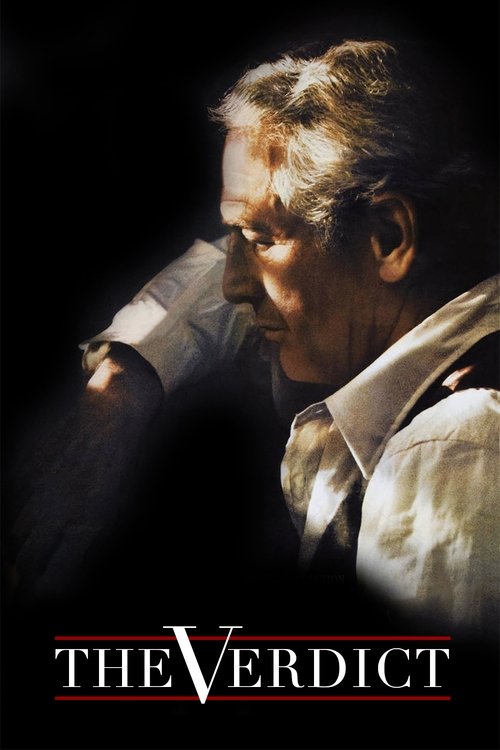
The Verdict1982
Paul Newman as a washed-up lawyer taking on institutional corruption. Lumet again, examining how systems protect themselves and how individuals fall into complicity. Slow and genuinely suspenseful.
But It's methodical to the point of grimness. Lumet doesn't offer release, just the patient accumulation of evidence and moral weight.
Not sure tonight? Get a pick in a minute, starting from Night Falls on Manhattan
The wildcard
Something you would not have found on your own.
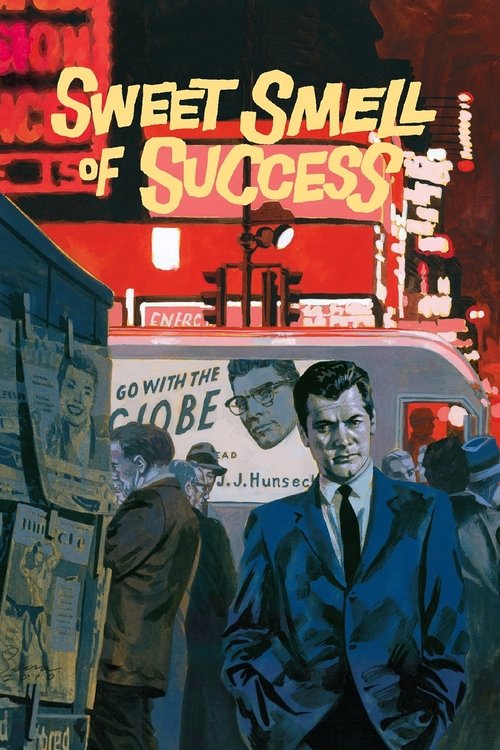
Sweet Smell of Success1957
Both chart the specific moment when an ambitious man realizes he's already compromised beyond recovery, before he even acts. The corruption precedes the crime.
A press agent and columnist destroy each other in a spiral of blackmail and betrayal. Decades earlier, Lehman and Mackendrick nailed the same rot—how ambition and access corrupt judgment, shot in vicious black-and-white. The DNA of every corrupt-institution thriller.
But The dialogue is baroque and sometimes hard to parse. It's a b-movie stylist's masterpiece, not a straightforward narrative. Requires active listening.
More like this (8)
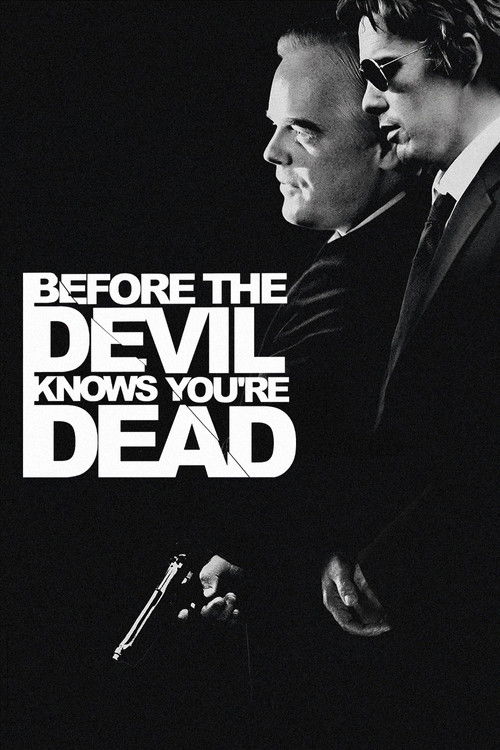
Before the Devil Knows You're Dead2007
Lumet's late masterpiece about a botched robbery and the lies that follow. Alternates timelines with fractured chronology to trap you in moral confusion. His most bitter film about how easily good men rationalize ruin.
But Philip Seymour Hoffman and Ethan Hawke's desperation becomes claustrophobic and bleak. There's real ugliness here, not catharsis.
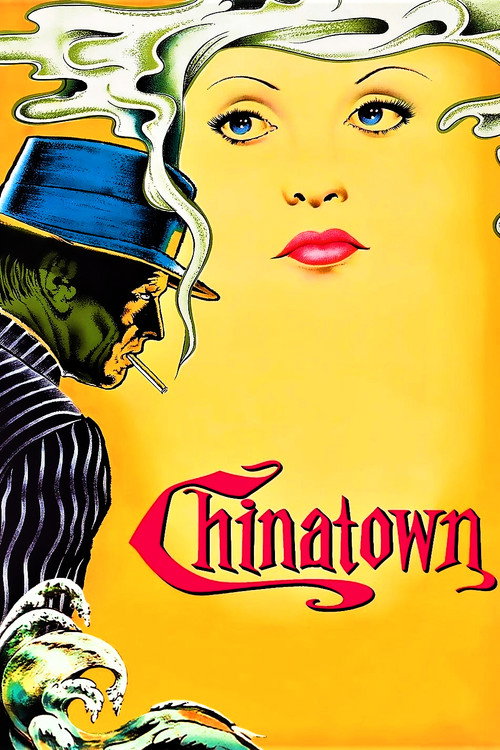
Chinatown1974
A private detective uncovers a conspiracy that reaches into the city's power structure. The gold standard for how corruption corrupts the investigator. Every frame is measured and dread-soaked.
But Jack Nicholson's famous nose-slashing scene disturbs some viewers. The ending is deliberately defeatist—corruption wins, and the movie doesn't console you about it.
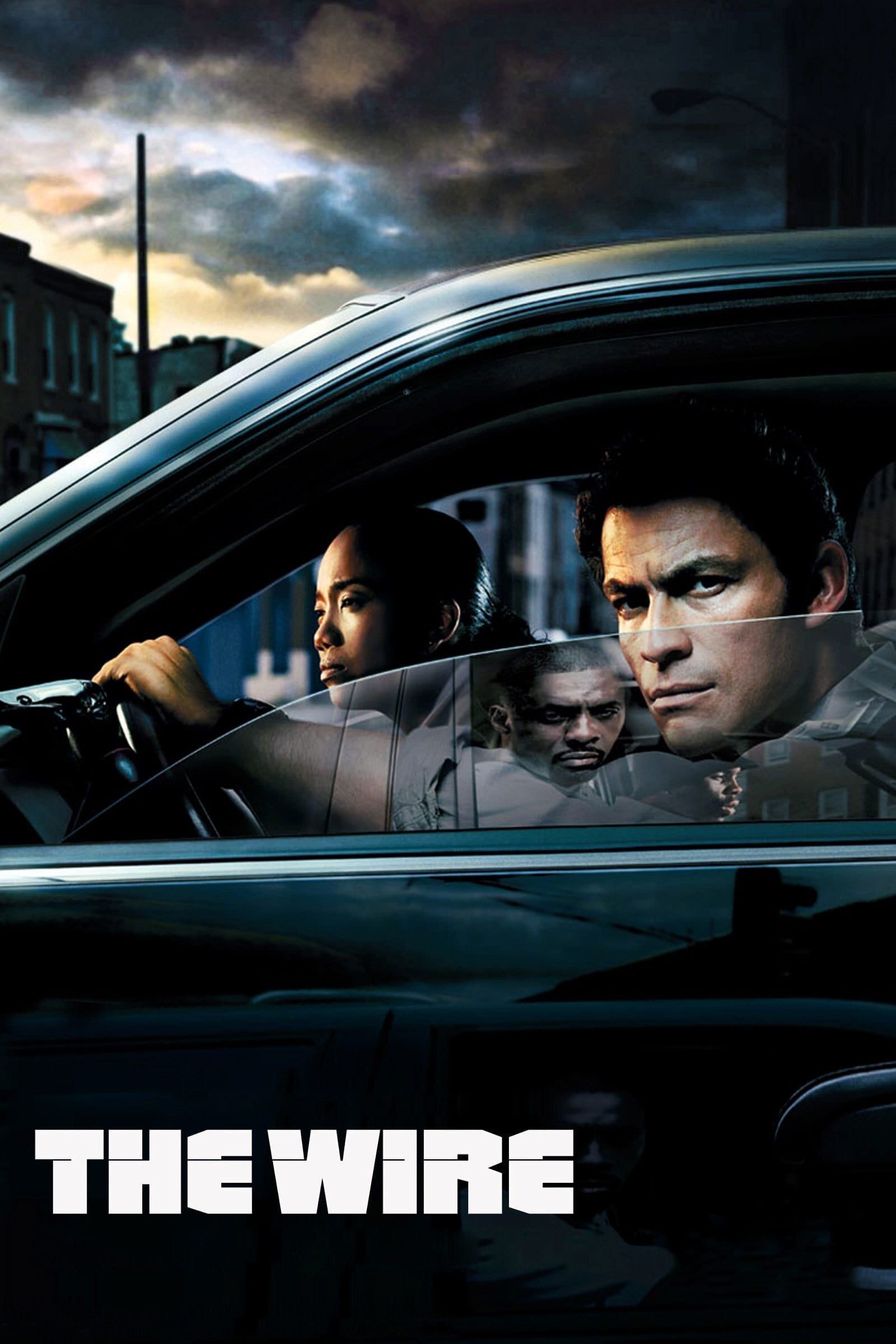
The Wire2002
Five seasons examining how institutions—police, politics, drugs, schools, media—systemically fail. You'll recognize the moral exhaustion and institutional rot that Night Falls sketches in two hours.
But It demands commitment. The first season is deliberately slow and pattern-establishing. You have to meet it halfway before it pays off.
Spotlight2015
Journalists investigating institutional cover-up of abuse. Like Night Falls, it's about how power protects power and how investigation itself becomes personal and dangerous.
But It's procedural and earnest rather than thrilling. Some find the pacing deliberate to the point of dullness.

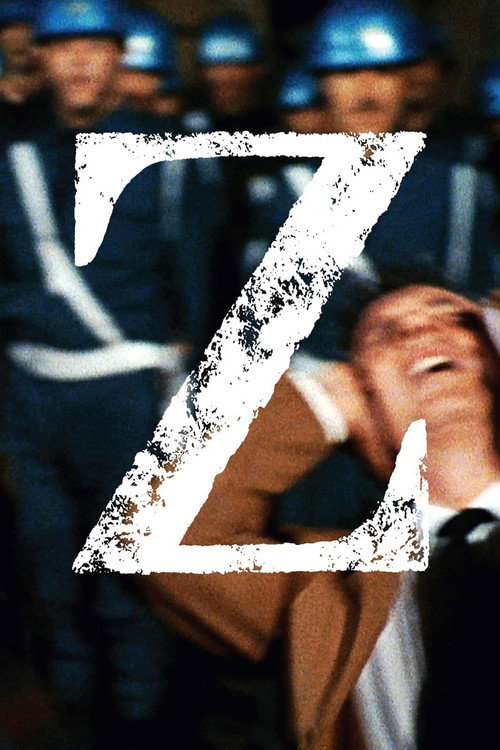
Z1969
A political thriller about an assassination and the state apparatus that tries to bury it. Frenetic, angry, shot through with genuine political dread. Teaches you how to make conspiracy feel immediate.
But It's French-Algerian and very much a 1960s political artifact. The style doesn't age as gracefully as Lumet's work, and topical anger can feel remote.
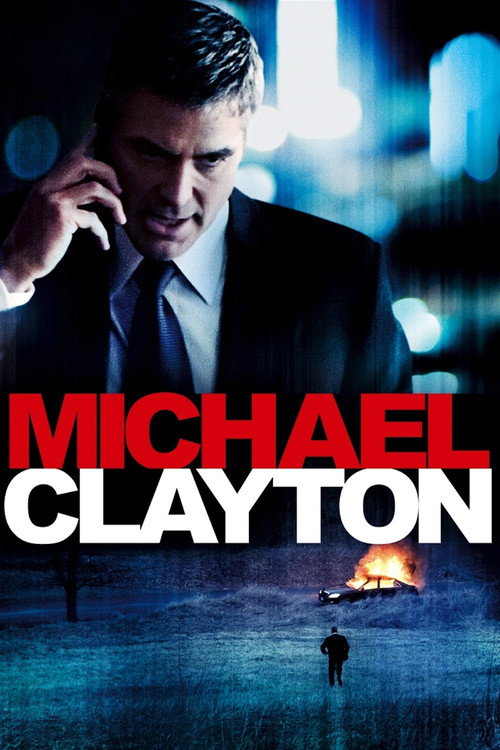
Michael Clayton2007
A fixer for a law firm discovers his world is built on concealment. Methodical corporate thriller that echoes Lumet's precision about how institutions function and how individuals become expendable.
But George Clooney is remarkably restrained, which some viewers find passive. It's cerebral rather than visceral, and the climax is quiet.
Man Push Cart2006
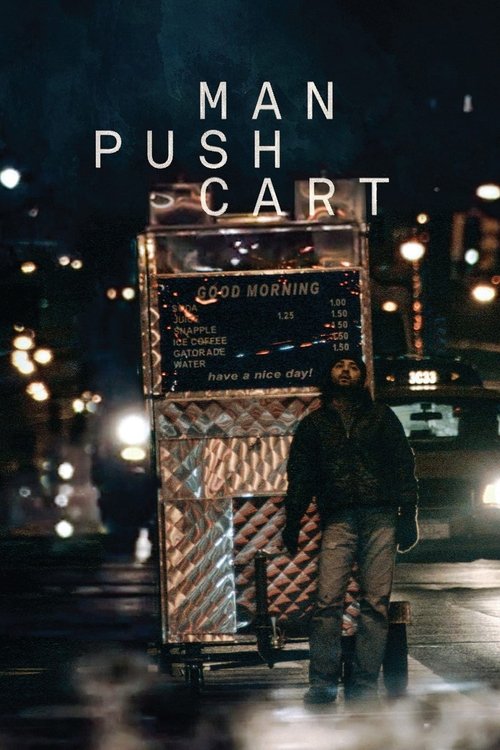
Both examine how institutions and systems—not evil men, but systems—make complicity inevitable. Night Falls is procedural thriller; this is neorealist elegy. Same moral exhaustion, different register.
A Pakistani immigrant in New York runs a hot dog cart in dawn hours, studying economics, trying to escape. Ramin Bahrani's neorealist film watches accumulated small humiliations and systemic indifference. No villains, just systems that grind people down.
But It's quiet and unglamorous to the point of punishing. Nothing happens; degradation accrues. Shot on DV in the early 2000s, which can look austere. Very slow.
The Insider1999
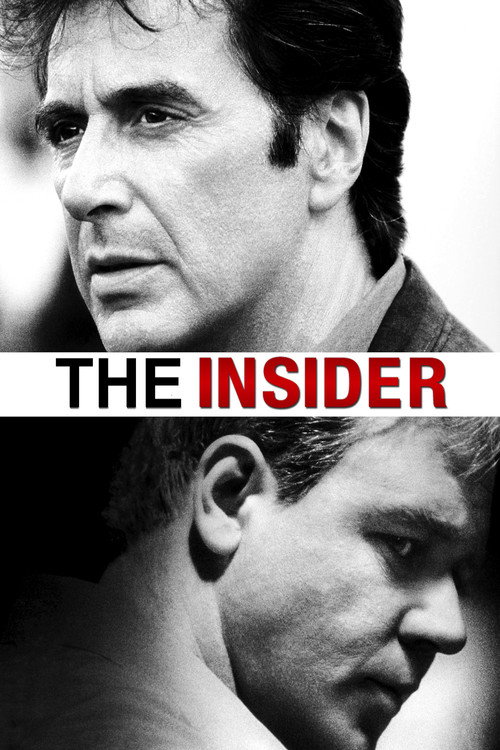
Both are about men trying to do the right thing and discovering the system is rigged before they're even in the fight. Night Falls: thriller grammar. The Insider: operatic scope. Same betrayal, different pitch.
A whistleblower from Big Tobacco and a 60 Minutes producer take on institutional power. Mann's three-hour examination of how corruption operates within law, how systems protect themselves, how speaking truth costs everything. Operatic, furious, beautifully shot.
But Michael Mann's direction is deliberately baroque and sometimes self-indulgent. At nearly three hours, it sprawls. Russell Crowe's character is often unlikeable and his performance can feel mannered.
People
Cast
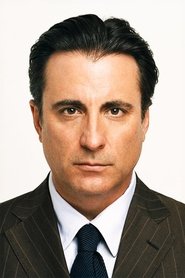 Andy GarciaSean Casey
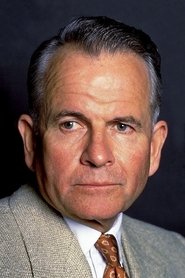 Ian HolmLiam Casey
 James GandolfiniJoey Allegretto
 Lena OlinPeggy Lindstrom
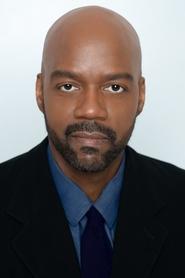 Shiek Mahmud-BeyJordan Washington
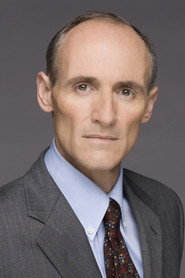 Colm FeoreElihu Harrison
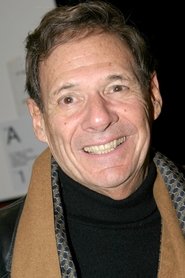 Ron LeibmanMorgenstern
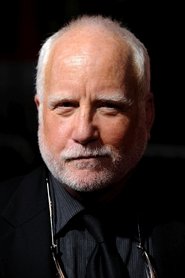 Richard DreyfussSam Vigoda
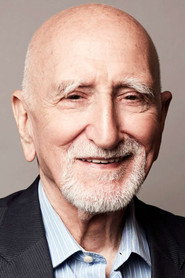 Dominic ChianeseJudge Impelliteri
 Paul GuilfoyleMcGovern
 Bonnie RoseInstructor
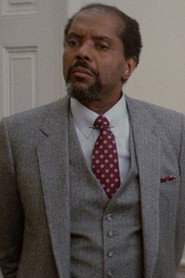 Norman MatlockDetective
Directing
- Sidney LumetDirector
- David SardiFirst Assistant Director
- Martha PinsonScript Supervisor
- Maggie MurphySecond Assistant Director
- Jeffrey T. BernsteinSecond Second Assistant Director
Writing
- Robert DaleyNovel
- Sidney LumetScreenplay
Production
- Trish AdlesicAssistant Location Manager
- Peter Sobich Jr.Assistant Production Coordinator
- Billy HopkinsCasting
- Kerry BardenCasting
- Suzanne Smith CrowleyCasting
- Jennifer McNamaraCasting Associate
- John H. StarkeCo-Producer
- Pat DistefanoExtras Casting
- Brett BotulaLocation Manager
- Josh KramerProducer
- Thom MountProducer
- Monica LevinsonProduction Coordinator
- Keri LedermanProduction Secretary
- Celia D. CostasUnit Production Manager