
Film
Stay
Other titles called Stay: the 2020 film.
- Psychological thriller
- Mystery
- Very dark
Stay is a hallucinogenic puzzle-box thriller about a psychiatrist chasing a patient through a collapsing reality. Marc Forster spins a narrative where nothing holds still—locations shift, timelines tangle, physics bends—and you're constantly unsure what's real or remembered. It's hypnotic and deliberately disorienting. For viewers who want to be bewildered in the best way, who loved Mulholland Drive or Memento, or who simply want a film that rewards rewatching.
If you liked this
Mulholland Drive2001
David Lynch's L.A. noir dissolves into dreamlogic halfway through, leaving you piecing together what was real. Like Stay, it trusts you to live in ambiguity and rewards fractured viewing.
But It's three hours, cryptic by design, and some viewers find it frustrating rather than fascinating. You need patience and appetite for mystery.

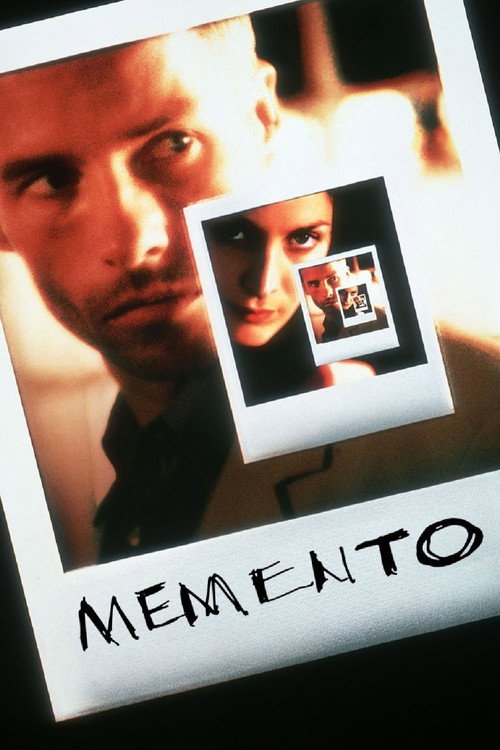
Memento2000
Christopher Nolan builds suspense from unreliable memory, telling a story backward while the protagonist can't hold onto the present. Same destabilizing energy as Stay's collapsing reality.
But The backward structure can feel gimmicky on first watch. Some find the emotional core thin beneath the puzzle.
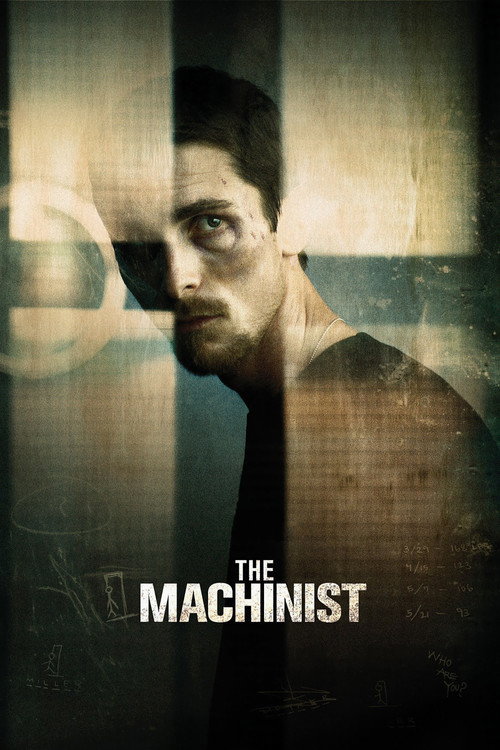
The Machinist2004
Christian Bale plays an insomniac unraveling in a factory town. Like Stay, reality fractures and you can't trust what you're seeing. Tense, suffocating, and perfectly calibrated.
But It's bleak and repetitive by design. Bale's physical transformation dominates the screen in a way that some find distracting.
Not sure tonight? Get a pick in a minute, starting from Stay
The wildcard
Something you would not have found on your own.
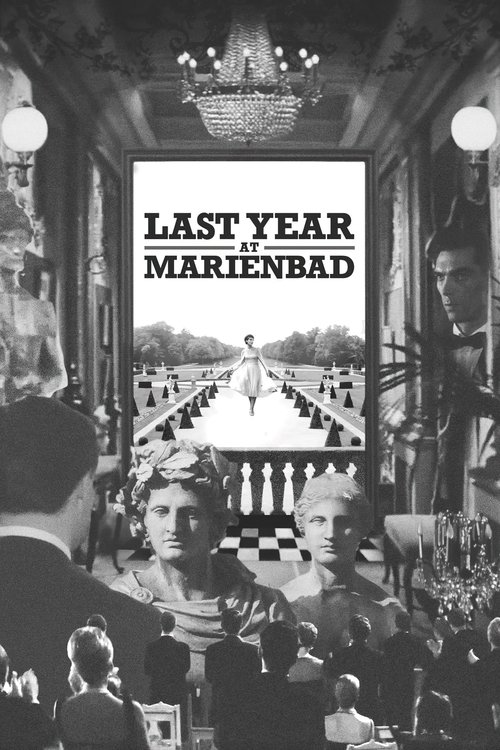
Last Year at Marienbad1961
Both films treat memory and reality as infinitely malleable architecture. Resnais proved you could build suspense from metaphysics rather than plot.
Alain Resnais made a film about memory as a constructed space—where conversations loop, rooms repeat, and truth dissolves. It invented this language fifty years before Stay. Essential ancestor material.
But It's black-and-white, deliberately paced to feel glacial, and speaks in riddles. Modern audiences expecting narrative momentum will find it punishing.
More like this (8)
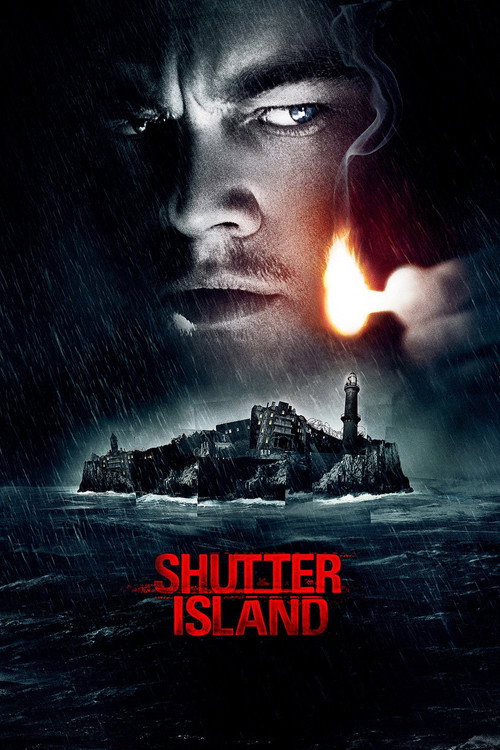
Shutter Island2010
Scorsese and DiCaprio build dread on a rock island where nothing adds up. The interrogation of memory and sanity mirrors Stay's central spiral.
But The twist is guessable, and once you see it coming, the pacing sags. It doesn't hold mysteries as gracefully on rewatch.
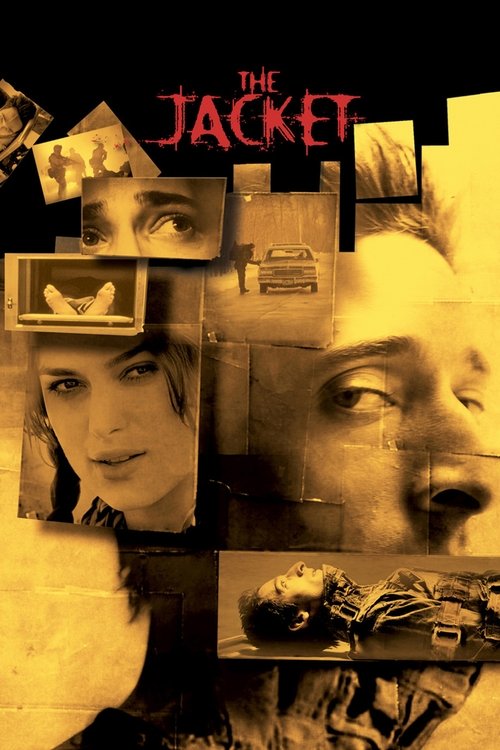
The Jacket2005
Adrien Brody slides between time and mental institutions in a film where interior and exterior reality become indistinguishable. Released the same year as Stay with similar fractured psychology.
But It's slower and more meditative than thrilling. Some viewers want clearer answers than it provides.
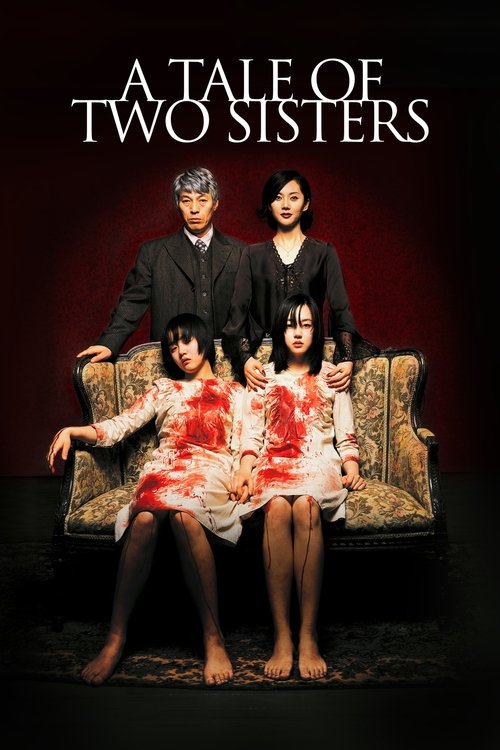
A Tale of Two Sisters2003
A South Korean horror film where domestic dread and psychological unraveling blur together. Visually inventive and disorienting in ways Stay aspires to—grief and delusion fold into each other.
But It's oblique and won't explain itself. The horror is more atmospheric than plot-driven, which frustrates viewers wanting clarity.
Synecdoche, New York2008
Charlie Kaufman's maze of nested realities: a director loses track of what's his life and what's his art. Like Stay, it asks whether consciousness itself is stable.
But It's exhausting. Deliberately so. Some will find it self-indulgent rather than profound.

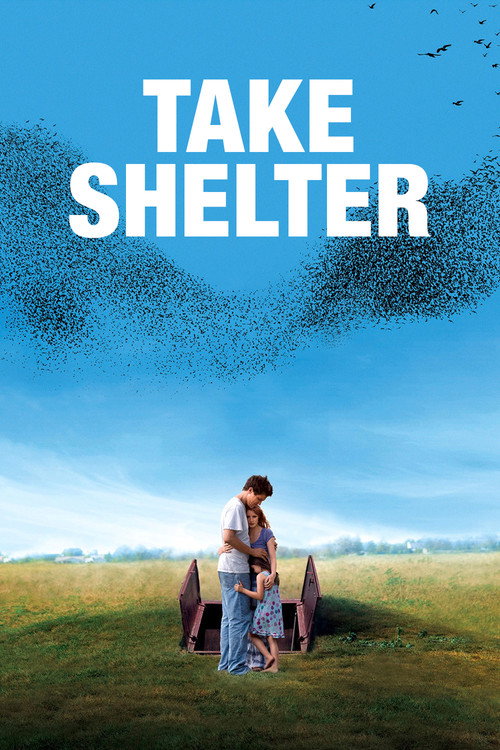
Take Shelter2011
Michael Shannon's man builds a bunker because he's haunted by apocalyptic dreams. The uncertainty—is he prophet or psychotic?—drives everything, much like Stay's ambiguity.
But It moves slowly and the threat remains abstract. Viewers wanting concrete horror or action will lose patience.
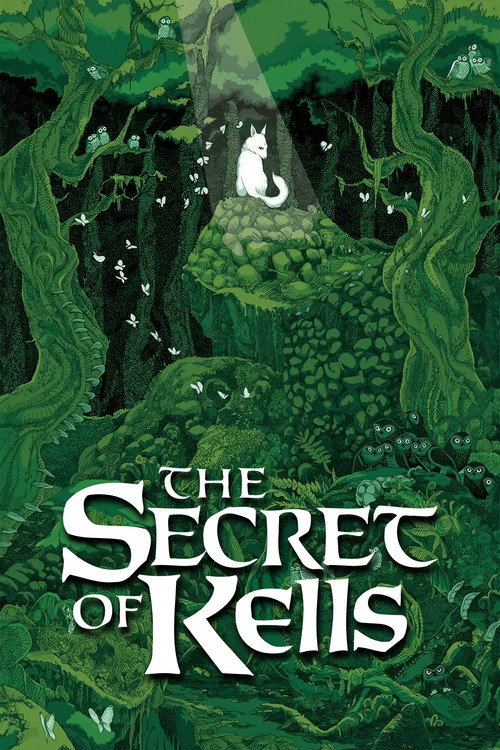
The Secret of Kells2009
An animated film where childhood memory and folklore merge in gorgeous, impossible architecture. It captures Stay's sense of reality bending around perception.
But It's a children's film (nominally), so some viewers expect different things. The visual density can overwhelm rather than clarify.
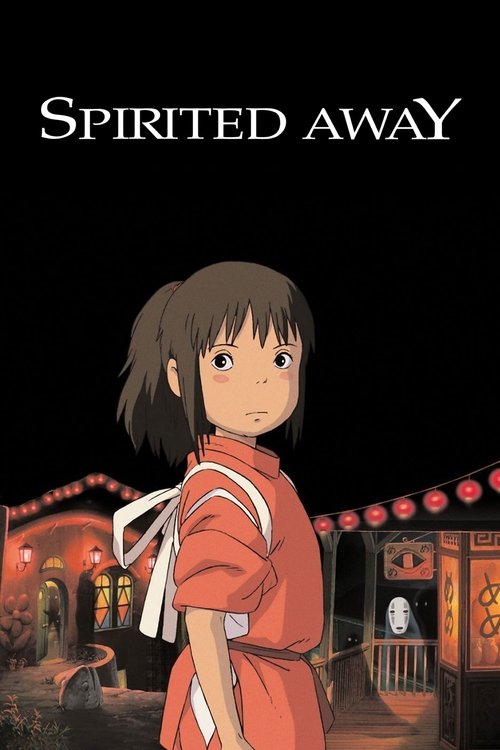
Spirited Away2001
Both trap protagonists in realities that don't obey rational laws. Both ask what remains of the self when the world becomes untethered.
Miyazaki's animated world operates on dream logic—geography shifts, time pools, and identity becomes negotiable. The visual language is utterly different from Stay, but the disorientation is identical.
But It's animated and often shelved as family film. Some viewers won't grant it the psychological weight it deserves, or will expect whimsy over unease.
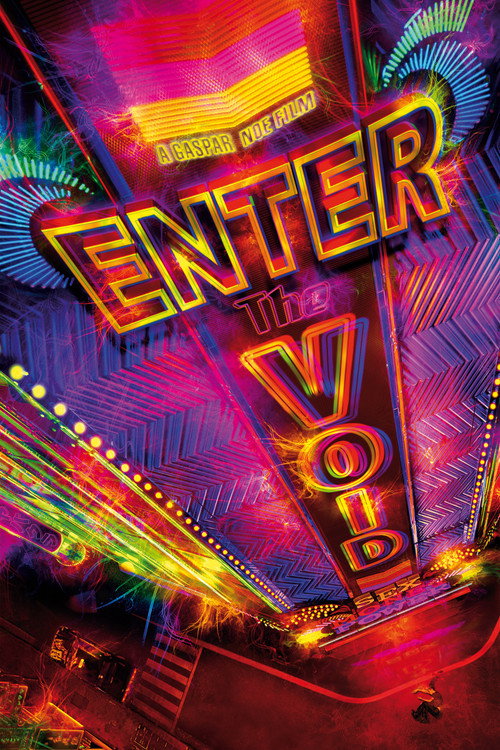
Enter the Void2010
Both films locate the viewer inside fractured consciousness, making the medium itself become part of the disorientation. Both ask you to experience rather than understand.
Gaspar Noé makes a two-hour hallucination shot from a ghost's perspective after death in Tokyo. Visual style completely different from Stay, but it's the closest thing to watching consciousness itself dissolve into abstraction.
But It's aggressively experimental—strobe effects, first-person disorientation, long neon sequences. Designed to be difficult. Many will find it unwatchable rather than stimulating.
People
Cast
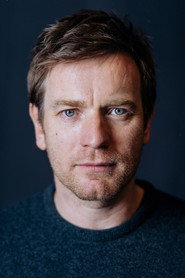 Ewan McGregorSam Foster
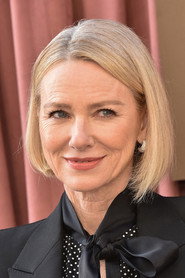 Naomi WattsLila Culpepper
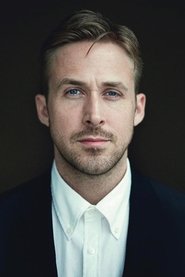 Ryan GoslingHenry Letham
 Kate BurtonMrs. Letham
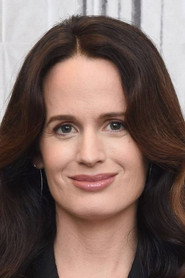 Elizabeth ReaserAthena
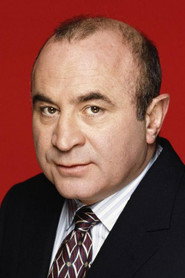 Bob HoskinsDr. Leon Patterson
 BD WongDr. Bradley Ren
 Janeane GarofaloDr. Beth Levy
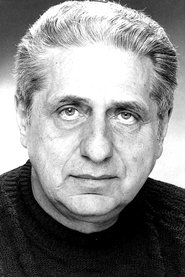 John TormeyCustodian / Piano Mover #1
 José Ramón RosarioCabbie / Piano Mover #2
 Becky Ann BakerParamedic #1 / Butch Cook
 Lisa KronParamedic #2
Directing
- Eric Richard LaskoAdditional Second Assistant Director
- Jane Chase WellsAdditional Second Assistant Director
- Marc ForsterDirector
- Jude GorjancFirst Assistant Director
- Michael LermanFirst Assistant Director
- Peter ThorellSecond Assistant Director
- Alyson LatzSecond Second Assistant Director
- Kevin Tod HaugSecond Unit Director
Writing
- David BenioffScreenplay
Production
- Alexa L. FogelCasting
- Francine MaislerCasting
- Bill CarraroExecutive Producer
- Guymon CasadyExecutive Producer
- Arnon MilchanProducer
- Eric KopeloffProducer
- Tom LassallyProducer
- Joe Hartwick Jr.Production Supervisor
- Bill CarraroUnit Production Manager
- Neri Kyle TannenbaumUnit Production Manager
Recommended by
My Son, The Nines, Couples Therapy, Brainscan, Nightmare Detective, Model Citizen