
Film
Fast Food Nation
Richard Linklater's sprawling ensemble anatomy of the American fast-food industry. Less plot than interconnected stories—a corporate marketing executive, teenage workers, ranchers, undocumented migrants—all caught in one system. Urgent and angry but funny, mixing naturalistic dialogue with occasional stylized detours. Ragged at times, but genuinely searching.
Should you watch it?
Watch it if you enjoy ensemble films that braid several strands of one industry together, and you're happy with a message that stays audible rather than hidden.
Skip it if you want a tight, plot-driven story, since this one moves at a deliberately loose, wandering pace and lets its statistics and arguments sit heavily on the screen.
What it asks of you: Just under two hours across several loosely connected threads, it wants patience and a willingness to keep track of many faces as the picture widens.
Not sure? Find tonight's pick in a minute.
If you liked this
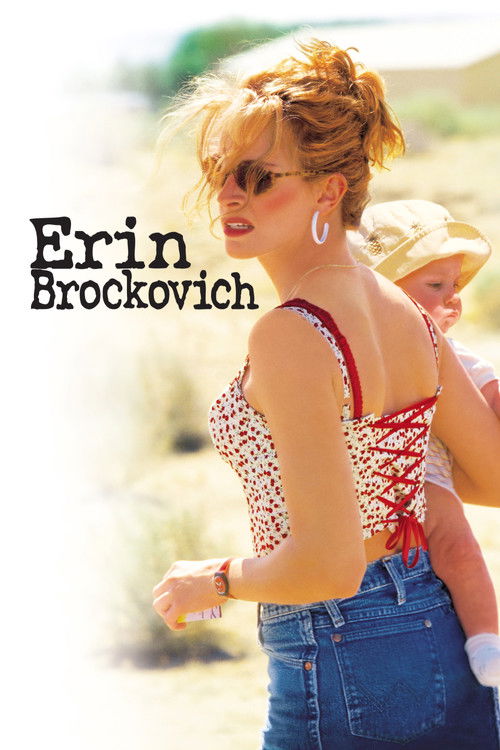
Erin Brockovich2000
Julia Roberts in a fired-up legal thriller about corporate malfeasance. The real case that inspired it, the crackling dialogue, and a protagonist who won't shut up or back down. Both films use individual stories to indict systems.
But The mood is lighter and more conventionally crowd-pleasing. If you want sustained anger rather than reassuring vindication, this softens the blow.
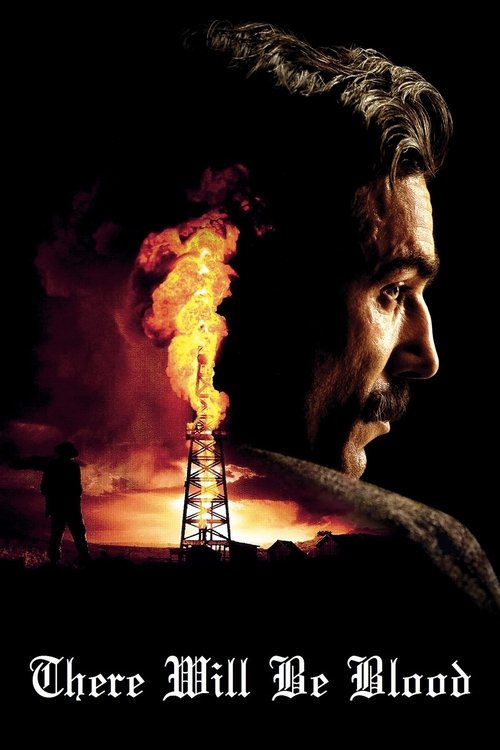
There Will Be Blood2007
Paul Thomas Anderson's portrait of American capitalism unfurling across decades. Hypnotic, formally inventive, driven by ambition and greed. Like Fast Food Nation, it connects personal hunger to systemic corruption.
But Slower, denser, and utterly bleak. No levity, no reprieve. You are watching the skull beneath the skin for 158 minutes.
Mulholland Drive2001
David Lynch's fractured examination of Hollywood's machinery and the people it chews up. Formally bold, frequently funny, structurally audacious. Both films use multiple characters to explore how systems dehumanize.
But Deliberately cryptic and dreamlike. If you want clarity or narrative cohesion, this will frustrate you. Requires active interpretation.

Not sure tonight? Get a pick in a minute, starting from Fast Food Nation
The wildcard
Something you would not have found on your own.
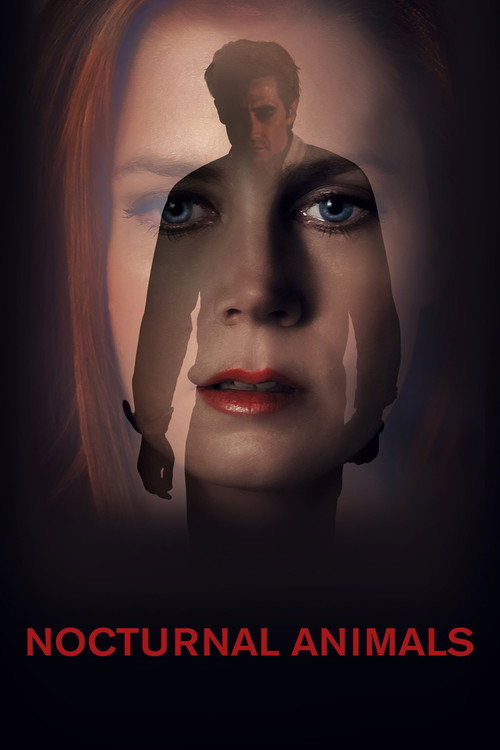
Nocturnal Animals2016
Both use parallel narratives to indict American systems—one economic, one psychological—and both refuse easy moralizing.
Tom Ford's nested narrative about violence, class, and artistic revenge. A woman reads her ex-husband's brutal revenge novel. Visually immaculate, structurally sophisticated, morally ambiguous. Like Fast Food Nation, it uses multiple stories to examine American corruption and masculinity, but through psychological and aesthetic registers instead of documentary ones.
But Stylized and self-conscious in ways that can feel cold. If you want warmth or character identification, this withholds it deliberately.
More like this (6)
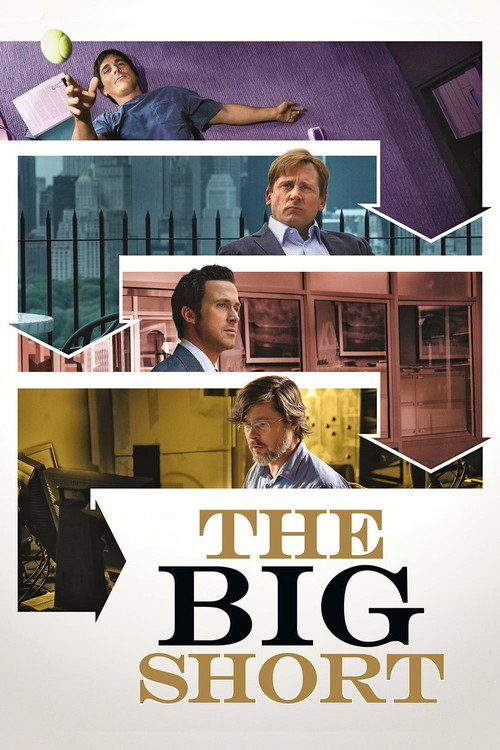
The Big Short2015
McKay's furious hybrid of comedy and documentation about the 2008 financial collapse. Combines wit with rage, fourth-wall breaks with real consequences. Both films make systems and corruption narratively exciting without excusing them.
But The style is relentlessly showy—cutaways, celebrity cameos, self-aware goofing. Some find it exhausting rather than clarifying.
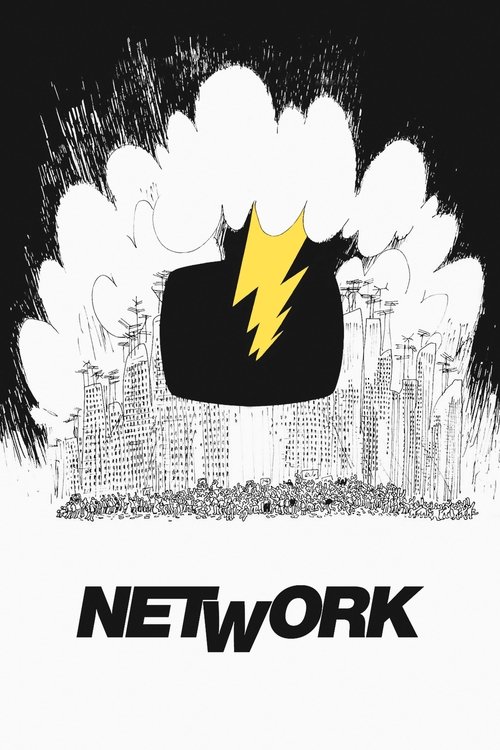
Network1976
Paddy Chayefsky's prophetic satire of media manufacture and moral compromise. Every character rationalized by profit. It's funny and scathing, with enormous performances from Finch and Dunaway.
But Dated in surface detail, though not in substance. The dialogue can feel stagey compared to Linklater's naturalism.
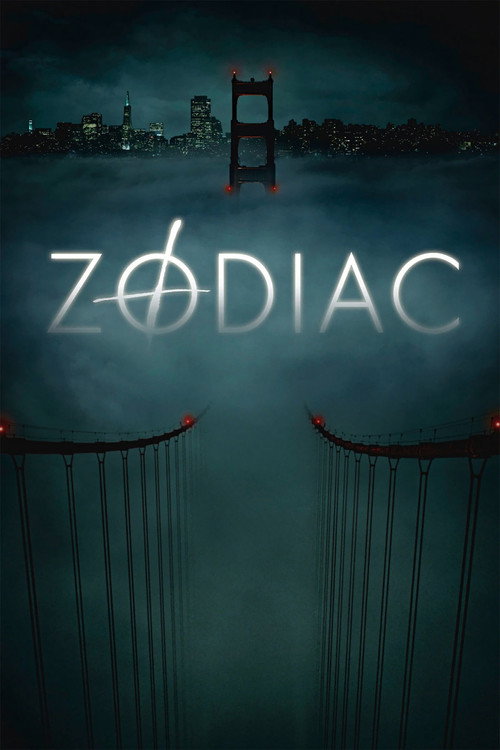
Zodiac2007
Fincher's procedural obsession about two detectives hunting a killer across decades. Both films use ensemble casts to examine systems—in this case, institutional failure and the cost of chasing the truth.
But Nearly three hours of methodical investigation with a deliberately anticlimactic ending. The payoff is intellectual, not emotional.
Spotlight2015
Journalistic ensemble piece about the Boston Globe investigating Catholic Church abuse. Methodical, urgent, built on dialogue and coordination. Shares Fast Food Nation's belief in connecting dots across institutions.
But Restrained and procedural. It earns its power through restraint, which some find subdued rather than gripping.

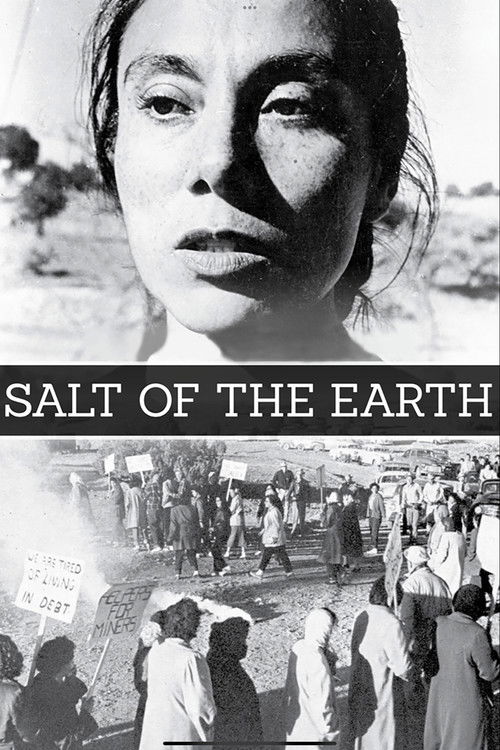
Salt of the Earth1954
Herbert Biberman's banned film about a New Mexico mining strike. Radically empathetic to workers, structurally experimental for its era. Shares Fast Food Nation's commitment to showing labor's invisible costs.
But Low budget and rough around the edges, both technically and dramatically. The performances are earnest rather than polished.
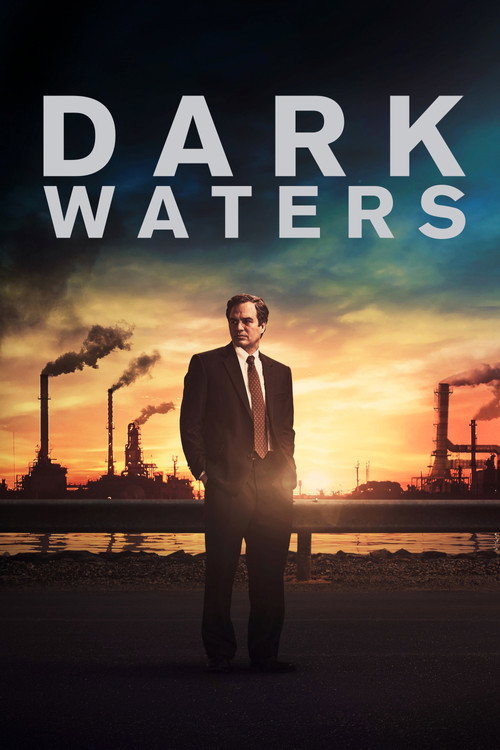
Dark Waters2019
Both track how corporations externalize costs onto invisible people. Fast Food Nation scatters its perspective; Dark Waters narrows it to obsessive pursuit of a single truth.
Todd Haynes' meticulous account of DuPont pollution and legal resistance. Mark Ruffalo as a slow-burning, unglamorous lawyer. Formally restrained, narratively clear, methodically furious. A corporate-investigation film made with documentary precision and emotional intelligence.
But The tone is serious and grinding. Linklater's satirical energy and comedy are replaced by legal proceduralism and accumulated dread.
People
Cast
 Greg KinnearDon Anderson
 Bobby CannavaleMike
 Paul DanoBrian
 Luis GuzmánBenny
 Ashley JohnsonAmber
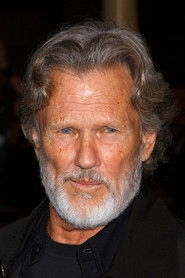 Kris KristoffersonRudy Martin
 Patricia ArquetteCindy
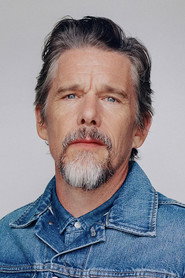 Ethan HawkePete
 Avril LavigneAlice
 Esai MoralesTony
 Catalina Sandino MorenoSylvia
 Lou Taylor PucciGerald 'Paco'
Directing
- Richard LinklaterDirector
Writing
- Eric SchlosserNovel
- Richard LinklaterScreenplay
Production
- Chris SalvaterraExecutive Producer
- David M. ThompsonExecutive Producer
- Edward SaxonExecutive Producer
- Eric SchlosserExecutive Producer
- Jeff SkollExecutive Producer
- Peter WatsonExecutive Producer
- Ricky StraussExecutive Producer
- Jeremy ThomasProducer
- Malcolm McLarenProducer