
Film
The Night Listener
Robin Williams plays a late-night radio host whose life unravels when he becomes obsessed with verifying the identity of his most devoted listener—a supposedly abused boy he's never met. It's a paranoid thriller about the seductive danger of connection without accountability, where intimacy becomes indistinguishable from delusion. Unsettling and deeply uncomfortable.
Should you watch it?
Watch it if you like psychological puzzles that stay in a lived-in, talky world of late-night radio and failing marriages, where doubt creeps in slowly and the performances carry the unease.
Skip it if you need a clear, brisk mystery; this one is talky and deliberate, and its unease builds through conversation rather than set-pieces, so the middle can feel slack.
What it asks of you: Ninety-one minutes of measured pacing, long phone-call scenes, and tension that tightens gradually rather than jolting, with little reliance on shocks.
Not sure? Find tonight's pick in a minute.
If you liked this
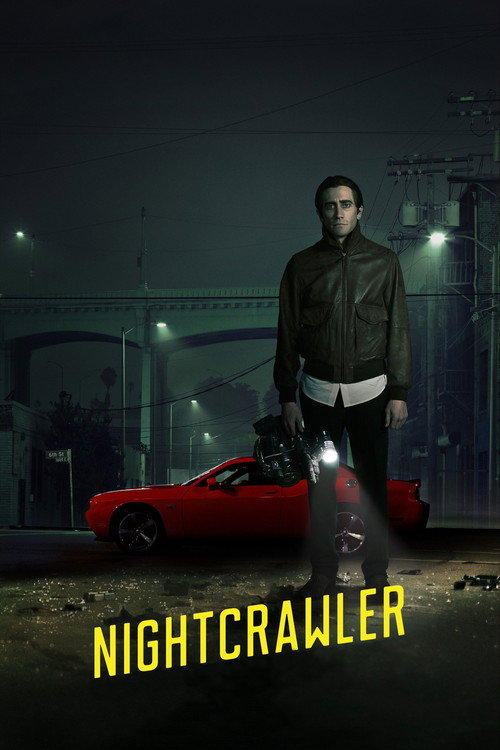
Nightcrawler2014
Jake Gyllenhaal as an obsessive loner who builds an entire persona around consumption and performance. Like Williams' host, he mistakes access for understanding and relationship for relevance—the same spiral of self-deception.
But Relentlessly bleak and sometimes feels like an exercise in nihilism. The protagonist never earns your sympathy, which is the point but can feel punishing.
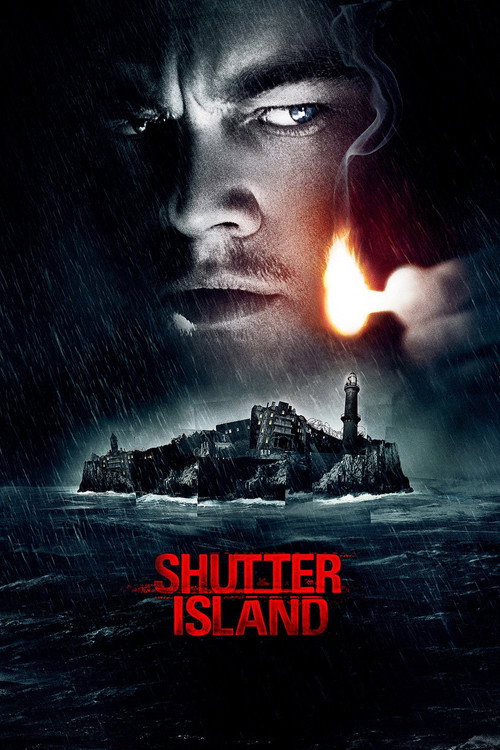
Shutter Island2010
Scorsese's masterclass in unreliable narration. A man investigates a disappearance only to discover he's been investigating himself. The mounting dread and question of what's real mirrors this film's central paranoia.
But The twist, once you know it, doesn't reward a second viewing. The film's pleasures depend entirely on not knowing where it's going.
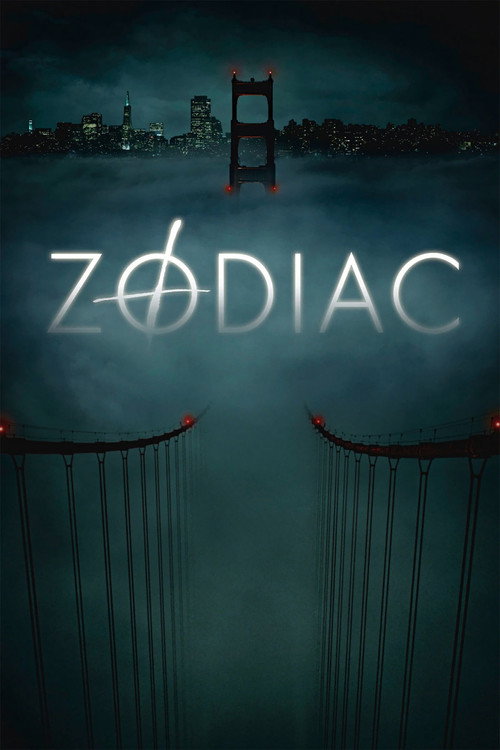
Zodiac2007
Fincher captures obsession eating a man alive as he chases a serial killer. The protagonist's inability to stop—even when it destroys his life—is the real horror. Methodical, hypnotic, ice-cold.
But Three hours of men staring at papers and photographs. No action, minimal plot momentum. If you need something to happen, this will feel glacial.
Not sure tonight? Get a pick in a minute, starting from The Night Listener
The wildcard
Something you would not have found on your own.
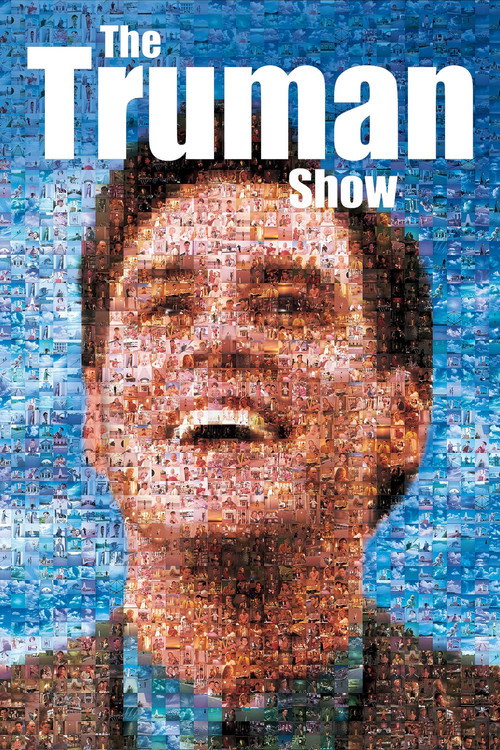
The Truman Show1998
Both are about a man's relationship with an unseen other; both suggest that intimacy itself may be a fiction we construct.
Jim Carrey as a man who begins noticing inconsistencies in his world, slowly realizing everyone around him might be acting. Like Night Listener, it's about someone who can't trust what they see, but inverts it: the conspiracy is real. Carrey's performance—vulnerable, desperate—shows what he could have done more often.
But The tone is ultimately optimistic and redemptive, which some find saccharine. Also it's 1998 mainstream comfort food, not the unsettling territory Night Listener occupies.
More like this (8)
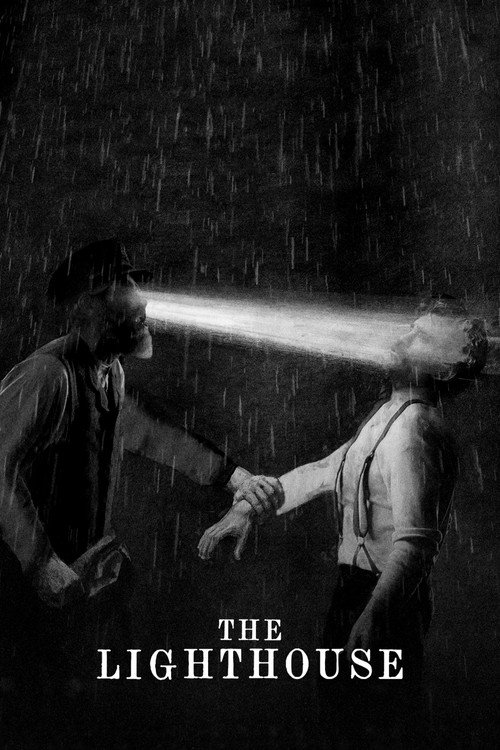
The Lighthouse2019
Two men in isolation, one withholding the truth, the other slowly unraveling into madness and paranoia. Black-and-white cinematography and sound design weaponize claustrophobia. Genuinely disorienting.
But Deliberately obtuse, deliberately frustrating, deliberately hard to parse. Dafoe's accent becomes a second language. Not interested in making you comfortable.
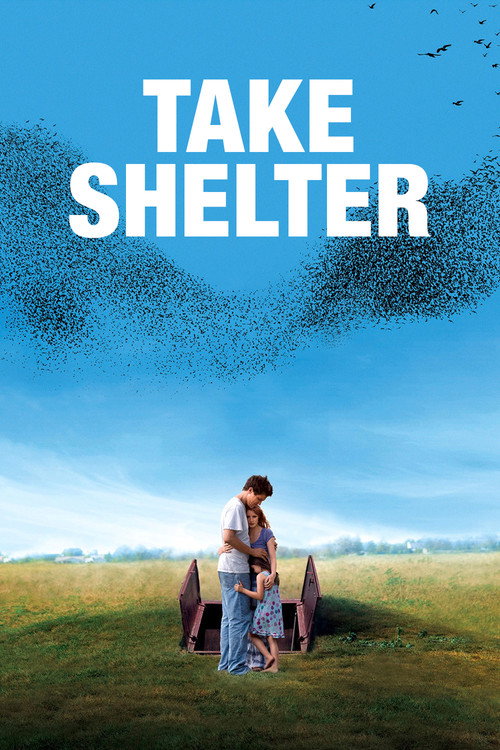
Take Shelter2011
Michael Shannon as a man plagued by apocalyptic visions, driven to isolate his family and prepare for catastrophe. Is he prophetic or psychotic? The film refuses to answer, making paranoia its own form of horror.
But Slow-burn dread with minimal payoff. Some will feel cheated by the ending's refusal to confirm anything. It demands patience and discomfort.
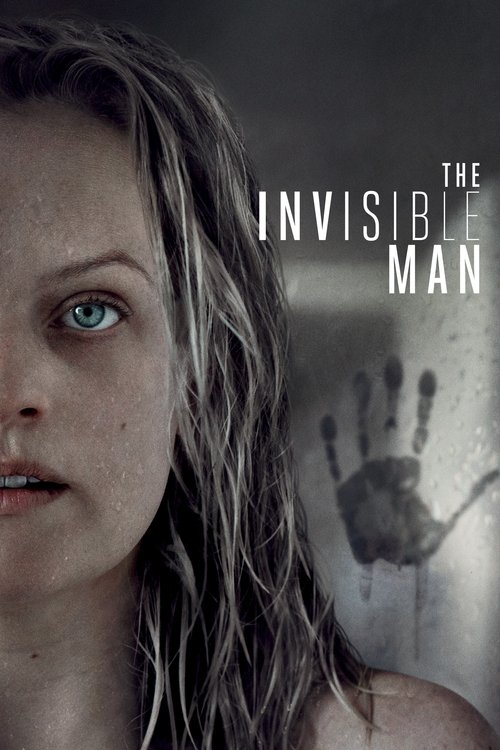
The Invisible Man2020
Leigh Whannell's reimagining weaponizes perspective: what you don't see becomes more terrifying than what you do. Like Night Listener, it's about violation through invisible presence and the gaslighting of a protagonist no one believes.
But The premise feels gimmicky at first. Some find the social commentary heavy-handed; others feel the twist undermines the film's own logic.
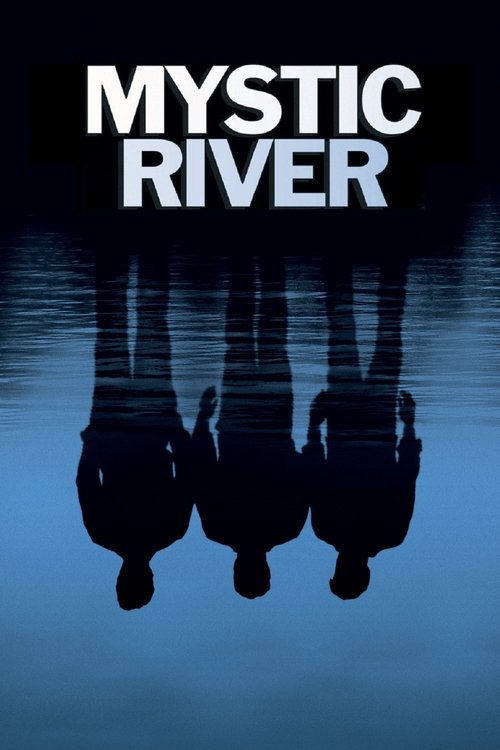
Mystic River2003
Three childhood friends reconnect after a murder. Clint Eastwood examines how trauma and guilt warp perception, how we convince ourselves of truths that feel real but may not be. Haunting performances.
But The ending hinges on a conclusion none of the characters can actually verify. Some find it nihilistic; others feel it cheats by never confirming what happened.
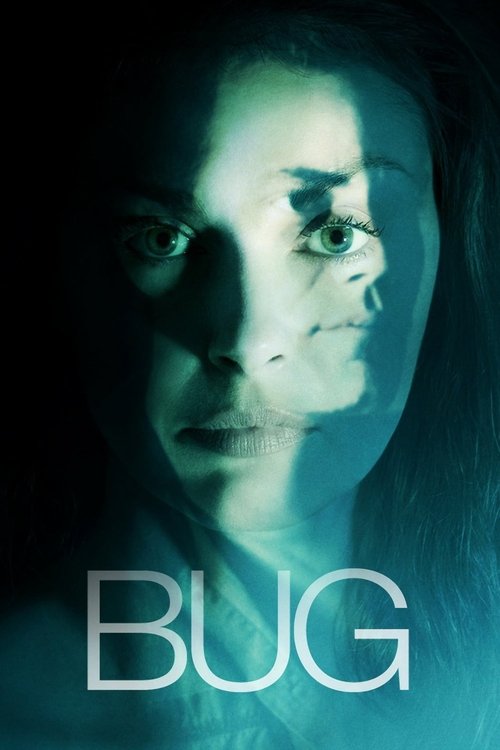
Bug2007
William Friedkin's claustrophobic chamber piece about two lonely people whose isolation breeds shared delusion. It escalates into genuine horror—paranoia as contagion, intimacy as infection.
But Extremely difficult to watch. Sexual, violent, psychologically abusive. Doesn't entertain; it assaults. Not a film you enjoy so much as endure and process.
Stalker1979
Tarkovsky's meditation on desire, belief, and self-deception. A guide leads two men into a mysterious zone; the real journey is inward. Slow, hypnotic, deeply philosophical about why we chase what we can't have.
But 163 minutes of philosophical meandering with minimal plot. Long takes, minimal dialogue, no conventional resolution. Patience and tolerance for ambiguity required.

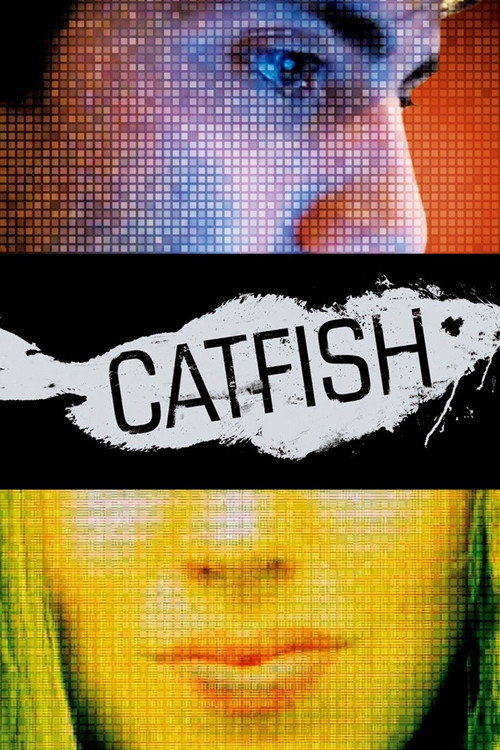
Catfish2010
Both examine the architecture of connection built on absence and the terror of discovering what you've been talking to isn't what you thought.
A documentary following a man's online relationship with a woman he's never met, unraveling into deception. Real, verifiable, devastating. The unease comes from asking: how much of connection requires physical presence? How willing are we to believe what we need to believe?
But Once the reveal happens, the film becomes quieter and sadder—less thrilling. Some feel the filmmakers exploit real people's pain; it's ethically murky.
Come and See1985
Both suggest that certain conversations, certain exposures, cannot be undone—and that some forms of connection leave you permanently altered.
Elem Klimov's Soviet masterpiece about a boy conscripted into war, slowly destroyed by what he witnesses. Surreal, visceral, utterly uncompromising. Like Night Listener it shows how proximity to horror—even secondhand—can annihilate your sense of reality, though here the horror is historical, not psychological.
But One of cinema's most devastating films. Graphic violence, the psychological obliteration of a child. Not entertainment; it's an endurance test in the service of truth-telling.

People
Cast
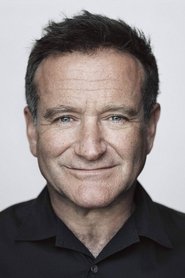 Robin WilliamsGabriel Noone
 Toni ColletteDonna D. Logand
 Rory CulkinPete D. Logand
 Sandra OhAnna
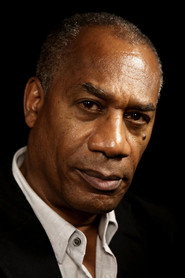 Joe MortonAshe
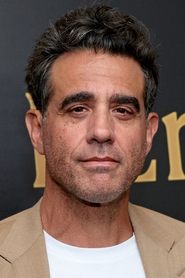 Bobby CannavaleJess
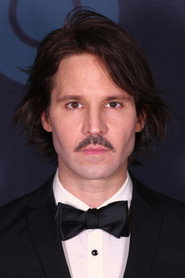 Rodrigo LoprestiYoung Man at Party
 John CullumPap Noone
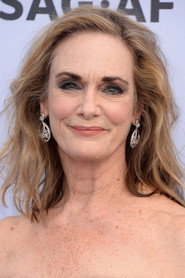 Lisa EmeryDarlie Noone
 Guenia LemosFemale Neighbor
 Marcia HaufrechtPant Suited Woman
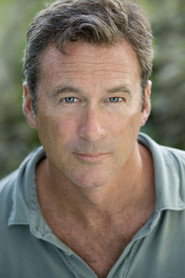 Nick GregoryFlight Attendant
Directing
- Patrick StettnerDirector
Writing
- Armistead MaupinAuthor
- Patrick StettnerAuthor
- Terry AndersonAuthor
Production
- Jeffrey SharpProducer
- Jill FootlickProducer
- John N. HartProducer
- Robert KesselProducer