
Film
Sampo
A 1959 Finnish fantasy drawn from the Kalevala, where a magical device called the Sampo becomes the prize in a battle between gods and a northern witch. Visually sumptuous, playfully mythic, built on practical effects and genuine invention. For anyone who loves fantasy that feels earned and strange, made in a tradition outside Hollywood.
If you liked this
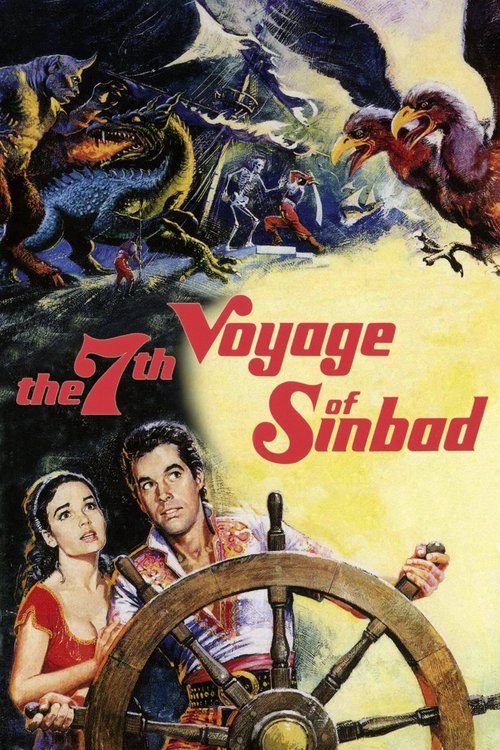
The 7th Voyage of Sinbad1958
Stop-motion sorcery, sea monsters, and sword-clashing adventure in a fairy-tale register. Ray Harryhausen's creatures feel alive in a way that still startles. Pure spectacle married to genuine craft.
But The pacing is old-school—long stretches between action beats. Some will find it slow; others will call that breathing room.
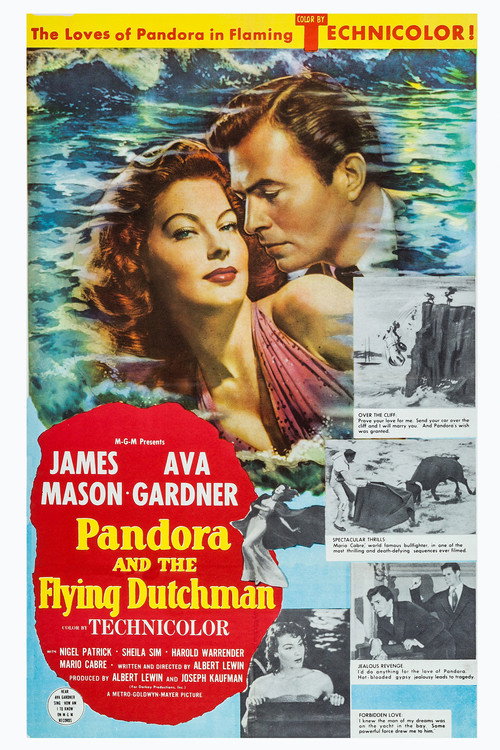
Pandora and the Flying Dutchman1951
A Technicolor fever dream set in Spain, where mythology and modern life collide. Ravishing to look at, genuinely strange in its emotional logic, and utterly committed to its own dreaminess.
But The plot resists clear sense-making. If you need narrative to feel airtight, this will frustrate you.
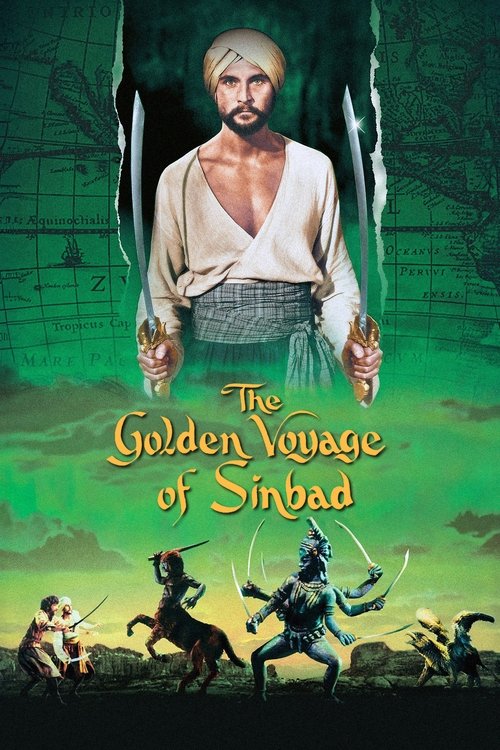
The Golden Voyage of Sinbad1973
More Harryhausen, but richer in color and invention. A one-eyed archer, a griffin, island temples. The effects work harder here and the film knows how to pace around them.
But Still 1970s pacing. Extended sequences of sailing and talking may test your patience.
Not sure tonight? Get a pick in a minute, starting from Sampo
The wildcard
Something you would not have found on your own.
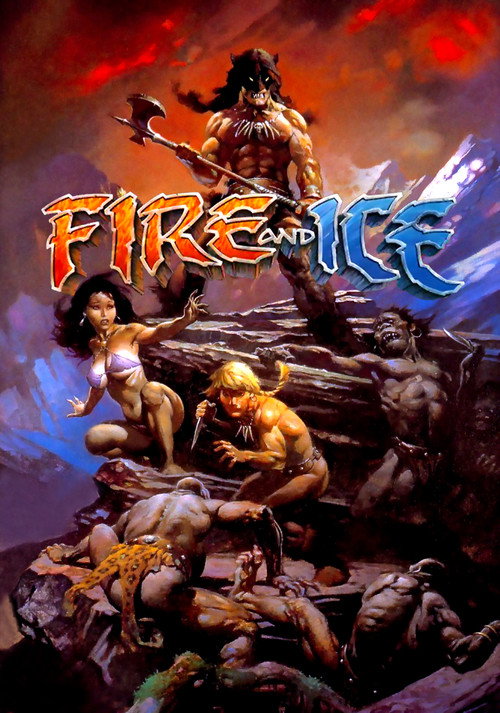
Fire and Ice1983
The visual DNA is shared—cold witchcraft, northern lands, female antagonists coded as sexual danger. Fire and Ice proved you could make that aesthetic in 1983.
Rotoscoped animation over live action, building a swords-and-sorcery world that feels hand-painted and alive. The North Witch aesthetic descends directly from this. Erotic, violent, gorgeous.
But The animation is rotoscoped from live actors, which some find expressionless. The plot is thin and the sexual content is graphic.
More like this (7)
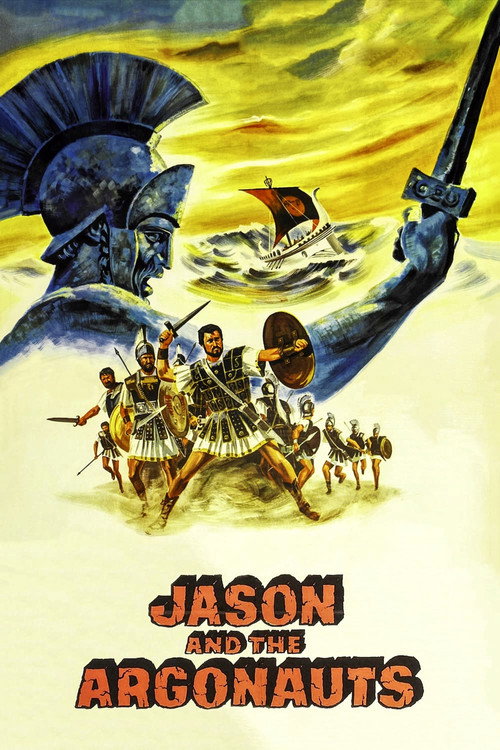
Jason and the Argonauts1963
Skeleton warriors, Medusa, a bronze giant. Harryhausen at his most ambitious, turning Greek myth into a series of perfect set-pieces. The design alone justifies watching.
But The human drama gets crowded out by the monsters. Character development takes a back seat to spectacle.
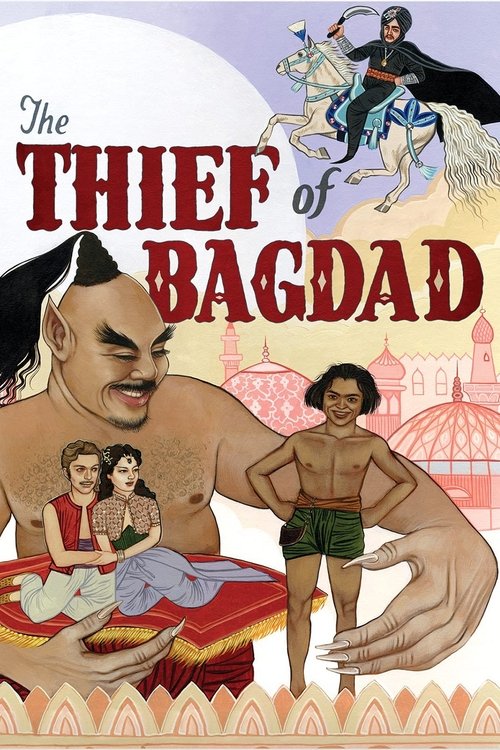
The Thief of Bagdad1940
Gorgeous Technicolor fantasy about wish-granting and betrayal. Riding magic horses, underwater palaces, a djinn. It moves like a dream and looks like a painting.
But The pacing is elliptical and sometimes precious. The tone shifts between whimsy and melodrama in ways that don't always land.
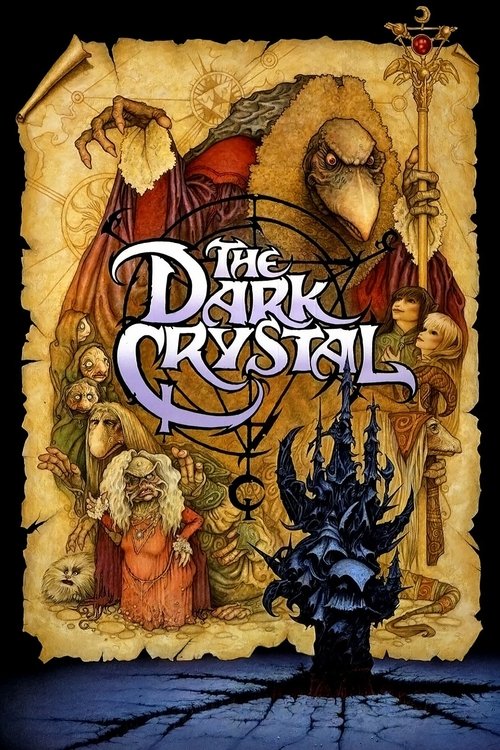
The Dark Crystal1982
Practical puppetry and design so detailed it becomes a kind of architecture. A dark fairy tale with genuine stakes. Every frame is worked.
But It's slow and wordless in long stretches. The creatures are unsettling on purpose—beauty and wrongness at once.
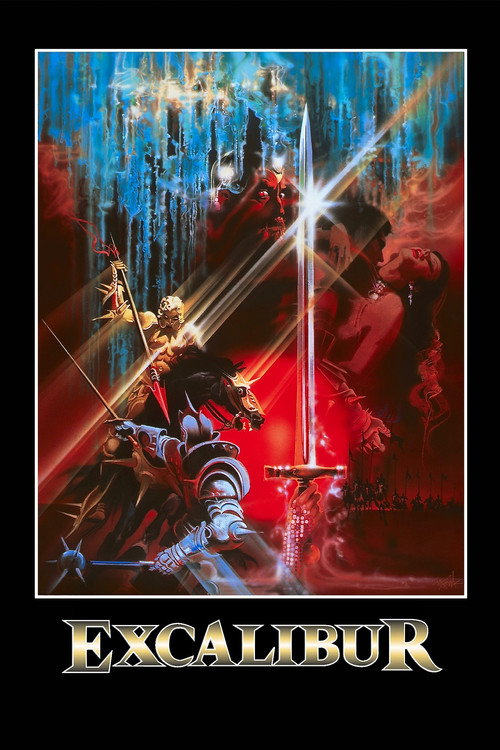
Excalibur1981
Arthurian legend rendered in vivid color and ritual. Boorman's vision is mythic and sexual and genuinely strange. The sword itself becomes a character.
But It's dense and baroque. Some scenes feel overripe; the sexual politics are of its era and can feel dated.
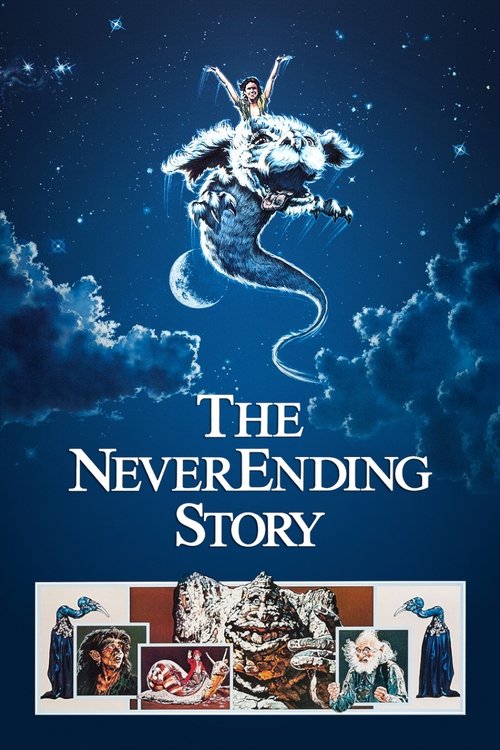
The NeverEnding Story1984
A boy reading a story enters that story. Built from puppets, paintings, and genuine unease. It understands that fantasy is about longing and loss.
But It wallows in melancholy. If you want adventure without ache, this isn't it.
Harakiri1962
A Japanese film about ritual and honor, built with the precision of myth. Formally beautiful and morally complex. It feels epic at every scale.
But It's a chamber piece disguised as spectacle—slow, deliberate, emotionally demanding. Not escape, but reckoning.

Stalker1979
Both are about objects of desire that force moral reckoning. Both trust visual poetry over plot. Both ask whether getting what you want saves you or damns you.
A Soviet science fiction film about spiritual seeking. A man leads two others through a mysterious zone toward a room that grants wishes. Meditative, profound, visually hypnotic. The Sampo translated into Soviet mysticism.
But It's three hours of walking and talking. Tarkovsky rewards patience with rapture; impatience with tedium.

People
Cast
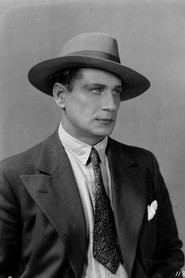 Urho SomersalmiVäinämöinen
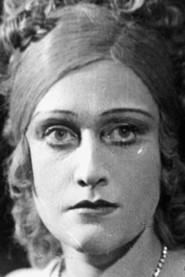 Anna OrochkoLouhi
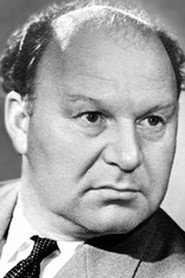 Ivan VoronovIlmarinen
- Andris OšiņšLemminkäinen
 Ada VojtsikMother of Lemminkäinen
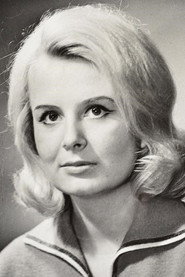 Eve KiviAnnikki
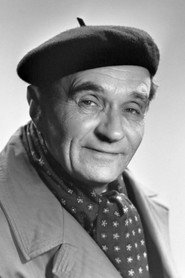 Georgi MillyarSorcerer
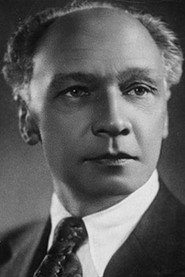 Mikhail TroyanovskySoothsayer
Directing
- Aleksandr VanichkinAssistant Director
- B. YevgenevAssistant Director
- Holger HarrivirtaAssistant Director
- Aleksandr PtushkoDirector
Writing
- Ignatiy RostovtsevScript Editor
- Grigori YagdfeldWriter
- Viktor VitkovichWriter
Production
- Aleksey StefanskiyExecutive Producer
- Gleb KuznetsovExecutive Producer
- Risto OrkoProducer