
Film
Angel's Egg
- Fantasy
- Slow-burning
Angel's Egg is a 1985 animated film of dreamlike stillness and symbolic density. A girl guards a mysterious egg through a drowned, architectural wasteland while a wandering boy searches for a bird from his dreams. Gorgeously drawn and narratively opaque, it rewards patient, meditative viewing. For those who love cinema that trusts the image over explanation.
Should you watch it?
Watch it if you like films that trade plot for atmosphere, where a hollowed-out city and a handful of wordless images do the talking and you are content to sit inside a mood.
Skip it if you need a plot to hold on to, since little happens and the pacing is glacial, so the symbolism may feel like waiting for a point that never comes.
What it asks of you: Its 71 minutes pass slowly and mostly in silence, so expect long held frames, sparse dialogue and a patience that unfolds rather than arrives.
Not sure? Find tonight's pick in a minute.
If you liked this
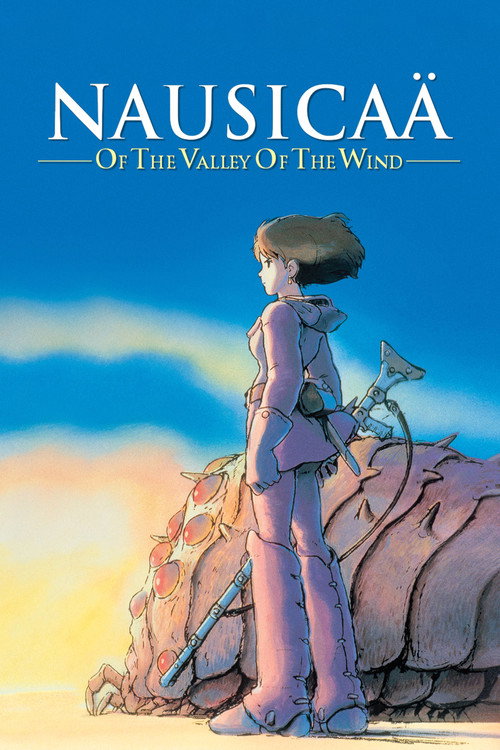
Warriors of the Wind1984
Miyazaki's debut feature shares Angel's Egg's lush hand-drawn animation, mythic scope, and refusal to simplify its world. A girl at the centre of an environmental mystery, visual storytelling that soars.
But It's more conventionally plotted and accessible than Angel's Egg—if you want pure ambiguity and silence, this has more conventional narrative momentum.
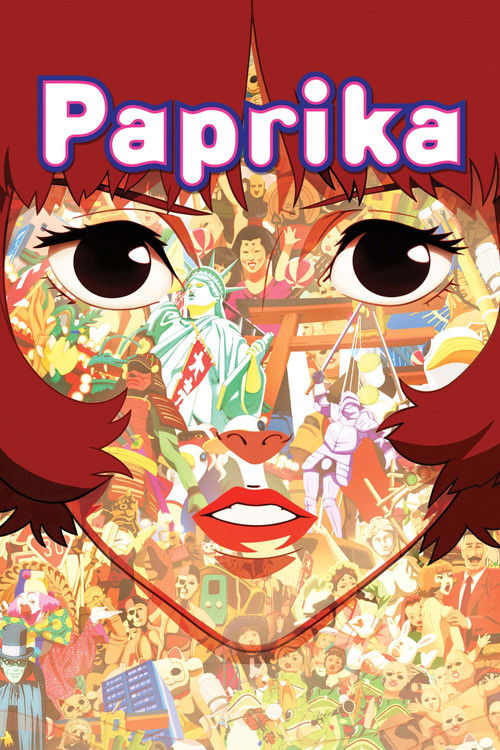
Paprika2006
Satoshi Kon's kaleidoscopic dream-logic fever dream. Surreal, visually intoxicating, and formally inventive in ways that respect the viewer's intelligence. A film that breathes mystery.
But It's busy and densely packed where Angel's Egg is sparse. Some find the constant visual invention exhausting rather than exhilarating.
Stalker1979
Tarkovsky's masterpiece of philosophical science fiction. Long takes, architectural spaces, a journey toward an unknowable goal. Patient, meditative, asking what we truly desire. Essential cinema.
But At 163 minutes with minimal dialogue and no plot in the conventional sense, it demands a specific kind of attention. Some experience it as glacial.

Not sure tonight? Get a pick in a minute, starting from Angel's Egg
The wildcard
Something you would not have found on your own.
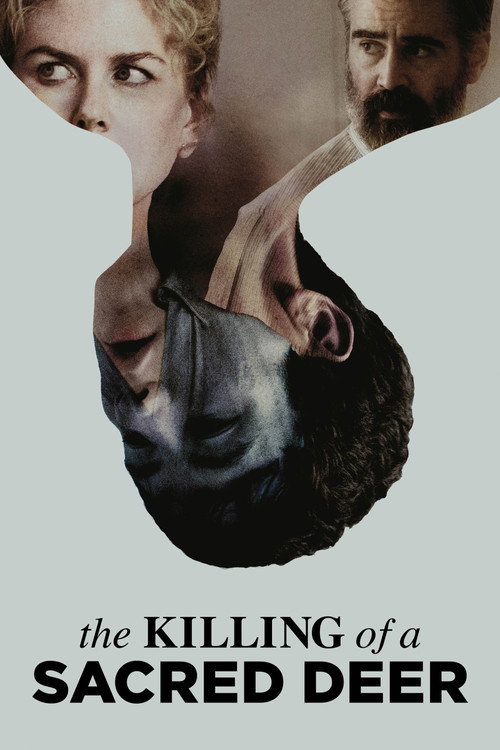
The Killing of a Sacred Deer2017
Both use silence, symbolic objects (the egg, the deer), and refusal to explain as their primary tools. Neither needs you to understand fully—they ask you to feel the weight of mystery.
Yorgos Lanthimos creates a modern Greek tragedy where formal distance becomes unbearable. Dialogue is sparse and often absurd; tension builds from what's *not* explained. A vision of ritual and consequence that feels almost mythological.
But Its coldness is deliberate and unrelenting. The tone is so controlled it can feel suffocating. Violence is implied rather than shown, which some find more disturbing than explicit gore.
More like this (8)
Harakiri1962
Masaki Kobayashi's black-and-white tragedy uses stark, geometric compositions and silence as powerfully as any image. A film about ritual, honour, and the cost of systems. Devastating and formally perfect.
But It's bleak, slow-paced, and offers no catharsis or comfort. The beauty emerges from sorrow, which isn't for every mood.

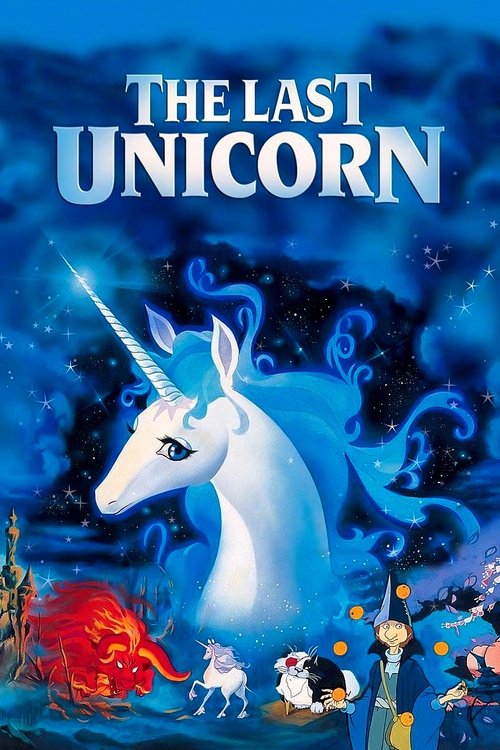
The Last Unicorn1982
Rankin/Bass's rotoscoped fantasy feels like a fever dream in animation. Melancholic, strange, populated by deeply weird characters. Nostalgia-adjacent but genuinely unsettling beneath the surface.
But It's deliberately odd in ways that can feel dated. Some will find the tonal shifts between whimsy and darkness jarring rather than compelling.
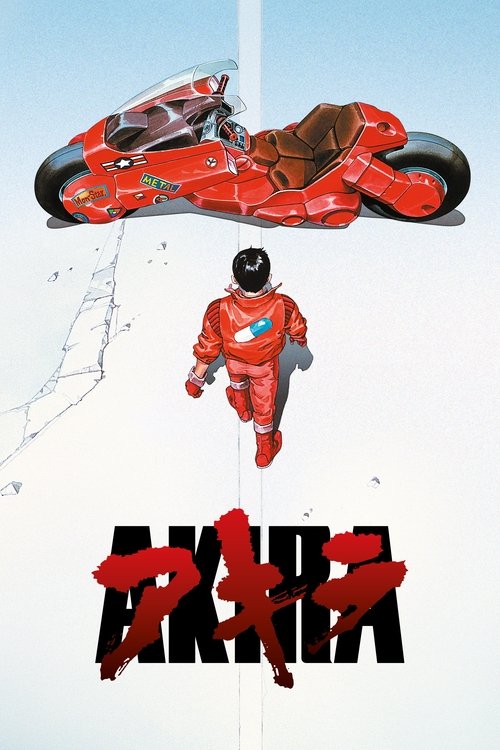
Akira1988
Katsuhiro Otomo's cyberpunk apocalypse remains a technical and artistic benchmark for animation. Stunning hand-drawn action, intricate worldbuilding, and genuine existential stakes. Influential beyond measure.
But It's densely plotted and requires active engagement. If you want meditation over momentum, its kinetic energy works against you.
Mulholland Drive2001
David Lynch's Los Angeles nightmare uses dream-logic to explore desire, identity, and the cost of fantasy. Formally daring, erotically charged, and genuinely mysterious. A masterpiece of controlled ambiguity.
But It's sexually frank and psychologically dark. Its refusal to resolve leaves some viewers frustrated rather than haunted.

A Ghost Story2017
David Lowery's meditation on time, loss, and impermanence. Shot partly from under a bedsheet, it's quietly devastating. A film that makes absence tangible and grief philosophical rather than theatrical.
But It's very slow and visually austere. Some find the constraint affecting; others find it mannered and self-consciously arty.

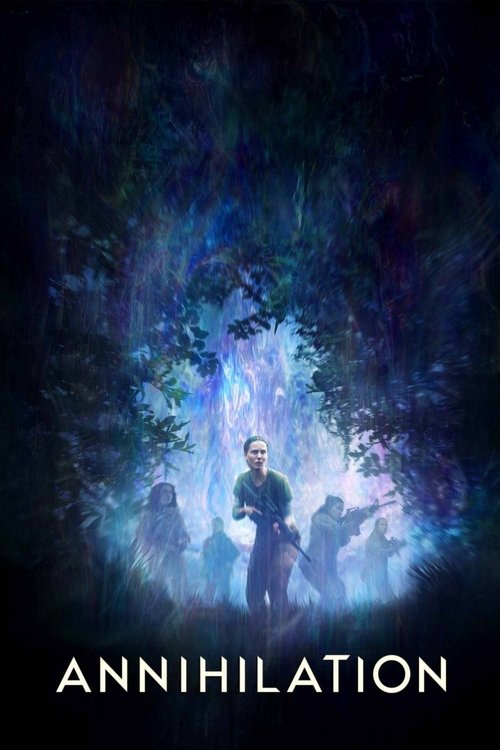
Annihilation2018
Alex Garland's science-fiction meditation on transformation and the unknowable. Gorgeously shot, tonally unsettling, with ideas that linger. A film about wonder and horror as neighbours.
But Its third act becomes more abstract and less grounded, which can feel like it's abandoning plot for philosophy. Not everyone follows or wants to follow it there.
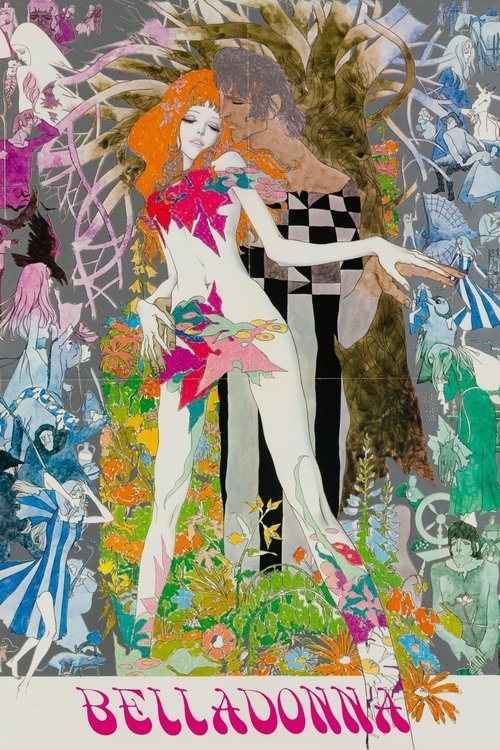
Belladonna of Sadness1973
Both are hand-drawn animations that use the medium's capacity for the numinous and inexplicable. Both trust visual abstraction over narrative clarity, and both feel like records of fever dreams rather than stories.
Eiichi Yamamoto's rotoscoped anime transforms a folk tale into a hallucinatory descent. Visually extraordinary, sexually frank, and absolutely uncompromising in its bleakness. An almost-forgotten masterpiece of 1970s animation ambition.
But It's graphically sexual and violently misogynistic in its depiction of suffering. The animation style is deliberately strange and won't appeal to those seeking conventional beauty. Very hard to find.
Come and See1985
Both feature a child as the central consciousness moving through a devastated landscape. Both use colour, sound, and composition to express psychological states that dialogue cannot reach. Both are from 1985, and both are concerned with what innocence means when confronted with the incomprehensible.
Elem Klimov's Belarusian war film is a document of psychological annihilation. Shot the same year as Angel's Egg, it uses the fantasy of innocence meeting unbearable reality. Visually ravaging and morally unsparing.
But It depicts atrocity with unflinching clarity—child soldiers, mass graves, brutality without mercy. Not a film to watch for aesthetic pleasure or escape. Genuinely traumatizing in its honesty.

People
Cast
 Keiichi NodaNarrator (Voice)
 Mako HyodoGirl (Voice)
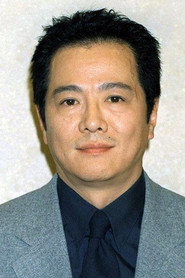 Jinpachi NezuMan (Voice)
Directing
- Mamoru OshiiDirector
Writing
- Mamoru OshiiOriginal Story
- Yoshitaka AmanoOriginal Story
- Mamoru OshiiScreenplay
Production
- Yasuyoshi TokumaExecutive Producer
- Hiroshi HasegawaProducer
- Koki MiuraProducer
- Masao KobayashiProducer
- Yutaka WadaProducer