
Film
Legend of the Eight Samurai
A 1983 Japanese fantasy-adventure where a princess on the run recruits eight magically-gifted samurai to fight the resurrected Hikita clan, undead warriors, and supernatural horrors. Sonny Chiba leads a gleefully weird blend of chambara sword-work, practical creature effects, and genuine strangeness. It's trashy and committed, exactly the kind of film that knows what it is and leans hard into it.
If you liked this
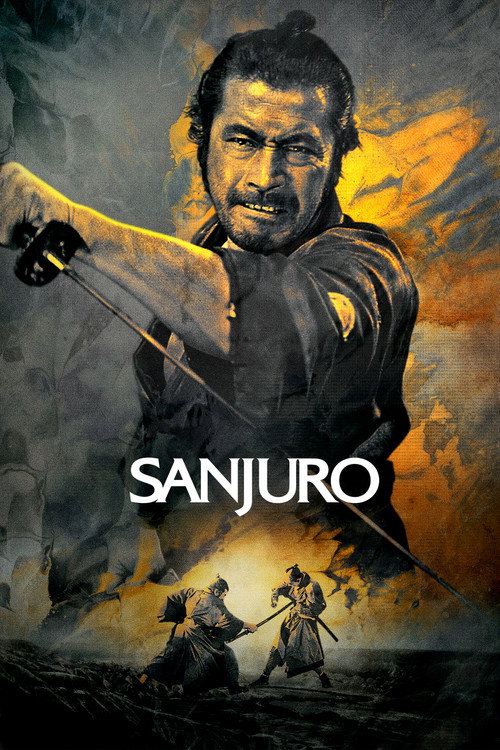
Sanjuro1962
Masaki Kobayashi's masterpiece of samurai action: morally complex, visually stunning, and brutal in ways that still shock. The colour palette alone is worth the price of admission.
But It's a serious political allegory, not spectacle. Long stretches ask you to sit with ideas rather than blood.
Harakiri1962
Masaki Mifune in a tragedy about samurai honour that deconstructs every myth you think you know. Formally perfect and devastating—one of cinema's great films, full stop.
But Deliberately slow and mournful. There's barely any action, and what there is serves the tragedy, not excitement.

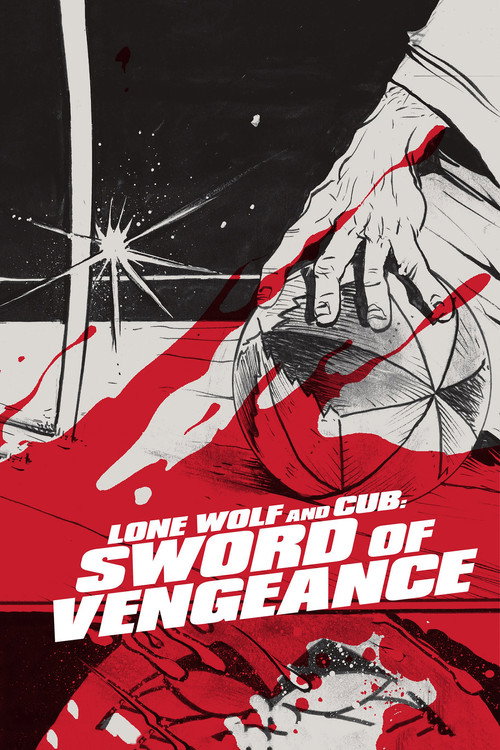
Lone Wolf and Cub: Sword of Vengeance1972
A wandering samurai with his toddler son kills his way through assassins. Violent, stylish, utterly its own thing—the blueprint for everything that came after in action cinema.
But The violence is graphic and sometimes involves the child witnessing it. The plot is thin compared to the aesthetic.
Not sure tonight? Get a pick in a minute, starting from Legend of the Eight Samurai
The wildcard
Something you would not have found on your own.
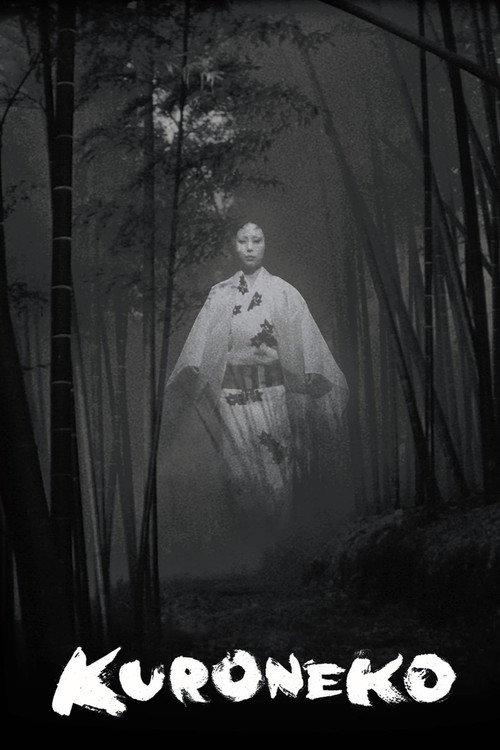
Kuroneko1968
Both films pit humans against supernatural beings bent on revenge, but Kuroneko inverts the moral compass entirely—your sympathy lies with the monsters, not the warriors.
A widow and daughter return as supernatural cat-spirits to seduce and murder samurai. Black-and-white, dreamlike, genuinely eerie: Kaneto Shindo making horror from Japanese folklore with complete command.
But It's slow, ambiguous, and hostile to plot. The supernatural logic is dreamlike, which means it won't explain itself.
More like this (7)
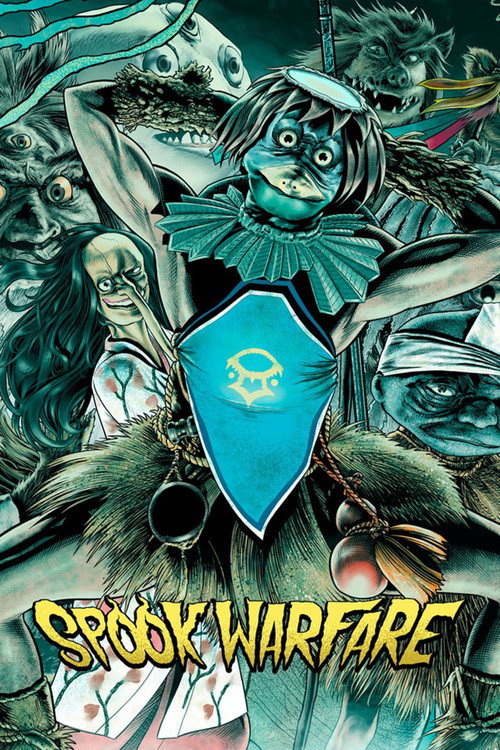
Yokai Monsters: Spook Warfare1968
Japanese monsters fight Japanese monsters in a colour-soaked, campy battle royale. Practical effects, wild energy, and a film that's having enormous fun being weird without apology.
But It looks cheap and moves oddly. The humour is broad and the logic is dreamlike—plot coherence is not the point.
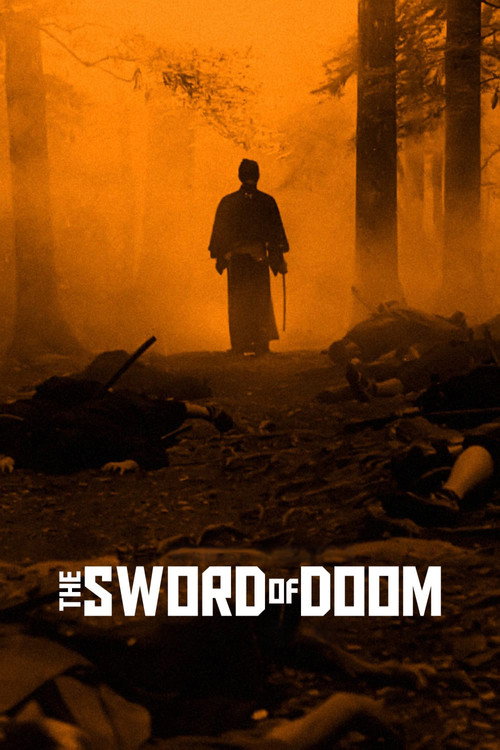
The Sword of Doom1966
Tatsuya Nakadai as a samurai psychopath: morally void, unkillable, drifting through a crumbling world. Nihilistic, beautiful, and genuinely unsettling in its coldness.
But No hero's journey, no redemption arc, no satisfying conclusion. It's a portrait of emptiness, which is the whole point and also a difficult watch.
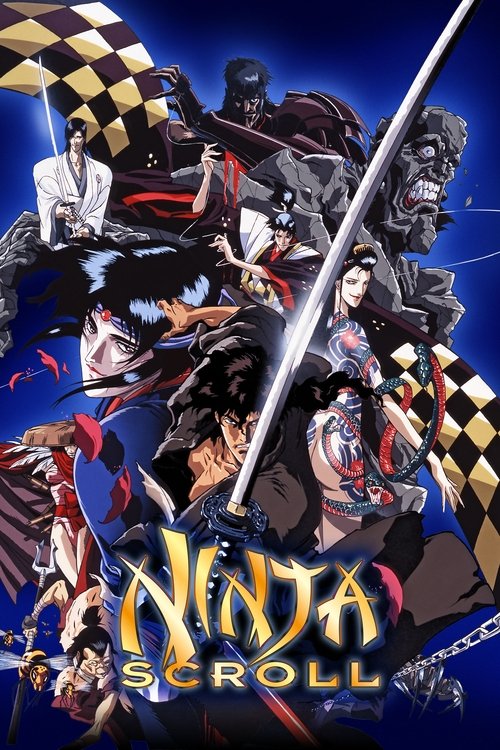
Ninja Scroll1993
Animated ninja action with magic-users, practical sword technique, and animation that moves like water. Every frame is gorgeous; the fight choreography is expert.
But The sexual violence is ugly and mostly pointless. Rewarding visually, uncomfortable thematically.
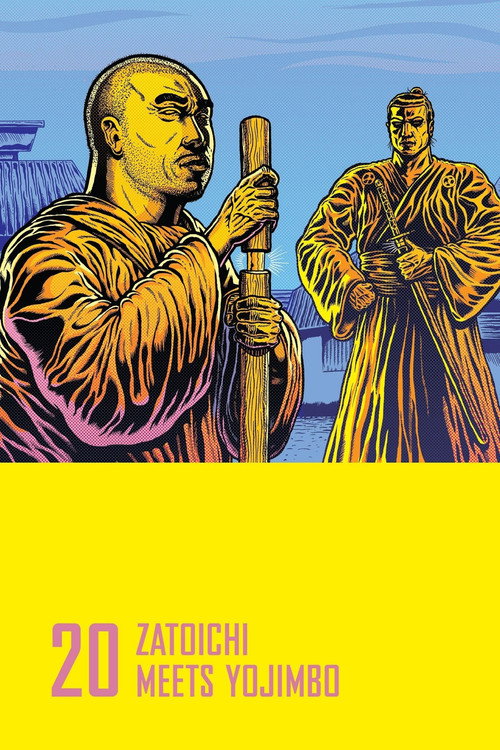
Zatoichi Meets Yojimbo1970
The blind swordsman meets the masterless ronin. A clash of archetypes, cleverly written, funny without winking at the camera. Pure entertainment by masters.
But It's playful where Eight Samurai is earnest. If you want operatic doom, this is charming instead.
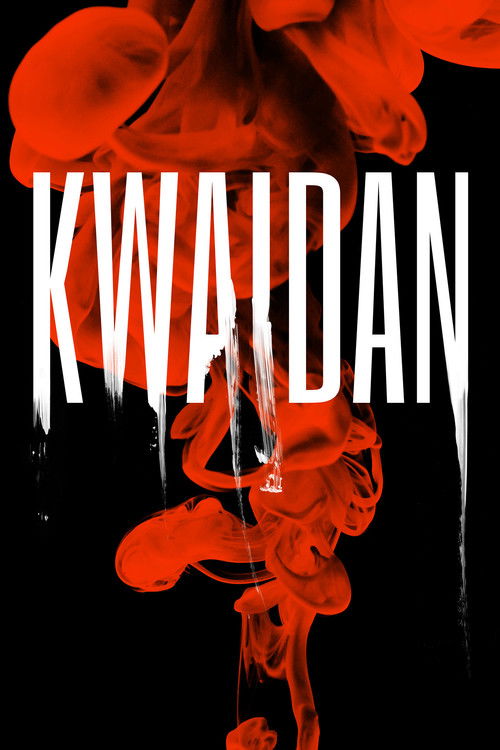
Kwaidan1965
Four Japanese ghost stories in painterly colour: supernatural, unsettling, beautiful. Each is a different register of dread. Masaki Kobayashi crafting perfection from folklore.
But There's no plot momentum, and the pacing is glacial. It's asking for contemplation, not engagement.
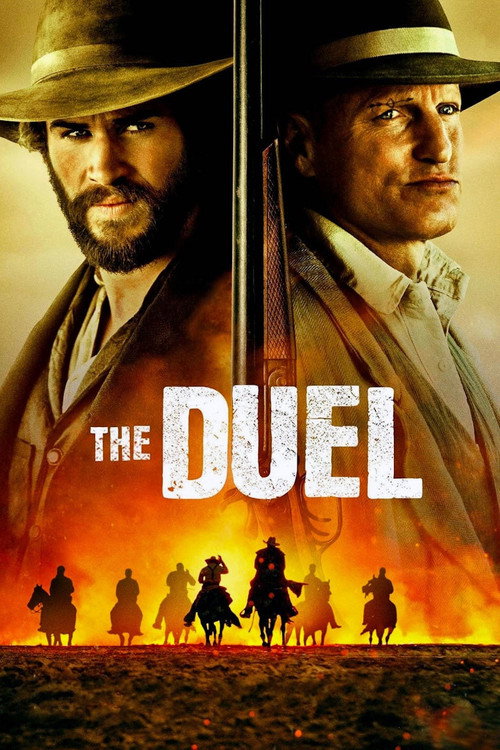
The Duel2016
Both embrace the fantastic and the grotesque without shame, and both are led by charismatic martial artists who carry the film through sheer presence and physicality.
Tak Sakaguchi (legendary martial artist) in a hyperkinetic samurai film that's more anime than live-action: stylized, violent, visually insane. The sword-work is impossible and beautiful.
But It's deeply silly and revels in it. The plot collapses under the weight of excess, and it knows this completely.
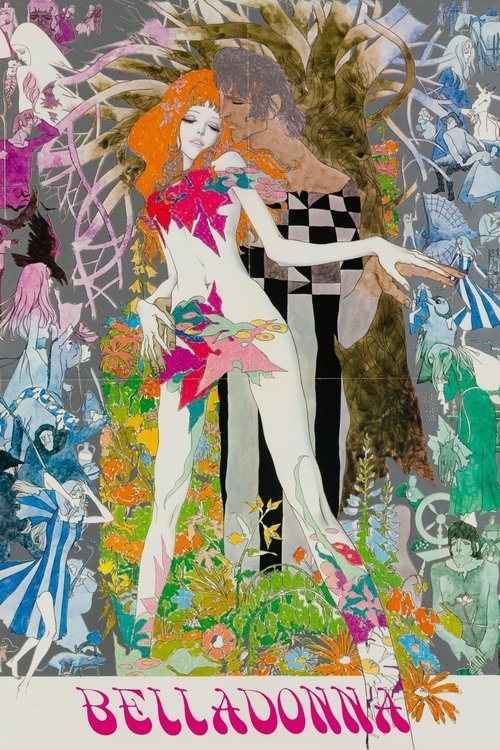
Belladonna of Sadness1973
Both are Japanese fantasy built from folkloric rage; both feature a wronged woman whose pursuit of power and justice becomes the entire moral engine of the story.
A medieval peasant girl sold into marriage makes a deal with the devil. Rotoscoped animation, Baudelaire poetry, genuinely transgressive—a feminist folk-horror opera in paint and darkness.
But Sexual violence is central and explicit. It's an animated film that's aggressively not for children and not concerned with comfort.
People
Cast
 Hiroko YakushimaruPrincess Shizu
 Hiroyuki SanadaInue Shinbei Masashi
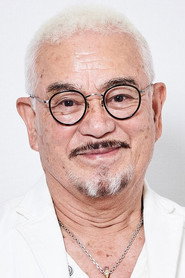 Sonny ChibaInuyama Dosetsu Tadatomo
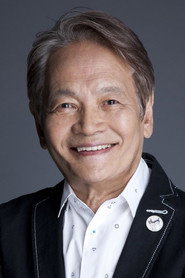 Minori TeradaInumura Daikaku Masanori
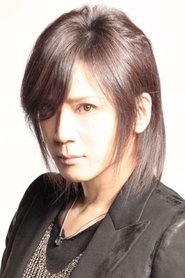 Masaki KyomotoInuzuka Shino Moritaka
 Etsuko ShihomiInusaka Keno Tanetomo
- Takuya FukuharaInukawa Sosuke Yoshito
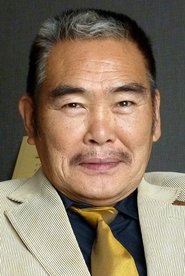 Shunsuke KariyaInuta Kobungo Yasuyori
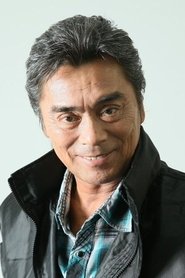 Kenji OhbaInukai Genpachi Nobufuchi
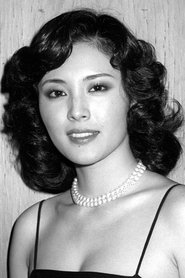 Keiko MatsuzakaPrincess Fuse (voice)
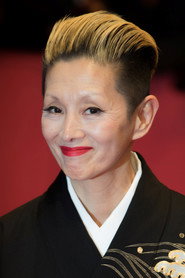 Mari NatsukiTamazusa
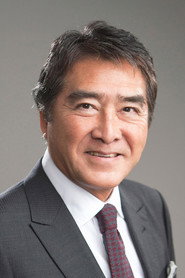 Yūki MeguroHikita Gonnokami Motofuji
Directing
- Yoshikuni MatsunagaAssistant Director
- Kinji FukasakuDirector
Writing
- Toshio KamataNovel
- Kinji FukasakuScreenplay
- Toshio KamataScreenplay
Production
- Haruki KadokawaProducer
- Hiroshi SugawaraProducer