Television series
SF Saiyuuki Starzinger
A 1978 space opera following Princess Aurora and three cyborg companions on a galactic mission to restore balance to the universe. Colorful, earnest, and wonderfully weird, it blends Eastern sensibility with Star Trek ambitions. For anyone who loves retrofuturistic design, anime adventure, and stories that swing for the fences without cynicism.
Should you watch it?
Watch it if you love episodic space-road adventures with a loyal ragtag band, the kind of old-school pulp that trades polish for pure momentum and goofy heart.
Skip it if you need slick modern animation or a tight story that resolves cleanly, since this 1978 series looks dated and runs 82 episodes at 25 minutes each.
What it asks of you: Expect a long haul: 82 episodes of roughly 25 minutes each across two seasons, best taken in small doses, with light episodic adventures rather than dense dramatic tension.
Not sure? Find tonight's pick in a minute.
If you liked this
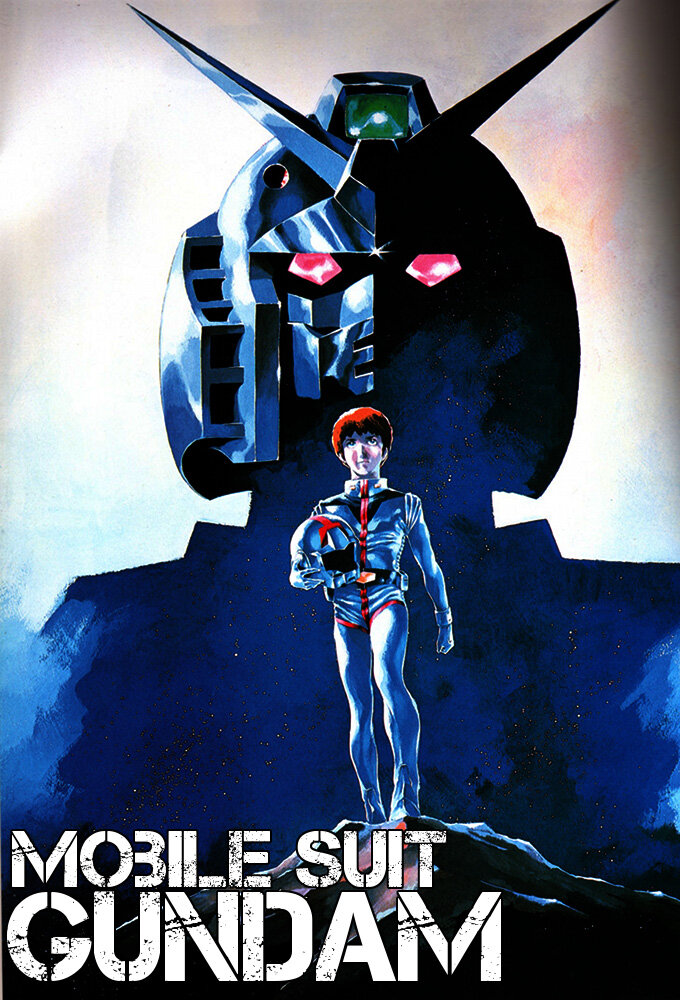
Mobile Suit Gundam1979
Groundbreaking mecha anime that proved the form could sustain serious storytelling. Political intrigue, real consequences, and a hero you're genuinely uncertain about. The template for everything that followed.
But Slower paced than modern action anime, with episodes that linger on dialogue and strategy rather than constant kinetic movement.
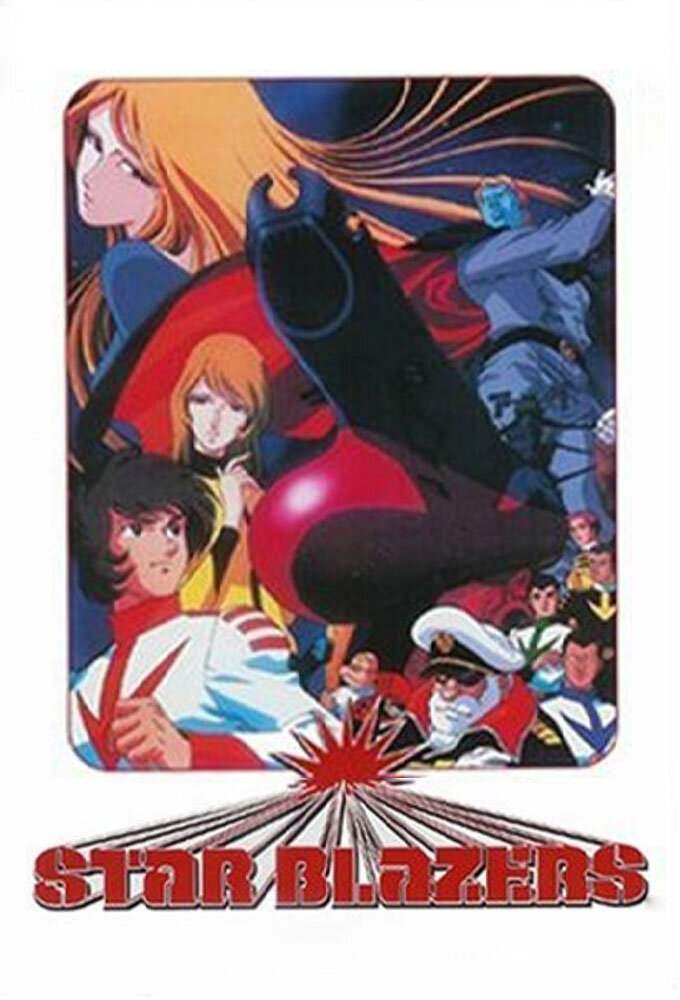
Star Blazers1974
The spiritual ancestor of everything epic in anime. A ragtag crew races across the cosmos on a desperate mission with genuine stakes and real loss. Gorgeous, melodic, and surprisingly moving.
But The animation is deliberately static in places—that's the budget talking, and it won't appeal if you need constant visual motion.
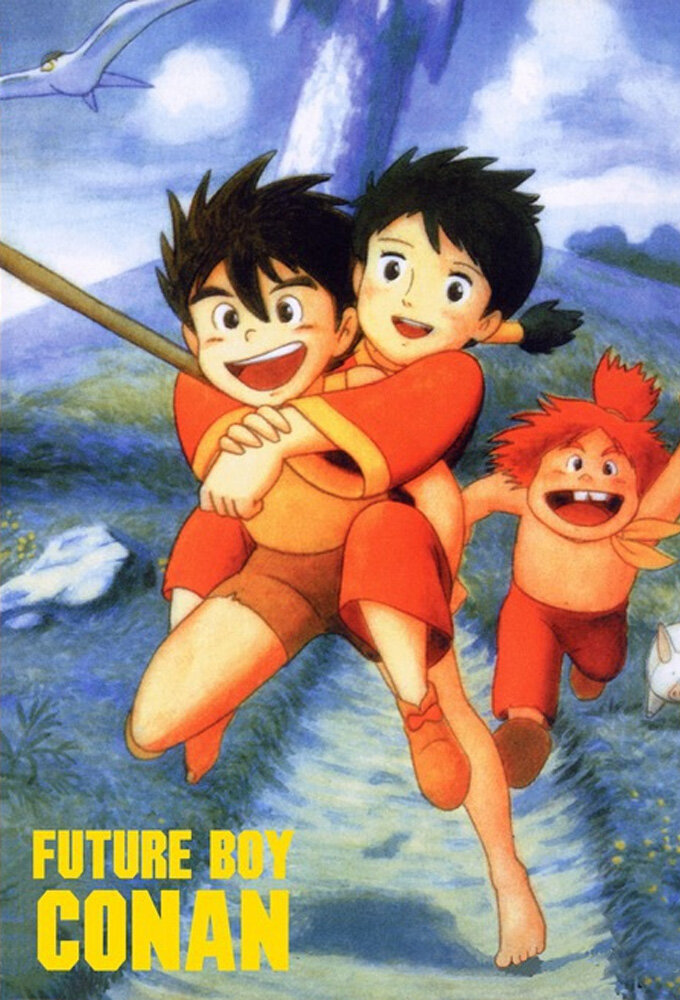
Mirai Shounen Konan1978
Miyazaki's only TV directorial work: a post-apocalyptic adventure with the same sense of wonder and character warmth you want. Optimistic without being naive. Thrilling and genuinely tender.
But It's a complete narrative across 26 episodes, so commitment required. Also harder to find than his films, with spotty availability outside Japan.
Not sure tonight? Get a pick in a minute, starting from SF Saiyuuki Starzinger
The wildcard
Something you would not have found on your own.
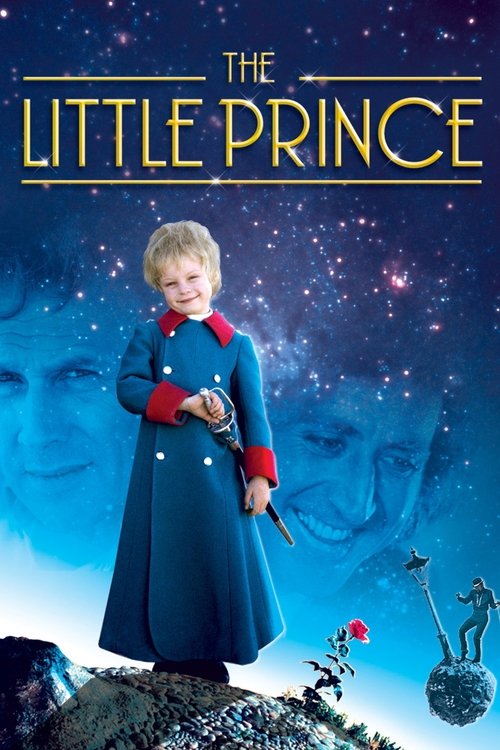
The Little Prince1974
Both follow a royal figure on an odyssey through strange worlds, seeking to understand cosmic imbalance. Both are interested in loneliness and wonder rather than conquest.
Lerner and Loewe's musical adaptation is visually surreal and narratively strange in ways the book never quite attempted. A prince journeys between worlds seeking meaning—earnest, vulnerable, genuinely weird.
But It's a musical, it's live-action, and it's tonally experimental in ways that can feel uneven. Some sequences veer into uncomfortable territory.
More like this (5)
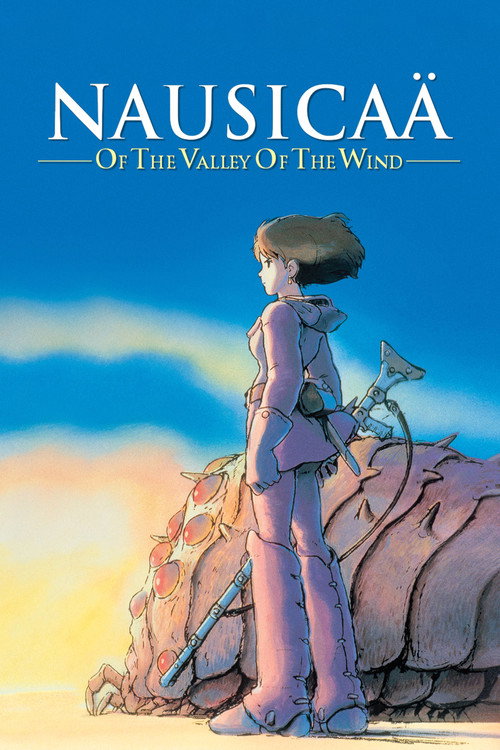
Warriors of the Wind1984
Miyazaki's masterpiece: a princess on a desperate mission across a poisoned world. Visual poetry, genuine heroism, ecology as drama. Everything anime adventure could be.
But It's a film, not a series, so you're in and out in two hours. Some find the pacing meditative rather than thrilling.
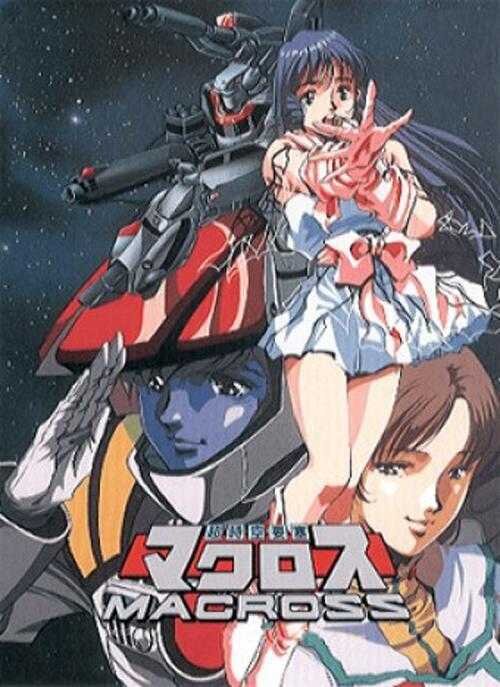
Macross1982
Space-faring military mecha anime where giant robots, romance, and pop music all matter equally. Structurally inventive, visually daring, endlessly rewatchable. A genuine classic.
But The middle section drags slightly, and the love triangle can feel thin if you're not invested in the soap opera elements.
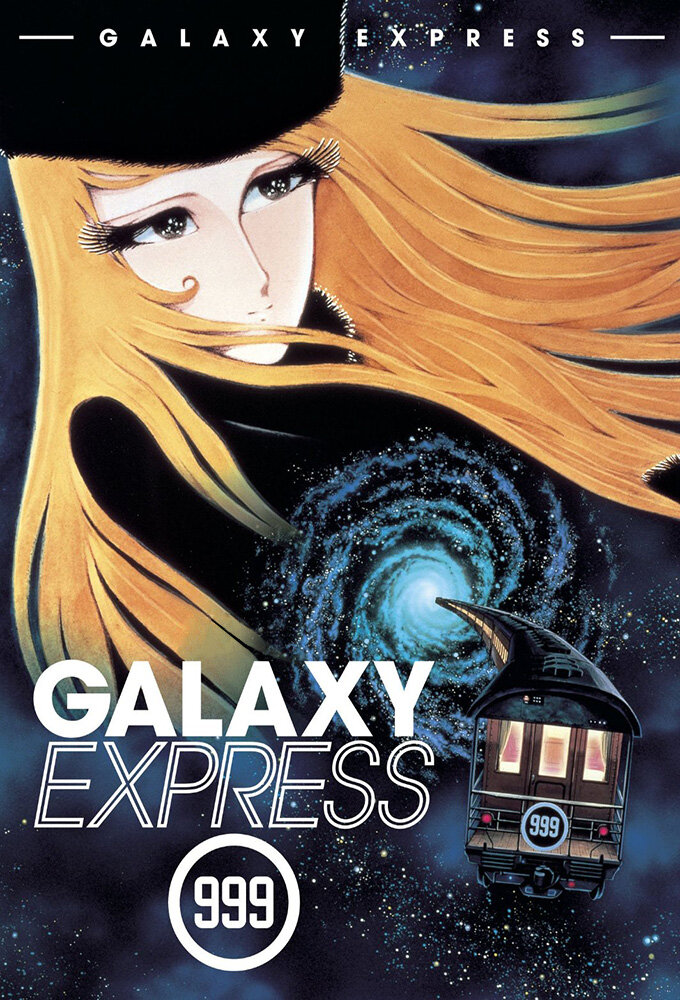
Galaxy Express 9991978
A train travels through space carrying a boy seeking immortality and the immortal woman beside him. Episodic, philosophical, gorgeously melancholic. More interested in mood than plot.
But Deliberately slow and introspective. If you want propulsive action, this wanders—though that's precisely why it's worth watching.
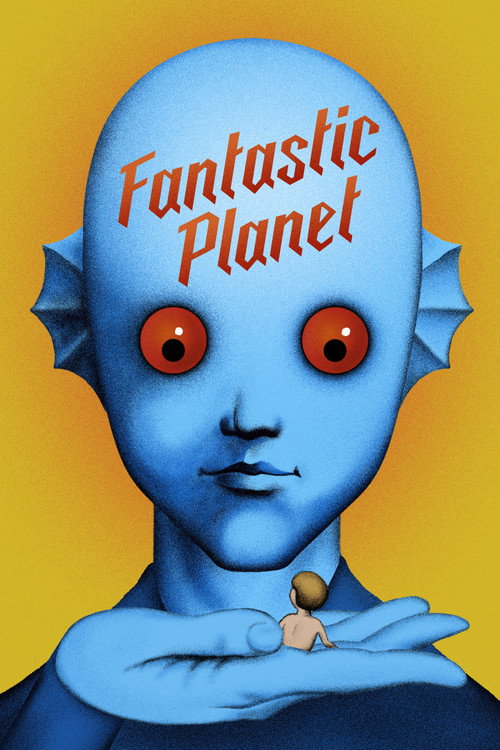
Fantastic Planet1973
Both use outlandish visuals and cosmic scope to explore what happens when different species share a world. Both ask what balance actually means when power is so unequal.
A Czech stop-motion fever dream about humanoids enslaved by giant blue aliens on an alien world. Surreal, unsettling, visually unforgettable. Science fiction as pure visual storytelling.
But It's deliberately alien and dreamlike—if you need conventional narrative or clear dialogue, you'll be frustrated. The brutality is real, not sanitized.
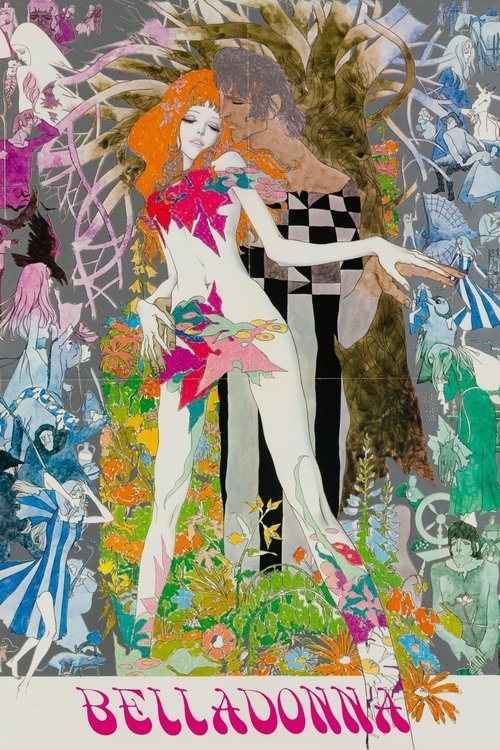
Belladonna of Sadness1973
Both use intensely stylized color and cosmic metaphor to tell stories about imbalance and restoration, but Belladonna shows the cost of that journey where Starzinger shows the hope.
A medieval woman makes a Faustian bargain with a demon to escape abuse. Literally painted animation, hallucinatory colors, and a sensuality that anime wouldn't touch again. Visually hypnotic and genuinely disturbing.
But It's sexually explicit and centered on suffering. The narrative is bleak and the ending doesn't resolve. This isn't fun—it's art that wounds.