
Film
Seoul Station
A visceral animated zombie outbreak in Seoul that unfolds across one desperate night. Rawer and grittier than the live-action *Train to Busan*, it trades spectacle for claustrophobia and social indifference—watching strangers become infected while the city's indifference compounds the horror. For fans of horror who appreciate animation as a tool for unflinching realism.
Should you watch it?
Watch it if you like animated horror that uses its zombie outbreak to skewer the indifference of a city and the people who let the vulnerable fall through its cracks, the way Yeon Sang-ho's Train to Busan does with its train.
Skip it if you want the outbreak played for thrills alone, since the bleak social anger and the slow-building dread of its characters' failures weigh on every scene and rarely let up for relief.
What it asks of you: It runs about ninety-two minutes and stays grim and unhurried, asking you to sit with frightened, flawed people and an animation style that is raw and deliberately unpolished.
Not sure? Find tonight's pick in a minute.
If you liked this
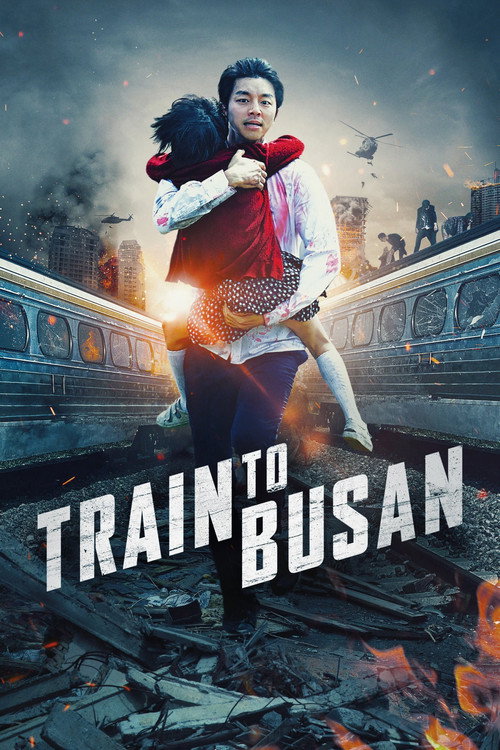
Train to Busan2016
The spiritual sibling: same director, same outbreak, same year, but on a speeding train where escape is impossible. Bigger action, more heart-stopping set pieces, easier entry point to this universe.
But It's more blockbuster than *Seoul Station*—if you want the grittier version first, this one is glossier and more conventionally heroic.
The Wailing2016
Korean horror at its most unsettling: a village cursed by an unknown presence, with dread building through ambiguity rather than jump scares. Same year, same country, same refusal to comfort the audience.
But It's slower, stranger, and resists easy answers. If you need a clear narrative or resolution, this will frustrate you.

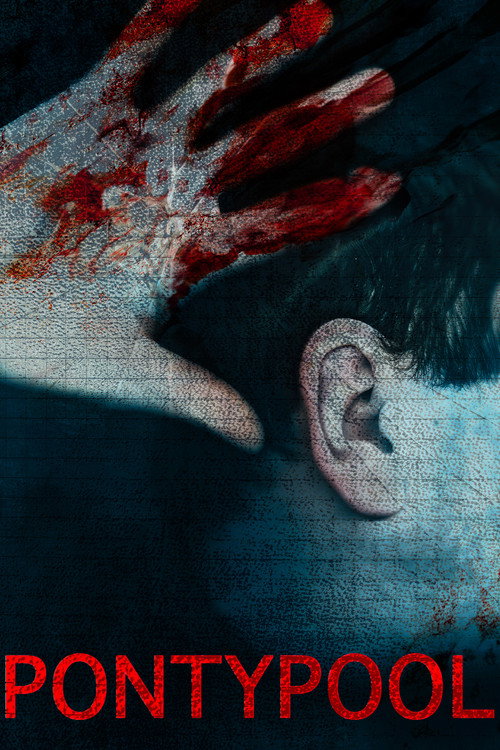
Pontypool2009
An outbreak told almost entirely inside a radio station: language itself becomes the vector. Claustrophobic, smart, and horrifying in ways that don't rely on gore. Proves zombie stories work best when you can't see everything.
But Dialogue-heavy and deliberately constrained in scope. It's cerebral when you might want visceral.
Not sure tonight? Get a pick in a minute, starting from Seoul Station
The wildcard
Something you would not have found on your own.
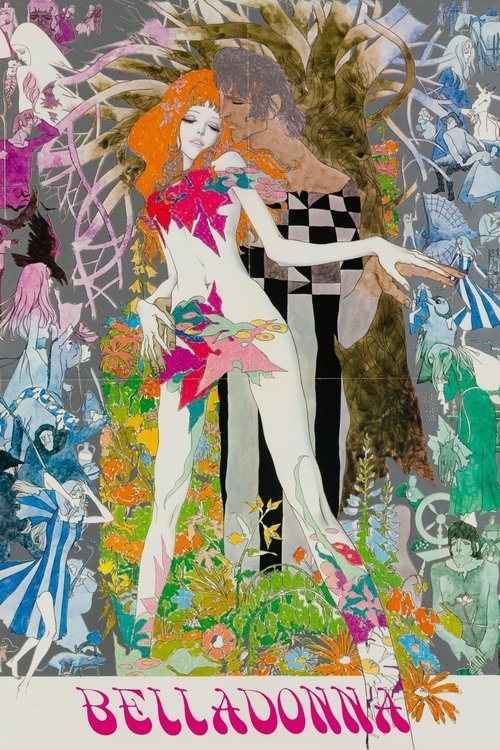
Belladonna of Sadness1973
Both use animation to show something live-action would sanitise: the interior horror of violated bodies and the city's casual cruelty. Both are about women surviving in worlds that have already written them off.
A feature-length hand-painted animation about a woman's descent into darkness after sexual violence, using lysergic colour and grotesque beauty to depict psychological contamination. Animation as high art about trauma, not spectacle.
But Extremely experimental, sexually explicit, and the animation is so unusual it actively disturbs. Not a comfortable watch in any register.
More like this (8)
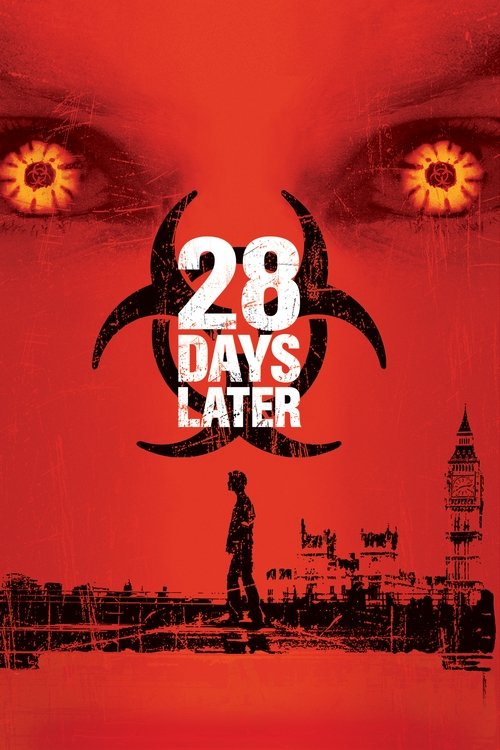
28 Days Later2002
The modern infected film that proved outbreaks could be terrifying without zombies. A waking nightmare through an emptied London, with infected that move like prey animals. Pure dread architecture.
But The shaky-cam style hasn't aged well for some viewers. The ending divides people sharply.
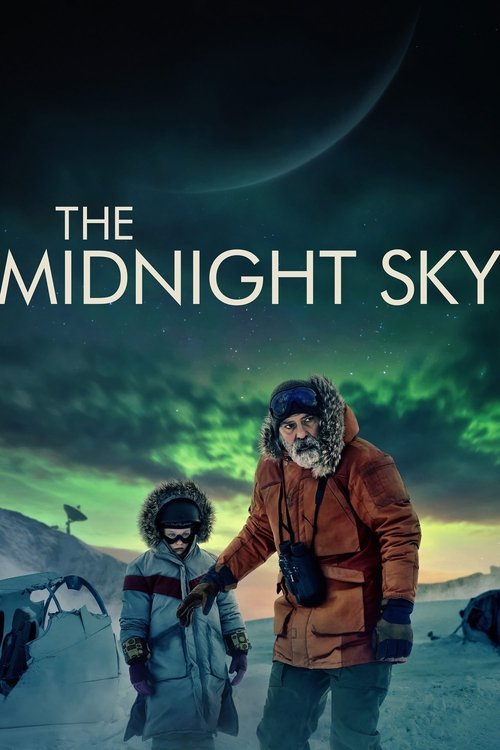
The Midnight Sky2020
Isolation and infection from a different angle: one man alone on a space station, broadcasting warnings about a plague below. Different scale, same suffocating tone about being trapped while the world ends.
But Slow-burn sci-fi with long stretches of loneliness. If you want momentum, this breathes too deliberately.
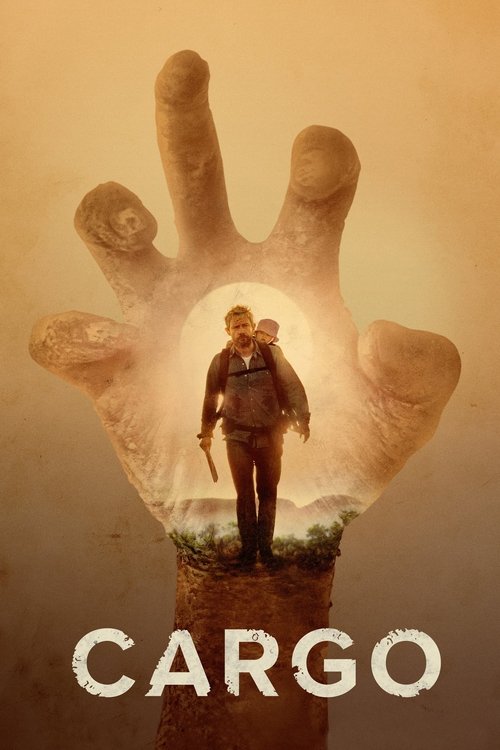
Cargo2017
An Australian animated short (18 minutes) that deconstructs zombie mythology with deadpan humour and unexpected tenderness. Proof that the genre has room for voices beyond survival-horror cliché.
But It's very short and very bleak. Humour this dry won't land for everyone.
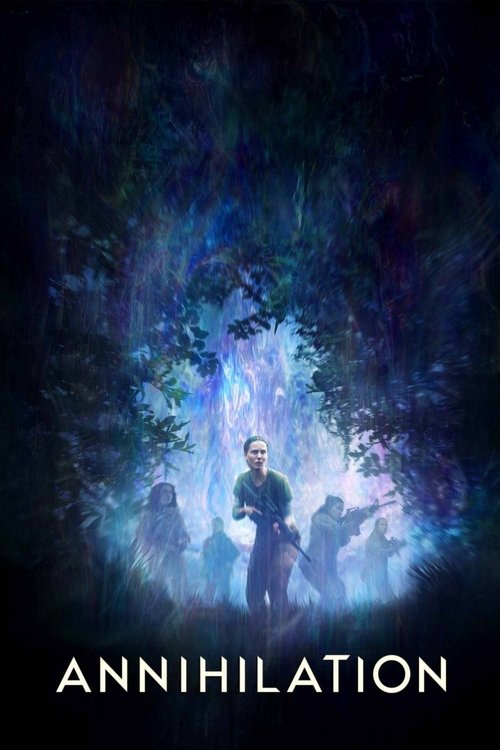
Annihilation2018
An alien contamination zone that warps everything inside it, shot with the same unsettling visual grammar as *Seoul Station*: beautiful and deeply wrong. Slow-burn sci-fi horror about transformation rather than invasion.
But Deliberately vague and atmospheric rather than explanatory. It leaves massive questions unanswered by design.
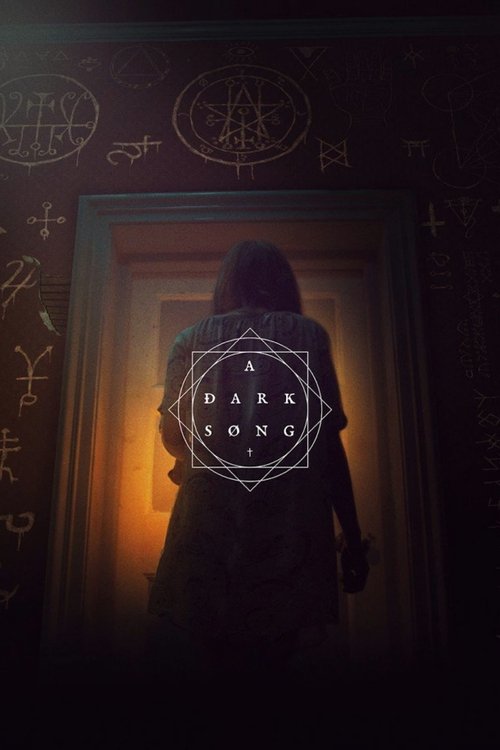
A Dark Song2016
Grief as contagion: a woman and a stranger locked in a room performing an occult ritual, their emotional damage becoming as infectious as any virus. Same year, same exploration of how desperation warps people.
But Slow, dialogue-driven, and spiritually bleak. It's about suffering, not surviving, and offers no catharsis.
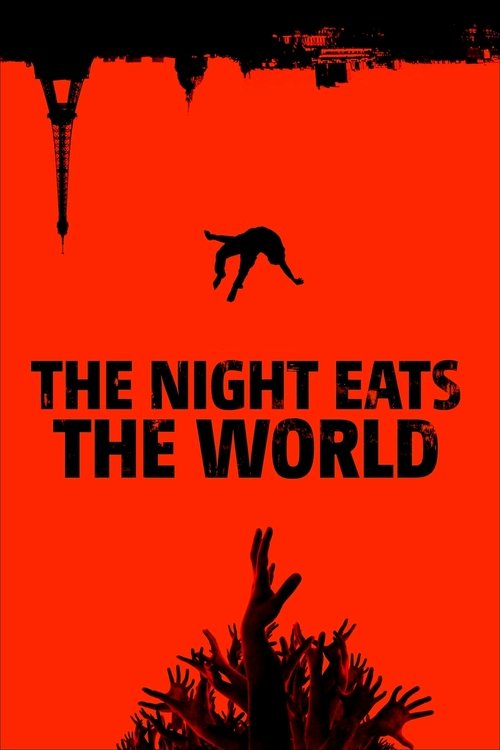
The Night Eats the World2018
A solo man in a Paris apartment as infected swarm outside. Minimal dialogue, maximum dread. Shows how constraint—one location, one character—can generate more tension than armies of undead.
But Very slow and very lonely. Long stretches without dialogue or incident might feel static.
Come and See1985
Both show infection (literal and moral) spreading through indifference. Both refuse to look away when the city stops caring who dies. Both end with the audience hollowed out.
A Belarusian film about a boy conscripted into war. Not horror, but more horrifying than most horror films: a systematic documentation of how atrocity infects everything it touches. One of cinema's most devastating experiences.
But Black-and-white, four-hour runtime, and unbearably bleak. It is genuinely a difficult watch; treat it like a trial.

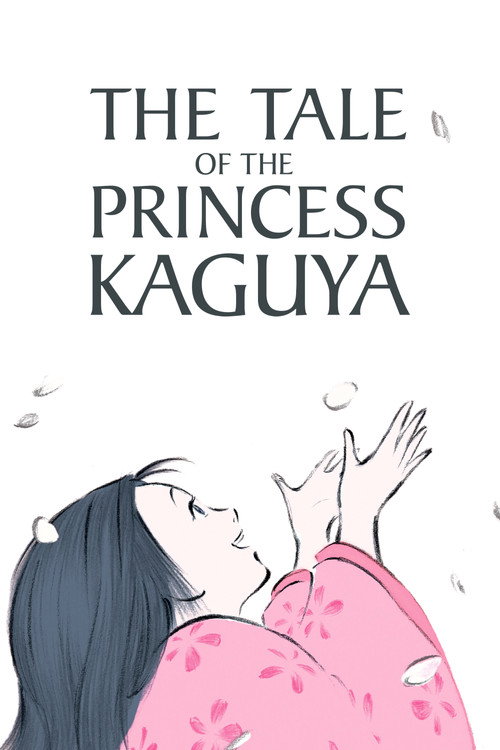
The Tale of The Princess Kaguya2013
Both are animated films about people trying to survive systems that don't value their survival—one literal plague, one social. Both end in quiet devastation rather than triumph.
A studio Ghibli feature about a girl destroyed by the world's expectations, told in watercolour animation that looks like it's being drawn in front of you. Heartbreaking, strange, and proof animation can devastate through beauty rather than gore.
But Deliberately paced and more interested in mood than plot. Ghibli fans have been split by its lack of action and narrative drive.
People
Cast
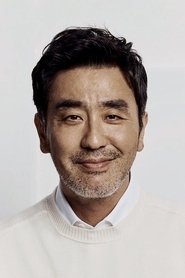 Ryu Seung-ryongSuk-gyu (voice)
 Shim Eun-kyungHye-sun (voice)
 Lee JoonKi-woong (voice)
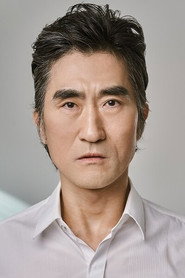 Kim Jae-rokMr. Lee (voice)
 Jang Hyuk-jinMr. Kim (voice)
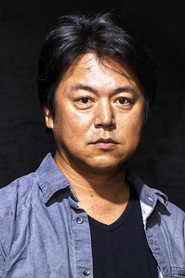 Kim Dae-heungYoung Man 1 (voice)
 Yeon Sang-hoYoung Man 4 (voice)
 Kim Nam-jinPharmacist (voice)
Directing
- Yeon Sang-hoDirector
Writing
- Yeon Sang-hoWriter
Production
- Lee Dong-haProducer
- Suh Young-jooProducer
- Yeon Sang-hoProducer