
Film
Radioactive Dreams
A post-nuclear-war comedy where two teenagers raised on 1940s detective fiction emerge from their bunker to find a mutant-infested wasteland. They talk like noir gumshoes, dress like gangsters, and solve mysteries with genuine bewilderment. It's Ed Wood meets Mad Max by way of a high school drama class—cheap, weird, and utterly unashamed of itself.
If you liked this
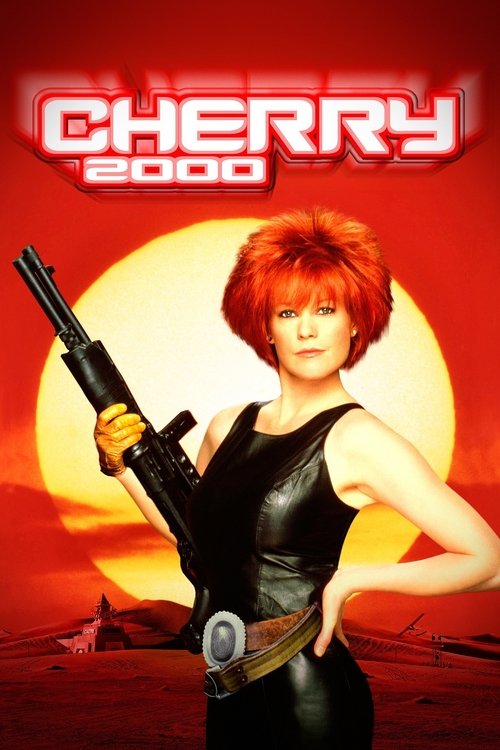
Cherry 20001987
Post-apocalyptic action-comedy with the same gleeful disregard for plausibility and budget constraints. Melanie Griffith and David Andrews navigate ridiculous obstacles with charm and pratfalls; the world-building is creative junk held together with duct tape and dreams.
But The action sequences are barely competent and the dialogue often feels improvised. If you need tight plotting or professional execution, this will frustrate you.
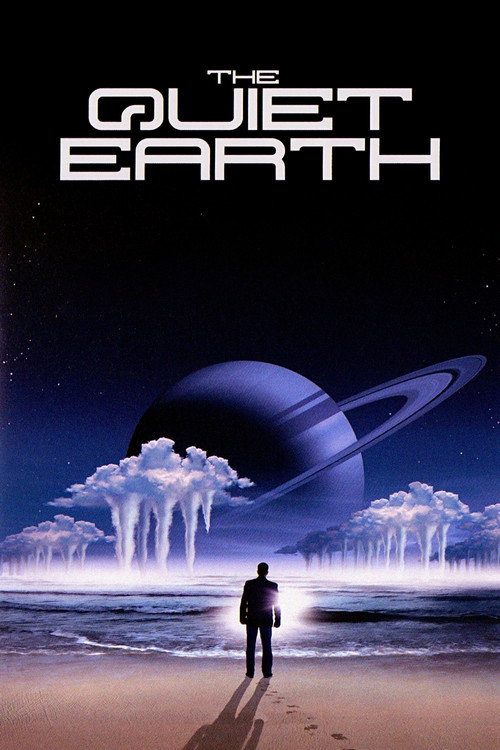
The Quiet Earth1985
A survivor-in-a-dead-world film with genuine melancholy underneath. Bruno Lawrence's performance carries a real weight—he's stranded alone after an experiment goes wrong, and the emptiness of the world becomes genuinely unsettling and beautiful.
But It's slow, introspective, and mostly quiet. There's no action, and it trades spectacle for mood. Not for anyone wanting constant entertainment.
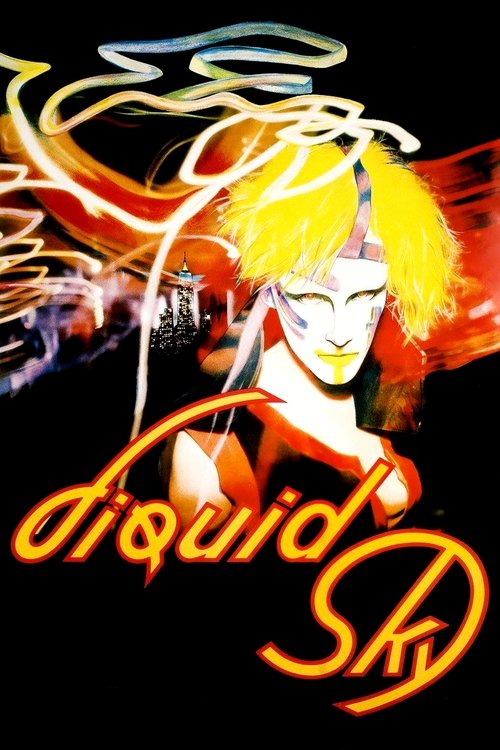
Liquid Sky1982
A genuinely alien post-punk fever dream about a tiny UFO drawn to Manhattan by human heroin use. The synth soundtrack is hypnotic, the acting is deliberately mannered and strange, and nothing here exists in normal narrative space. Pure visual and sonic texture.
But It's deliberately artificial and meditative. The plot is minimal, the pacing is glacial, and it's visually ugly in a way that takes active appreciation. Most viewers find it boring or pretentious.
Not sure tonight? Get a pick in a minute, starting from Radioactive Dreams
The wildcard
Something you would not have found on your own.
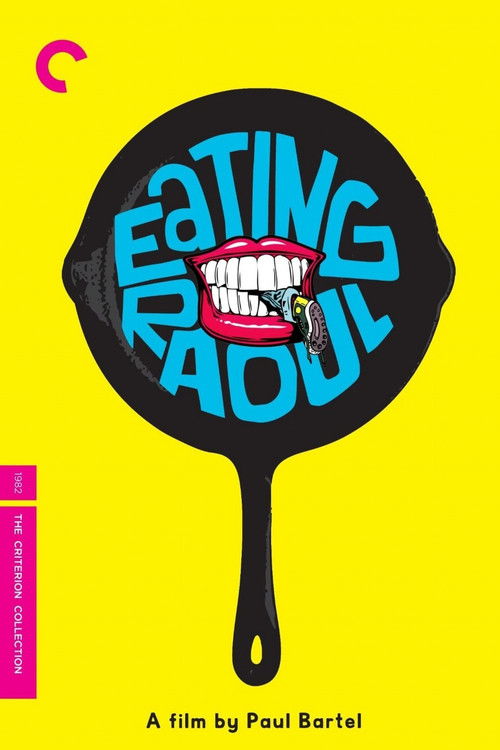
Eating Raoul1982
Both are low-budget comedies from the 1980s that use trash-culture references and genre pastiche as their actual subject. Both find absurdist humor in a world falling apart, and both commit fully to ideas that would embarrass a bigger production.
A couple kills swingers for profit in Reagan-era Los Angeles. It's a dark comedy about ordinary people, executed with perfect pitch—deadpan, shocking, and genuinely funny. The performance from Paul Bartel is unsettling and subtle; the satire is quiet and cutting.
But It's a film about cannibalism and class resentment played as domestic comedy. If you need your satire obvious or your humor warm, this will feel cold and cruel. Also genuinely disturbing.
More like this (8)
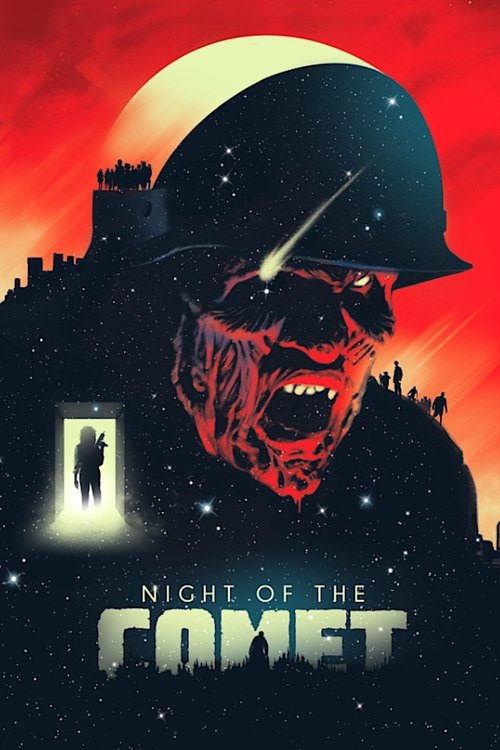
Night of the Comet1984
Two valley girls navigate a comet-depopulated Los Angeles with wisecracks and machine guns. It's funny, surprisingly smart about how it treats its characters, and has real chemistry between leads. Low-budget science fiction that understands how to have fun.
But The action is cheap and the special effects are visibly terrible. If you're watching for spectacle, you'll be disappointed by how much is just two people in empty parking lots.
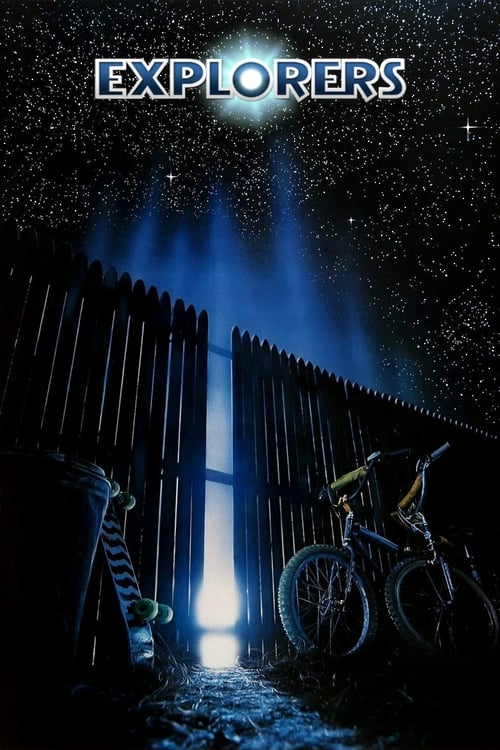
Explorers1985
Three kids build a spaceship from scrap and wonder. Joe Dante directs with real warmth; it's about the pleasure of imagination and invention rather than cynicism. The dialogue crackles, and you genuinely like these characters.
But The third act pivots into something darker and more sci-fi weird that not everyone buys. Some find the tonal shift jarring instead of bold.
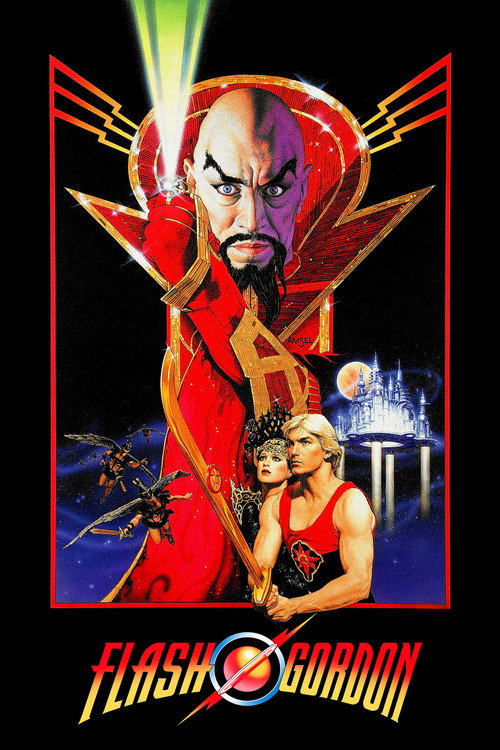
Flash Gordon1980
Pure campy fun with a perfect Queen soundtrack and a cast committed to the absurdity. It's intentionally goofy, visually garish, and knows exactly what it is. Decoration and style over substance, but the style is infectious.
But It's silly in a way that can feel exhausting if you want anything grounded or serious. The camp can become wearing if you're not in the mood for it.
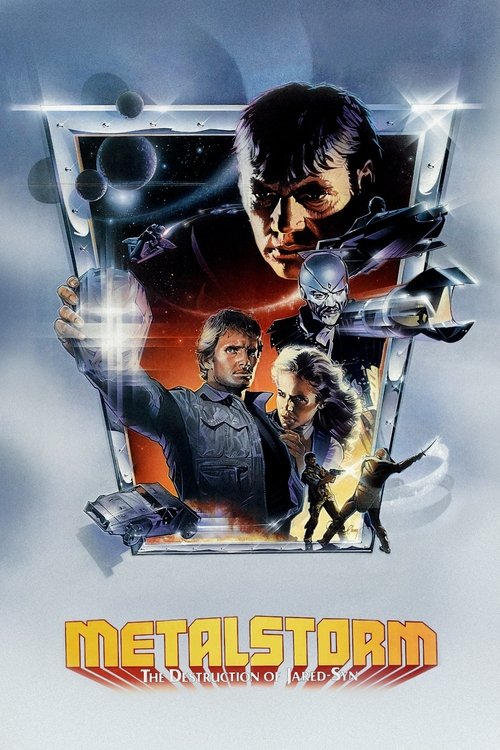
Metalstorm: The Destruction of Jared-Syn1983
Post-apocalyptic desert action with actual stunts and a committed B-movie energy. Jeffrey Byron fights mutants and bounty hunters in a world that looks genuinely weird. It takes itself seriously even when it shouldn't, which is oddly endearing.
But The dialogue is stilted, the plot is threadbare, and it moves at a plodding pace. You're watching for atmosphere and strangeness, not for story momentum.
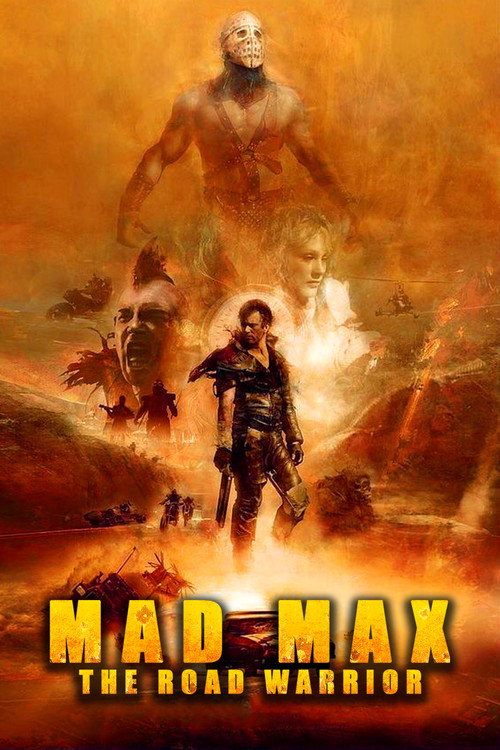
Mad Max 21981
The gold standard of post-apocalyptic action. George Miller directs with kinetic precision; the vehicle designs are brilliant, the action sequences are perfectly choreographed, and Mel Gibson is effortlessly charismatic. Pure cinema.
But It's heavy on spectacle and light on character development. If you need emotional depth or complex plotting, the simplicity will feel thin.
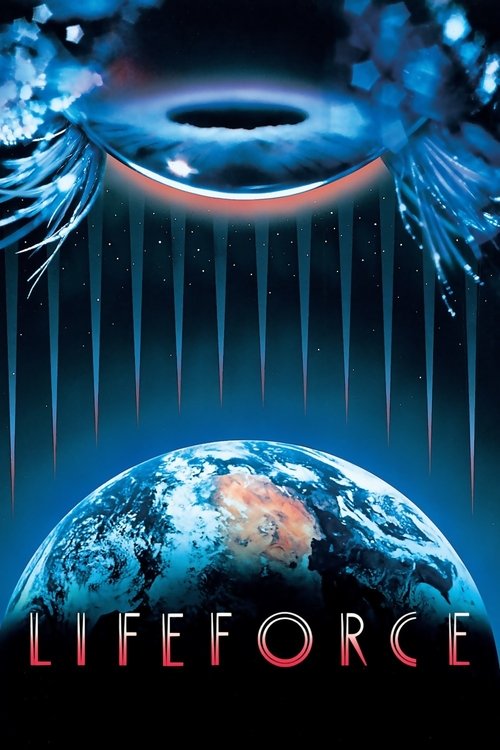
Lifeforce1985
A vampire-from-space epic that swings wildly between horror, eroticism, and science fiction. It's visually elaborate, strange, and genuinely unafraid to be ridiculous. Tobe Hooper directing at full baroque intensity.
But The tone is all over the place and the script is incoherent. It's fascinating but frustrating—you're never sure what the film wants to be.
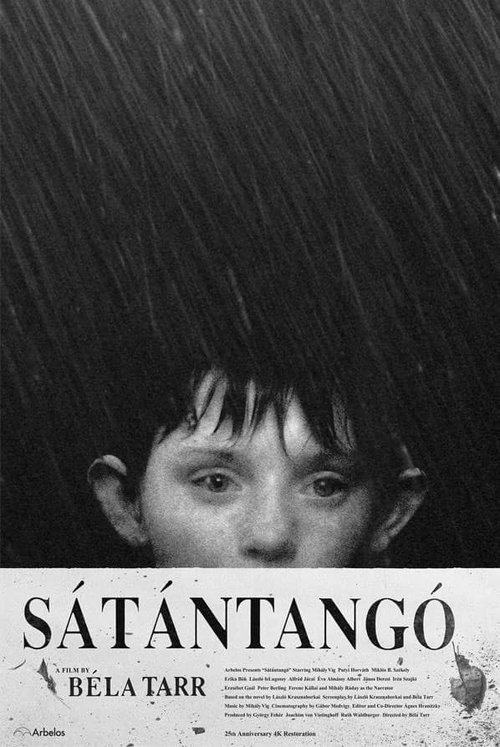
Satantango1994
Both are about people trying to make sense in a world that has come apart. Radioactive Dreams finds anarchic comedy in collapse; Sátántangó finds tragic inevitability in it. They're opposite registers of the same vision—one laughing, one mourning.
A seven-hour Hungarian film about a community on the edge of collapse, shot in grayscale, paced like a funeral. It's hypnotic and severe; Béla Tarr builds entire worlds from stillness. If you let it, it rewires how you think about cinema and time.
But It's seven hours long. It moves like molasses. There is almost no plot, and the philosophy is relentless and bleak. Most people will find it unbearably slow, and they won't be wrong.
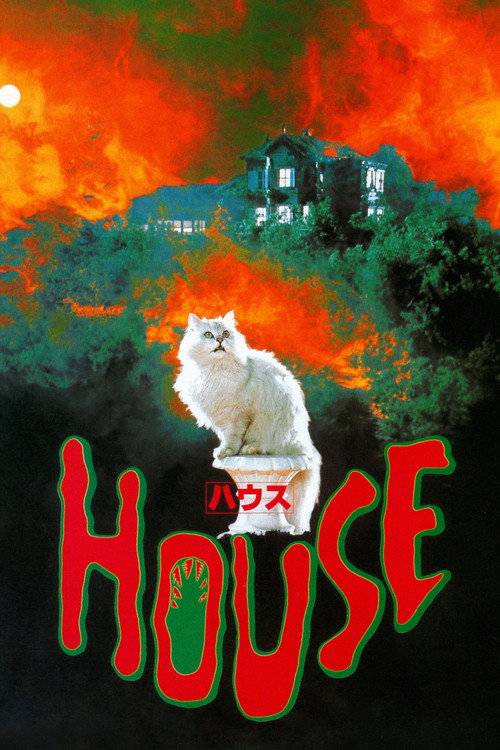
House1977
Both are films that abandon conventional narrative for pure atmosphere and style. Both were made cheap and on the margins. Both trust that strangeness and visual invention are entertainment enough, and both commit fully to a singular vision instead of explaining themselves.
A schoolgirl and six friends visit an old house. It's Japanese surrealism that doesn't explain itself—a visual essay that moves like a dream, or a pop song. Colors are impossible, logic dissolves, and it's genuinely eerie and beautiful and strange.
But There is no plot to speak of. It's pure mood and image, with occasional deadpan dialogue that doesn't resolve into narrative. If you need story or emotional continuity, this will feel like watching a fever dream in someone else's language.
People
Cast
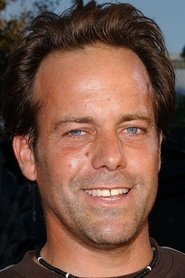 John StockwellPhillip Chandler
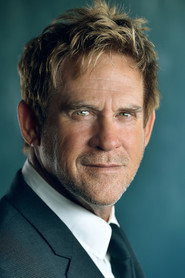 Michael DudikoffMarlowe Hammer
 Lisa BlountMiles Archer
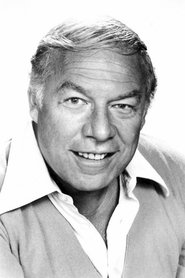 George KennedySpade Chandler
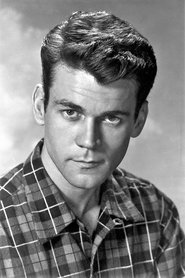 Don MurrayDash Hammer
 Michele LittleRusty Mars
 Norbert WeisserSternwood
- Paul Keller GalanHarold
 Demian SladeChester
- Christian AndrewsBrick Bardo
 Hilary ShepardBiker Leader
- Sue SaadPunk District Singer
Directing
- Albert PyunDirector
- Benita BrazierScript Supervisor
- Roger HolzbergSecond Unit Director
Writing
- Albert PyunWriter
Production
- Michael Thomas SlifkinAssociate Producer
- Roger HolzbergAssociate Producer
- Janet HirshensonCasting
- H. Frank DominguezExecutive Producer
- Hunter JohnsonLine Producer
- Beth TateLocation Manager
- Moctesuma EsparzaProducer
- Tom KarnowskiProducer