
Film
Wisconsin Death Trip
- Crime
- Very dark
Wisconsin Death Trip excavates the true darkness lurking beneath small-town American respectability. Using archival documents, contemporary photographs, and blackly ironic narration, James Marsh reconstructs a cascade of suicides, murders and mental breakdowns that seized Black River Falls in the 1890s. It's hypnotic and deeply unsettling—a meditation on how a community's veneer can crack catastrophically.
Should you watch it?
Watch it if you are drawn to fractured, archival storytelling that treats old photographs and local newspaper gossip as evidence, and you don't mind a film that builds its unease from stillness and a narrator's measured voice.
Skip it if you want a conventional plot with characters to follow, since this stitches together fragments of real records and reenactments that rarely settle into one story you can hold onto.
What it asks of you: Seventy-six minutes, but it moves slowly and sits heavily on each image, so you need patience and a tolerance for bleakness rather than any payoff of suspense.
Not sure? Find tonight's pick in a minute.
If you liked this
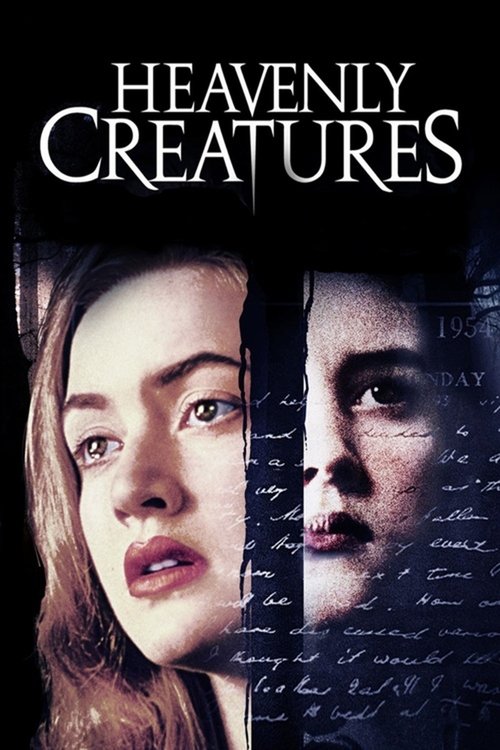
Heavenly Creatures1994
Peter Jackson's portrait of two girls whose shared fantasy world erupts into murder. Like Wisconsin Death Trip, it finds the terror in isolation and the fragility of sanity beneath ordinariness.
But Stylistically very mannered, and the violence comes suddenly. Some will find the aesthetic choices excessive for the material.
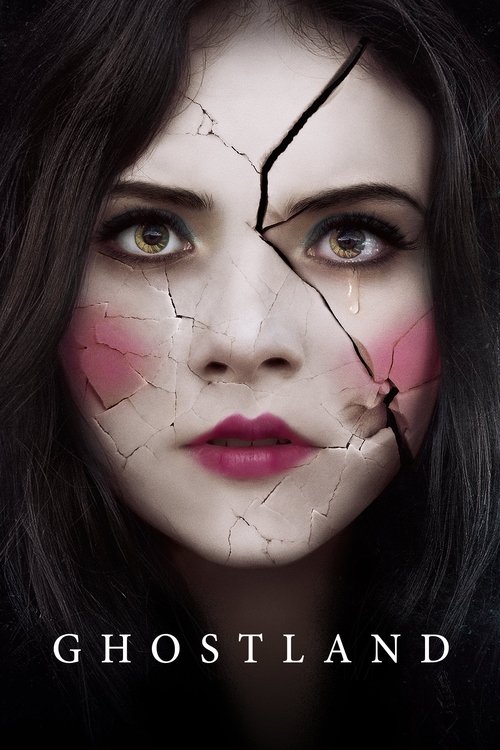
Ghostland2018
Pascal Laugier's study of trauma and how communities bury their sins. Visual and unsettling, it builds dread through architecture and suppressed memory rather than jump scares.
But Extremely bleak and deliberately obscure in places. Won't hold your hand through its narrative.
The Act of Killing2012
A documentary that watches men reenact mass murder they committed, creating something philosophically vertiginous about confession and complicity. Fascinatingly, horrifyingly structured.
But Very long (two hours-plus) and morally complex in ways that can feel uncomfortable rather than clarifying. Some may find it exploitative.

Not sure tonight? Get a pick in a minute, starting from Wisconsin Death Trip
The wildcard
Something you would not have found on your own.
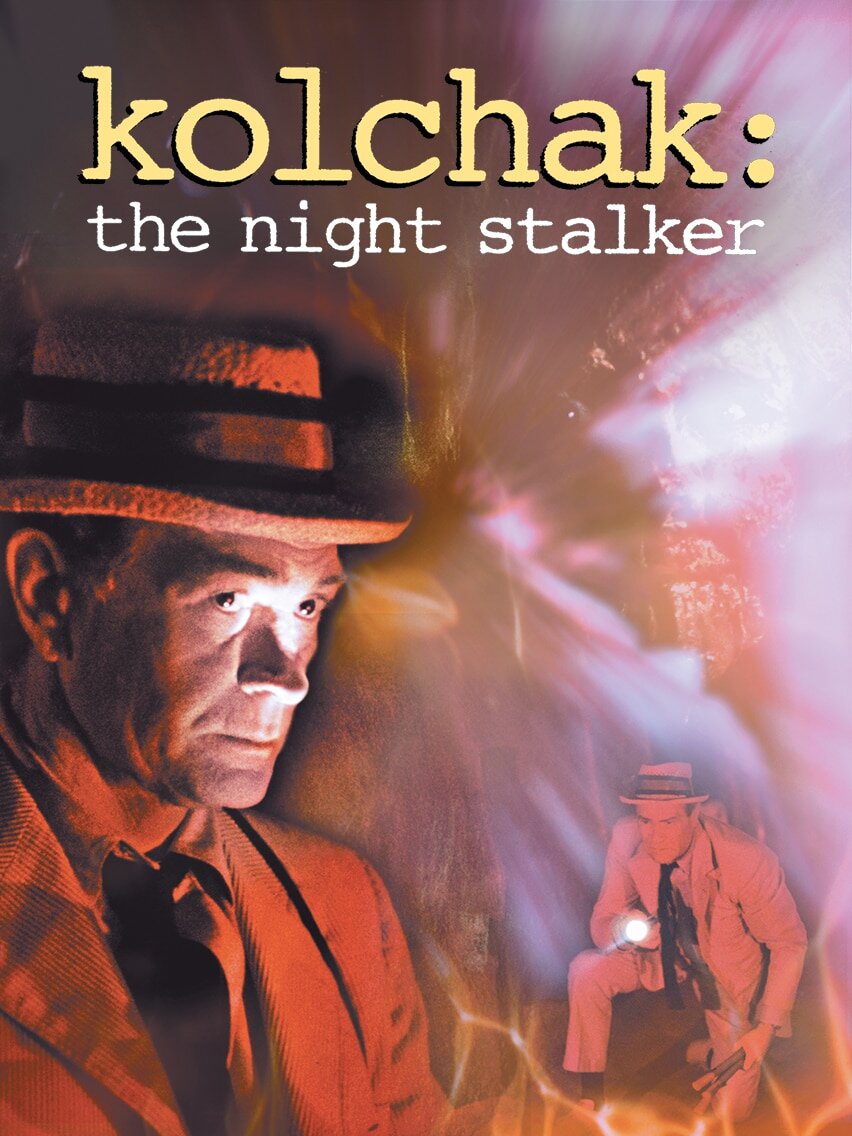
Kolchak: The Night Stalker1972
Both use period documentation, archival materials, and the intersection of the rational and irrational to suggest that darkness isn't sensational—it's ordinary.
Darren McGavin's weekly investigation of the supernatural and unexplained. Stylistically it's mood and suggestion over gore—the horror is in the uncertainty. Like Wisconsin Death Trip, it trusts atmosphere.
But Made for television in 1974, so the special effects are negligible. Very slow by modern standards.
More like this (8)
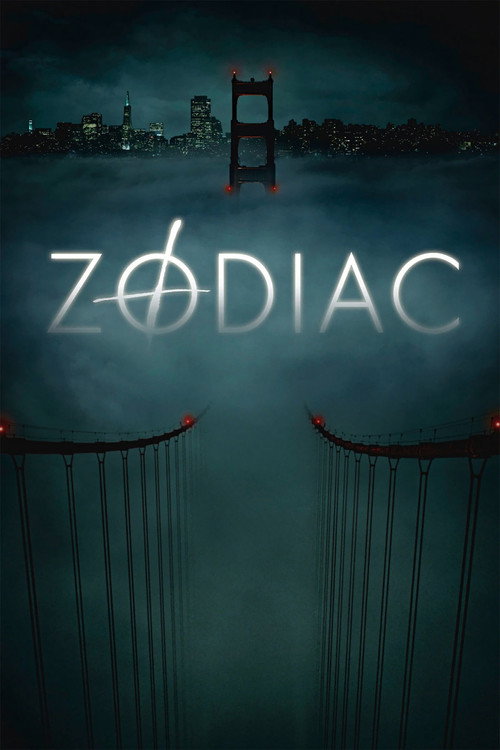
Zodiac2007
Fincher's procedural about obsession and the hunt for a killer in Northern California. Methodical, precise, built from documents and photographs like Marsh's film.
But Glacial pacing and an ending that doesn't resolve the case. If you want narrative closure, this isn't it.
The Wailing2016
South Korean horror-mystery where a small village's certainties collapse in the face of inexplicable evil. Gorgeously shot, theologically serious, builds genuine dread.
But Two and a half hours, deliberately ambiguous, and sometimes frustratingly opaque about what's actually happening. Demands active interpretation.

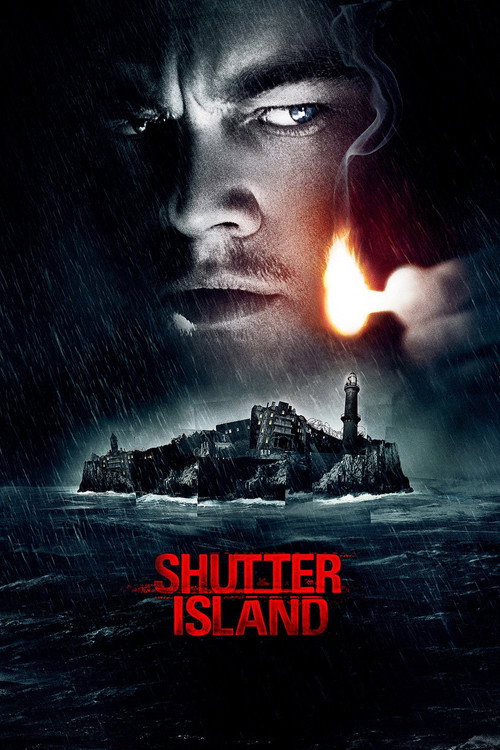
Shutter Island2010
Scorsese and DiCaprio explore institutionalized trauma and fractured memory. Visually rich and narratively playful in ways that echo period-noir aesthetics.
But The twist can feel gimmicky on second viewing. Some find Scorsese's stylization too mannered for the psychological material.
The Killing of a Sacred Deer2017
Yorgos Lanthimos's portrait of a family's destruction from within. Methodical, eerily formal, built on the scaffolding of Greek tragedy applied to suburban America.
But Deliberately artificial dialogue and a glacial pace. The artifice will alienate anyone looking for naturalistic drama.

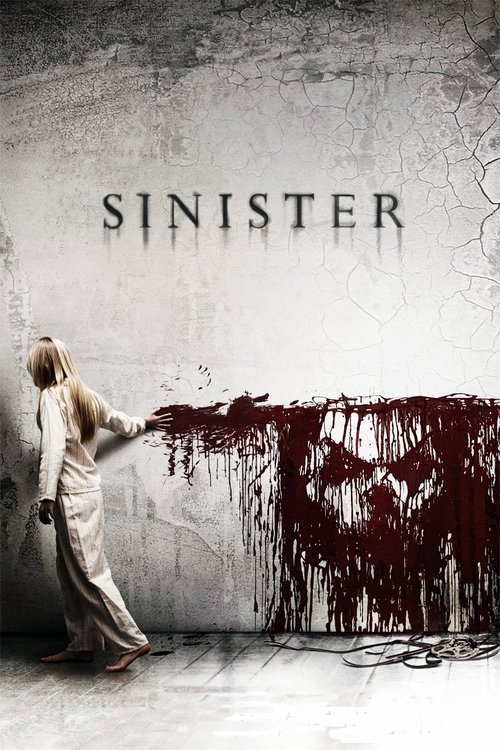
Sinister2012
Scott Derrickson's horror-mystery about a true-crime writer uncovering a killing curse. Genuinely unsettling without relying on gore, built from documentary imagery and found footage.
But The jump scares work a little too well; the final act trades atmosphere for conventional horror mechanics. Some will find it too commercial.
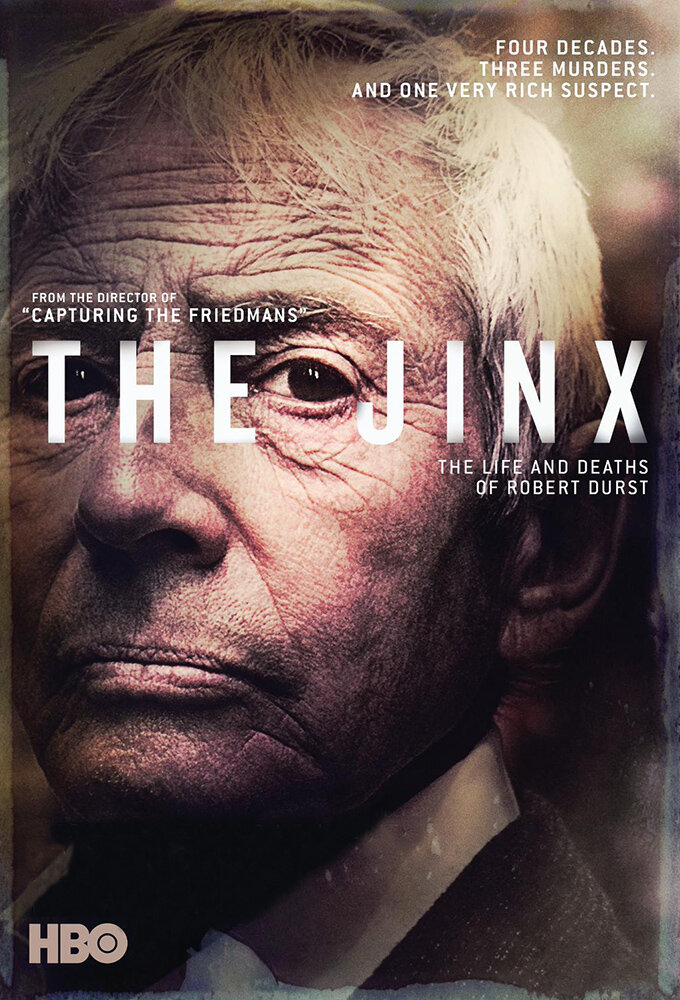
The Jinx: The Life and Deaths of Robert Durst2015
Andrew Jarecki's documentary series tracks a wealthy man's connection to multiple disappearances and murders across decades. Gripping true crime that unfolds like detective work.
But Very long (six episodes), and the confession comes in episode five. The momentum stutters, and real trauma becomes entertainment.
Possession1981
Both collapse the boundary between mental illness, social breakdown, and something genuinely ominous. Both distrust rationalization.
Andrzej Żuławski's Polish-French nightmare about a marriage's violent disintegration, shot in Berlin amid Cold War decay. Visceral, formally shocking, utterly committed to embodying psychological collapse in the real world.
But Extremely difficult and deliberately alienating. The body horror is graphic; the narrative is deliberately fragmented. Many will find it unbearable rather than enlightening.

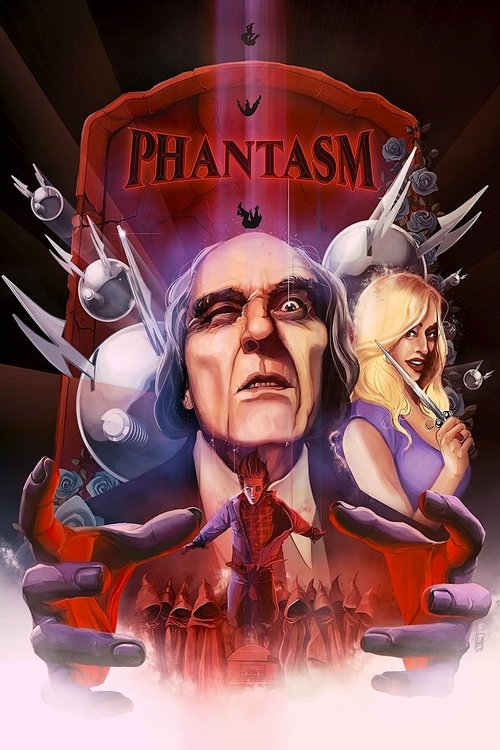
Phantasm1979
Both are obsessed with death infrastructure, mortality, and small-town American geography as the location of the uncanny. Both use Ian Holm, in fact.
Don Coscarelli's utterly strange horror-western about grief and mortality, built around a funeral home and a sinister undertaker. Dreamlike rather than logical, shot in rural America with documentarian precision.
But Deliberately incoherent—nothing quite connects. On first viewing, you'll have no idea what's happening. Some will call it a cult film; others will call it a mess.
People
Cast
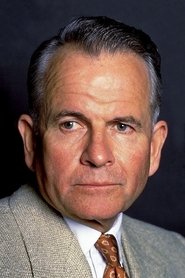 Ian HolmNarrator (voice)
- Marcus MonroeYoung Anderson
- Marilyn WhitePauline L'Allemand
- John BaltesUndertaker
- Molly Nikki AndersonMrs. Larson
- Brittany HaydockBaptized Girl
- Eddie KunzAbandoned Boy
- Steven StrobelUnion Man
Directing
- James MarshDirector
Writing
- Michael LesyBook
- James MarshWriter
Production
- Anthony WallExecutive Producer
- James MarshProducer
- Maureen A. RyanProducer