
Television series
Picket Fences
Picket Fences is small-town Americana as moral laboratory: a sheriff and his doctor wife navigate murder, incest, cloning, and courtroom ethics in a Wisconsin hamlet where every case doubles as a debate. David E. Kelley's early-90s hit balances warm family drama with genuinely strange plotting. For anyone who wants prestige issue-drama before 'issue drama' was a genre, delivered with a wink.
If you liked this
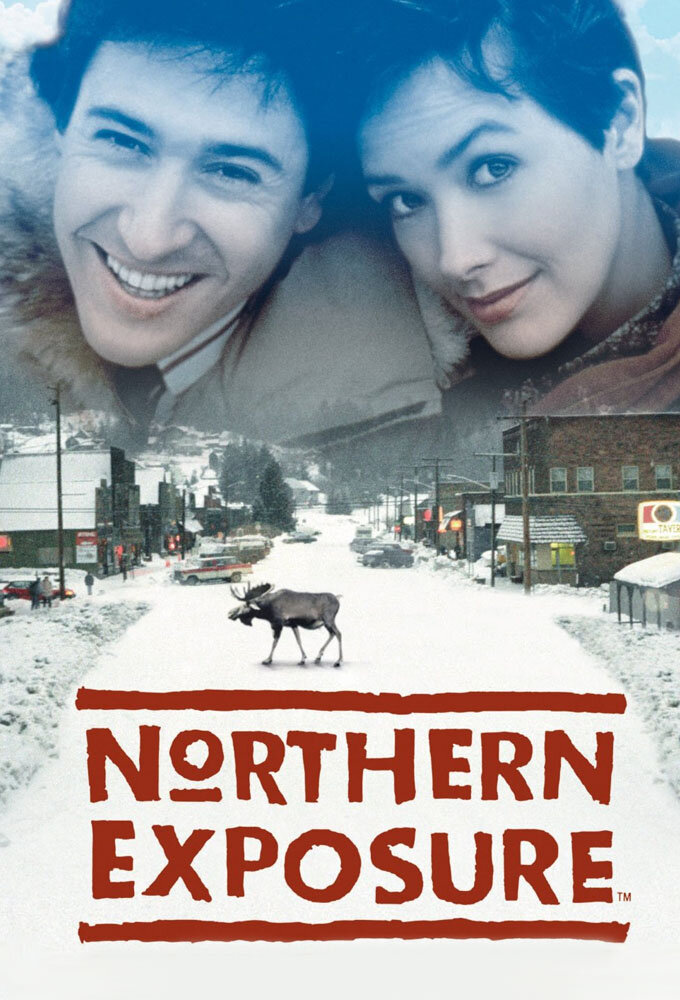
Northern Exposure1990
Another quirky ensemble stranded in a small town where the everyday tips into the surreal, trading moral courtroom drama for gentle philosophical whimsy. Same DNA of lovable oddballs muddling through together.
But Slower, dreamier pacing with barely any crime or plot urgency if the murder mysteries were your favourite part.
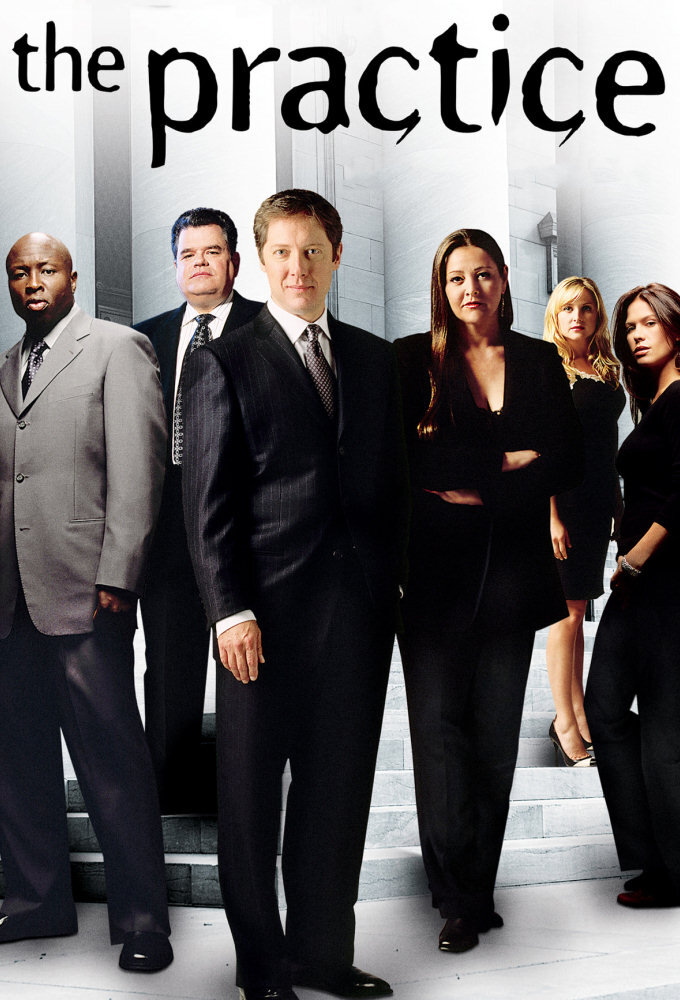
The Practice1997
Kelley's grittier legal follow-up trades small-town warmth for big-city moral ambiguity, keeping his knack for turning courtroom arguments into genuine ethical cliffhangers.
But Darker and colder in tone, with none of the family-hearth comfort that made Rome, Wisconsin feel like home.
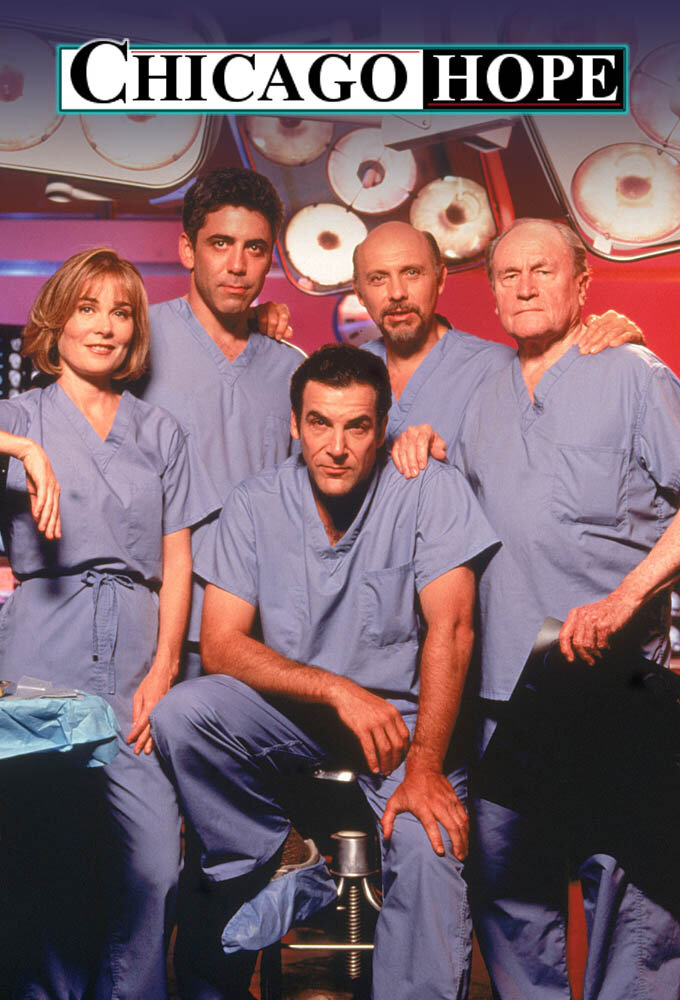
Chicago Hope1994
Kelley again, this time inside a hospital, with the same appetite for outlandish cases used to interrogate real medical and moral dilemmas week to week.
But The hospital setting can feel more formulaic than Picket Fences' anything-goes small-town plotting.
The wildcard
Something you would not have found on your own.
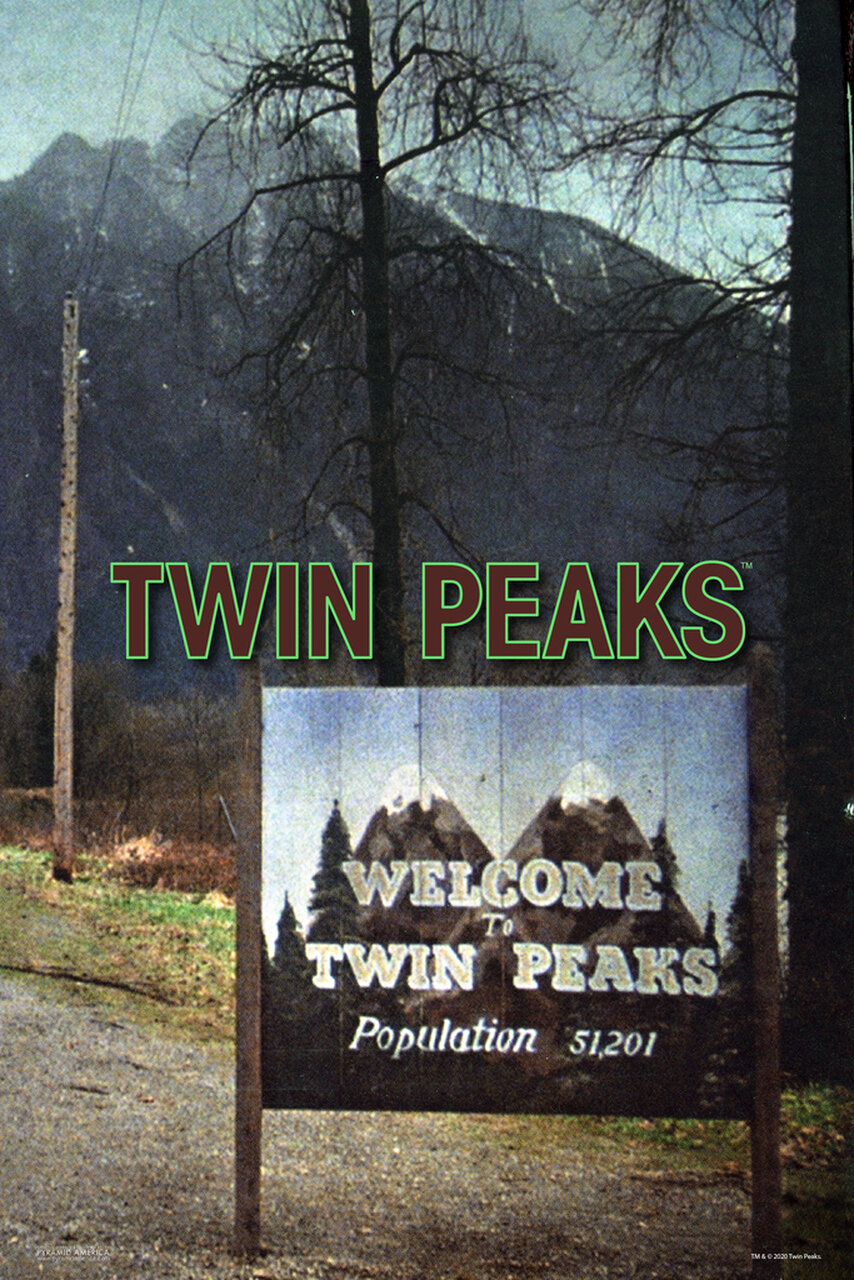
Twin Peaks1990
Both begin with a sheriff, a body, and a town full of secrets; Twin Peaks answers the same setup with nightmare instead of courtroom argument.
Same starting image — a small-town sheriff investigating a shocking death while the community's secrets surface — but pushed into full dream logic, owls, and existential dread.
But Deliberately obtuse and unresolved by design; frustrating if you want Picket Fences' tidy moral closure.
More like this (8)
Ally McBeal1997
Kelley's other 90s hit proves he could take the same moral-debate engine and dress it in comedy, quirk, and full dream-sequence absurdity.
But Much more stylised and comedic; watched straight after Picket Fences it can feel like tonal whiplash.

Gilmore Girls2000
Swap murder investigations for mother-daughter banter but keep the beloved-eccentric-townsfolk formula and the sense that everyone's business is everyone's business.
But No crime, no courtroom, virtually no darkness — a much gentler, chattier version of small-town life.
Friday Night Lights2006
Another small American town where a family at the centre absorbs the community's moral weight, with football standing in for crime as the town's shared obsession.
But Heavier emotional realism and less genre novelty — no exploding udders here, just aching sincerity.
Everwood2002
A widowed doctor uproots his family to a small town, and the show mines the same vein of domestic drama colliding with community ethics and change.
But Softer stakes and more melodrama, with far fewer legal fireworks than Picket Fences delivered weekly.
Boston Legal2004
Kelley's late-career courtroom romp is wilder and funnier, perfect if you loved how Picket Fences let a case go completely off the rails by the finale.
But Broader comedy and looser plausibility dilute the moral seriousness into increasingly absurd antics.
Eli Stone2008no page yet
A lesser-known Kelley show about a lawyer who might be a prophet, with the same fondness for strange premises used to ask big questions through small legal cases.
But Short-lived and uneven, and its magical-realist streak is stranger and softer than Picket Fences' grounded weirdness.
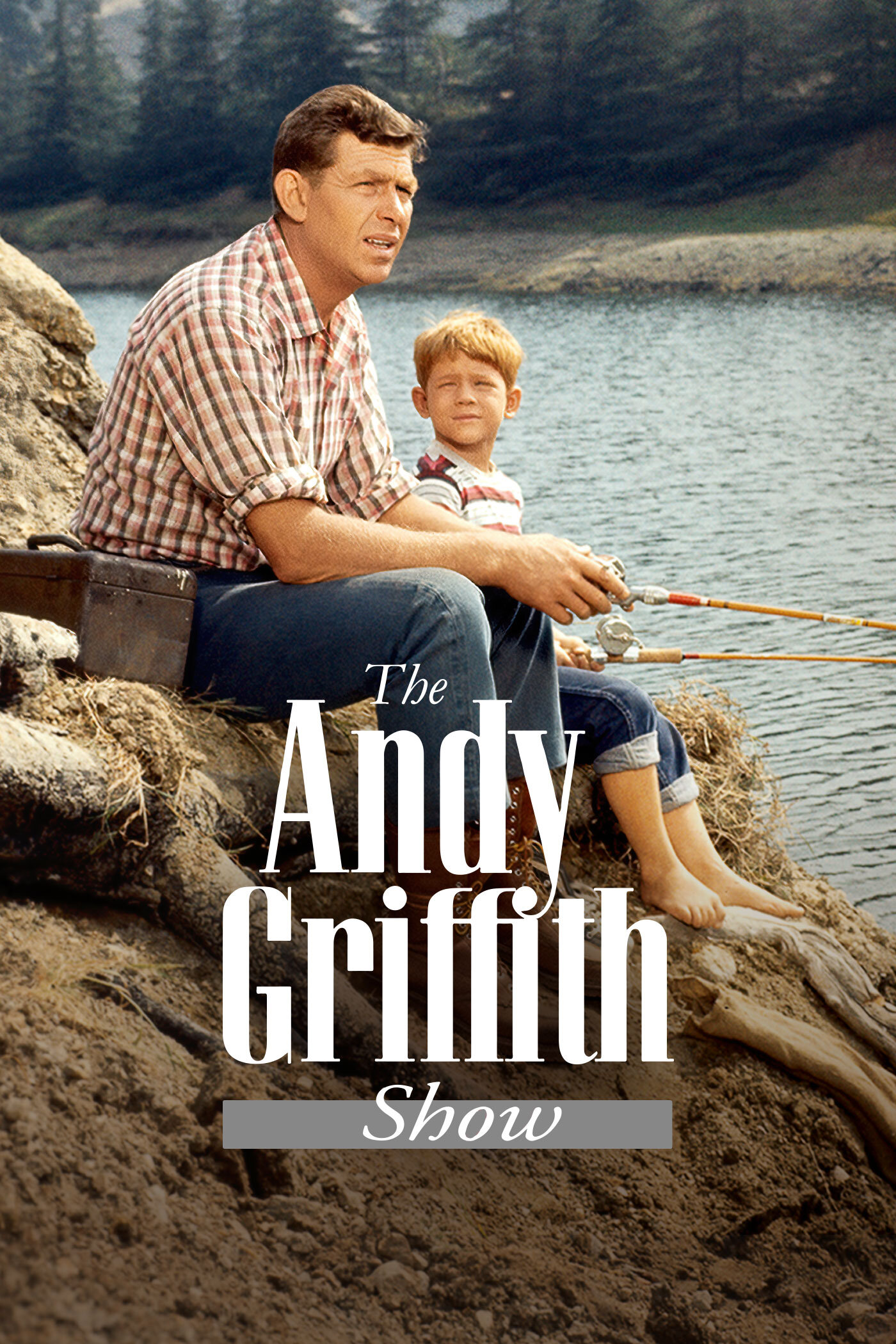
The Andy Griffith Show1960
Picket Fences borrows this exact template — sheriff, town, family — and asks what happens when real crime and real ethics intrude on the idyll.
The sunlit ancestor Picket Fences is quietly talking back to — the same small-town sheriff and folksy community, minus any of the moral complexity added thirty years later.
But Extremely gentle, episodic, and dated; a black-and-white sitcom pace modern viewers may find glacial.
Wisconsin Death Trip1999no page yet
Same state, same premise that small towns hide extraordinary darkness — except this one is documented fact, not courtroom fiction.
A documentary built from nineteenth-century small-town Wisconsin newspaper clippings recounting suicide, madness, and violence — the real, unglamorous history behind Rome's fictional weirdness.
But Bleak, slow, and genuinely upsetting; a stark nonfiction piece with none of the show's warmth or resolution.
People
Cast





Writing
- David E. KelleyCreator
Recommended by
Northern Exposure, Boston Legal, Chicago Hope, In the Heat of the Night