
Television series
Gilmore Girls
Gilmore Girls is comfort television built almost entirely out of talk—rapid, referential, three conversations happening at once. Lorelai and Rory banter their way through a decade of small-town Connecticut life, more best friends than parent and child. It's warm, whip-smart, unapologetically sentimental, and built for marathon viewing—ideal for anyone who wants low-stakes drama, high-volume dialogue, and a fictional town they'll wish they could move to.
If you liked this
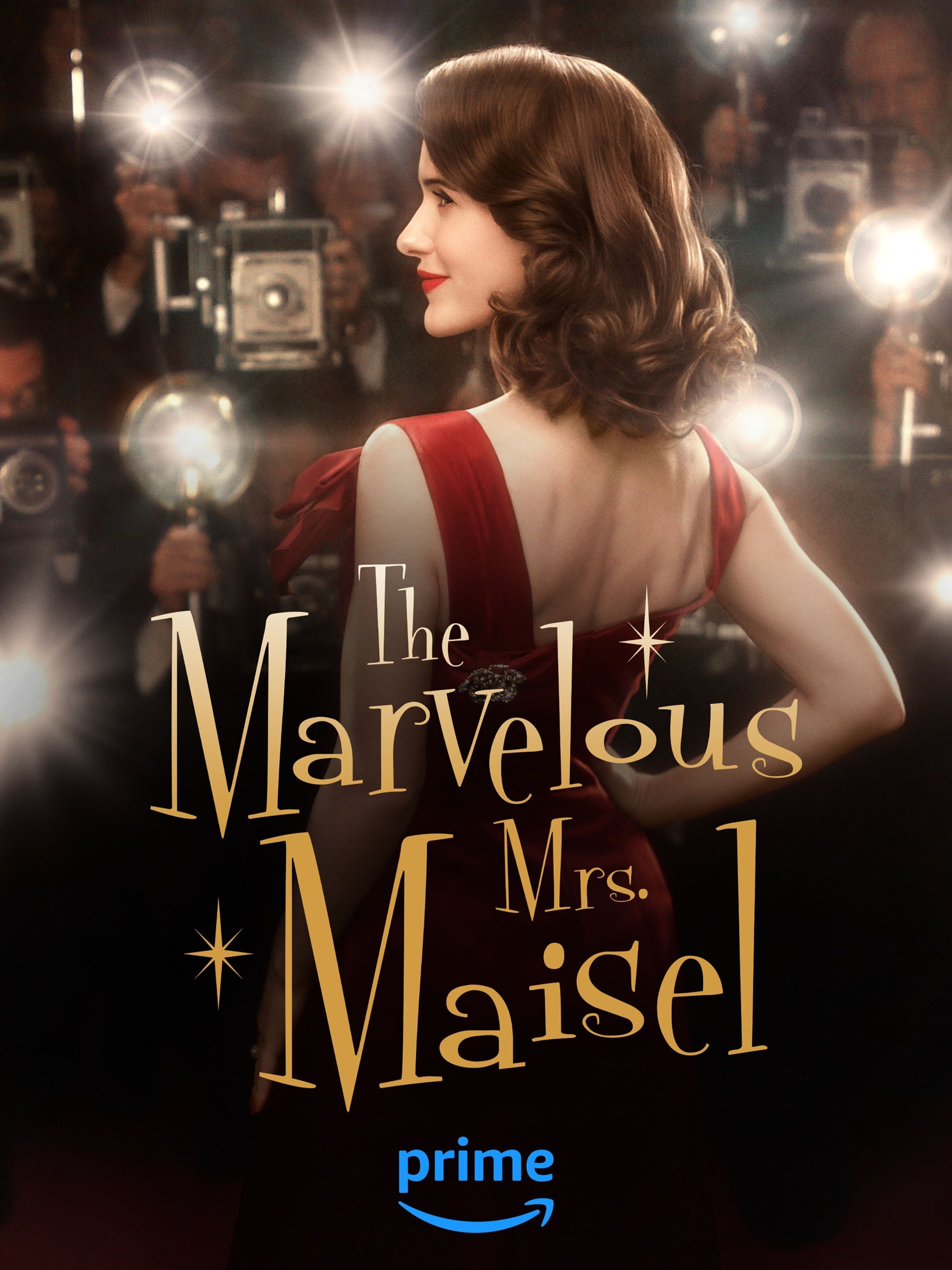
The Marvelous Mrs. Maisel2017
Same creator, same verbal machine-gun rhythm, just swapped for 1958 Manhattan glamour and a stand-up comedy career instead of a coffee addiction. If you love the dialogue's cadence, this is its purest form.
But Midge is prickly where Lorelai is warm—less hug, more dare. The showbiz world feels glossier and colder than Stars Hollow.
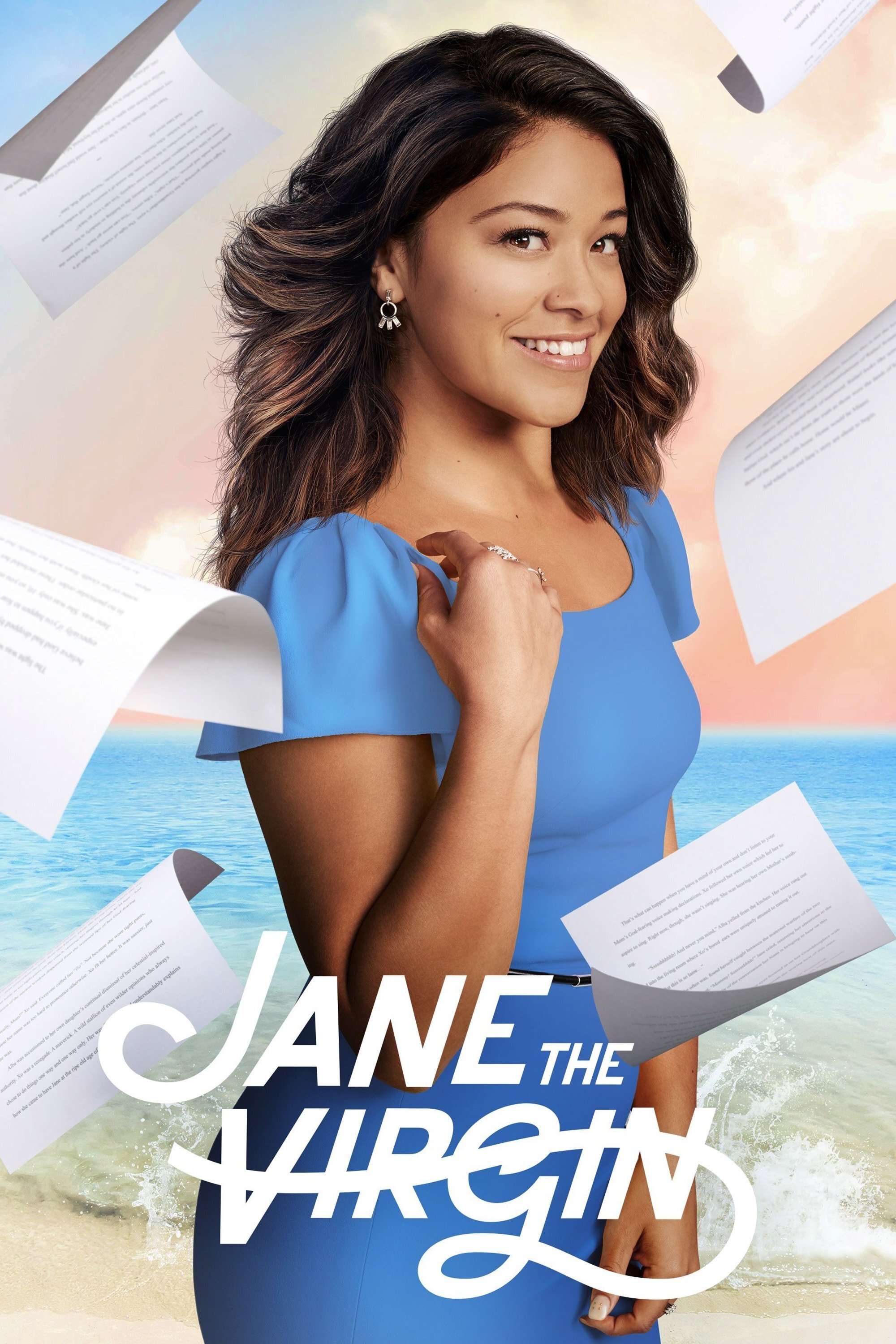
Jane the Virgin2014
Three generations of women under one roof, a matriarch with sharp opinions, and a heroine narrating her own chaotic romantic life with genre-savvy wit—the same emotional engine in telenovela colors.
But The soap opera plotting is deliberately, gloriously ridiculous—kidnappings, secret twins, the works. Not for anyone allergic to melodrama.
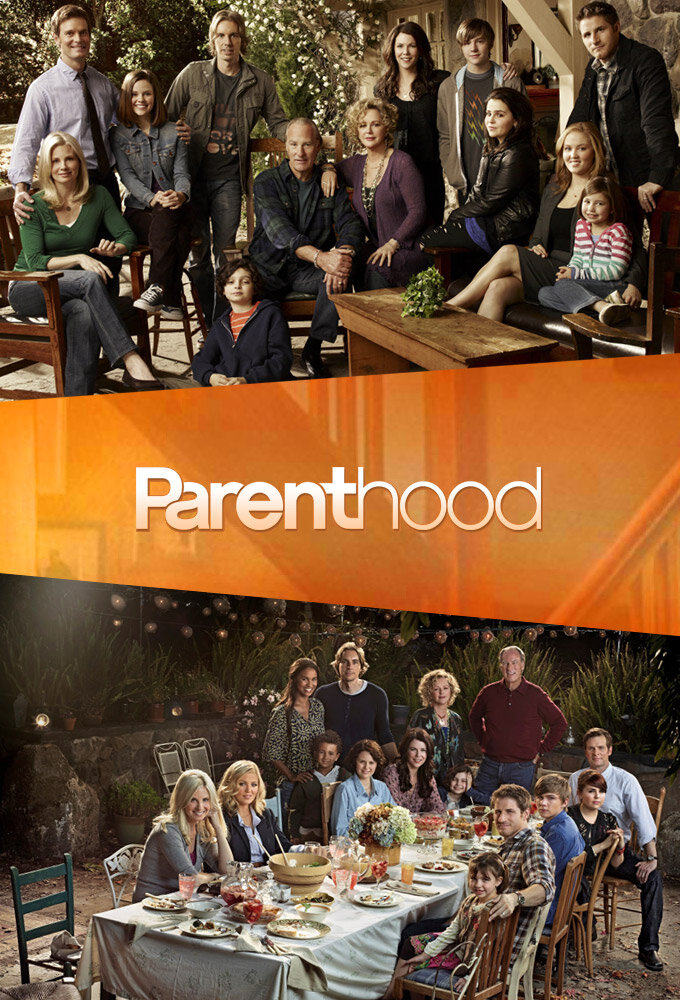
Parenthood2010
Trades the mother-daughter duet for a sprawling family chorus, but keeps the same commitment to messy, talky, tears-and-laughter realism about people who love each other imperfectly.
But It leans harder into weepy, issue-driven drama—bring tissues, not just cocoa. Less quippy, more raw.
The wildcard
Something you would not have found on your own.
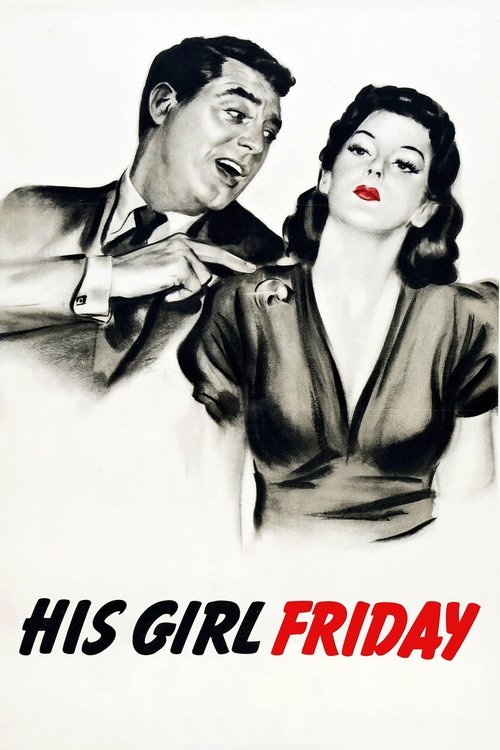
His Girl Friday1940
Sherman-Palladino has cited classic screwball comedy's overlapping, breathless dialogue as a direct influence—this is the rhythm's original source, decades before Stars Hollow borrowed it.
The original blueprint for the overlapping, rapid-fire dialogue Amy Sherman-Palladino built her career on—watch it and you'll hear Lorelai's ancestors talking. Ninety-two minutes of pure verbal velocity.
But Black-and-white, 1940s screwball pacing, and a newsroom setting with none of the cozy small-town comfort—this is dialogue as sport, not sentiment.
More like this (8)
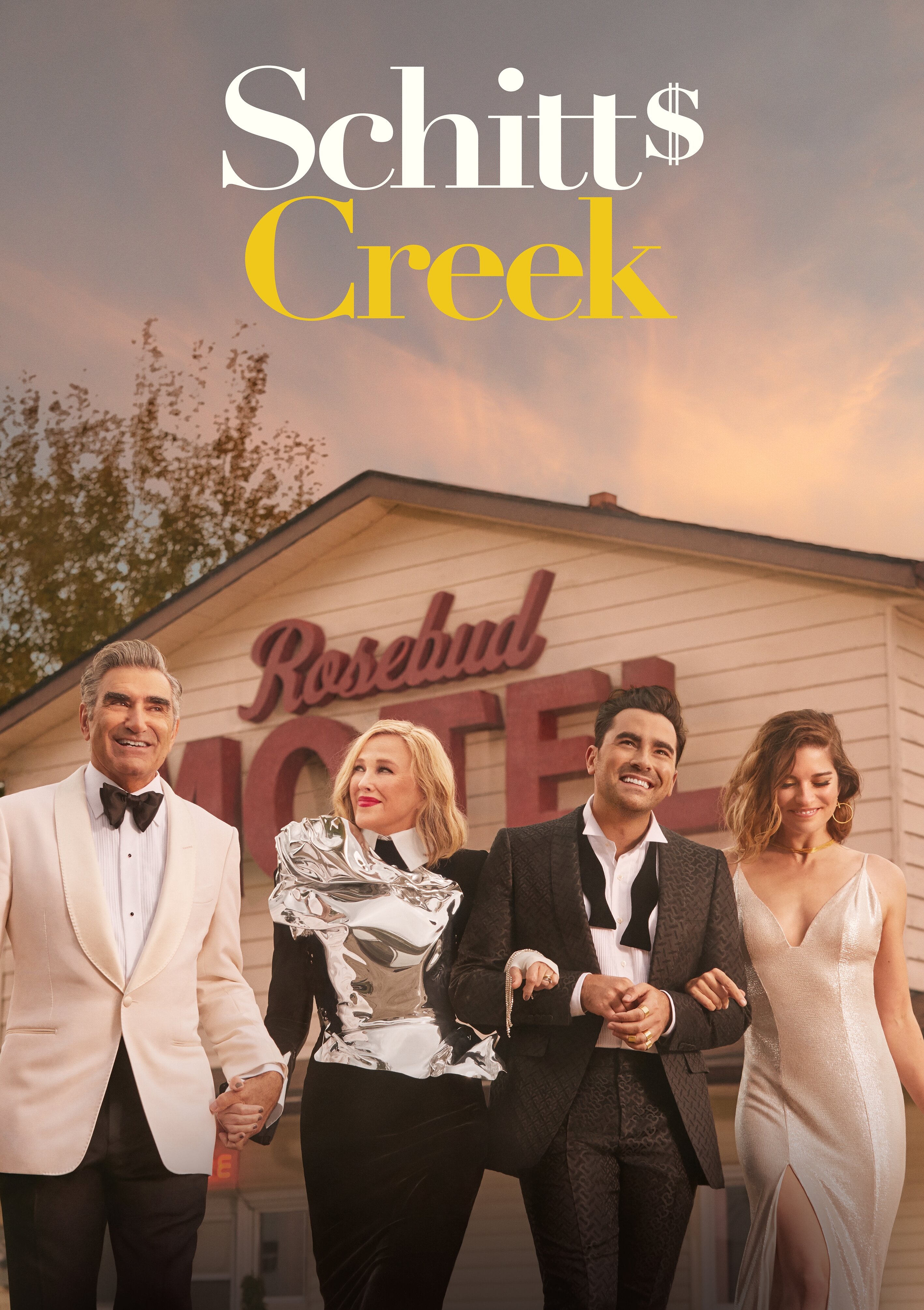
Schitt's Creek2015
Another eccentric small town full of oddball locals who slowly become family, filtered through fish-out-of-water comedy instead of nostalgia. The warmth sneaks up on you the same way.
But The humor starts broader and more absurd before it finds its heart—give it a few episodes to earn the ending everyone talks about.
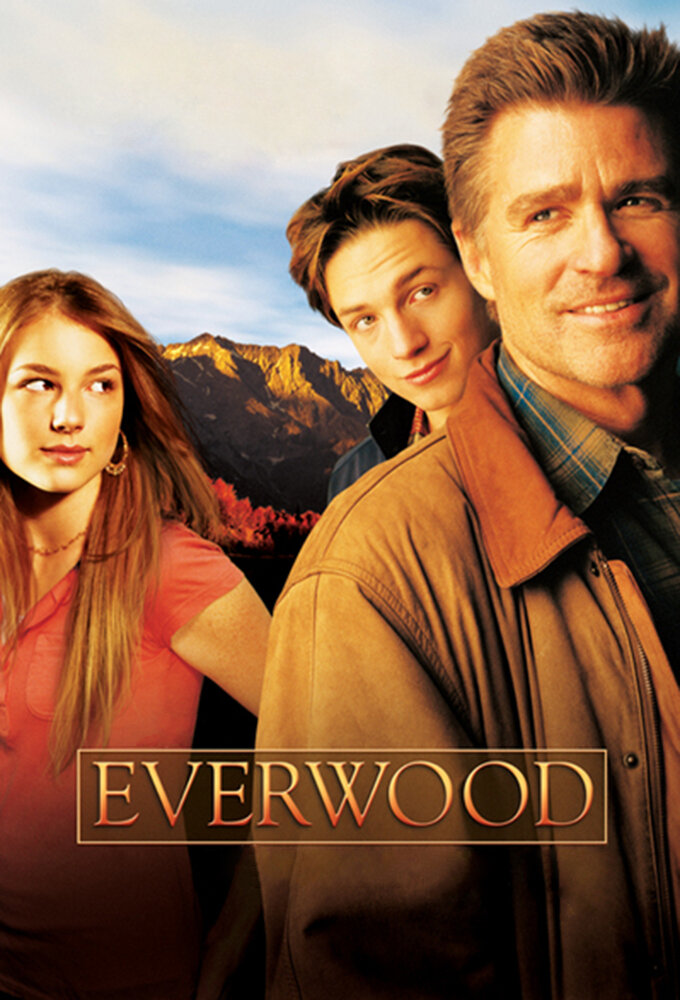
Everwood2002
A widowed parent, a whip-smart kid, and a small town that functions like a character in its own right—the same tender rhythms, told from the father's side of the table.
But It's more openly earnest and less jokey than Gilmore Girls—the humor is gentler, the drama more front-and-center.
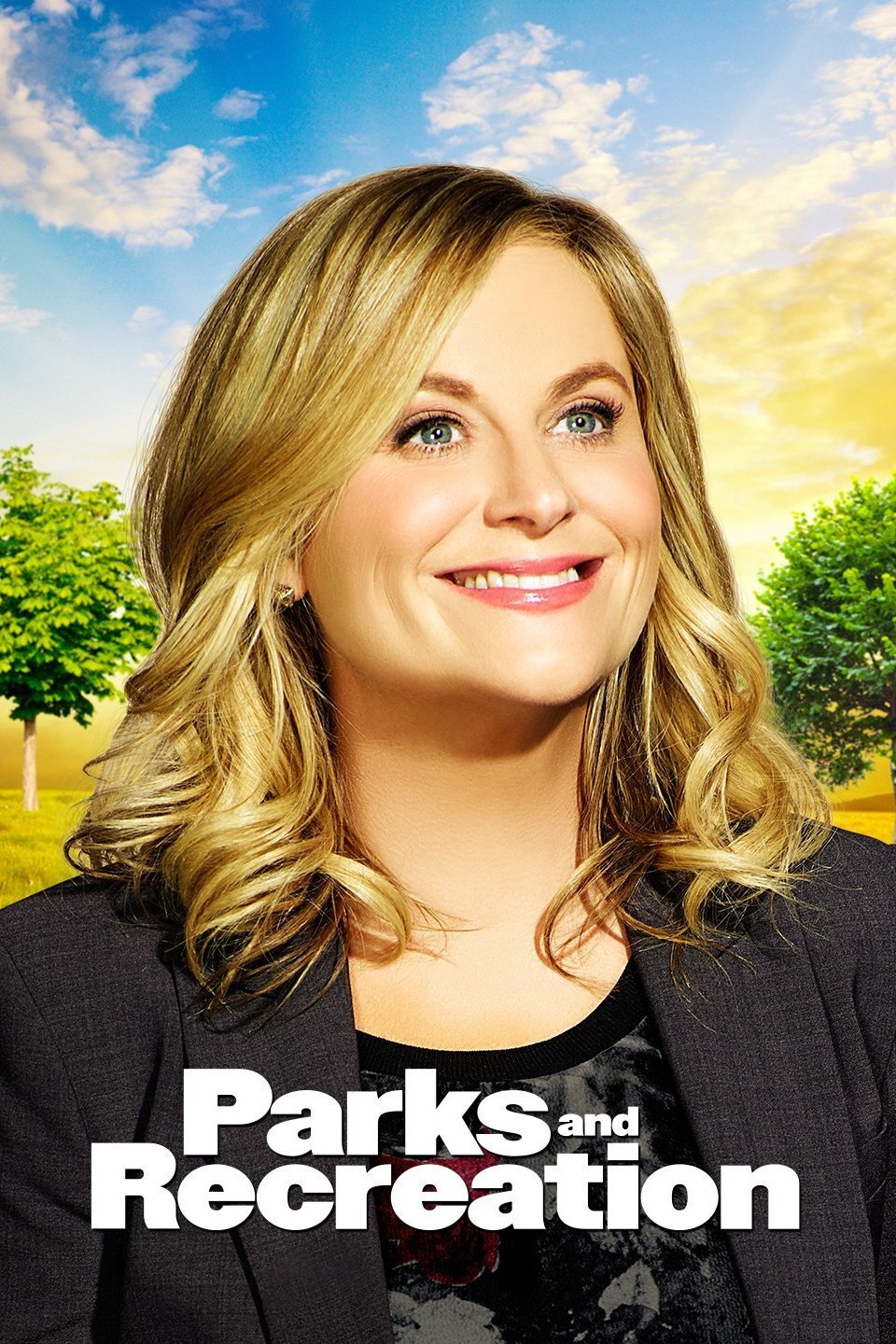
Parks and Recreation2009
Another town obsessed with its own small-town identity, staffed by a lovable oddball ensemble who talk fast and care too much. Trade coffee-shop banter for local government absurdity.
But It's a flat-out sitcom with none of the season-long romantic arcs or melancholy undertow—purely comic where Gilmore Girls likes to ache a little.
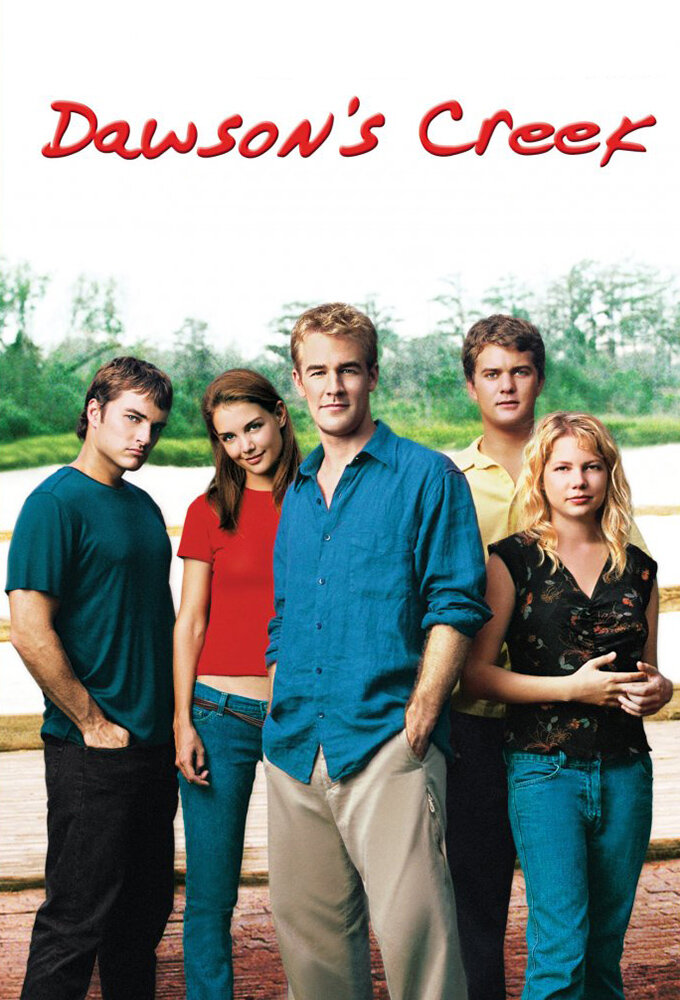
Dawson's Creek1998
A WB contemporary with the same articulate teenagers who talk like they've swallowed a thesaurus, wrestling with love and identity in a picturesque small town.
But The dialogue is precocious rather than genuinely witty, and the earnestness can tip into melodrama fast.
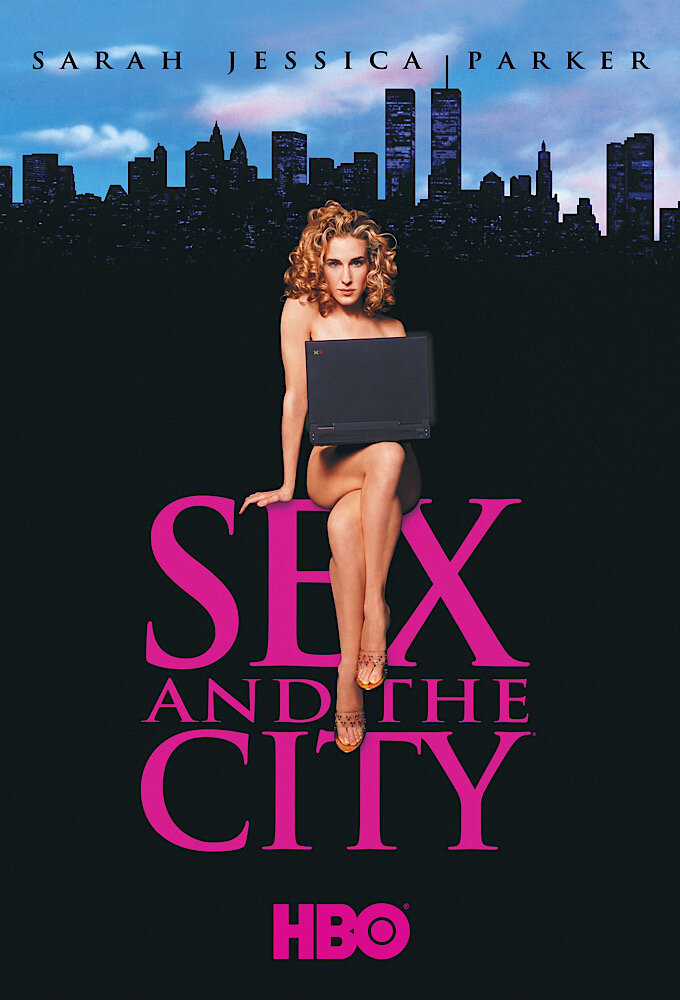
Sex and the City1998
Swap mother-daughter for a best-friend quartet, but keep the rapid-fire, reference-stuffed dialogue and a heroine narrating her romantic misadventures with real affection for her city.
But It's considerably more adult in content and cynicism—less Stars Hollow cocoa, more Manhattan cocktails and complicated relationships.
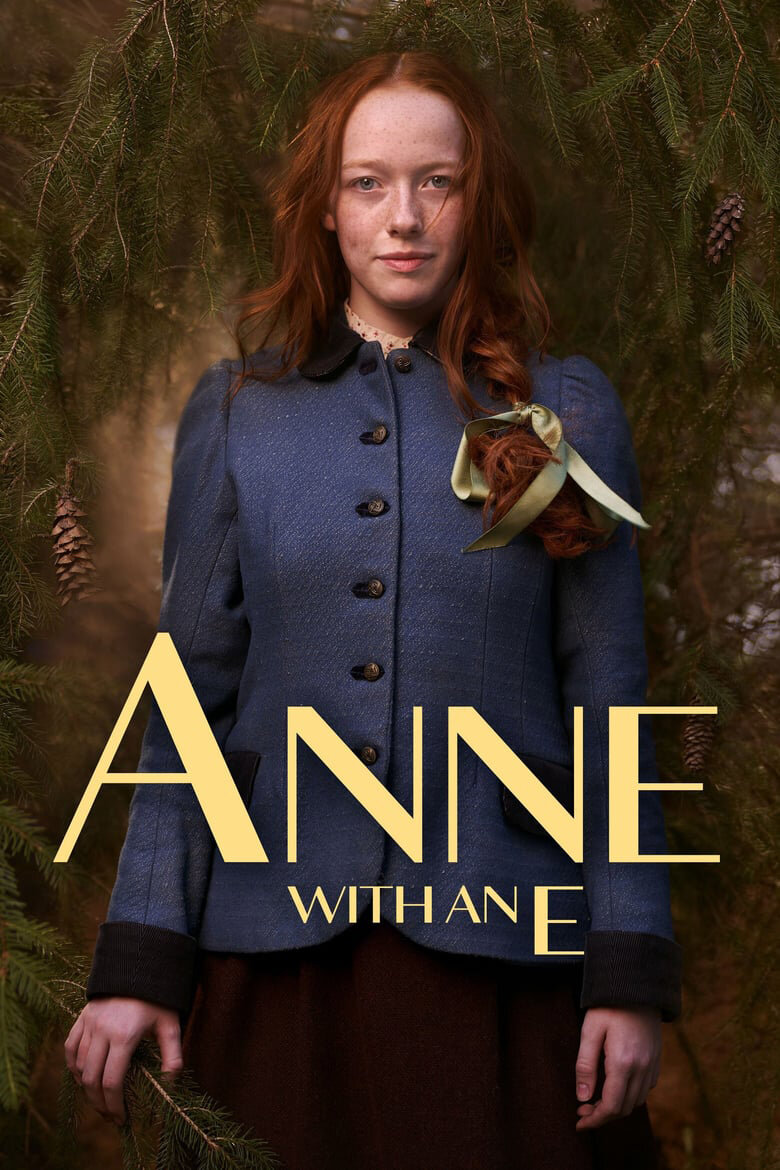
Anne with an E2017
For the coming-of-age half of Gilmore Girls' DNA: a fiercely verbal young girl, a found family, and a small town learning to embrace someone who doesn't quite fit its mold.
But Set in 19th-century Prince Edward Island, it's slower, more visually lyrical, and carries real weight about trauma and belonging.
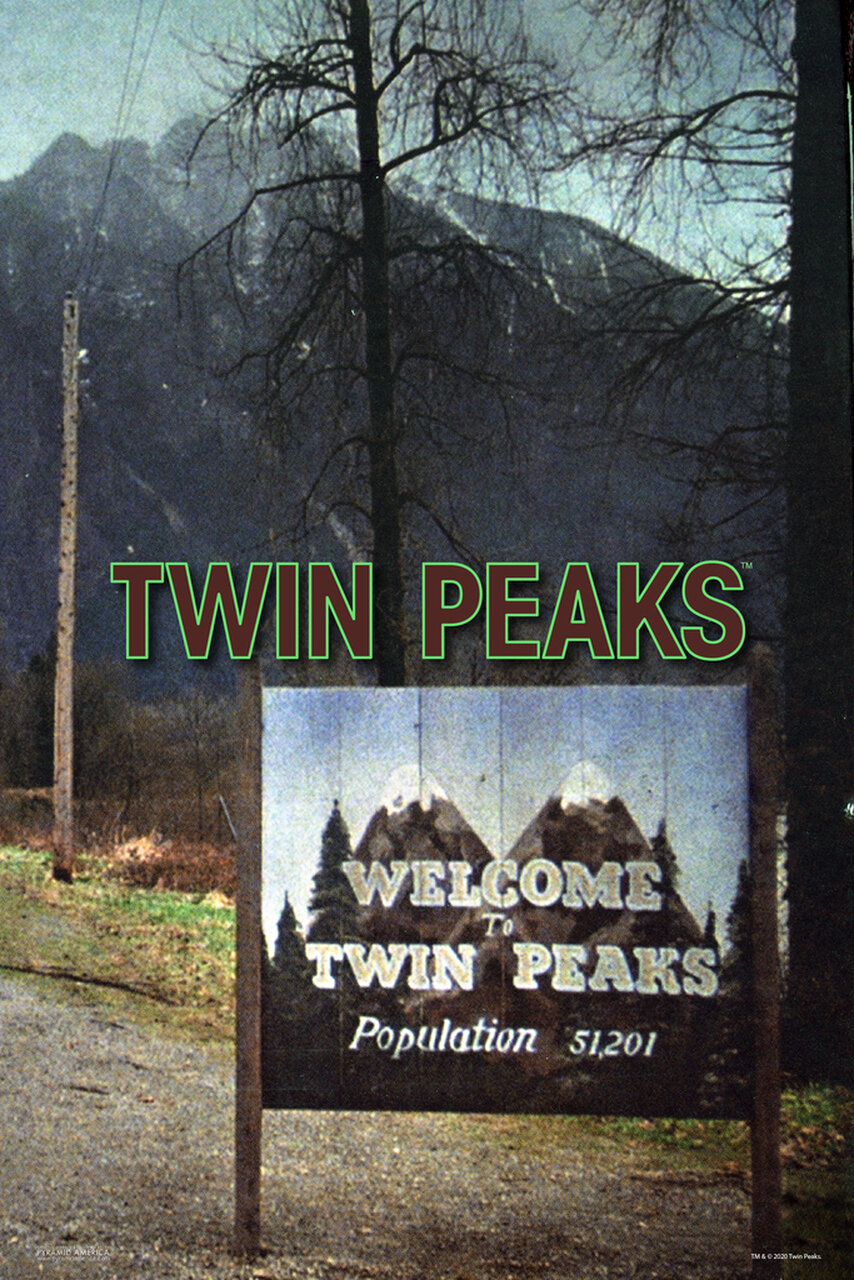
Twin Peaks1990
Both shows treat their small town as almost a character—cozy, self-contained, full of running jokes among the locals—but Twin Peaks takes that exact structural idea and pushes it into horror instead of warmth.
Another impossibly picturesque small town full of quirky locals, diner pie, and close-knit community—except everything underneath is rotten. If you love the idealized setting, see its dark mirror image.
But It's surreal, disturbing, and genuinely frightening in places—the comfort of Stars Hollow curdles into something closer to nightmare logic.
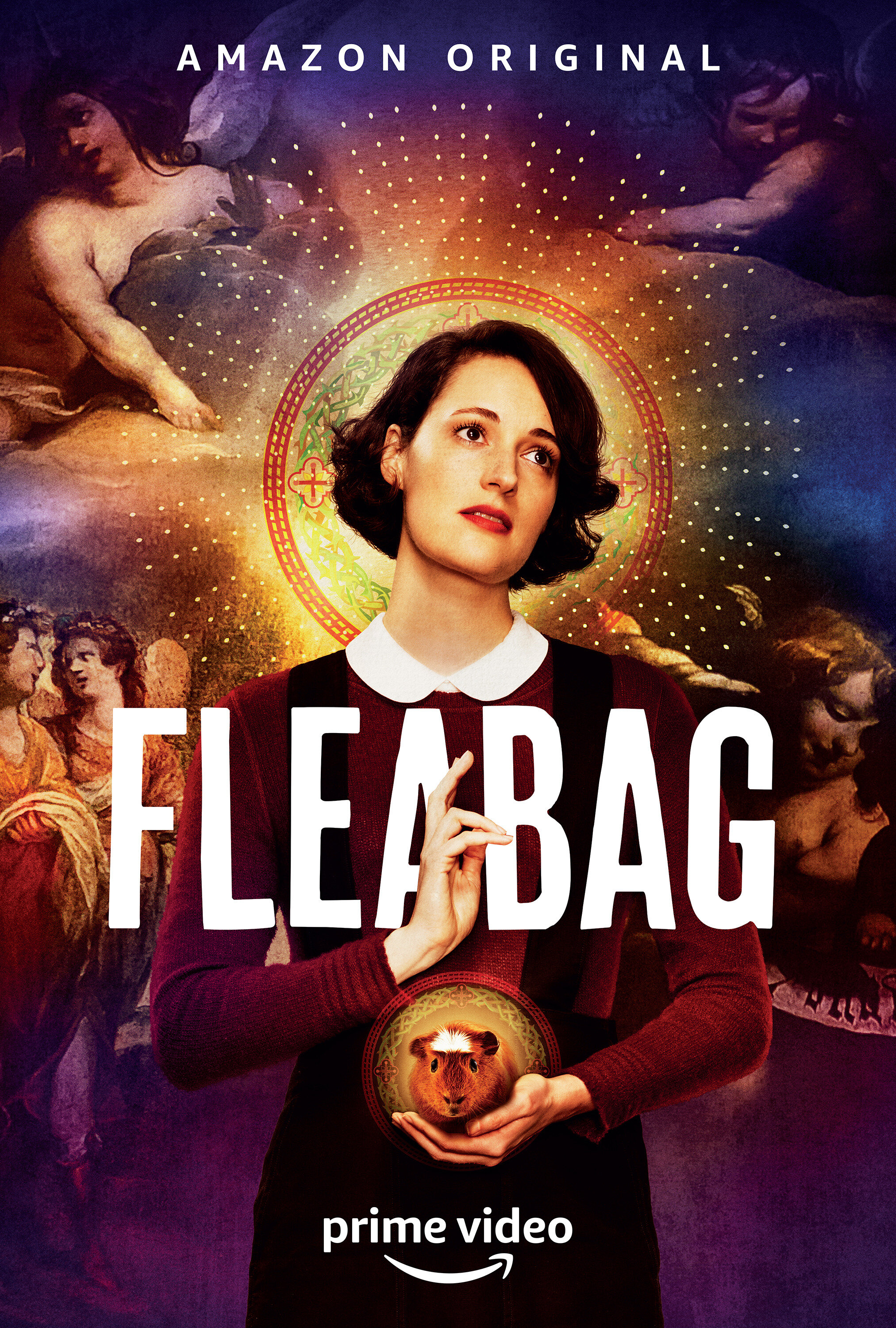
Fleabag2016
Both use a heroine's constant verbal deflection—jokes, asides, fast talk—as a way of avoiding pain; Fleabag simply refuses to let the joke keep working, showing what's underneath the wit.
Same weapon—a woman narrating her own life with rapid wit and constant asides—turned to devastating effect. If Lorelai's jokes are armor, this show explores exactly what armor is hiding.
But It's far shorter, far rawer, and considerably more sexually explicit and emotionally bruising—there's grief here Stars Hollow never lets in.
People
Cast
Writing
- Amy Sherman-PalladinoCreator
Production
- Barbara BraceAssociate Producer
- Chad SavageAssociate Producer
- David GlazierAssociate Producer
- Geoffrey HemwallAssociate Producer
- Hynndie WaliAssociate Producer
- Jonathan C. BrodyAssociate Producer
- Keira MorrisetteAssociate Producer
- Lynn StevensonAssociate Producer
- Mea SquiresAssociate Producer
- Steve TurnerAssociate Producer
- William KlugAssociate Producer
- Bill PradyCo-Executive Producer
- Chris LongCo-Executive Producer
- Gayle AbramsCo-Executive Producer
- Gina FattoreCo-Executive Producer
- Jane EspensonCo-Executive Producer
- Kimberly CostelloCo-Executive Producer
- Lee Shallat-ChemelCo-Executive Producer
- Michael KatlemanCo-Executive Producer
- Rebecca KirshnerCo-Executive Producer
- Sheila R. LawrenceCo-Executive Producer
- David GraeCo-Producer
- Helen PaiCo-Producer
- Jennie Snyder UrmanCo-Producer
- Jessica QuellerCo-Producer
- John StephensCo-Producer
- Allan HeinbergConsulting Producer
- David BabcockConsulting Producer
- James BergConsulting Producer
- Janet LeahyConsulting Producer
- Joanne WatersConsulting Producer
- Michael KatlemanConsulting Producer
- Rina MimounConsulting Producer
- Stan ZimmermanConsulting Producer
- Amy Sherman-PalladinoExecutive Producer
- Daniel PalladinoExecutive Producer
- David S. RosenthalExecutive Producer
- Gavin PoloneExecutive Producer
- Chrisann VergesProducer
- Helen PaiProducer
- Jenji KohanProducer
- Lauren GrahamProducer
- Mel EfrosProducer
- Patricia Fass PalmerProducer
- Rebecca KirshnerProducer
- Sheila R. LawrenceProducer
- Chris LongSupervising Producer
- Jed SeidelSupervising Producer
- Keith EisnerSupervising Producer
- Rebecca KirshnerSupervising Producer
- Scott KauferSupervising Producer
- Sheila R. LawrenceSupervising Producer
Recommended by
Parenthood, Jane the Virgin, One Tree Hill, Dawson's Creek, Veronica Mars, The Marvelous Mrs. Maisel, Moonlighting, The O.C., The Andy Griffith Show, Northern Exposure, Once and Again, Picket Fences, Judging Amy, Everwood, Lark Rise to Candleford, Providence