
Film
Superstition
A 1982 folk horror film that treats witchcraft revenge with genuine menace rather than camp. A New England pastor and his family face escalating supernatural violence tied to colonial persecution. It's modest and unevenly paced, but accumulates real dread through practical effects and a willingness to hurt people you care about. For viewers who prize atmosphere over jump scares.
Should you watch it?
Watch it if you have a soft spot for lo-fi early-eighties horror, where an old grudge does the heavy lifting and an unshowy, quiet atmosphere builds more dread than any effects budget could.
Skip it if you need brisk pacing and polished modern production values, since this one is patient, low-budget in feel, and happy to let its dated look show.
What it asks of you: At 85 minutes it is short, yet it moves unhurriedly, asking you to settle into a gloomy mood and stay with it through its quieter stretches.
Not sure? Find tonight's pick in a minute.
If you liked this
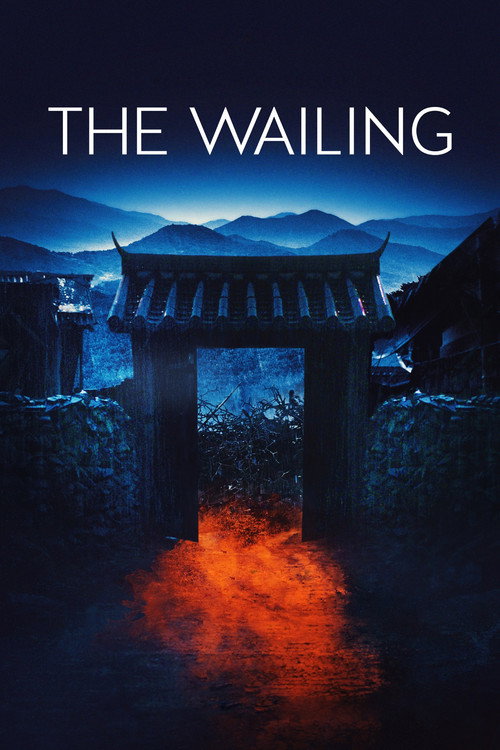
The Wailing2016
A Korean horror film about faith, doubt, and supernatural revenge that builds cumulative dread through moral ambiguity. Like Superstition, it refuses easy answers about good and evil, and lets violence emerge from historical wound.
But Runs 156 minutes with a deliberately obscure final act. The pacing demands patience, and some threads stay deliberately unresolved.
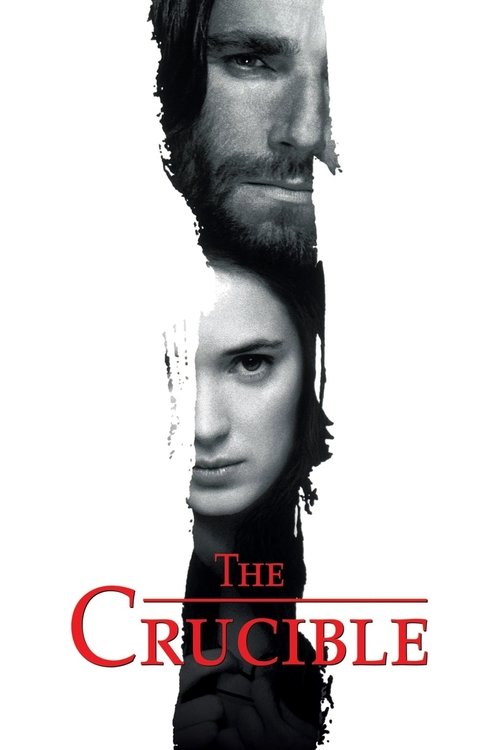
The Crucible1996
Focuses on the Salem witch trials that haunt Superstition's premise. This version, with Daniel Day-Lewis, treats the hysteria as tragedy rather than backdrop. Shares the film's interest in how persecution echoes forward in time.
But A courtroom drama more than a horror film. If you're after scares rather than historical reckoning, this won't deliver them.
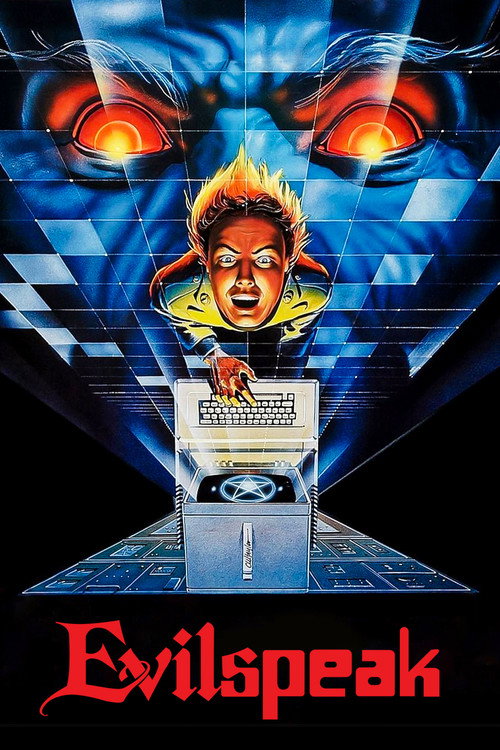
Evilspeak1981
A contemporary horror film about supernatural violence visited on the present through historical transgression. It has the same grimy 1982 aesthetic and willingness to let evil actually harm its characters. Raw and unpolished in ways that serve the story.
But The plotting is thin and the special effects are crude even by 1981 standards. It moves on atmosphere and violence rather than narrative coherence.
Not sure tonight? Get a pick in a minute, starting from Superstition
The wildcard
Something you would not have found on your own.
Mulholland Drive2001
Both films suggest that punishment for historical wrongs manifests through displacement and haunting rather than conventional revenge. Both understand that the past is never dead—it becomes something other.
David Lynch's film about Hollywood becomes, in its second half, a story about guilt, vengeance, and identity fractured by terrible acts. Like Superstition, it's ultimately about how the past doesn't stay past—it bleeds through and remakes the present. The supernatural is never named, but it's there.
But A three-hour art film with a deliberately fractured narrative. If you want plot clarity and genre comfort, this will alienate you entirely.

More like this (8)
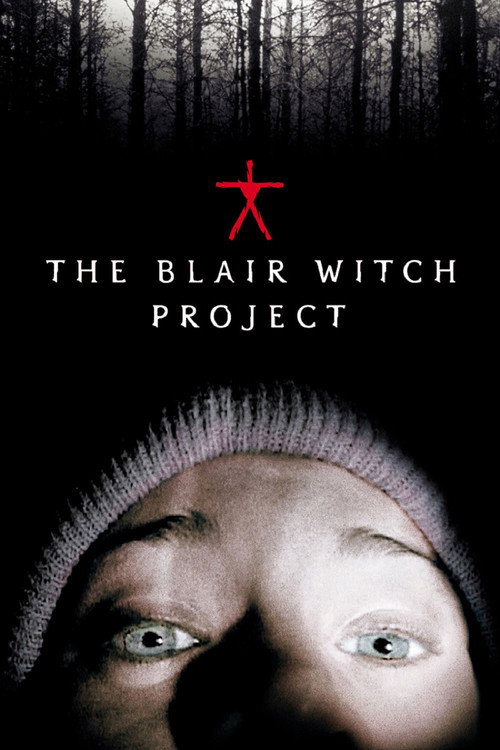
The Blair Witch Project1999
Another tale of colonial American curse reaching forward into the present day. Shares Superstition's interest in how history bleeds into the here and now, and how landscape holds violence. Both make isolation do heavy lifting.
But Almost entirely handheld found-footage. If you're tired of that format, or need a clear image, this isn't the one.
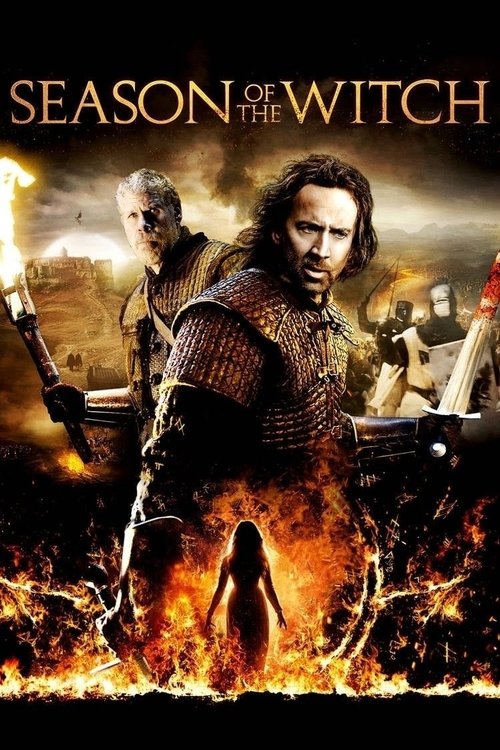
Season of the Witch2011
A more recent film about witch-hunts and supernatural consequence during the Inquisition. It takes medieval persecution seriously as the source of the terror. Shares Superstition's belief that ancient wrongs don't stay buried.
But Uneven and sometimes silly. Nicolas Cage is charming but the film can't quite hold its own seriousness.
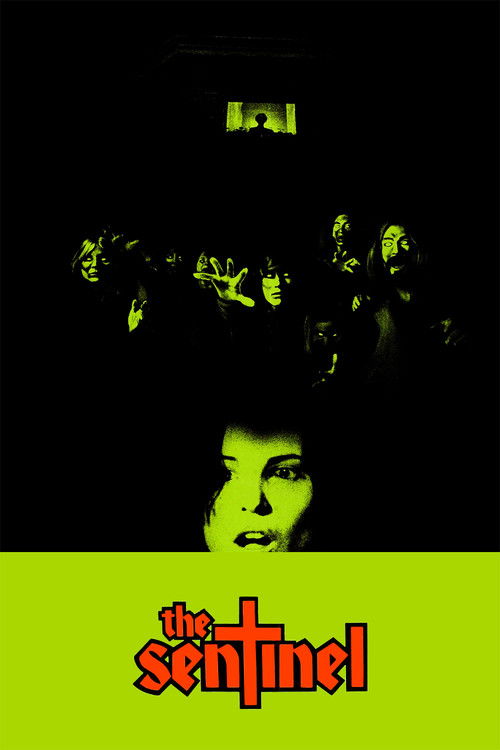
The Sentinel1977
An 1970s horror film about a Manhattan apartment where supernatural evil converges. Like Superstition, it accumulates strange events and malevolent presences without rushing to explain them. Slow-burn dread in a confined space.
But Deliberately ambiguous about what's real and what's psychological. Some will find this frustrating rather than unsettling.
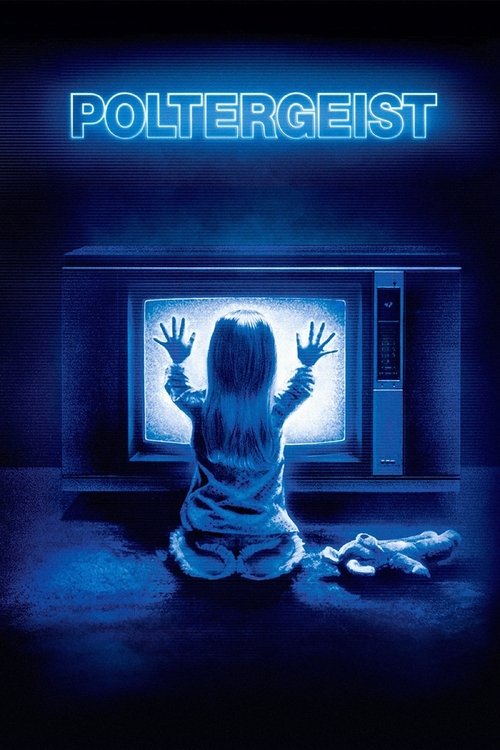
Poltergeist1982
Released the same year, also rooted in American history—here, a burial ground. The supernatural violence escalates through a family, and the film treats it with real distress rather than fun. A masterclass in how to make a house feel haunted.
But Blockbuster spectacle that can overshadow the quieter horror. If you want small-scale and atmospheric, Poltergeist sometimes feels too professional.
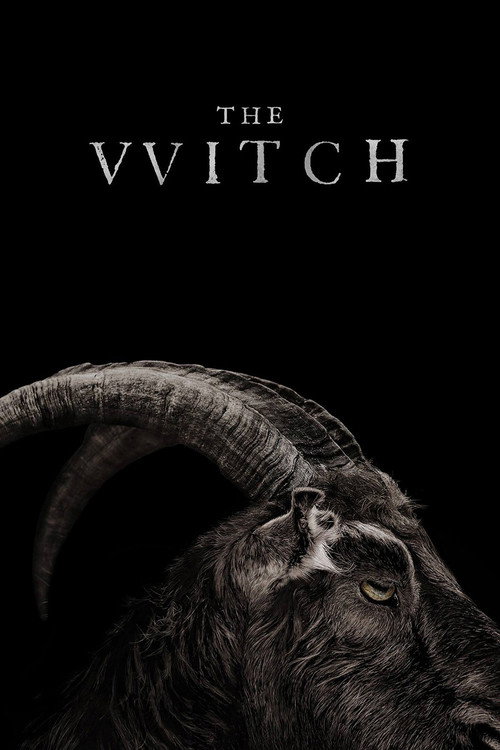
The Witch2016
A New England folk horror film about a family stalked by something in the woods. Shares Superstition's interest in Puritan America as ground zero for horror. Both understand that old beliefs persist, and they can kill.
But Deliberately obscure in dialogue and very slow. The final act is more unsettling than cathartic, which many will find frustrating.
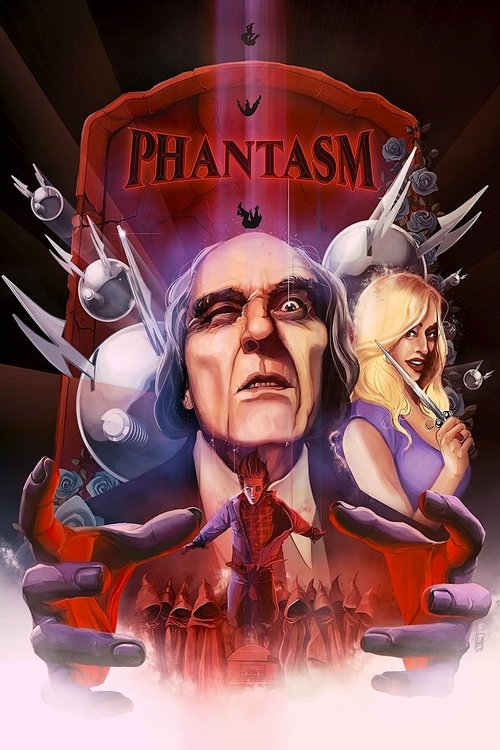
Phantasm1979
A low-budget 1970s horror film about ancient evil in the present day. Like Superstition, it trusts weird practical effects and doesn't oversell its plot. The strangeness accumulates until you're genuinely unsure what's happening.
But Narrative coherence breaks down in the second half by design. The logic is dream-logic, which can feel like sloppiness if you're looking for clarity.
Harakiri1962
Both films are about inheritance of guilt and the supernatural as metaphor for how the past becomes physical, inescapable force. Harakiri just doesn't use ghosts to say it.
A Japanese samurai film about ritual, honor, and how systems of justice become engines of cruelty. It's visually gorgeous and emotionally devastating. Like Superstition, it's about how the past—family debt, historical transgression—reaches forward to destroy the living.
But Black and white, slow, and deeply tragic. There's no catharsis or justice, just the weight of history crushing the innocent. Requires real emotional availability.

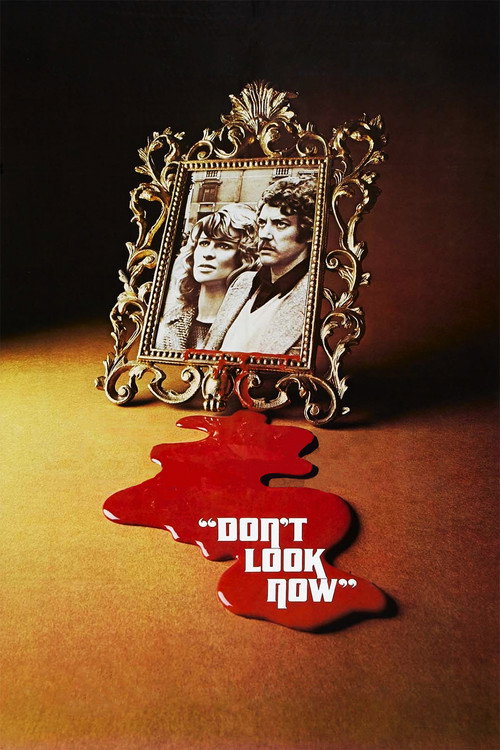
Don't Look Now1973
Like Superstition, it understands that grief and historical trauma create spiritual vulnerability. Both films know that what haunts us might be real, or might be ourselves—and the distinction stops mattering.
A masterwork of atmospheric horror set in Venice. A couple grieving their daughter's death encounters two elderly sisters who claim to see her ghost. It's perfect in mood and craft, and the ending is one of cinema's great betrayals. About how trauma makes us vulnerable to exactly what will destroy us.
But The horror is almost entirely psychological and mood-based. There are no scares, just dread, beauty, and eventual heartbreak. Some will find it slow or precious.
People
Cast
 James HoughtonRev. David Thompson
 Albert SalmiInspector Sturgess
 Lynn CarlinMelinda Leahy
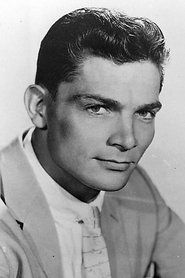 Larry PennellGeorge Leahy
 Jacquelyn HydeElvira Sharack
 Robert SymondsPike
 Heidi BohayAnn Leahy
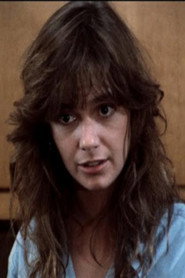 Maylo McCaslinSheryl Leahy
 Carole GoldmanElondra
- Kim MarieMary Shire
 Billy JayneJustin Leahy
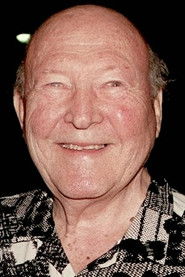 Stacy Keach Sr.Rev. Maier
Directing
- James W. RobersonDirector
- Jan ErvinFirst Assistant Director
- Brad WhiteSecond Assistant Director
Writing
- Galen ThompsonScreenplay
- Brad WhiteStory
- Bret Thompson PlateStory
- Michael O. SajbelStory
Production
- Michael O. SajbelAssociate Producer
- Ruth ConforteCasting
- John D. SchwartzCo-Producer
- Robert Lloyd LewisCo-Producer
- Andrew G. VajnaExecutive Producer
- Mario KassarExecutive Producer
- Ed CarlinProducer