
Film
Psycho III
Anthony Perkins returns to the Bates Motel in this 1986 sequel that actually lets him direct. Norman spirals further into madness when a troubled nun arrives, triggering his fractured psyche. It's gorier and campier than the original, trading subtlety for Grand Guignol theatrics. For fans hungry for more Norman, it's oddly rewarding; Perkins understands his character's interior logic in ways even Hitchcock didn't need to show.
Should you watch it?
Watch it if you like a sequel that digs into its villain's damaged psyche, lets unease simmer for long stretches, and treats the franchise's past as a wound rather than a joke.
Skip it if you want the sharp, suspense-driven menace of the 1960 original, since this one is looser, talkier and often more interested in its lonely killer than in making your pulse jump.
What it asks of you: A brisk ninety-three minutes, but with long stretches of talk and brooding between the moments of menace, so settle in rather than wait for the next jolt.
Not sure? Find tonight's pick in a minute.
If you liked this
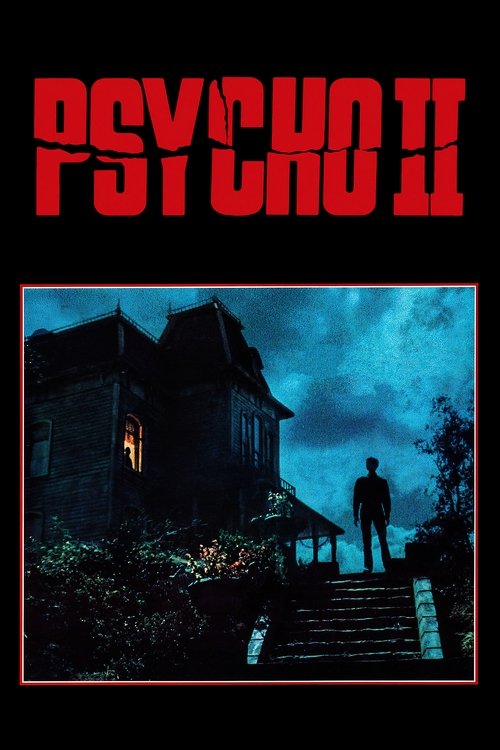
Psycho II1983
The direct sequel that brought Norman back twelve years later. It's genuinely clever about his psychosis and how institutions fail him, and it has real suspense alongside the absurdity. A necessary bridge between the original and this one.
But Moves slowly by 80s standards and asks you to care about a Norman Bates redemption arc, which feels perverse even when the film knows it does.
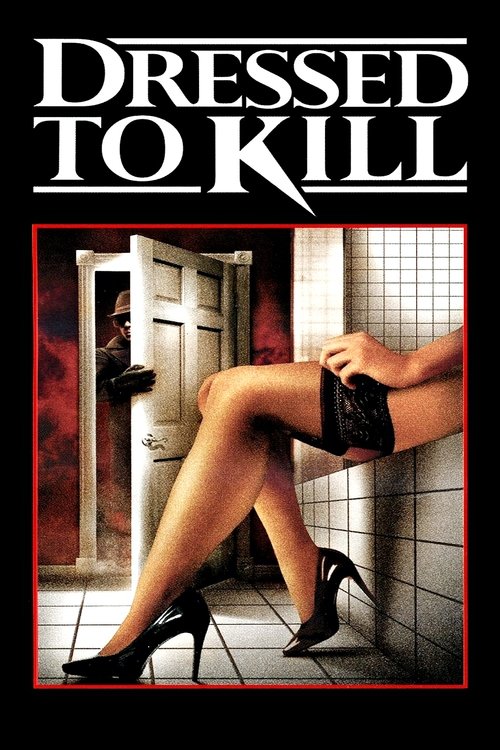
Dressed to Kill1980
De Palma's Hitchcockian thriller about a psychiatrist who may be a serial killer. Same DNA as Psycho—sexual pathology, the shower scene echoes, a murderer's fractured logic—but filtered through 80s excess and genuine style.
But The sexual violence is graphic and uncomfortable in ways that can read as exploitative. Some find it tasteless rather than transgressive.
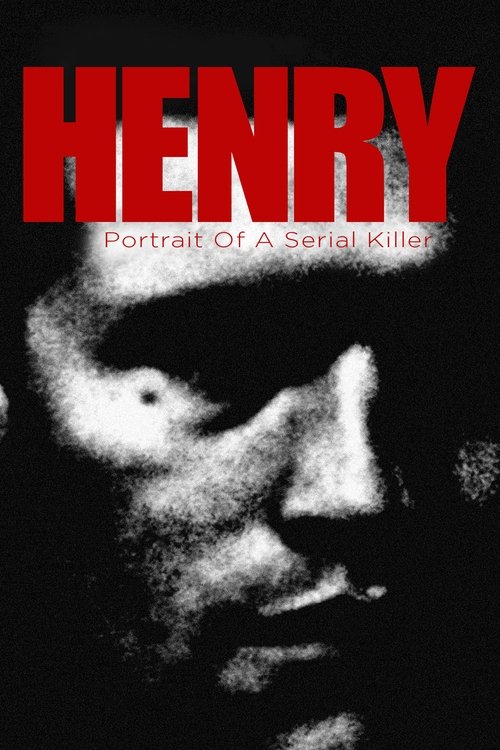
Henry: Portrait of a Serial Killer1986
Made the same year as Psycho III, this finds horror in banal realism rather than Gothic atmosphere. It's about the mundane sociopathy of ordinary evil, which is what Norman has become by the third film. Genuinely disturbing.
But It's bleak, static, and offers no catharsis or plot momentum. Watching it feels like an endurance test, by design.
Not sure tonight? Get a pick in a minute, starting from Psycho III
The wildcard
Something you would not have found on your own.
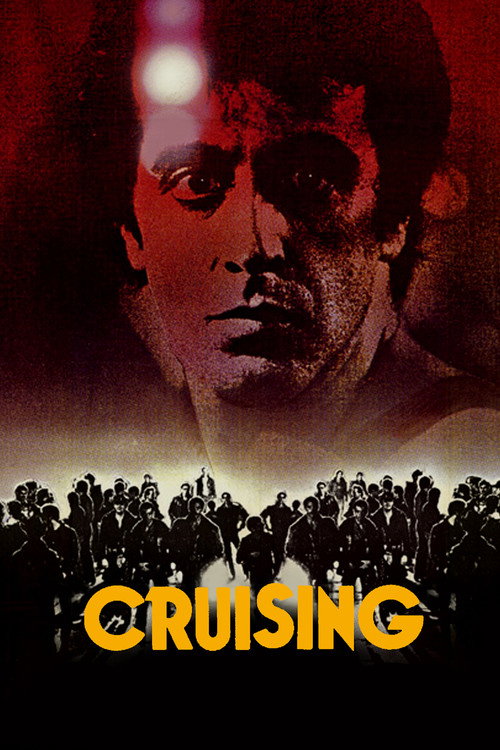
Cruising1980
Both explore how adopting a role—Norman playing mother, Pacino's cop playing victim—erodes the self. Both suggest that watching violence with desire creates a feedback loop the watcher can't escape.
Friedkin's notorious film puts Al Pacino undercover in NYC's leather bars to hunt a serial killer. Like Psycho III, it's obsessed with how desire and violence are tangled together, and how a cop-turned-bait starts losing his identity and morality. It's also ugly in ways the film barely understood it was being.
But The homophobia is baked in, intentionally or not. The film uses gay spaces and gay bodies as pure transgression, which reads as grotesque now. It's a horror film about being gay, not a horror film set in a gay space, and that distinction matters.
More like this (7)
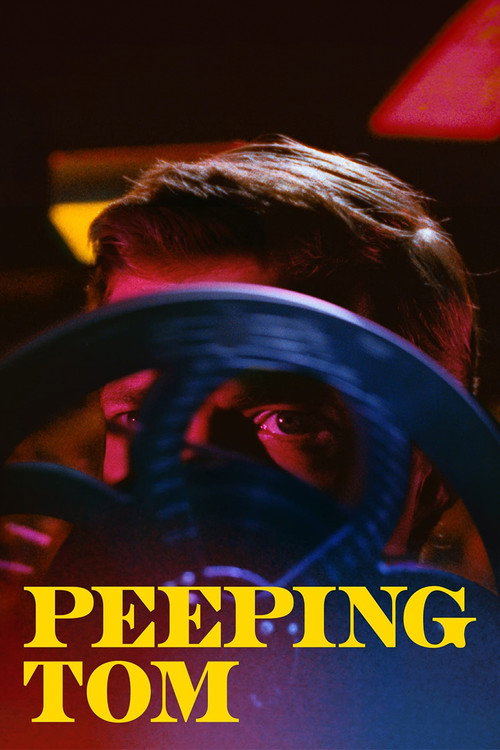
Peeping Tom1960
Powell's masterpiece about a cameraman who films women he kills. It's the dark mirror to Psycho—equally interested in a killer's psychology but with more formal precision. Influenced everything after.
But It's glacial and European in pacing. The misogyny, even as critique, hasn't aged as well as Hitchcock's cleaner approach.
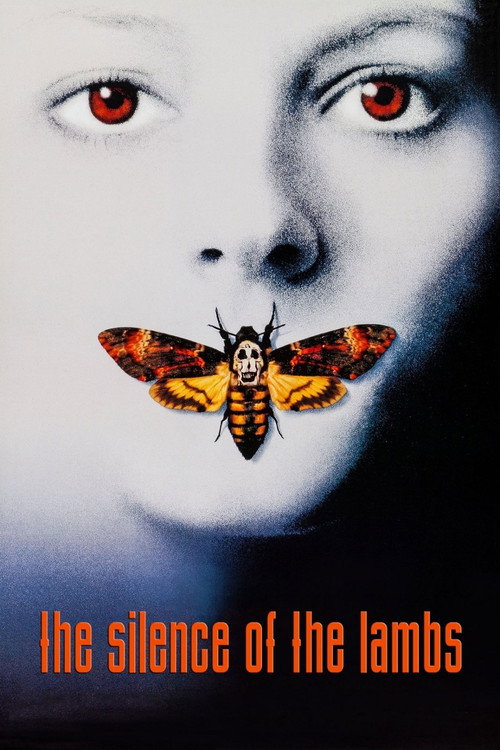
The Silence of the Lambs1991
The serial-killer psychology thriller perfected. Hannibal steals every scene because Hopkins understood the same thing Perkins did: a monster who's lucid about his monstrosity is more interesting than a crazy one.
But So famous it feels inevitable now. Some scenes have been quoted and parodied to death, which dulls the original impact.
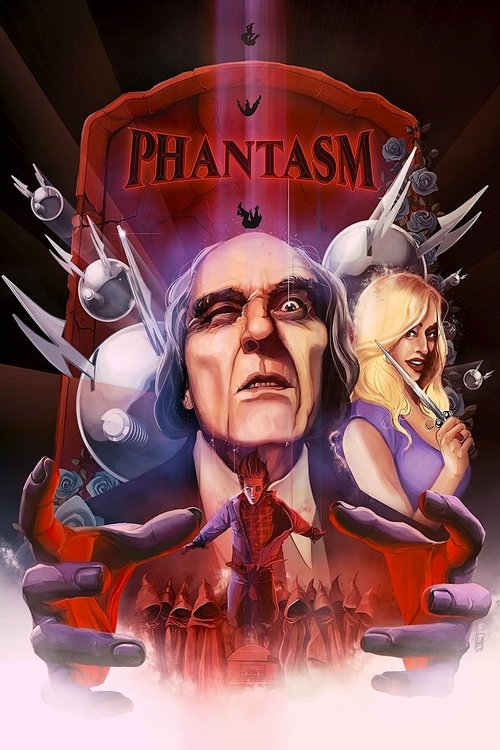
Phantasm1979
Don Coscarelli's waking nightmare about a mortuary and something ancient and wrong. It has the same queasy atmosphere as Psycho III—dreams bleeding into reality, a protagonist losing his grip—but weirder and cheaper and nastier.
But The plot is deliberately incoherent. If you need things explained, you'll leave frustrated. It operates on dream logic, not logic logic.
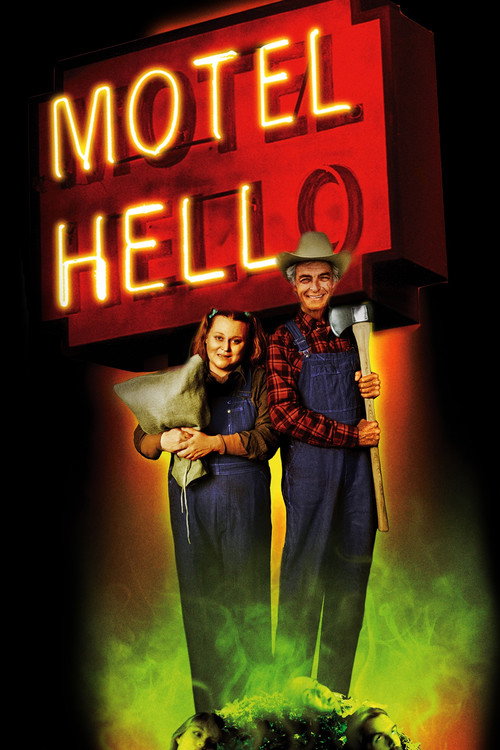
Motel Hell1980
A family runs a motel where guests are the main ingredient. It's a dark comedy version of Norman Bates—exploitation horror with a wink, gruesome and silly in equal measure. Pure 80s trash energy.
But The tone is deliberately inconsistent. Horror comedies fail more often than they work, and this one requires you to be in on the joke.
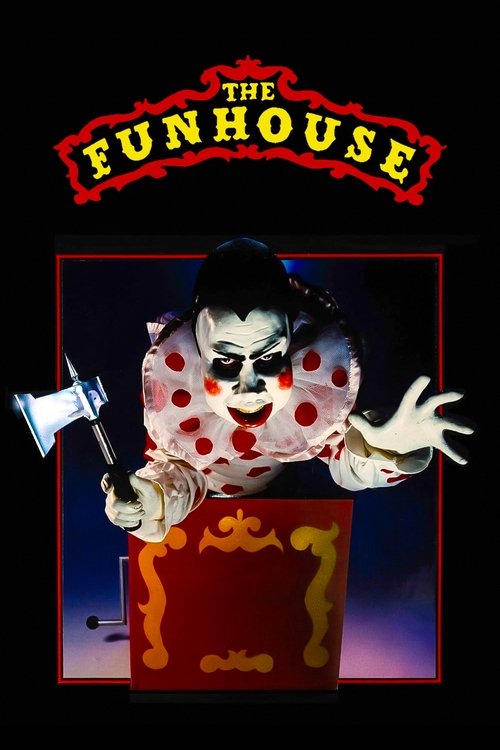
The Funhouse1981
Tobe Hooper's carnival horror where teens get trapped with something in a funhouse basement. Less about psychology and more about visceral dread, but shares Psycho III's interest in American spaces that hide violence.
But It's relentlessly grim without much character development. Teenagers being punished feels dated and mean-spirited now.
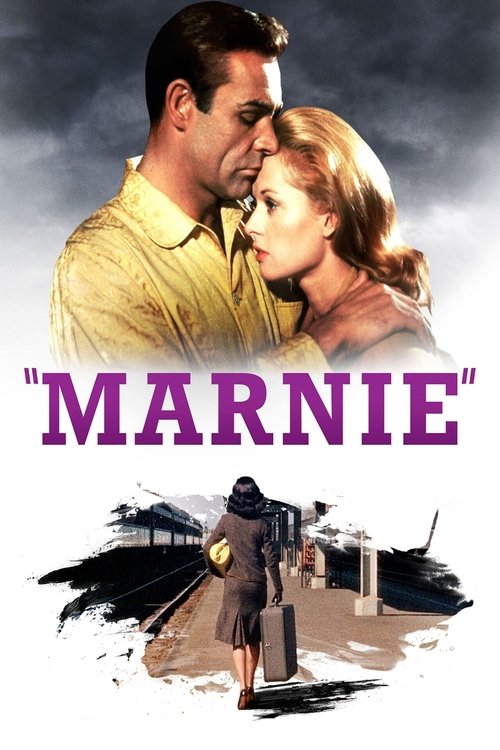
Marnie1964
Both films are about damaged people returning to the sites of their trauma and finding that homecoming impossible. Both are more interested in the interior wreckage than the plot mechanics.
Hitchcock's strangest film is about a compulsive liar and thief who marries her boss, who's obsessed with 'curing' her. Like Norman, Marnie can't escape her past or her compulsions; unlike him, the film is genuinely interested in her interiority and whether she can change.
But It's wilfully artificial—painted backdrops, obvious rear projection. Some find the whole enterprise clumsy, like watching someone act rather than inhabit a role. The Freudian psychology also feels like pop psych now.
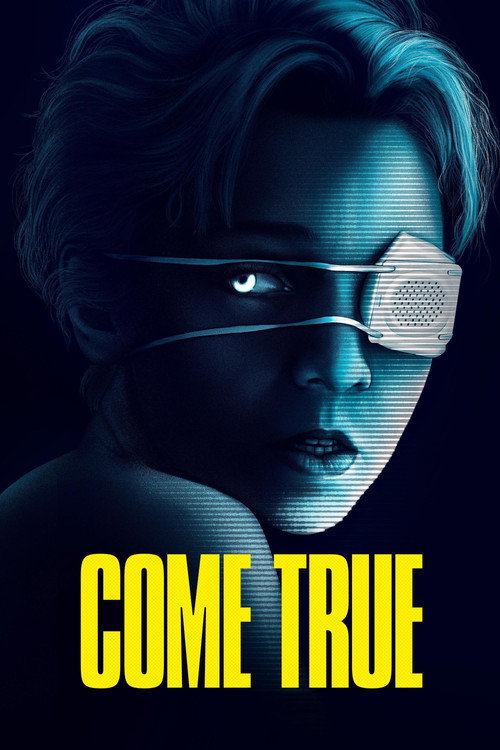
Come True2020
Both are deeply interested in the body as a site of invasion and loss of control. Both suggest that some breaches of the self can't be undone, and the person you were is gone.
A teenager joins a sleep study and discovers something's accessing her dreams. It's a low-budget sci-fi horror that uses body horror and surrealism where Psycho III uses gore. Like Psycho III, it's about the self fragmenting and something alien inhabiting the protagonist's body—except here it's literal.
But It's slow-burn and visually abstract. If you want plot clarity and character development, you won't find it. The ending is deliberately unsatisfying and weird.
People
Cast
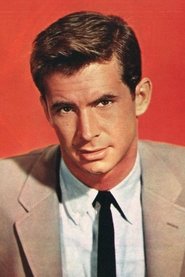 Anthony PerkinsNorman Bates
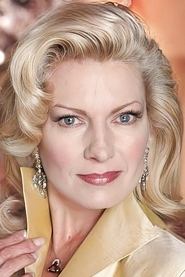 Diana ScarwidMaureen Coyle
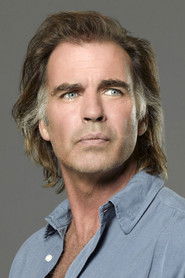 Jeff FaheyDuane Duke
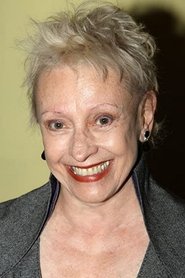 Roberta MaxwellTracy Venable
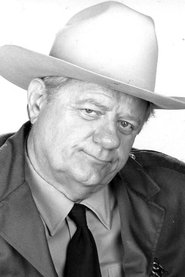 Hugh GillinSheriff John Hunt
 Lee GarlingtonMyrna
- Robert Alan BrowneRalph Statler
- Gary BayerFather Brian
 Patience ClevelandSister Margaret

- Steve GuevaraDeputy Leo
- Kay HeberleRuthie
Directing
- Anthony PerkinsDirector
- Gary DaiglerFirst Assistant Director
- Betty A. GriffinScript Supervisor
- Katterli FrauenfelderSecond Assistant Director
Writing
- Robert BlochOriginal Story
- Charles Edward PogueScreenplay
Production
- Don ZepfelAssociate Producer
- Nancy NayorCasting
- Hilton A. GreenProducer
- Booker McClayPublicist
- Don ZepfelUnit Production Manager