
Film
Psycho II
Psycho II finds Norman Bates released from psychiatric care and attempting normalcy, though the question of his redemption hangs heavy over every frame. It's a surprisingly thoughtful sequel that resists cheap thrills, instead exploring whether monsters can change and whether we're capable of letting them try. For patient horror fans who value character over gore.
Should you watch it?
Watch it if you enjoy sequels that play with their own legend, trading the original's shock for a slyer game of doubt, paranoia and wry unease about whether a damaged man can be trusted.
Skip it if you need the 1960 original's jolts and a relentless pace, since this is talkier, slower and more interested in therapy sessions and whispered suspicion than in shocks.
What it asks of you: At 113 minutes it moves at a patient pace through quiet scenes, so you need to settle in and let unease build rather than wait for it to pounce.
Not sure? Find tonight's pick in a minute.
If you liked this
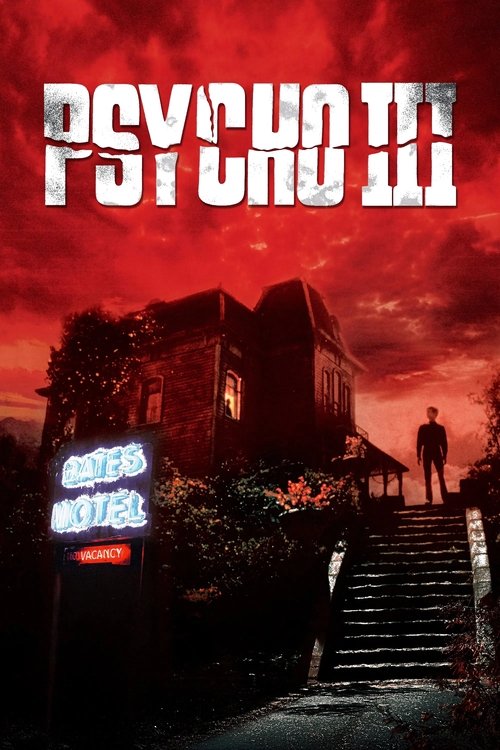
Psycho III1986
Anthony Perkins returns to direct himself, deepening Norman's internal conflict while the film grows darker and more visually audacious. The church scenes are genuinely unsettling in ways that feel earned rather than imposed.
But It's messier and more baroque than its predecessor, with tonal swings that don't always land. Some viewers find Perkins' directorial choices self-indulgent.
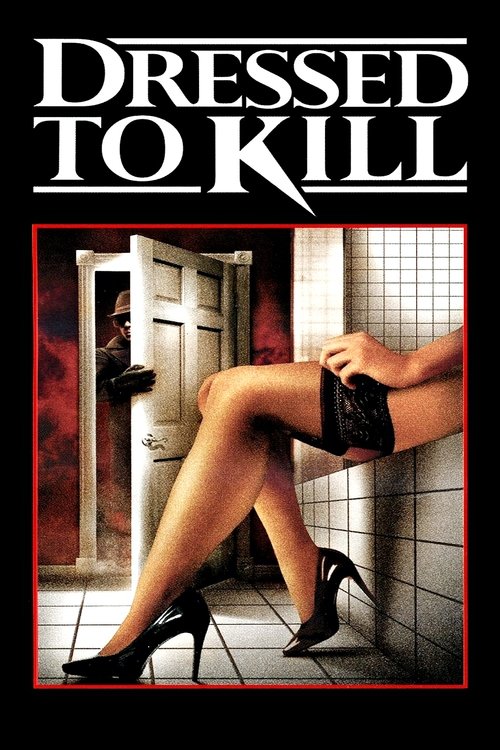
Dressed to Kill1980
Brian De Palma's Hitchcockian thriller uses split psychology and costume as weapons in a way that'll make you reconsider what Norman represents. Michael Caine is hypnotic and deeply disturbing.
But The gender politics are thorny and the violence against women is graphic. It's a film many justifiably find repulsive even when they acknowledge its craft.
Henry: Portrait of a Serial Killer1986
Like Psycho II, it refuses sensationalism about its monster, instead asking us to sit with mundane horror. The documentary-like flatness makes it far more disturbing than any thriller's polish could manage.
But It's bleak, repetitive, and deliberately unglamorous. There is no catharsis. Some will find it pointless; others will find that's exactly the point.
Not sure tonight? Get a pick in a minute, starting from Psycho II
The wildcard
Something you would not have found on your own.
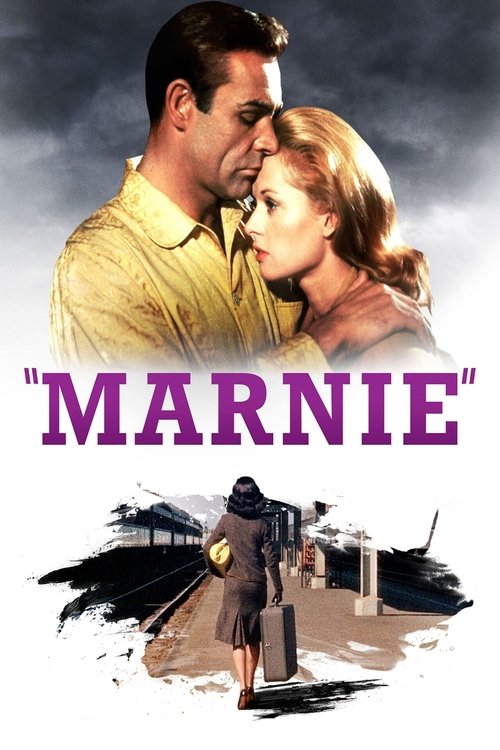
Marnie1964
Both pit the possibility of change against the weight of past damage, asking whether love or care can alter fundamental psychology. Both also feature protagonists whose interior lives are unknowable to those around them.
Hitchcock's film about a compulsive liar and thief paired with Sean Connery's damaged man explores how intimacy might heal trauma—the mirror question to Norman's case. A strangers' redemption attempt rather than self-redemption. Psychologically richer than most give it credit for.
But The gender dynamics and the film's treatment of female sexuality feel troubling now. Connery's character's behavior crosses lines the film doesn't seem aware of. It's fascinating but uncomfortable in ways beyond the horror.
More like this (7)
Mulholland Drive2001
Lynch explores fractured identity and the performance of self in Hollywood with an intensity that makes Norman's duality feel like rehearsal for something stranger. The film rewards obsessive rewatching.
But It's three hours of ambiguity that never resolves. If you need answers rather than questions, you'll leave frustrated rather than fascinated.

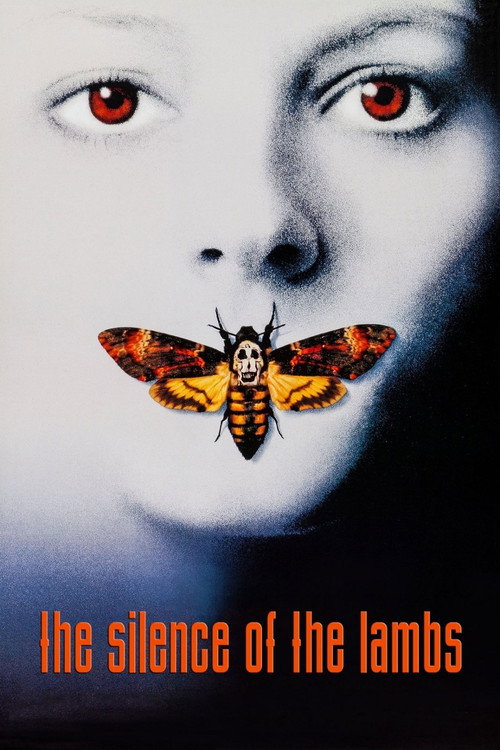
The Silence of the Lambs1991
Hopkins' Hannibal is what Norman might become if the darkness fully won—articulate, charismatic, utterly without remorse. The film's cat-and-mouse game is thrilling without ever forgetting the stakes.
But It's been canonized to death and recommended everywhere. The originality has worn thin; you're largely watching a very well-made thing you may have already seen.
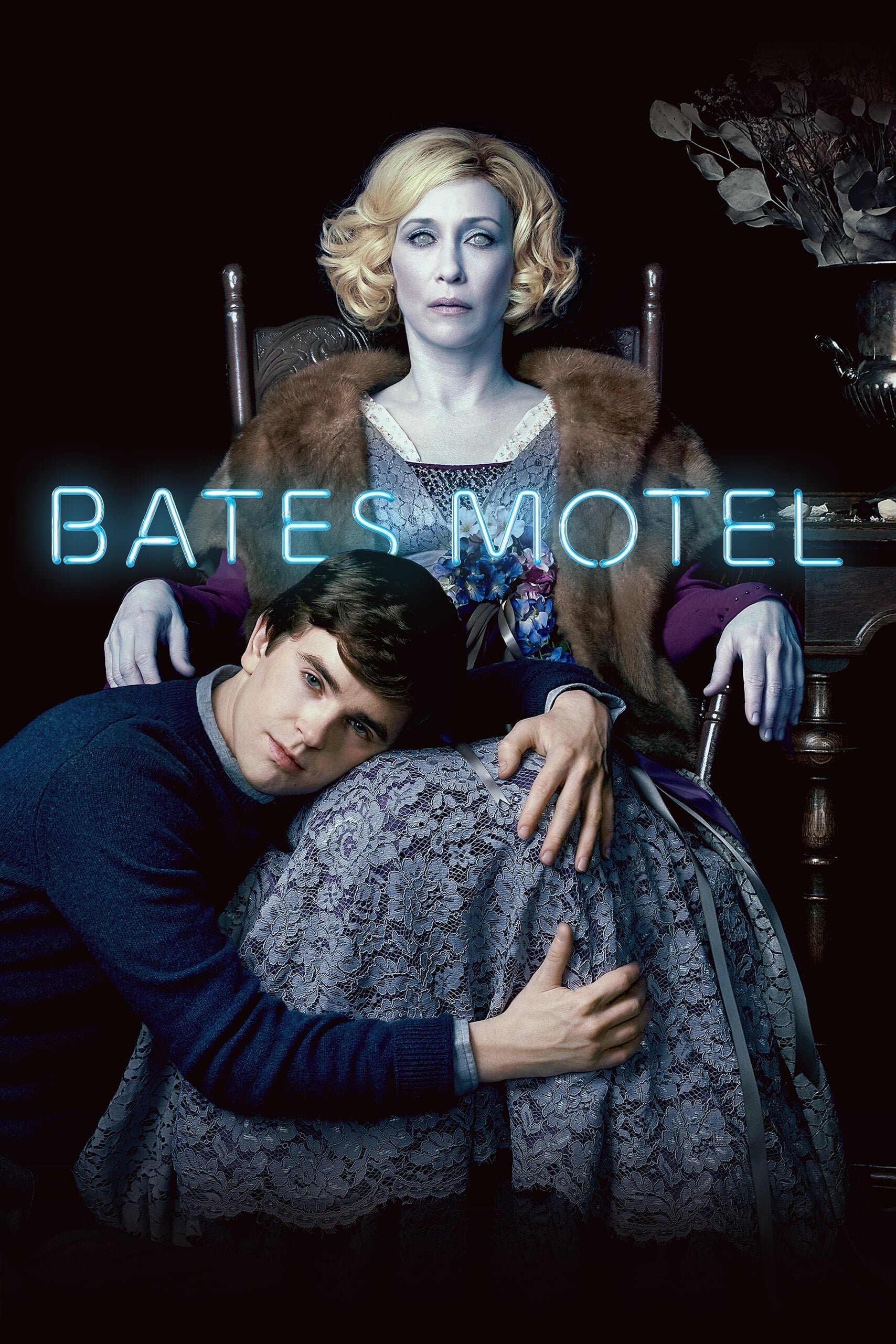
Bates Motel2013
The TV prequel takes Norman seriously as a character worthy of complexity. Freddie Highmore's performance suggests the tragedy of someone who might have been different under other circumstances, making his corruption genuinely sad.
But It requires investment across five seasons. The later ones drift into soap opera territory, and the ending divides opinion sharply about whether it earned its darkness.
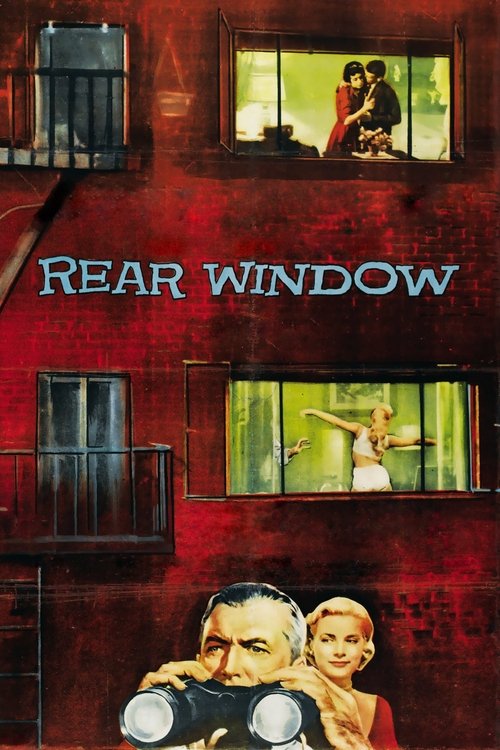
Rear Window1954
Hitchcock's original masterclass in guilt and suspicion—a man watches a neighbor he suspects of murder from his apartment window. It's the DNA from which Psycho II draws its psychological unease.
But It moves slowly by modern standards. The gender dynamics feel dated even accounting for era. Some find it more celebrated than actually gripping.
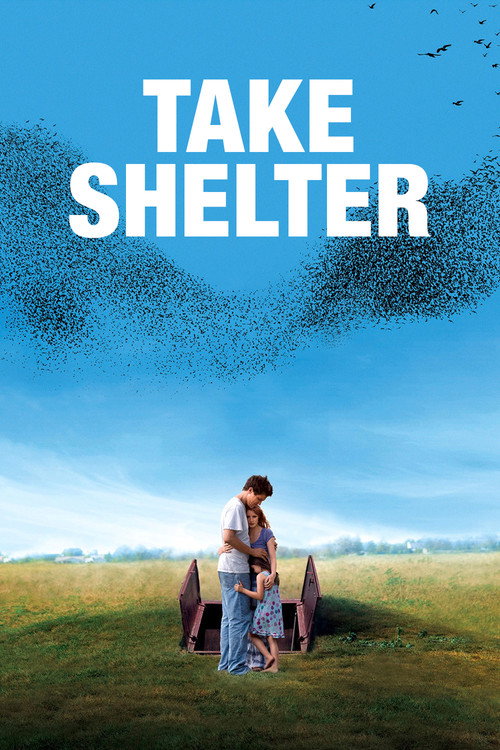
Take Shelter2011
Michael Shannon's paranoid dread as a man building a bunker against an apocalypse he may only be imagining captures the same question as Psycho II: can we trust our own minds? Visually hypnotic.
But It's deliberately paced and offers no easy answers. The ambiguity that makes it intelligent will frustrate those wanting resolution or clarity.
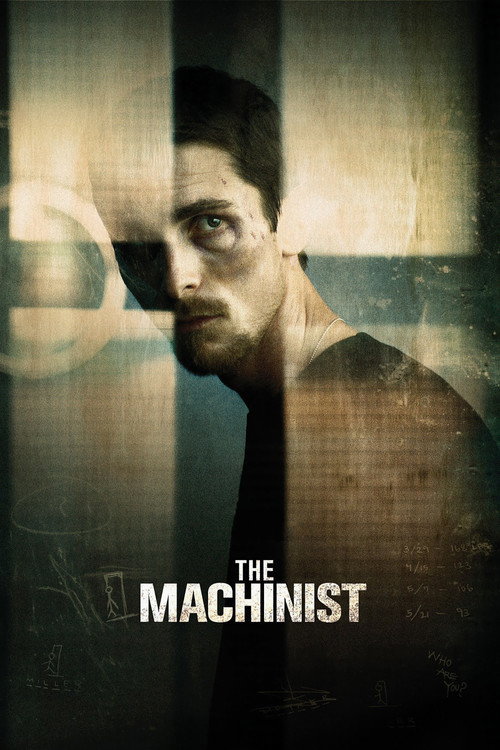
The Machinist2004
Both are films about men whose sense of reality has become unreliable, and both ask whether their unreliability makes them victims or architects of their own suffering. Both refuse to let the audience sit comfortably.
Christian Bale's skeletal insomniac unravels in a factory setting so bleak it feels dreamlike. Like Psycho II, it takes seriously the question of whether a compromised mind can distinguish guilt from memory, fact from obsession.
But The film is intentionally ugly and claustrophobic. Bale's extreme weight loss is distracting rather than immersive for some. The twist feels like a trick rather than an earned revelation to many viewers.
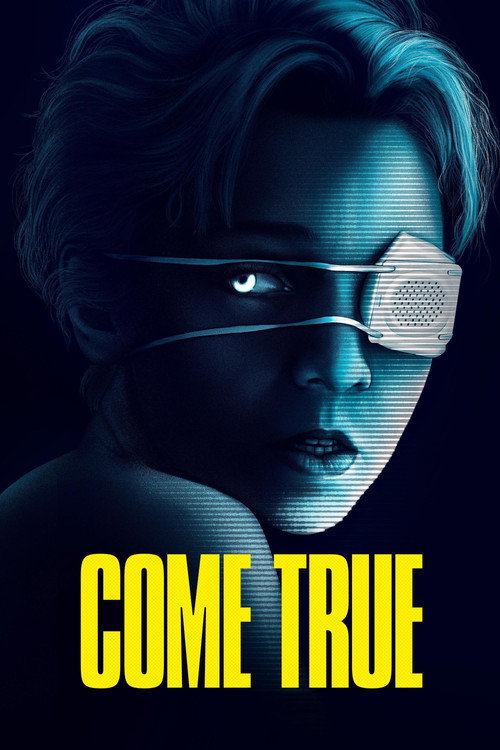
Come True2020
Both are unconventional in their refusal to satisfy genre expectations. Both suggest that the real terror isn't violence but the loss of control over one's own mind and body, and both trust the audience to sit with that discomfort.
An obscure science-fiction film about sleep studies and nocturnal horror that operates in the register of creeping dread rather than sudden violence. Like Psycho II, it's patient and strange, building unease through atmosphere and fractured identity. Visually striking in unusual ways.
But It's slow, available nowhere mainstream, and deliberately indifferent to plot clarity. If you need narrative momentum or clear stakes, you'll find it frustrating rather than haunting.
People
Cast
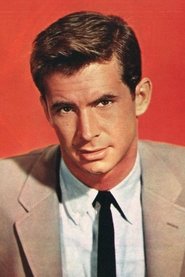 Anthony PerkinsNorman Bates
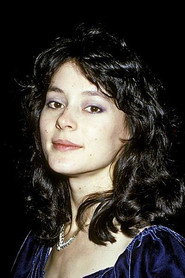 Meg TillyMary
 Vera MilesLila Loomis
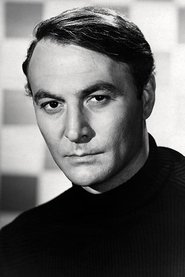 Robert LoggiaDr. Bill Raymond
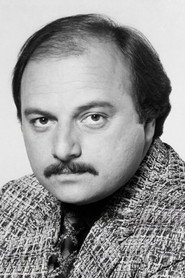 Dennis FranzWarren Toomey
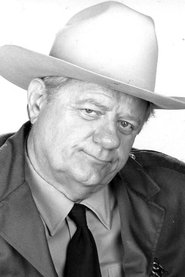 Hugh GillinSheriff John Hunt
 Virginia GreggNorma Bates (voice) (uncredited)
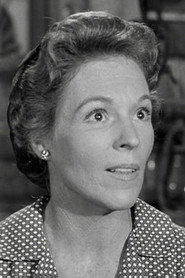 Claudia BryarMiss Spool
- Robert Alan BrowneRalph Statler
- Ben HartiganJudge
 Lee GarlingtonMyrna
- Tim MaierJosh
Directing
- Richard FranklinDirector
- Don ZepfelFirst Assistant Director
- Lisa MarmonSecond Assistant Director
Writing
- Robert BlochCharacters
- Tom HollandWriter
Production
- Jackie BurchCasting
- Bernard SchwartzExecutive Producer
- Hilton A. GreenProducer
Recommended by
Bates Motel, The New York Ripper, Crystal Lake, Psycho III, A Nightmare on Elm Street 4: The Dream Master, Halloween 5: The Revenge of Michael Myers