
Film
Tombs of the Blind Dead
A 1972 Spanish-Portuguese horror film where medieval Templar knights, executed centuries ago for dark rituals, claw their way back to life to terrorize modern tourists at their ruined monastery. It's atmospheric and genuinely creepy, built on mood and practical effects rather than gore. For lovers of slow-burn Euro-horror and folk-horror atmospherics.
If you liked this
The Wailing2016
A Korean horror masterpiece that layers folk mythology, religious dread, and community paranoia into something genuinely unsettling. Like Tombs, it trusts atmosphere over explanation and rewards patient attention.
But Nearly three hours and deliberately obscure about what's actually happening. Ambiguity is the point, which frustrates some viewers.

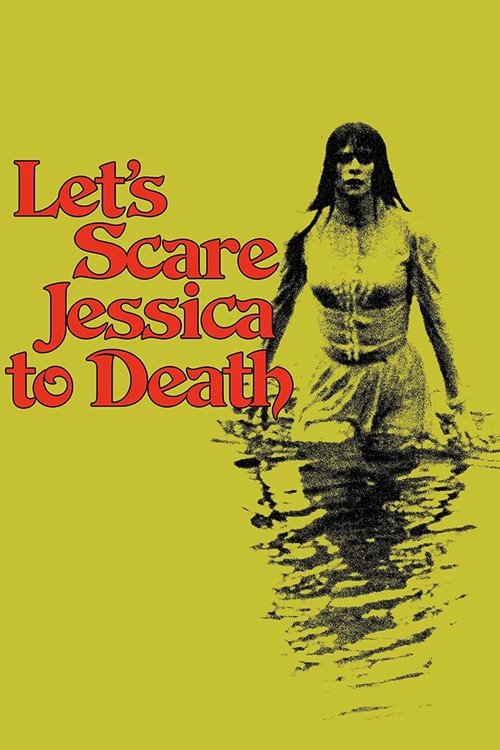
Let's Scare Jessica to Death1971
American indie horror from the same era with a similar haunted-retreat premise. Grainy, unsettling, and driven by dread rather than jump scares. The same slow creep under your skin.
But The pacing is genuinely glacial and the final act gets surreal in ways that might feel like the film losing its grip.
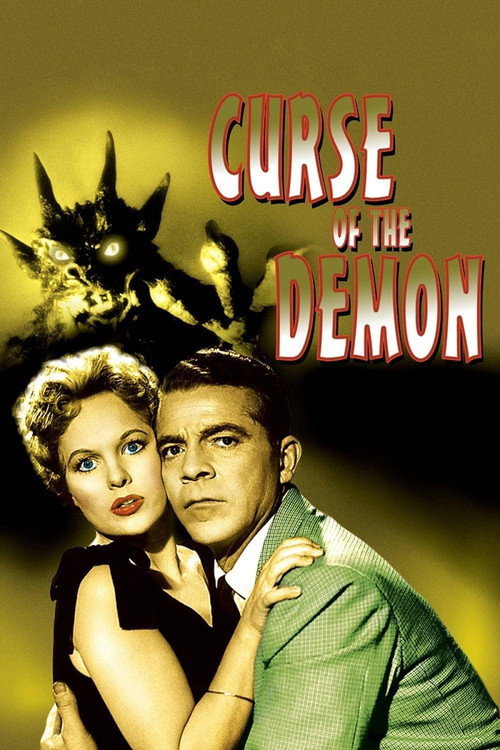
Night of the Demon1957
British supernatural horror about ancient evil awakening, anchored by a skeptical protagonist who slowly realizes something genuinely malevolent is real. Perfectly calibrated tension and restraint.
But The visible demon in the finale is a dated optical effect that undercuts some of the dread—though many argue it works anyway.
Not sure tonight? Get a pick in a minute, starting from Tombs of the Blind Dead
The wildcard
Something you would not have found on your own.
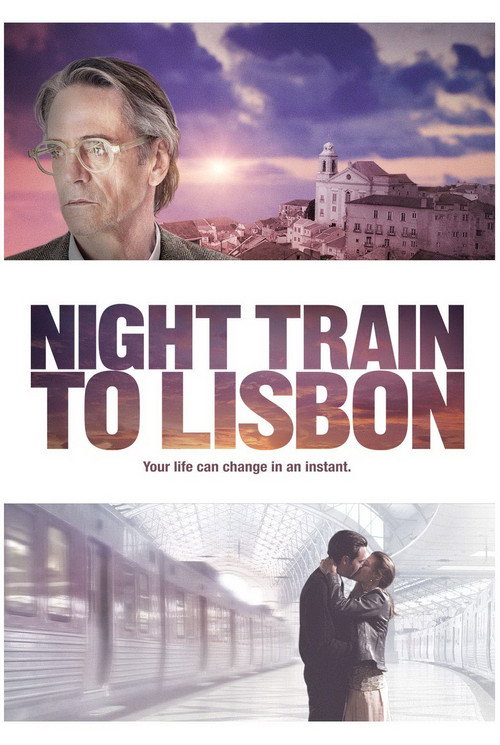
Night Train to Lisbon2013
Both films use abandoned history—ruined monasteries, abandoned pasts—as the actual horror. The real terror is that the dead don't stay buried, whether physically or psychologically.
A philosophical mystery that starts as a contemporary man's impulse journey and becomes a layered meditation on the Spanish Inquisition, mortality, and lives half-lived. Haunting in a completely different register—less jump-scare horror, more existential dread.
But It's contemplative and slow, more about mood than plot. The ending offers more questions than answers, which some find evasive rather than profound.
More like this (8)
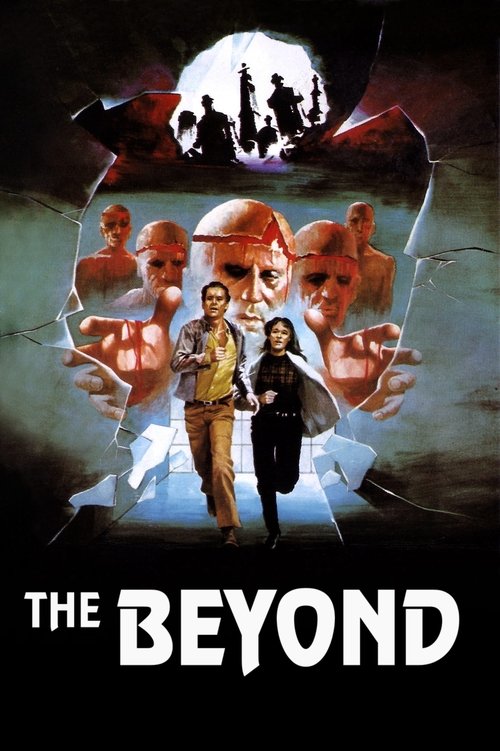
The Beyond1981
Lucio Fulci's Italian masterpiece about a haunted hotel and doorways to hell. Visual poetry in horror form, with sequences that linger in your memory. Pure atmosphere and mood.
But Plot is secondary to pure sensation; if you want narrative clarity, you'll be frustrated. Also quite graphic in places.
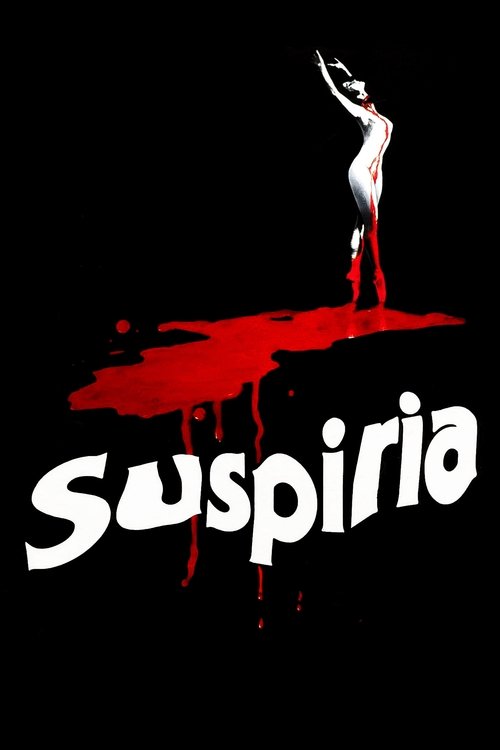
Suspiria1977
Dario Argento's candy-colored nightmare about a ballet school run by witches. Technically stunning, with a synth score that's genuinely haunting. Horror as immersive sensory experience.
But The logic is dreamlike rather than literal, and the dubbing can feel detached. Some find it pretentious.
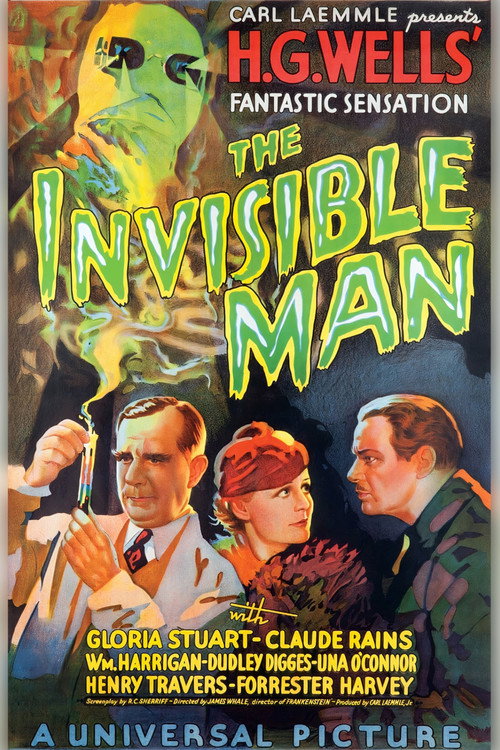
The Invisible Man1933
Universal's mad-scientist-as-monster classic, where invisibility becomes a tool for cruelty and madness. Technically inventive and genuinely uncomfortable about violation and violation of boundaries.
But It's ninety years old and the pacing expects patience. The humor dates more visibly than the horror.
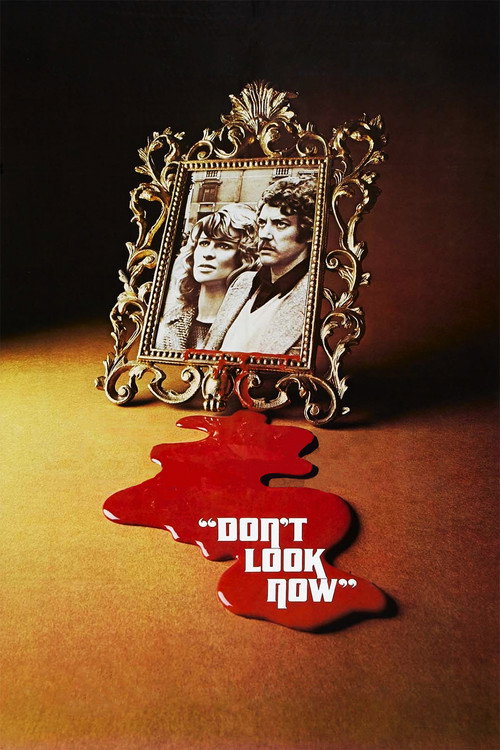
Don't Look Now1973
Nicolas Roeg's atmospheric Venetian nightmare about grief, premonition, and the impossible. A masterclass in how to sustain dread through cinematography and sound design alone.
But Slow and oblique; the ending's meaning is debated. Some find it pretentious rather than haunting.
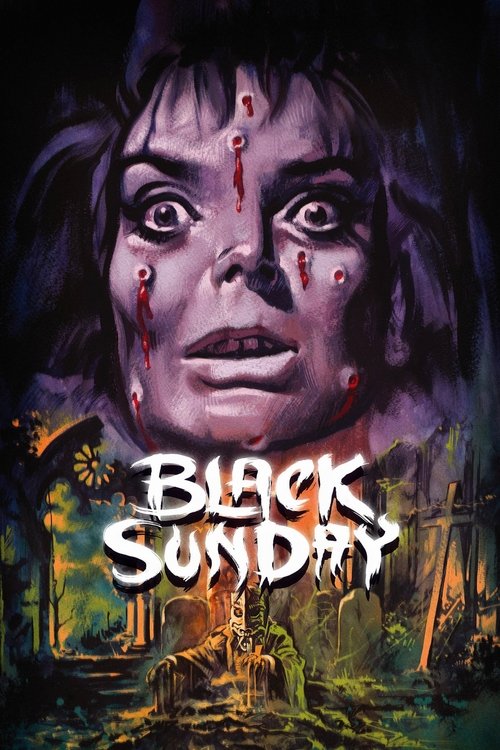
Black Sunday1960
Bava's Italian gothic about a witch's curse spanning centuries, executed with stunning black-and-white cinematography. Visually baroque and genuinely eerie, even in stillness.
But The plot is thin and sometimes incoherent. You're watching it for the images, not the story.
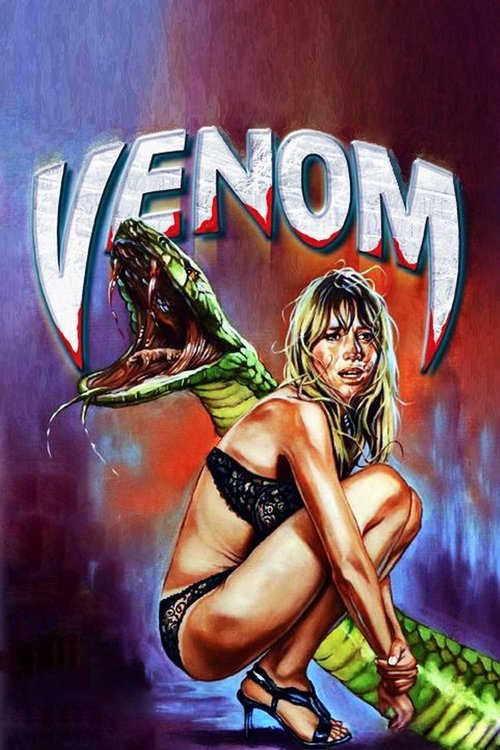
Venom1981
A snake-in-a-confined-space thriller that builds claustrophobic dread through simple, elegant premise. Tense and weird, with Klaus Kinski as a genuinely unsettling villain.
But The tone shifts between thriller and B-movie camp. Some of the execution doesn't match the ambition.
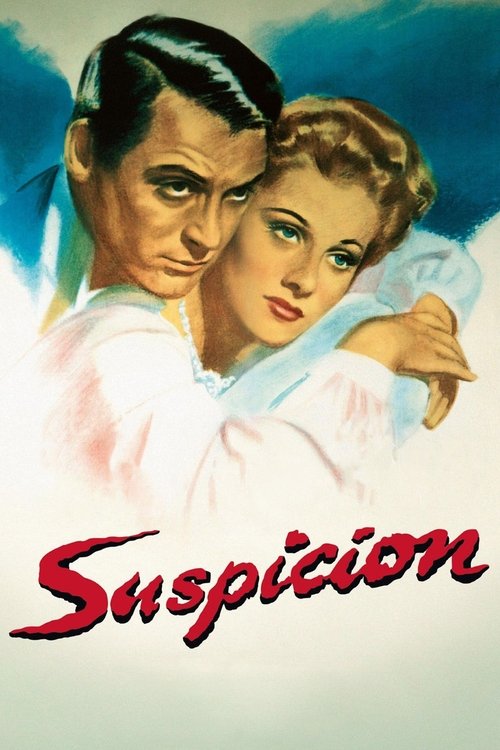
Suspicion1941
Both films center on the horror of not knowing what you can trust: in Tombs, the undead knights are unknowable and inescapable; in Suspicion, the familiar becomes alien. The real dread isn't the monster—it's uncertainty itself.
Hitchcock's thriller where paranoia and doubt become the true antagonist. Cary Grant plays against type as a man his wife increasingly believes might be dangerous. Psychological horror dressed as domestic suspense.
But The ending feels compromised by studio interference. The final revelation deflates some of the film's best ambiguity.
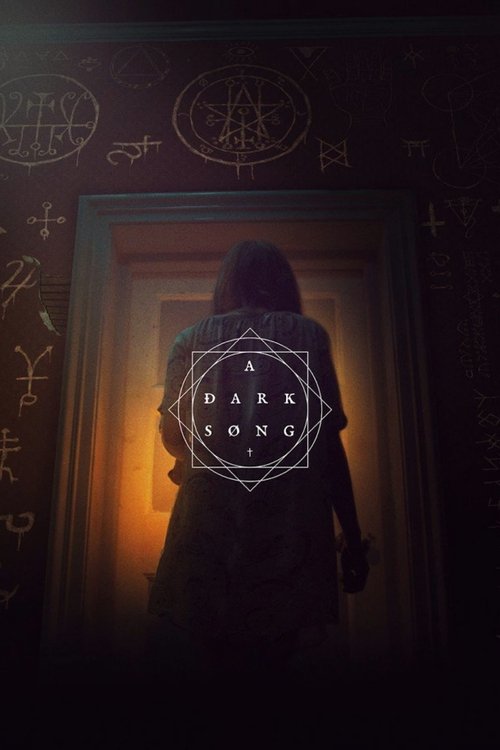
A Dark Song2016
Both use religious/ritualistic frameworks to explore mortality and the boundary between this world and the next. Where Tombs is about intrusion from the past, A Dark Song is about summoning what should remain unsummoned—same question, opposite direction.
An Irish occult film about grief, ritual, and desperate faith. Shot in muted tones with minimal cast, it's a chamber piece of spiritual horror—two people in a house attempting something cosmically dangerous. Quietly devastating.
But Extremely slow and deliberately sparse. If you want conventional plot momentum or scares, you'll find it punishing. Also emotionally heavy in ways that fatigue rather than frighten.
People
Cast
 Lone FlemingBetty Turner
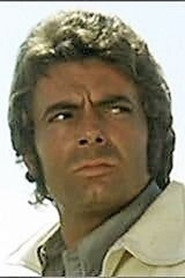 César BurnerRoger Whelan
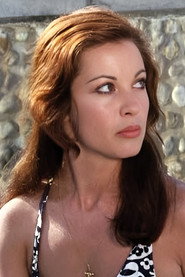 María Elena ArpónVirginia White
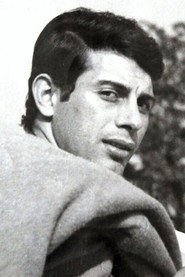 José ThelmanPedro Candal
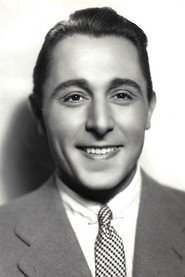 Rufino InglésInsp. Oliveira
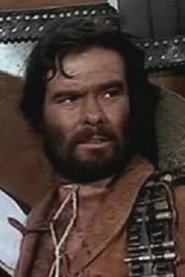 Simón ArriagaMorgue keeper
- Francisco SanzProf. Candal (librarian)
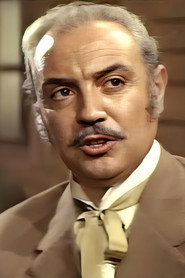 Juan CortésCoroner
- Antonio OrengoTrain engineer
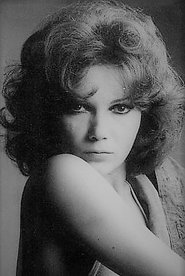 María SilvaMaria
Directing
- Amando de OssorioDirector
Writing
- Jesús Navarro CarriónDialogue
- Amando de OssorioWriter
Production
- José Antonio Pérez GinerExecutive Producer
- Salvadore RomeroExecutive Producer