
Film
The Ghost Train
Other titles called The Ghost Train: the 1941 film.
A 1931 British comedy-thriller where stranded passengers at a remote railway station confront mounting supernatural dread. It's a genre hybrid that finds genuine laughs in creeping menace, held together by energetic performances and the particular texture of early sound cinema. For anyone curious about how horror and humour coexisted before they split into separate lanes.
If you liked this
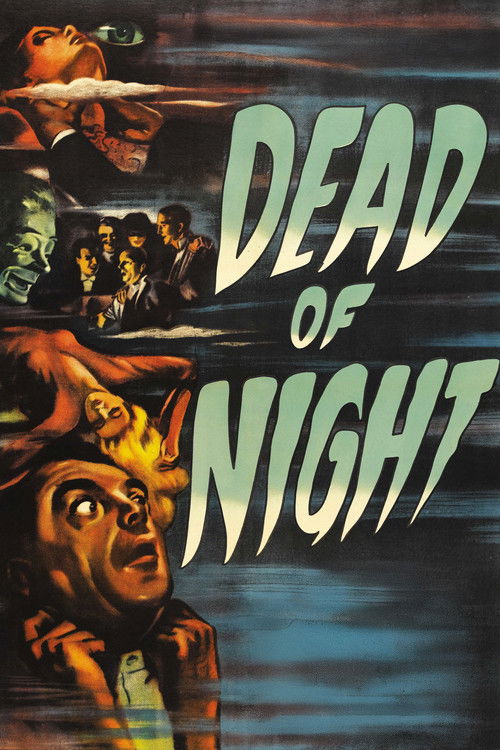
Dead of Night1945
A portmanteau of ghost stories that proves British horror can be unsettling and darkly funny in the same breath. Each segment finds terror in the mundane, much like The Ghost Train's stranded-travellers setup.
But The stories don't all land equally, and the anthology structure means you're waiting for segments to grip you. Some feel quaint now.
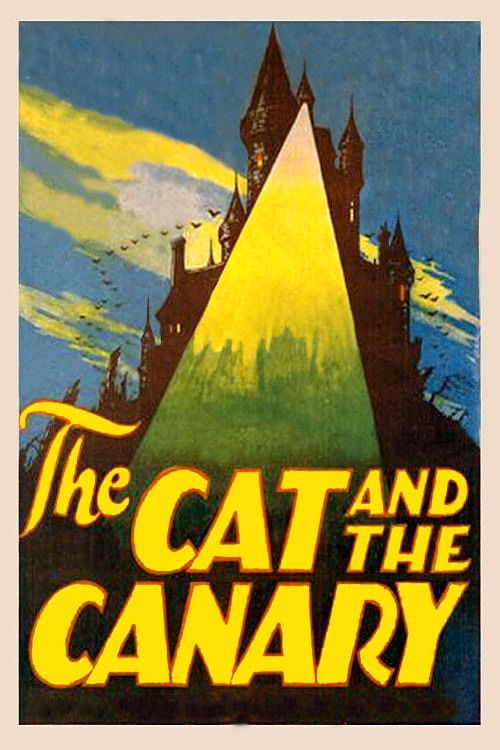
The Cat and the Canary1927
Silent comedy-thriller where a creepy mansion and an inheritance mystery create genuine scares and genuine laughs. Shows how effectively fear and humour could work together before sound complicated things.
But It's silent, which requires patience. The comedy timing doesn't always survive ninety years of comedy evolution.
Rope1948
Hitchcock's real-time thriller set in one apartment, trapping characters and audience together. The claustrophobia and mounting tension echo The Ghost Train's pressure-cooker setting.
But The gimmick of one unbroken take occasionally overshadows the characters. Some find it stagey rather than cinematic.

Not sure tonight? Get a pick in a minute, starting from The Ghost Train
The wildcard
Something you would not have found on your own.
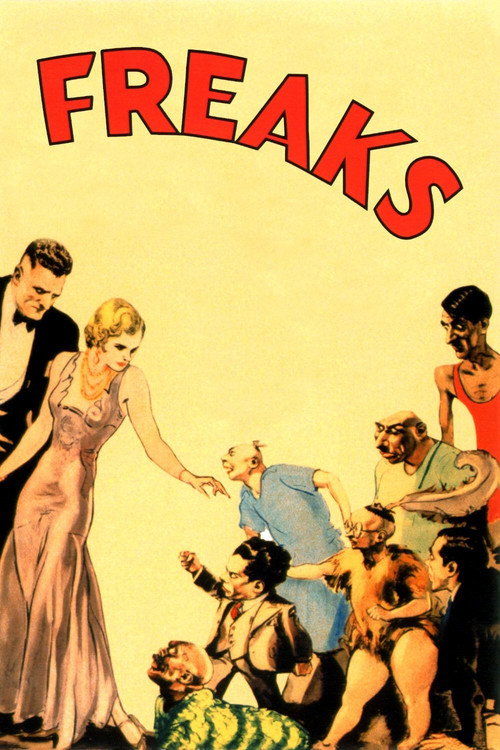
Freaks1932
Both are early 1930s films that weaponise ensemble casts and confined settings to explore what happens when ordinary social contracts break down under pressure.
Tod Browning's carnival thriller uses real circus performers to create genuine unease and genuine humanity. Like The Ghost Train, it finds terror in social gathering and the unknown other—but goes much stranger and darker.
But It's genuinely difficult to watch. The attitudes toward disability are complicated and sometimes uncomfortable by any standard.
More like this (8)
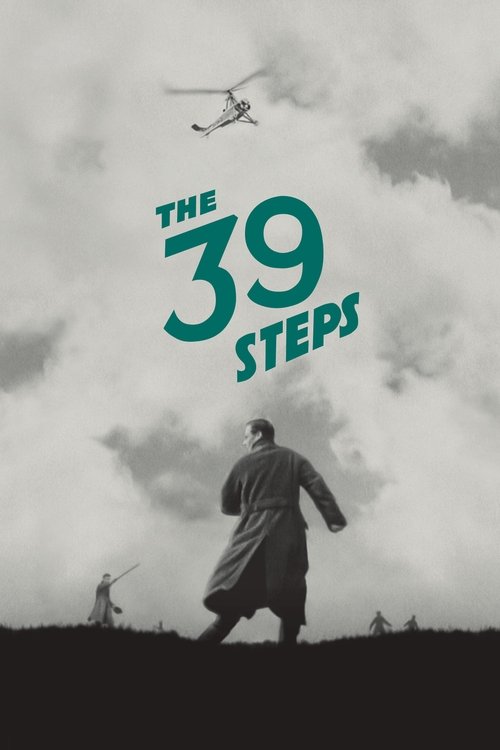
The 39 Steps1935
Hitchcock's perfectly paced adventure where an ordinary man gets swept into danger with strangers on the run. Fast, funny, thrilling—the template for everything that came after.
But Feels familiar now because everything copied it. The plot hinges on coincidences that strain belief.
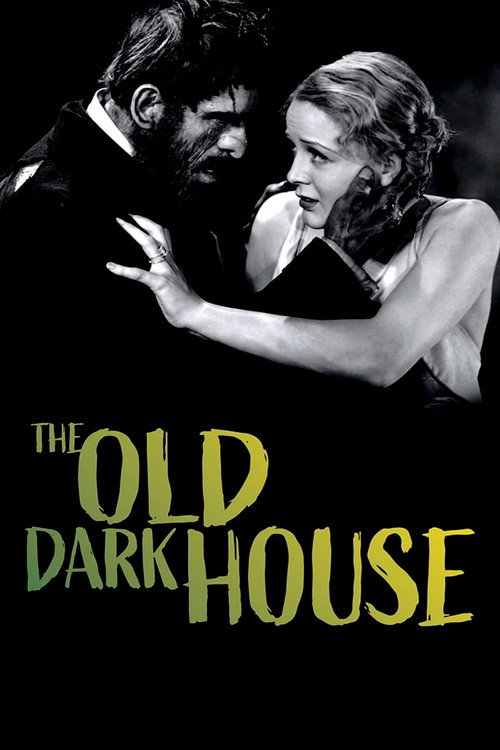
The Old Dark House1932
Universal's genre-blending gem: stranded travellers in a Gothic mansion with a strange family. Genuinely creepy but undercut with humour and oddball character work. Came out just after The Ghost Train.
But James Whale's direction is uneven and the horror doesn't quite land consistently. The pacing sags in the middle.
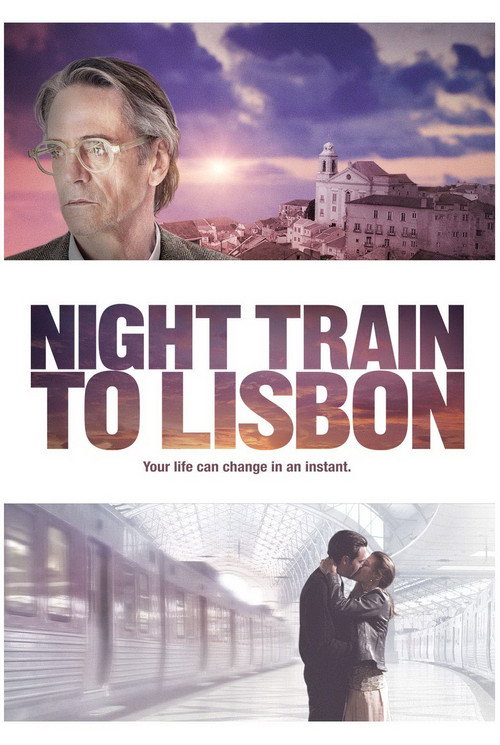
Night Train to Lisbon2013
British thriller set aboard a train, confined spaces, strangers with secrets, mounting paranoia. The railway setting and ensemble cast create similar pressure to Ghost Train.
But It's a lesser film, thinly plotted, and hasn't aged as well. Worth watching for atmosphere more than story.
The Lodger: A Story of the London Fog1927
Hitchcock's first thriller, where everyday London becomes sinister through suggestion and fear. No bombast, just growing dread in close quarters with a mysterious stranger.
But The silent storytelling is elliptical and can feel slow. You have to lean in, which isn't everyone's evening.

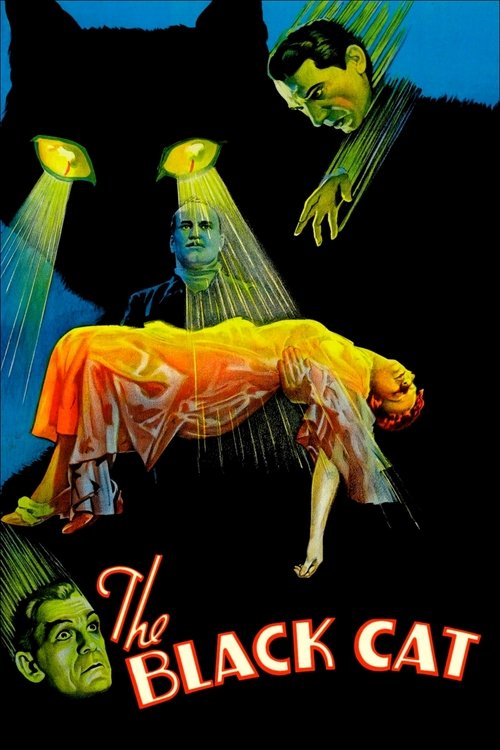
The Black Cat1934
Lugosi and Karloff in a genuinely weird Gothic thriller about an aristocratic mansion and buried secrets. It's grotesque and uneasy in ways early horror managed before it became formula.
But It's visually striking but narratively muddled. The story takes a back seat to atmosphere and weirdness.
Nosferatu1922
The foundational vampire film, distilled to pure dread. A small group aware of approaching evil but powerless to stop it. The silent-film texture and mounting inevitability feel ancestral to everything else here.
But It's slow by modern standards, and some find silent horror too theatrical. The print quality can be distracting.

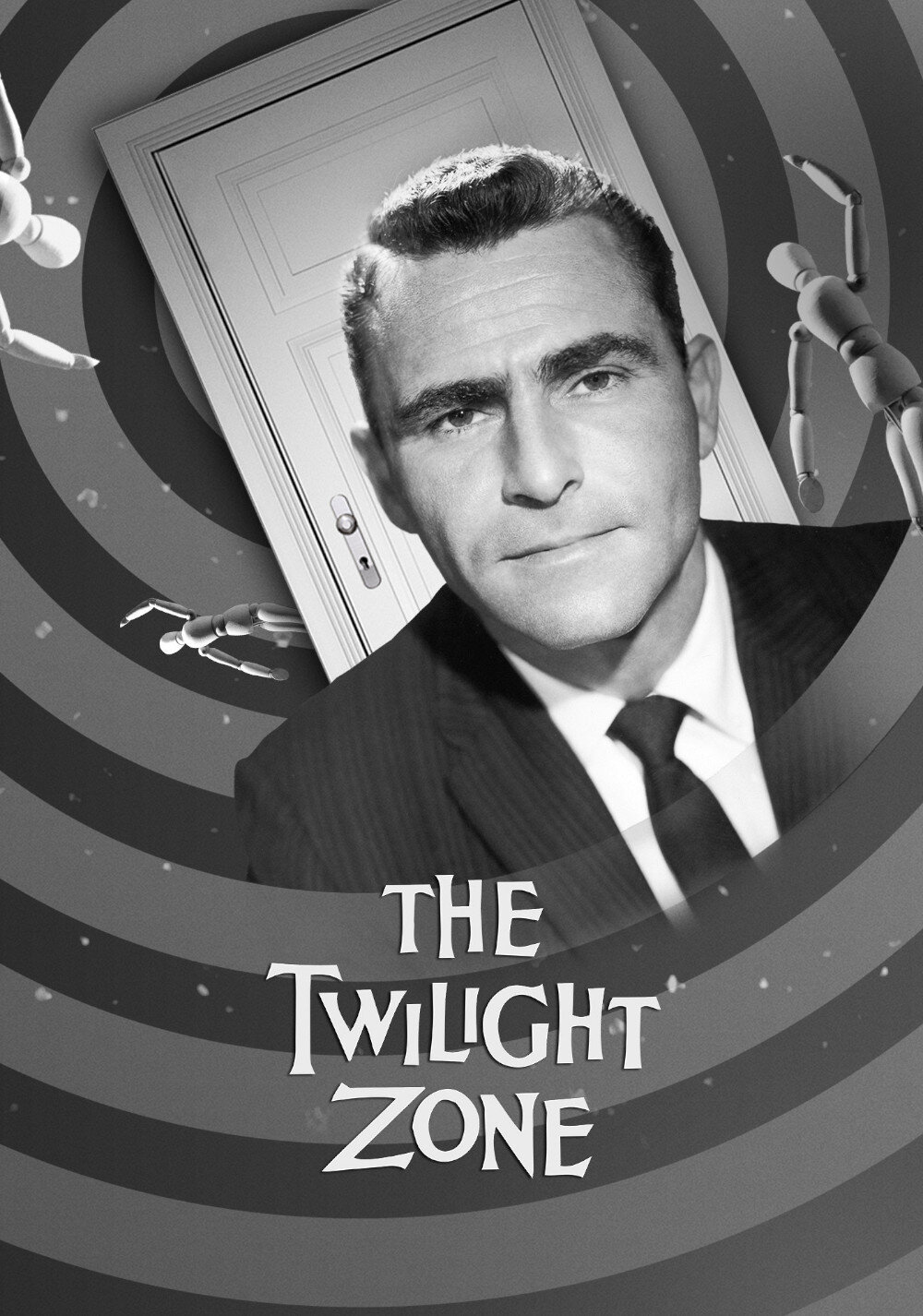
The Twilight Zone1959
Both use genre hybridity and ensemble setups to explore social anxiety and the fragility of reality through fantastic premises. Same DNA, different medium.
Rod Serling's anthology series inherited the DNA of stories like The Ghost Train—ordinary people in extraordinary circumstances, comedy and horror bleeding together, paranoia and the uncanny in everyday settings. Episodes like 'The Nightmare' and 'Shadow Play' capture exactly this energy.
But It's episodic so unevenness is built in. Some episodes feel quaint or their twists obvious. The pacing is deliberately slow by modern standards.
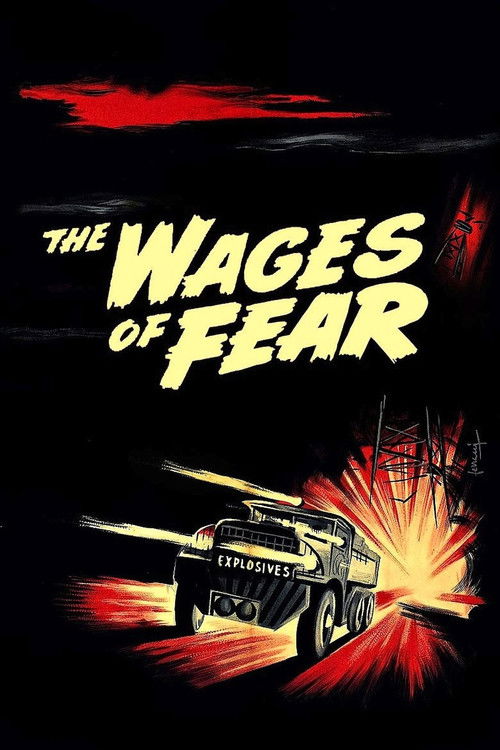
The Wages of Fear1953
Both hinge on strangers forced together in impossible circumstances, where the real horror is psychological and social rather than supernatural. The setting is a pressure cooker for examining how people behave when escape is impossible.
Clouzot's masterpiece: ordinary men trapped by circumstance, confined spaces, mounting pressure, and the knowledge that something catastrophic is inevitable. It's essentially The Ghost Train's emotional engine—dread and camaraderie—but played dead seriously and viscerally.
But It's bleak and gruelling and nearly three hours. There's no comfort, no jokes, no release. Some find it exhausting rather than cathartic.
People
Cast
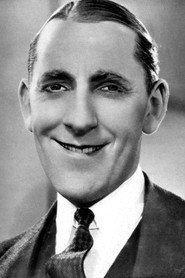 Jack HulbertTeddy Deakin
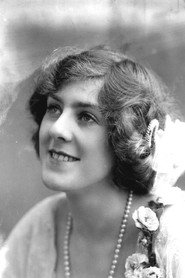 Cicely CourtneidgeMiss Bourne
 Ann ToddPeggy Murdock
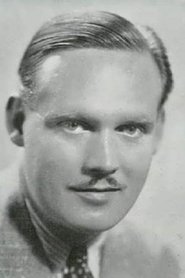 Cyril RaymondRichard Winthrop
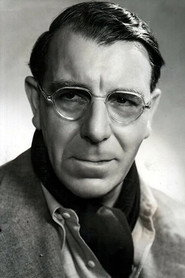 Allan JeayesDr. Sterling
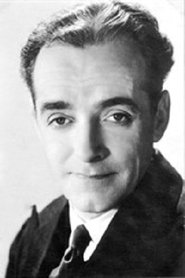 Donald CalthropSaul Hodgkin
- Angela BaddeleyJulia Price
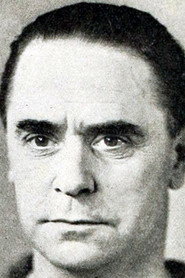 Henry CaineHerbert Price
- Tracy HolmesCharles Bryant
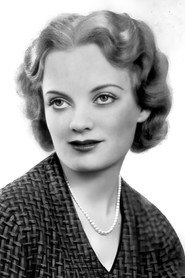 Carol CoombeElsie Bryant
Directing
- Walter FordeDirector
Writing
- Arnold RidleyTheatre Play
- Angus MacPhailWriter
- Arnold RidleyWriter
- Lajos BiróWriter
- Sidney GilliatWriter
Production
- Phil C. SamuelAssociate Producer
- Michael BalconProducer