
Film
The Tomb of Ligeia
- Horror
- Dark fantasy
- Very dark
Corman's final Poe adaptation is a haunted-house film about obsession and the grip of the past. Vincent Price plays a grief-stricken widower whose devotion to his dead wife poisons his new marriage. Shot in CinemaScope with a deliberate, atmospheric pace, it's more melancholic than showy—a meditation on how love can become a prison.
Should you watch it?
Watch it if you love slow-burning gothic chills where the atmosphere of a crumbling abbey does more work than jump scares, and you enjoy Vincent Price playing grief with a velvet menace.
Skip it if you want brisk plotting or modern scares, since this moves at a dreamy, deliberate pace and leans on mood, with dialogue that can feel stagey.
What it asks of you: Eighty-one minutes of slow, dreamlike pacing, where lingering shots and repeated mournful beats matter more than tight plotting; let it drift rather than chase it.
Not sure? Find tonight's pick in a minute.
If you liked this
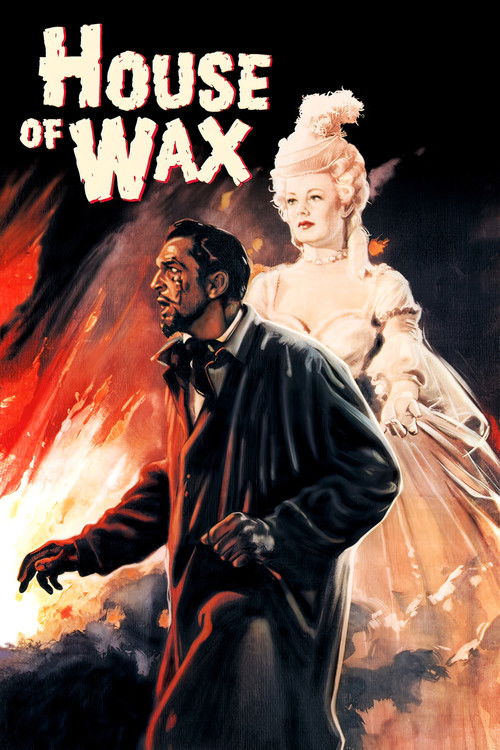
House of Wax1953
Vincent Price's first major horror lead, a perfectly calibrated performance in a film about obsession turning toxic. Wax figures, elaborate sets, genuine dread. Proof that Price could anchor a whole film.
But It's a 1950s Hollywood production with dated romance and some clunky exposition. The pacing feels leisurely by modern standards.
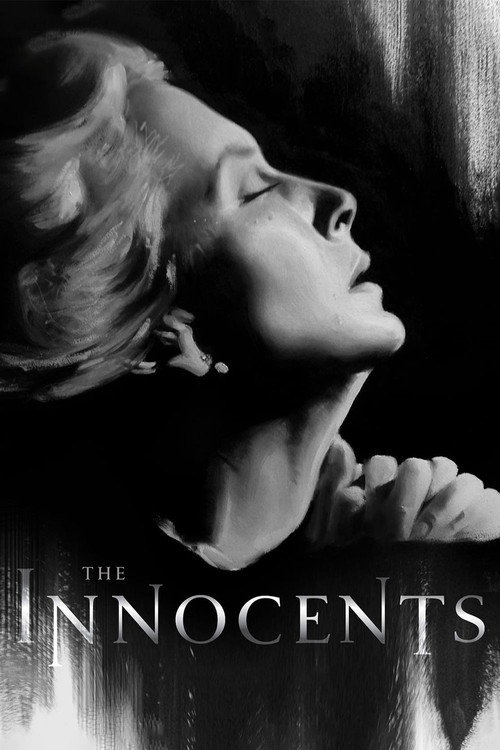
The Innocents1961
A ghost story that mirrors Ligeia's central question: is the supernatural real, or is madness eating the characters from inside? Exquisitely shot, utterly unsettling, structured on ambiguity.
But It's slow and deliberately oblique. If you want clear answers about what's happening, this will frustrate you.
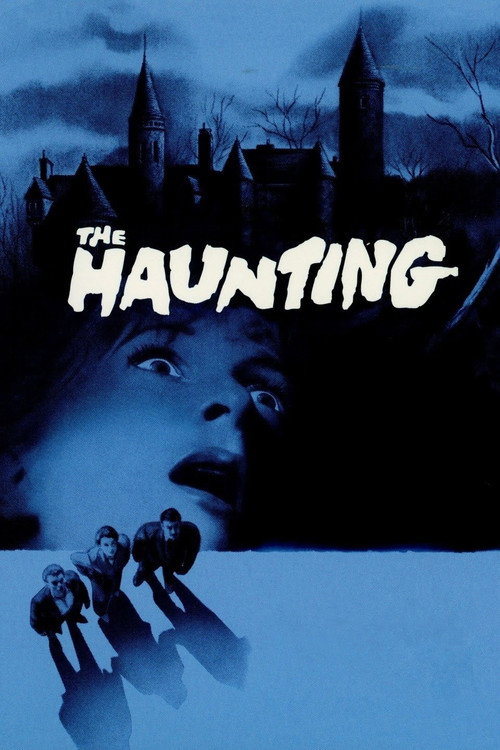
The Haunting1963
Released just a year before Ligeia, this Robert Wise film is the gold standard for psychological haunted-house horror. Superb use of space, sound design, and the slow erosion of sanity.
But Nothing jumps at you. It relies entirely on atmosphere and suggestion, which some find dull.
Not sure tonight? Get a pick in a minute, starting from The Tomb of Ligeia
The wildcard
Something you would not have found on your own.
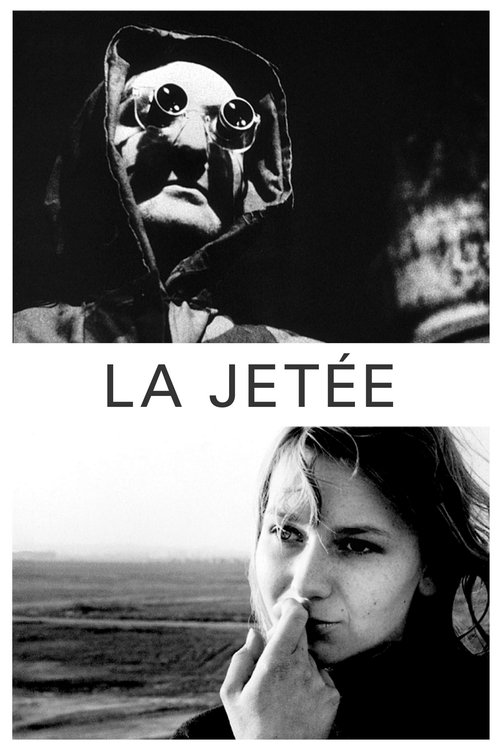
La Jetée1962
Both use the supernatural (or temporal) as metaphor for obsessive love that cannot accept loss. Both prioritize atmosphere over plot and are more interested in feeling than event.
A science-fiction film composed almost entirely of still photographs, telling a story of obsessive love across time and death. It's experimental and hypnotic, operating in the register of dream and memory rather than plot. The same year as The Innocents, it shares Ligeia's preoccupation with how the past colonizes the present.
But It's 28 minutes long and structurally radical. If you need narrative momentum or dialogue, this will feel like sitting in a museum.
More like this (7)
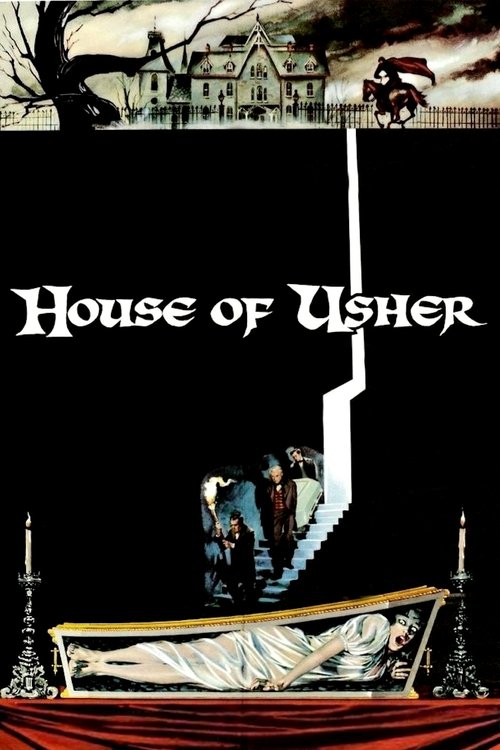
House of Usher1960
Corman's first Poe film, and it set the template: moody Gothic, Price's hypnotic presence, beautiful cinematography, and themes of decay and obsession woven into crumbling architecture.
But It's theatrical and sometimes overwrought. The dialogue can feel purple, and the color design is aggressively artificial.
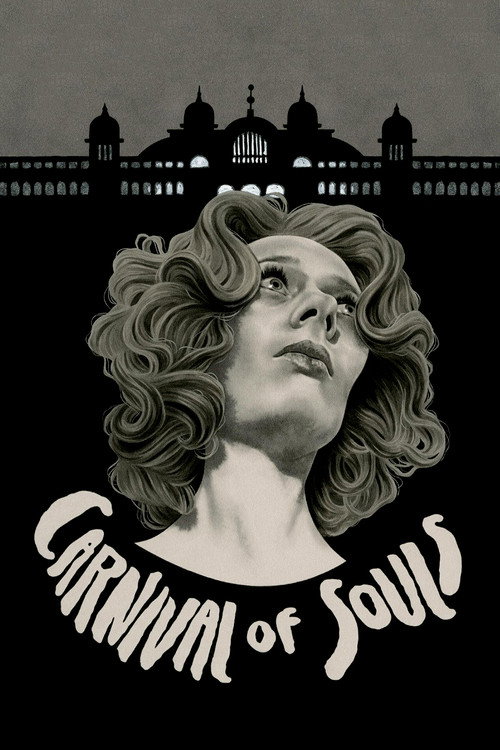
Carnival of Souls1962
A low-budget indie ghost story with a dreamlike, dissociative quality. It's about the boundary between living and dead, played with eerie restraint and genuine dread.
But The acting is stiff and the story meanders. If you need strong performances or clear plot logic, look elsewhere.
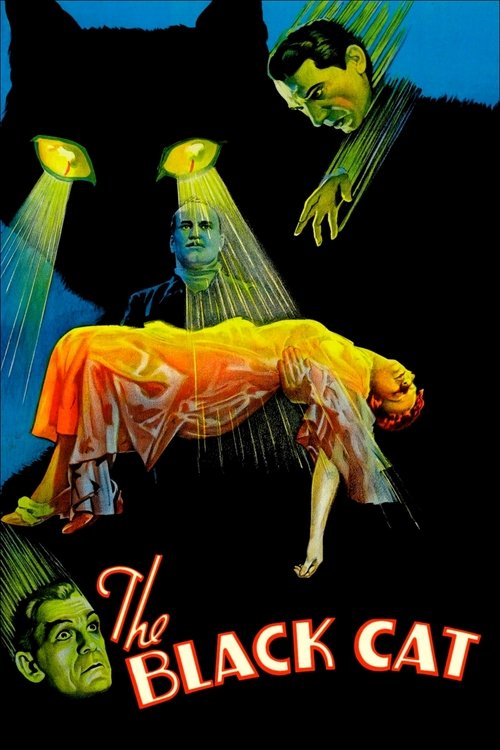
The Black Cat1934
Price and Boris Karloff in a perverse tale of obsession and buried resentment. More macabre than Ligeia, but working the same territory—the past refusing to stay dead.
But It's a 1930s Universal picture, which means the pacing is brisk and the scares are muted. Some find early horror films tedious.
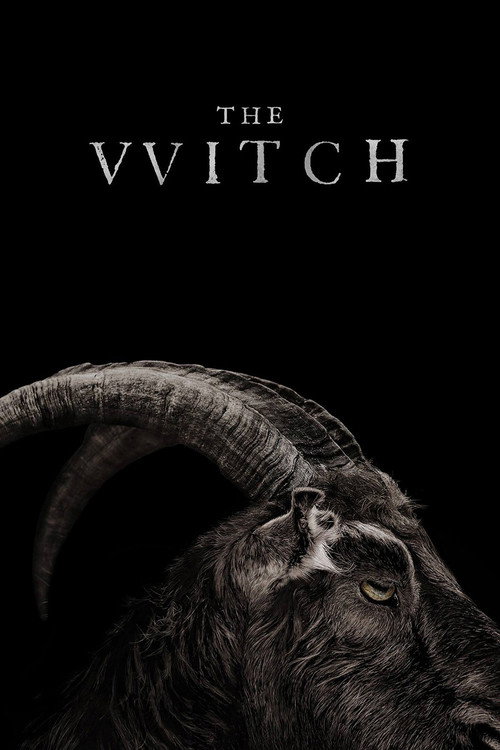
The Witch2016
A family destroyed by suspicion and forces they cannot control or understand. Like Ligeia, it's about the supernatural as a manifestation of psychological and spiritual corruption.
But It's bleak, violent toward children, and slow-building. The colonial New England setting and archaic dialogue are a lot to carry.
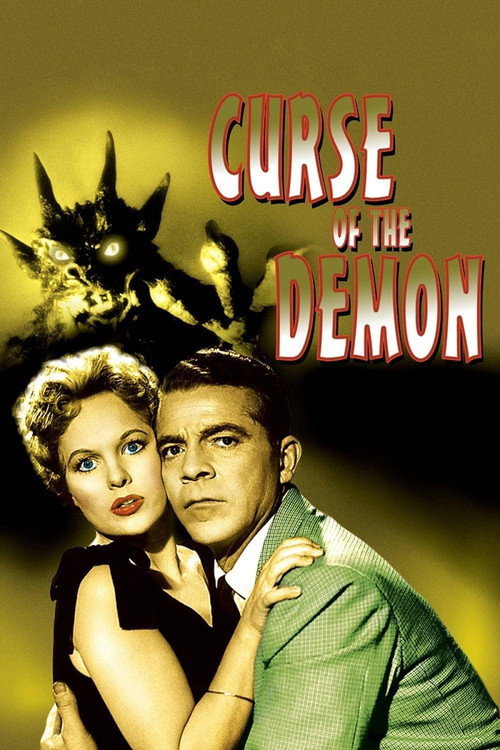
Night of the Demon1957
A skeptic confronts the real supernatural in this British horror film. Sharp script, genuine atmosphere, and an ending that pivots on faith versus rationality in a way that echoes Ligeia.
But The climactic demon is unconvincing by design and reputation. The pacing is uneven, with long stretches of exposition.
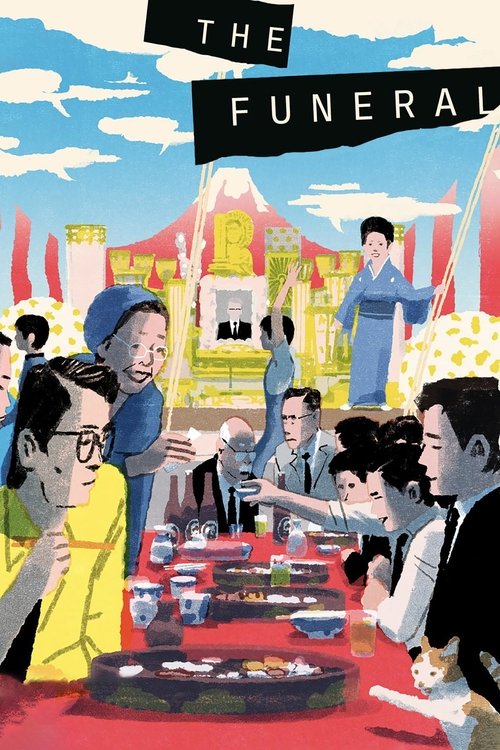
The Funeral1984
Both are literary adaptations obsessed with death, decay, and the erotic charge of the macabre. Both deploy space (the abbey, the funeral home) as a character and a trap.
This BBC television play (90 minutes) is a bizarre, formally inventive retelling of Webster's The White Devil set in a funeral home. It's Gothic, perverse, and visually startling in ways that presage contemporary television drama.
But It's obscure, stagey, and a bit silly. The formal experimentation can feel precious, and the plot is genuinely hard to follow.
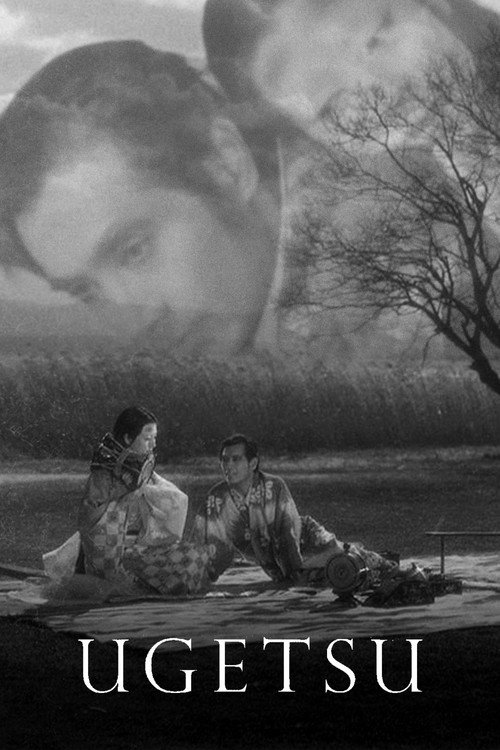
Ugetsu1953
Both films center on a man unable to release the past or accept his wife's death. Both use the supernatural as a mirror for psychological damage. Both are more interested in sorrow than spectacle.
A Japanese masterpiece about a man whose obsession with wealth and status blinds him to his wife's suffering and, eventually, her death. A ghost story where the supernatural is felt rather than shown, and the real horror is emotional ruin.
But It's a Japanese film from 1953 with subtitles, a different narrative rhythm, and a moral universe that may feel distant. Some find it slow.
People
Cast
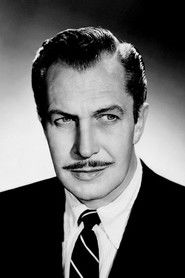 Vincent PriceVerden Fell
 Elizabeth ShepherdLady Rowena Trevanion / Lady Ligeia
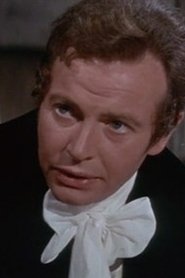 John WestbrookChristopher Gough
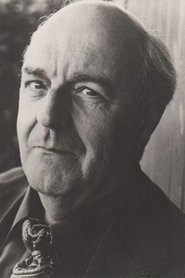 Derek FrancisLord Trevanion
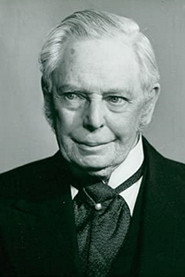 Oliver JohnstonKenrick
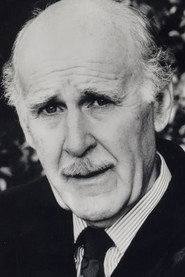 Richard VernonDr. Vivian
 Frank ThorntonPeperel
 Ronald AdamMinister at Graveside
 Denis GilmoreLivery Boy
- Penelope LeeLady Rowena's Maidservant
Directing
- Roger CormanDirector
Writing
- Robert TowneScreenplay
- Edgar Allan PoeShort Story
- Paul MayersbergWriter
Production
- James H. NicholsonExecutive Producer
- Roger CormanExecutive Producer
- David DeutschProducer
- Pat GreenProducer
- Samuel Z. ArkoffProducer
Recommended by
House on Haunted Hill, House of Usher, The Pit and the Pendulum, The Mummy's Shroud, Captain Clegg, Castle of Blood, Land of the Pharaohs, The Haunted Palace