
Film
House of Usher
- Horror
- Psychological thriller
- Very dark
Roger Corman's lurid, visually stunning adaptation of Poe's story. Vincent Price prowls a decaying mansion, dripping with neurotic menace and baroque melodrama. Gorgeously shot in colour, it's theatrical and campy in the best way—a masterclass in how to make psychological horror feel like watching someone perform their own descent. For fans of atmospheric dread with a side of delicious ham.
Should you watch it?
Watch it if you love gothic horror that trades jump scares for mounting dread, with lurid colour, candlelit decay and a villain who is more tragic than monstrous, the way Corman's Poe cycle plays it.
Skip it if you want a brisk modern scare, since this is a stagey, talky 1960 film at 79 minutes where the atmosphere does the work and the pacing stays deliberately unhurried.
What it asks of you: It asks you to settle into a slow, theatrical rhythm, with long conversations in gloomy rooms and horror that builds through mood rather than shocks, and to accept old-fashioned performance styles.
Not sure? Find tonight's pick in a minute.
If you liked this
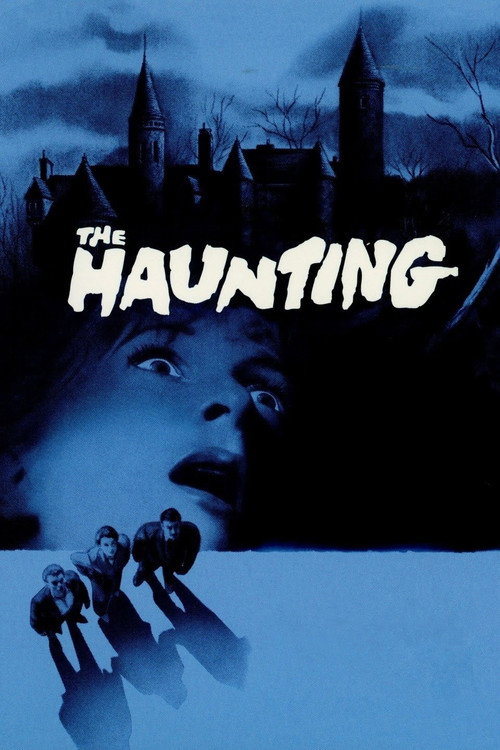
The Haunting1963
Equally poised between psychological and supernatural horror, with a heroine slowly consumed by a house's influence. Eleanor's unravelling is terrifyingly ambiguous—you're never sure if the house is evil or she is broken. Subtle, achingly tense, and the opposite of scenery-chewing.
But The scares are implied, not shown. Long stretches of dialogue and creeping dread will test patience if you came for jump-scares. Glacially paced by modern standards.
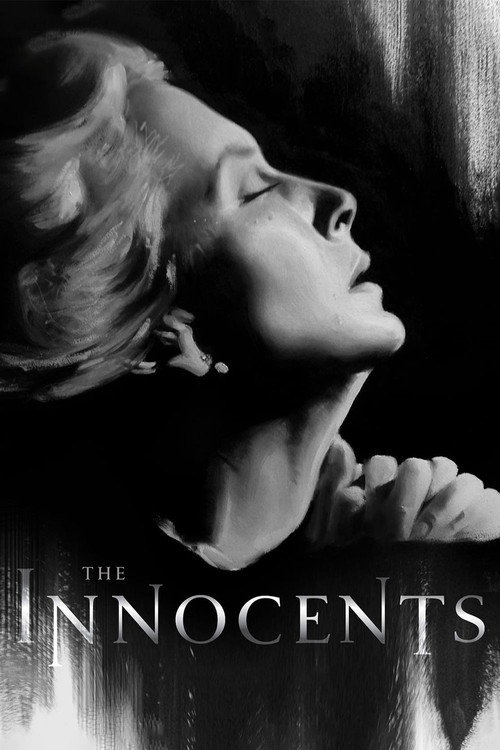
The Innocents1961
Another Poe-adjacent haunted house story where decay and suggestion matter more than monsters. Deborah Kerr's governess is trapped in ambiguity as dark and layered as Price's Roderick, but in a register of quiet, almost sexual unease. Sublimely creepy.
But It commits entirely to ambiguity about whether anything supernatural is actually happening. That intellectual uncertainty frustrates people who want their horror answered.
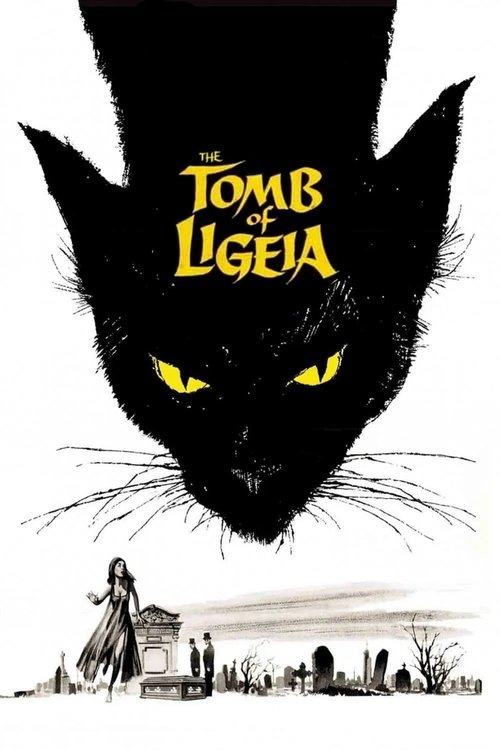
The Tomb of Ligeia1964
The second Corman-Price Poe film and arguably better: a man haunted by his dead wife's influence, shot through with erotic undertones and visual ravishment. It has House of Usher's theatrical excess but darker and weirder, less concerned with making sense.
But The plot threads fray badly in the final act. It's more interested in mood and style than narrative coherence, which either delights you or drives you mad.
Not sure tonight? Get a pick in a minute, starting from House of Usher
The wildcard
Something you would not have found on your own.
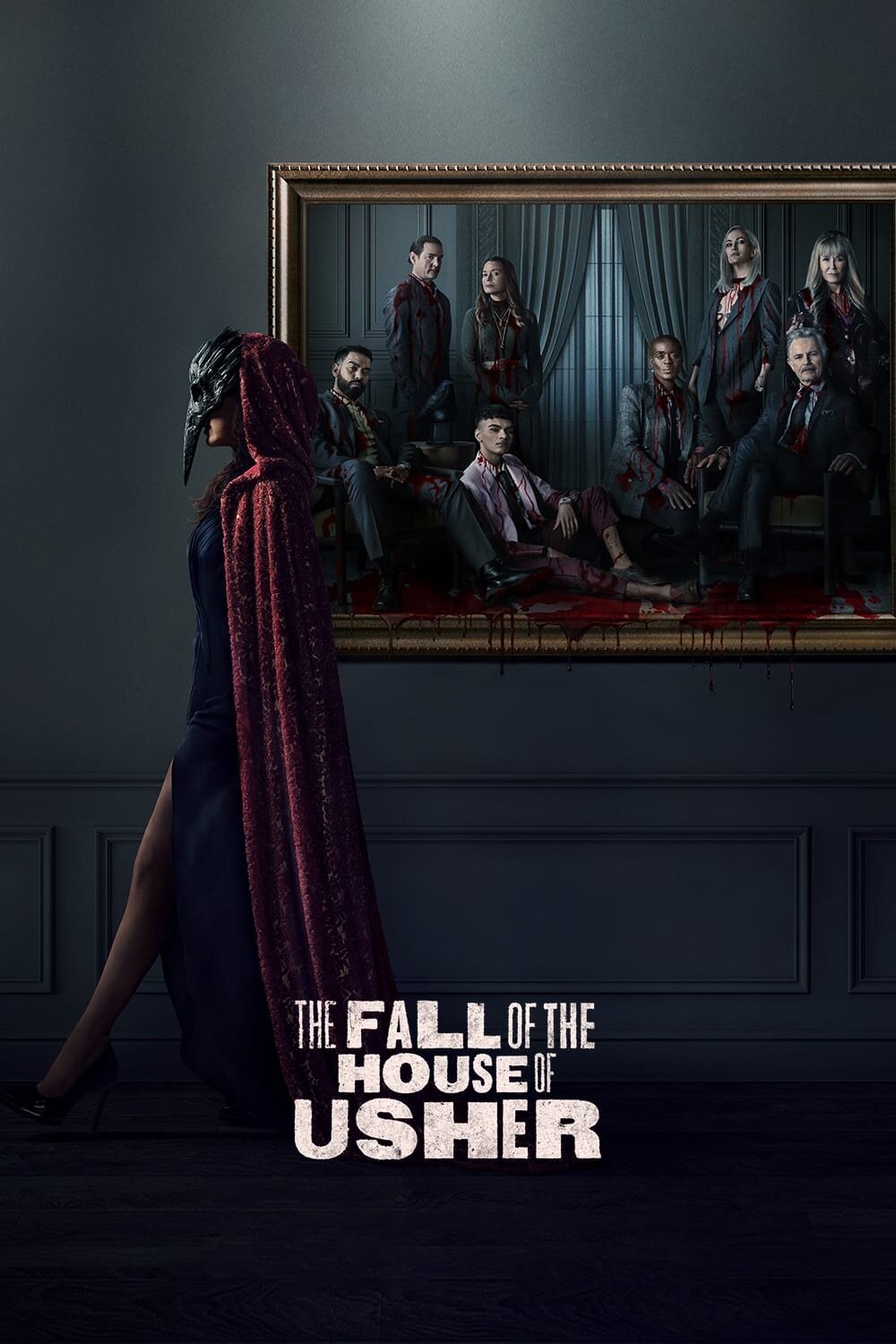
The Fall of the House of Usher2023
Same story, different approach: Flanagan takes the stylized melodrama of the Corman film and grounds it in brutal psychological and physical realism. Both are about inherited doom, but one's a fever dream and one's a nightmare.
Mike Flanagan's 8-hour exploration of Poe's story as sprawling Gothic family trauma across generations. It honors the 1960 film while exploding it outward—psychologically complex, gorgeously shot, and genuinely terrifying in ways the source material never was. Corman would recognize his DNA here.
But Aggressively bleak and graphic, with sexual violence and familial abuse at its core. Not theatrical fun—it's heavy and it means every dark moment. Commitment required.
More like this (8)
The Cabinet of Dr. Caligari1920
Silent German Expressionism at its most hallucinatory: warped sets, twisted shadows, a madman manipulating reality from the shadows. Like House of Usher, it's artificial and theatrical—less interested in naturalism than in conveying psychological distortion through design.
But Silent film, obviously. The pacing and acting conventions will feel alien to anyone accustomed to dialogue-driven narrative. Requires patience and generosity.

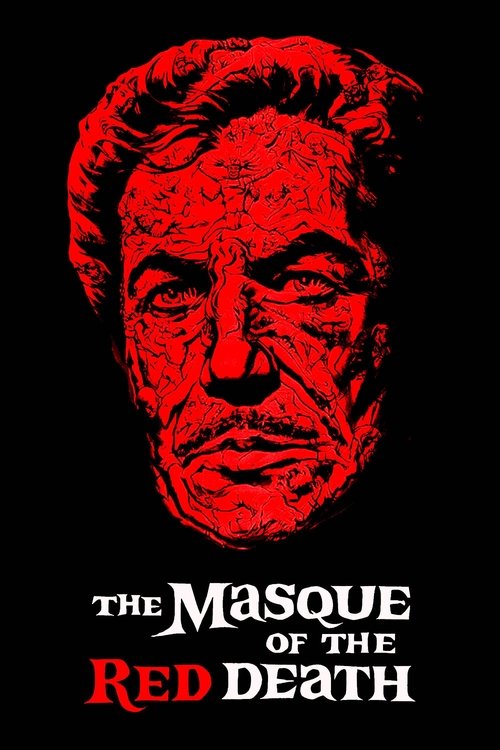
The Masque of the Red Death1964
Corman's most baroque Poe adaptation, even more visually decadent than House of Usher. A prince retreats into a plague-locked palace while death circles outside—metaphor and spectacle bleeding together. Roger Corman at peak ambition.
But It's more interested in visual and thematic texture than plot momentum. If you need clear story beats, this will feel self-indulgent and repetitive.
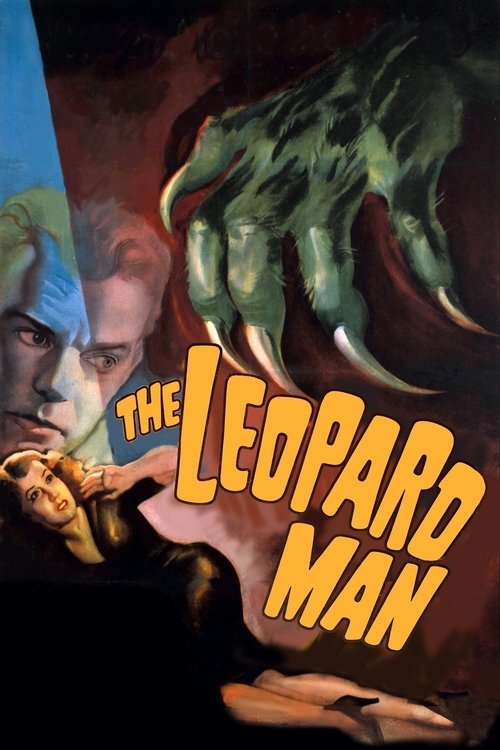
The Leopard Man1943
Val Lewton's underrated gem about a killer cat blamed for human murders in 1940s New Mexico. It shares House of Usher's obsession with atmosphere over plausibility and uses suggestion to scare you rather than gore. Remarkably sophisticated for its era.
But The budget shows and the leopard scenes are occasionally unintentionally funny. Its influence matters more than its execution.
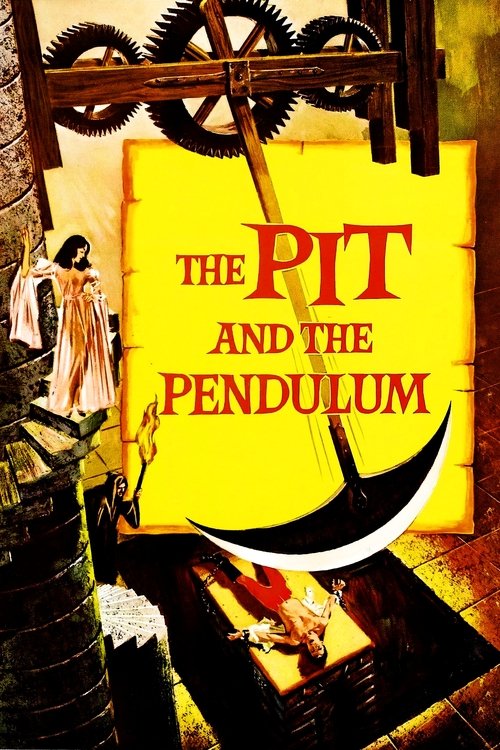
The Pit and the Pendulum1961
Another Corman-Price collaboration, and a stunning one: a man tortured by guilt and a vengeful wife in a torture-chamber Spanish castle. It has House of Usher's melodramatic excess with more action and less ambiguity. Pure theatre, gorgeously filmed.
But The torture scenes push into camp, and some of the period acting will feel overwrought even if you're generous. Thinner on genuine horror than on spectacle.
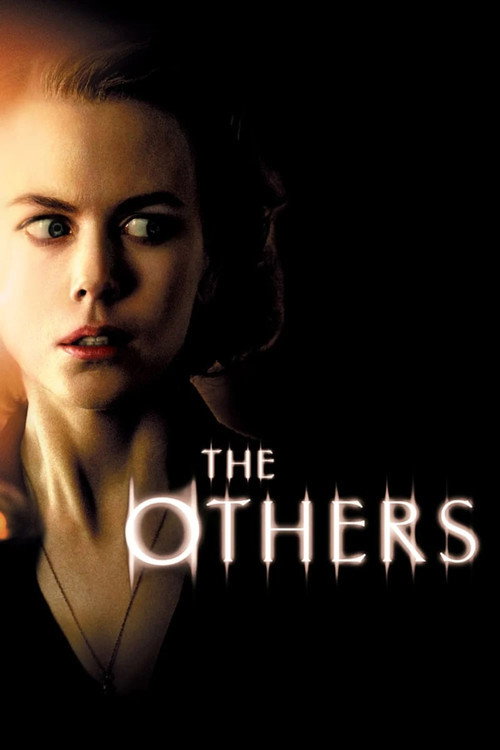
The Others2001
A woman and her photosensitive children live in a fog-bound mansion attended by mysterious servants. Like House of Usher, it's all creeping unease and baroque atmosphere, and like it, the twist hinges on unreliable perception. Utterly controlled, visually exquisite.
But The twist is famous now. Knowing it beforehand dulls the meticulous buildup. It's also slow and formal in a way that tests modern viewers accustomed to faster cutting.
Suspiria1977
An American dancer enrolls at a German ballet academy that's secretly a coven. Dario Argento creates a horror film that abandons psychological realism entirely in favour of nightmare logic and overwhelming sensory assault—color, sound, and production design as narrative.
But The plot makes no sense and the English dubbing is notoriously awkward. It prioritizes feeling over understanding, which alienates people seeking coherence.

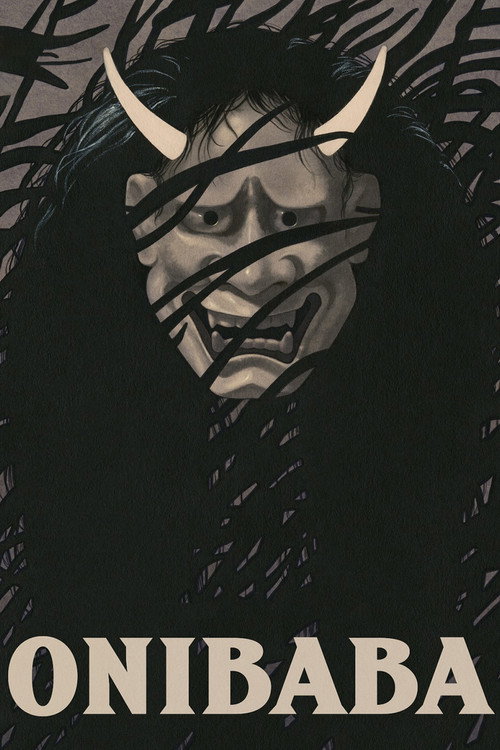
Onibaba1964
Both are family-centered horror where the house (or landscape) reflects the character's psychological decay. Both end in destruction that feels inevitable. But Onibaba strips away theatricality—Usher performs his madness, these women are too broken for performance.
A Japanese horror film about two women in a swamp who murder travelers for armor and weapons. Stark black-and-white cinematography, sexual dread, family curse, and a protagonist consumed by inheritance and denial. As visually precise as House of Usher but entirely different in mood and substance.
But No music, minimal dialogue, and a bleak tone that offers no comfort. The misogyny embedded in the premise will offend. It's austere in ways that feel the opposite of entertainment.
Mulholland Drive2001
Both prioritize visual and atmospheric storytelling over plot logic. Both are about a psyche coming apart—one explicit and theatrical, the other fragmented across narrative itself. Both prove that horror works through style when you abandon the need to explain it.
David Lynch's fractured Hollywood nightmare is structured like a crumbling mansion of the mind—multiple realities collapsing into one, a protagonist losing coherence, beauty and horror indistinguishable. Like House of Usher, it's about perception failing and a self destroying itself from inside.
But It's deliberately incoherent. There's no solution, no clarity. If you need narrative to resolve, this will frustrate you into anger. The eroticism also feels exploitative.

People
Cast
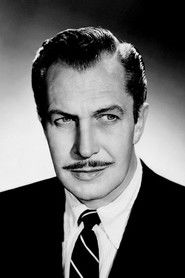 Vincent PriceRoderick Usher
 Mark DamonPhilip Winthrop
 Myrna FaheyMadeline Usher
 Harry EllerbeBristol
- David AndarGhost (uncredited)
 Bill BorzageGhost (uncredited)
- Mario BelliniGhost (uncredited)
- Eleanor LeFaberGhost (uncredited)
- NadajanGhost (uncredited)
- Ruth OklanderGhost (uncredited)
- George PaulGhost (uncredited)
- Géraldine PauletteGhost (uncredited)
Directing
- Jack BohrerAssistant Director
- Roger CormanDirector
Writing
- Edgar Allan PoeShort Story
- Richard MathesonWriter
Production
- James H. NicholsonExecutive Producer
- Roger CormanProducer