
Film
The Skull
A 1965 Gothic horror about an occult collector who acquires the skull of the Marquis de Sade, only to find it exercises a malevolent influence over him. Deliberately paced, visually rich, and steeped in Cushing's anguished restraint—it's intelligent horror that trusts atmosphere over shocks. For those who like their terrors philosophical and their gentlemen increasingly unravelled.
If you liked this
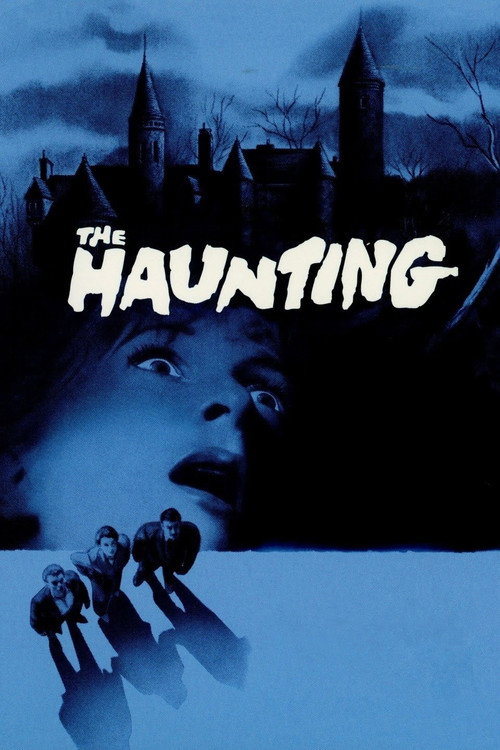
The Haunting1963
A masterwork of psychological unease where a house itself becomes the true antagonist. Like The Skull, it builds dread through suggestion and character dissolution rather than explicit horror, with exceptional black-and-white cinematography that creates genuine unease.
But Virtually nothing happens by modern standards. If you need jump scares and constant action, you'll find this glacially slow and frustratingly vague.
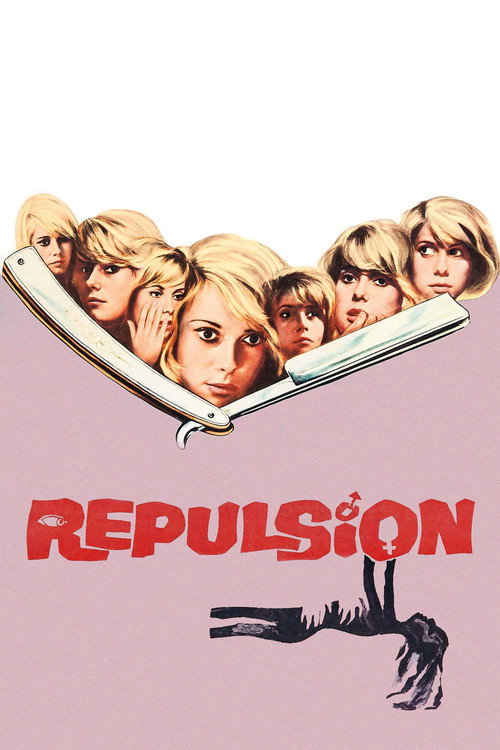
Repulsion1965
Polanski's portrait of psychological breakdown mirrors The Skull's trajectory perfectly—a protagonist's grip on sanity corroding in real-time. It's visceral, genuinely disturbing, and Catherine Deneuve's performance is unforgettable.
But Relentlessly bleak and sexually transgressive. The body horror is genuinely upsetting, and there's no catharsis or comfort here.
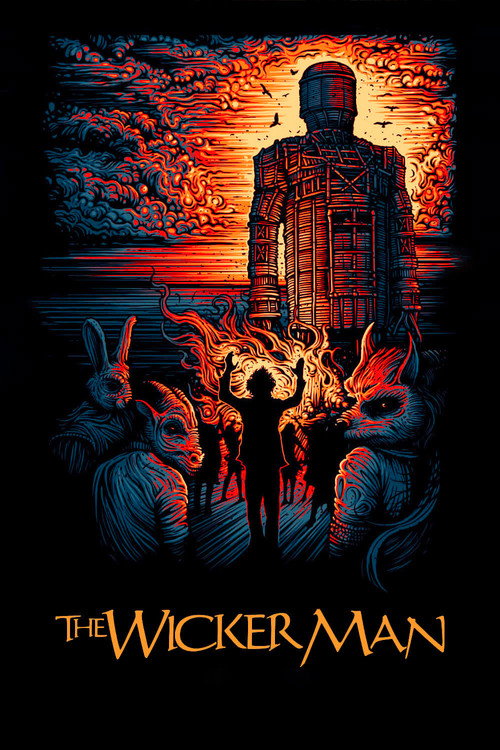
The Wicker Man1973
British folk horror with supernatural dread and a protagonist drawn inexorably toward corruption by something he cannot rationally explain. Both films trust their audiences and move with genuine atmospheric purpose.
But The ending is bleakly nihilistic. Some find the folk-horror elements and pagan imagery derivative or overwrought now.
Not sure tonight? Get a pick in a minute, starting from The Skull
The wildcard
Something you would not have found on your own.
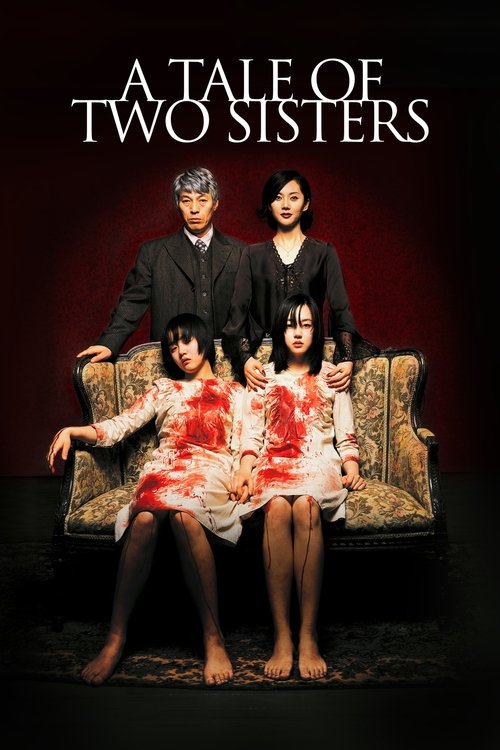
A Tale of Two Sisters2003
Both use their central mystery not as a puzzle to solve but as a vehicle for exploring psychological dissolution. The horror is inseparable from the form itself.
A Korean horror film structured as a descent into fractured psychological states using mirrors, doubling, and visual repetition. It shares The Skull's glacial pacing and refusal to explain, but operates in a register of family trauma and dissociation rather than occult artefacts. Genuinely haunting without being conventionally scary.
But The narrative is deliberately ambiguous to the point of opacity. If you need plot clarity, you'll leave frustrated. Some find the pacing tedious; others find it meditative.
More like this (7)
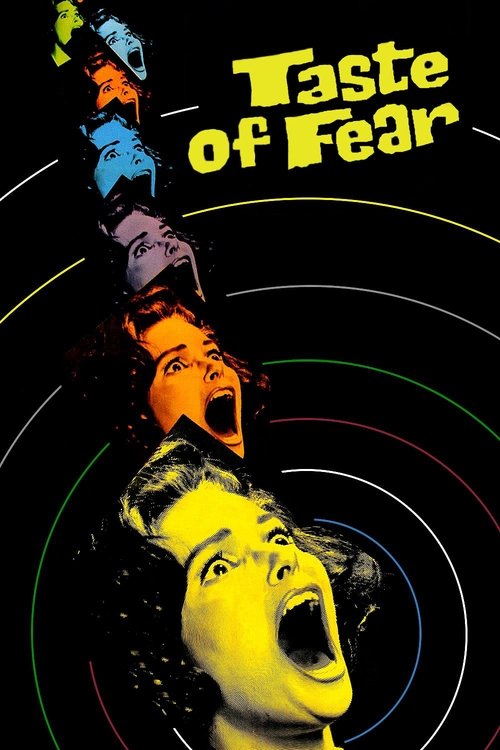
Taste of Fear1961
Hammer's lean thriller with mounting psychological torment and visual elegance. It shares The Skull's interest in how terror works on the mind, with excellent cinematography and a protagonist increasingly uncertain of their own perceptions.
But The plot twist is guessable if you've seen much 1960s thriller television. Some of the medical pseudoscience hasn't aged well.
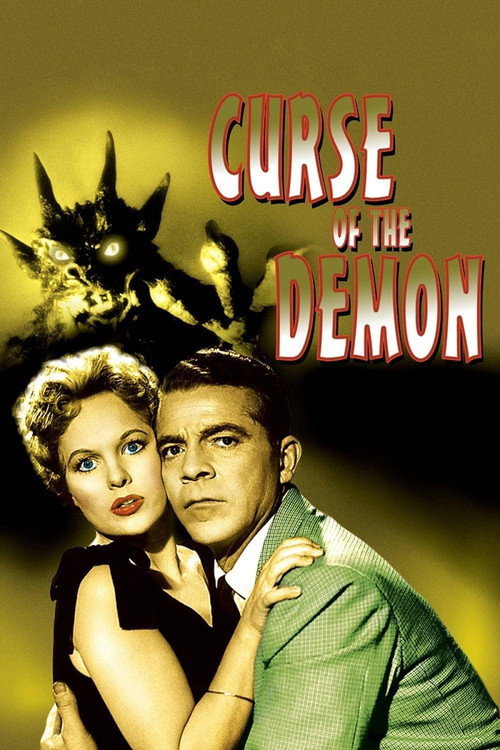
Night of the Demon1957
Jacques Tourneur's supernatural thriller about an academic's escalating nightmares and paranormal events. Shares The Skull's preoccupation with occult artefacts, intellectual protagonists, and the creeping certainty that something irrational is inescapably real.
But The demon effects at the climax are obviously primitive. Some viewers find the tonal shifts between thriller and overt supernatural awkward.
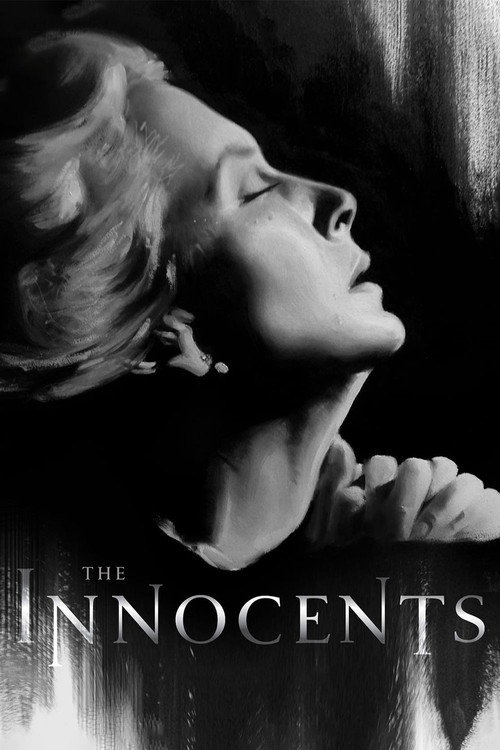
The Innocents1961
A ghost story that exists entirely in ambiguity—is there genuinely supernatural evil, or psychological breakdown? Like The Skull, it's exquisitely composed and trusts the viewer to sit with existential dread without resolution.
But The horror is almost entirely internal and abstract. If you need concrete threats or explanations, you'll find it deliberately evasive.
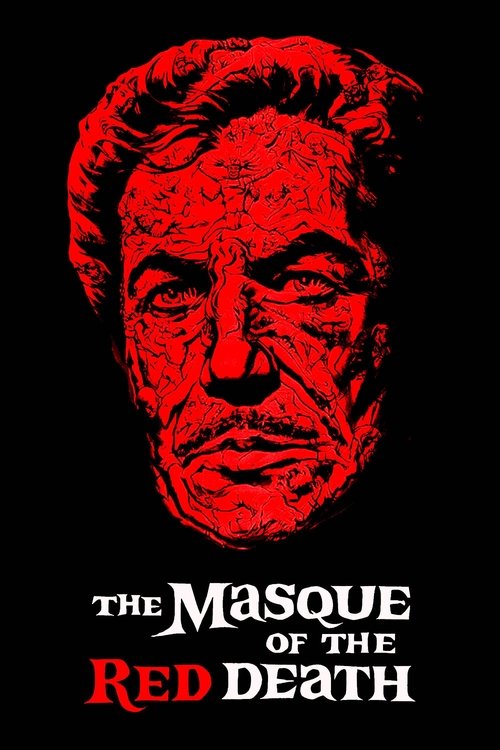
The Masque of the Red Death1964
Corman's Poe adaptation with Cushing in a complementary role, steeped in Gothic atmosphere and the encroaching inevitability of doom. Visually stunning and morally complex in ways modern horror rarely attempts.
But The narrative is slight—it's more a series of tableaux than a tightly plotted story. The dialogue occasionally tilts toward camp.
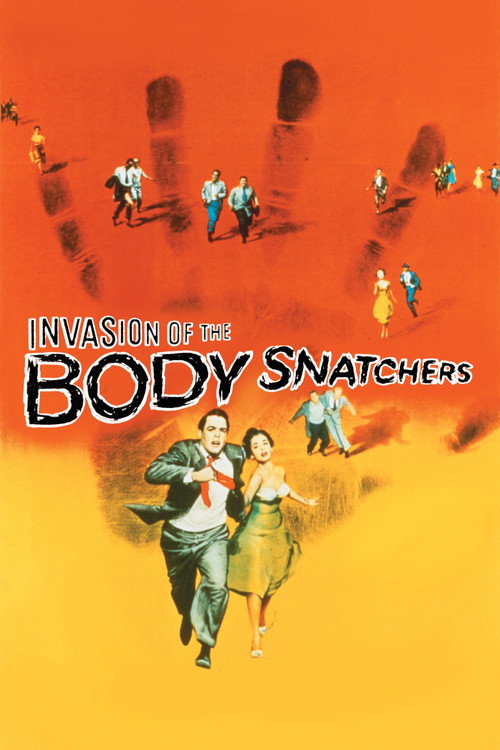
Invasion of the Body Snatchers1956
A paranoia thriller where the protagonist's reality systematically erodes as those around him become unknowable imposters. The mounting helplessness and isolation mirror The Skull's descent into psychological chaos.
But The dated aesthetic and earnest sci-fi framing can read as quaint rather than frightening to modern viewers. The ending is somewhat abrupt.
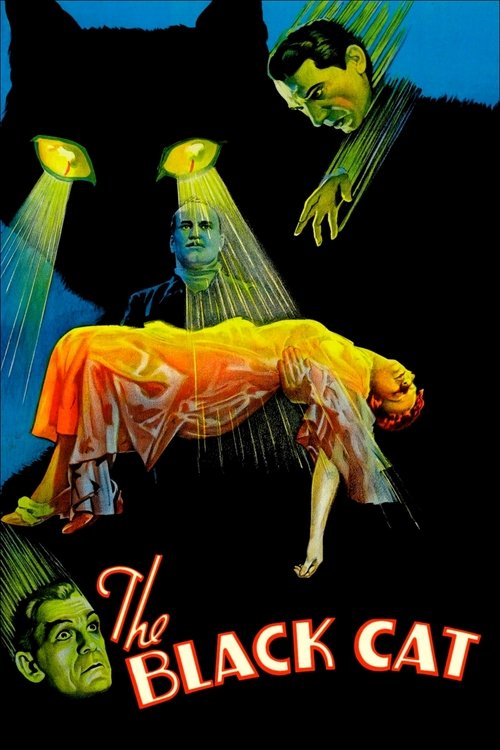
The Black Cat1934
Universal's psychological horror with Lugosi and Karloff as antagonists in a claustrophobic setting. It shares The Skull's interest in how personality unravels under supernatural/psychological pressure in confined spaces.
But The plot is deeply strange and doesn't always cohere logically. The pacing is uneven by modern standards, and some scenes feel disconnected.
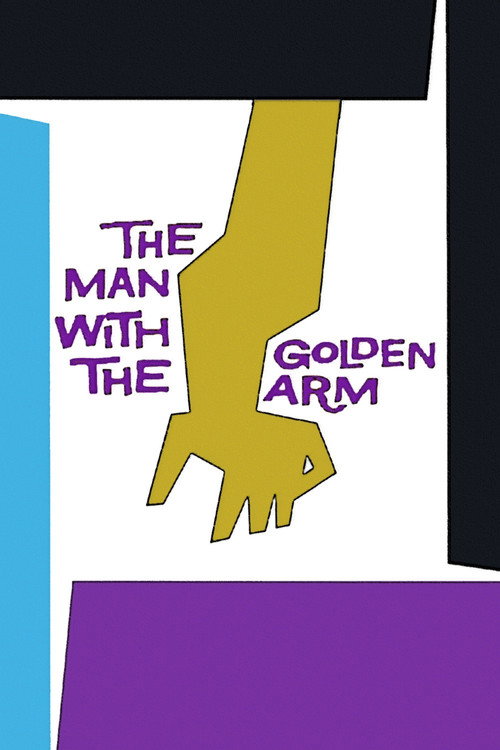
The Man with the Golden Arm1955
Both examine how a person loses agency to compulsion—whether demonic or chemical is almost beside the point. The structure of corruption is identical; only the mechanism changes.
Preminger's unflinching portrait of heroin addiction and moral decay, with Frank Sinatra as a protagonist whose grip on identity and agency corrodes through compulsion. Not supernatural, but psychologically identical to The Skull—the erosion of will and self through something external and inescapable. A different genre, same machinery.
But Grim without relief. The depiction of addiction is raw and unglamorous, which some find didactic. The jazz score occasionally slips into dated territory.
People
Cast
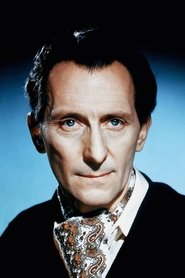 Peter CushingDr. Christopher Maitland
 Christopher LeeSir Matthew Phillips
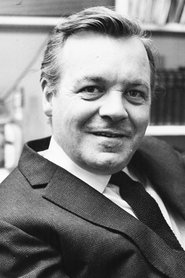 Patrick WymarkAnthony Marco
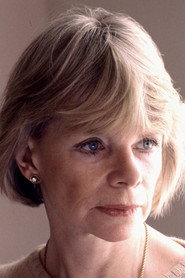 Jill BennettJane Maitland
- Peter WoodthorpeBert Travers, Marco's Landlord
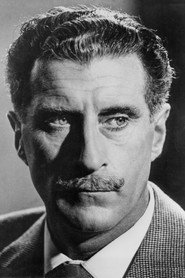 Nigel GreenInspector Wilson
- April OlrichFrench Girl
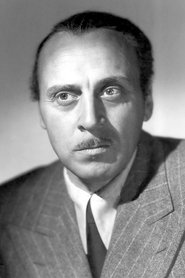 George CoulourisDr. Londe
- Maurice GoodPierre, Phrenologist
 Patrick MageePolice Surgeon
 Frank ForsythJudge
 Michael GoughAuctioneer
Directing
- Freddie FrancisDirector
Writing
- Milton SubotskyScreenplay
- Robert BlochStory
- Robert BlochWriter
Production
- Max RosenbergProducer
- Milton SubotskyProducer
- Ted LloydProduction Manager