
Film
The Black Torment
A 1964 British gothic mystery where a nobleman's return to his ancestral home is shadowed by rumors of his own murders committed weeks before. Atmospheric and unsettling, it trades jump scares for creeping dread and the slow realization that something is deeply, inexplicably wrong. For fans of psychological horror and tales where the truth curdles as you approach it.
Should you watch it?
Watch it if you enjoy slow-burning gothic chillers where the suspense comes from doubt about a character's sanity and the atmosphere of a candlelit English manor does most of the work.
Skip it if you want modern scares or quick pacing, since this 1964 black-and-white-era British horror takes its time building unease and leans on talky, stagey scenes.
What it asks of you: Patience for an 86-minute film that builds its dread through mood and conversation rather than jump scares, so settle in and let the eerie atmosphere accumulate.
Not sure? Find tonight's pick in a minute.
If you liked this
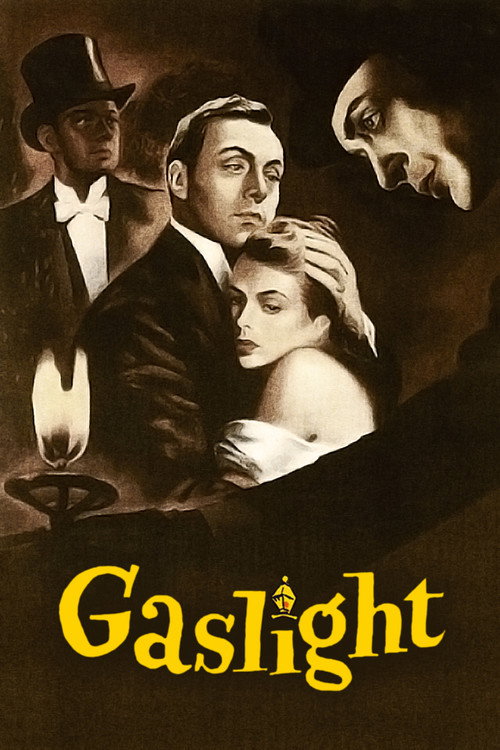
Gaslight1944
A masterclass in psychological manipulation where reality itself becomes the battleground. Ingrid Bergman's descent into doubt mirrors the paranoia that haunts The Black Torment, and both films understand that the cruelest horror is being made to question your own mind.
But It's a studio picture from Hollywood's golden age, which means it moves at a measured pace that modern viewers sometimes find slow, and the ending is less ambiguous than The Black Torment's darker currents.
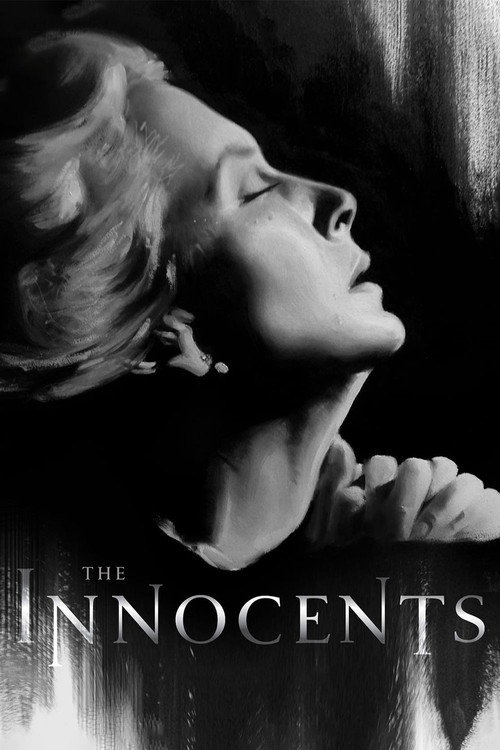
The Innocents1961
Exquisitely shot in black and white, this ghost story (or is it?) builds dread through suggestion rather than gore. Like The Black Torment, it asks whether supernatural horror or psychological breakdown is the real terror—and refuses to fully answer.
But The ambiguity that makes it brilliant can feel frustrating if you want definitive answers, and at times the pacing prioritizes mood over plot momentum.
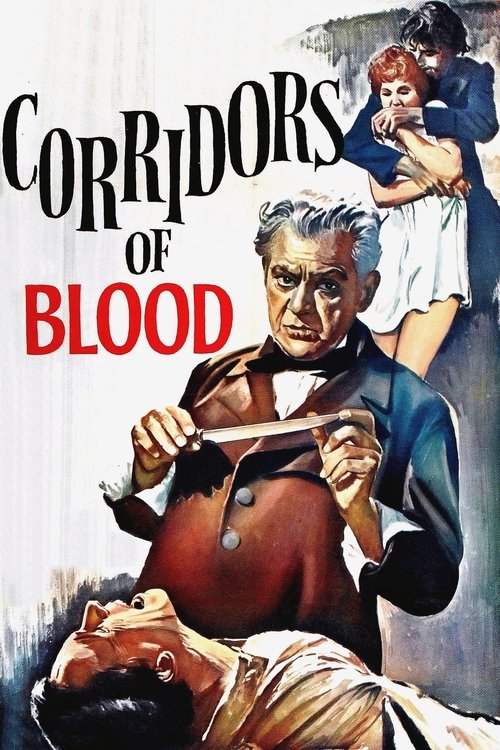
Corridors of Blood1958
Boris Karloff in a Victorian thriller about a doctor's descent into crime and madness. It shares The Black Torment's interest in how good men can be corrupted, and the same atmosphere of shadows and moral ambiguity.
But The production values are obviously low-budget British horror, and Karloff's screen time is less than you might hope given his prominence in the billing.
Not sure tonight? Get a pick in a minute, starting from The Black Torment
The wildcard
Something you would not have found on your own.
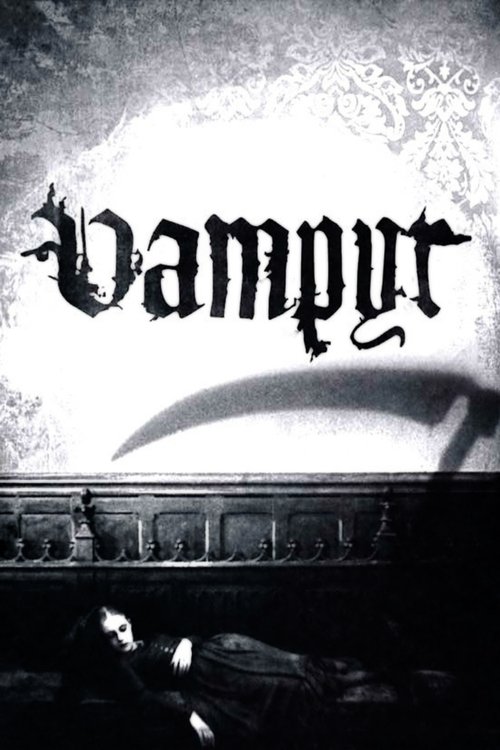
Vampyr1932
Both use the supernatural or the inexplicable as a framework for exploring doubt and psychological dissolution rather than scares.
Dreyer's silent vampire film is not really about plot—it's about dread, shadow, and the impossibility of distinguishing dream from waking. The Black Torment has that same haunted, somnambulistic quality, where reality feels fundamentally unstable. Both are experiences more than narratives.
But It's nearly a century old, entirely silent, and moves at a pace that requires patience and surrender. The lack of dialogue might feel alienating rather than atmospheric.
More like this (8)
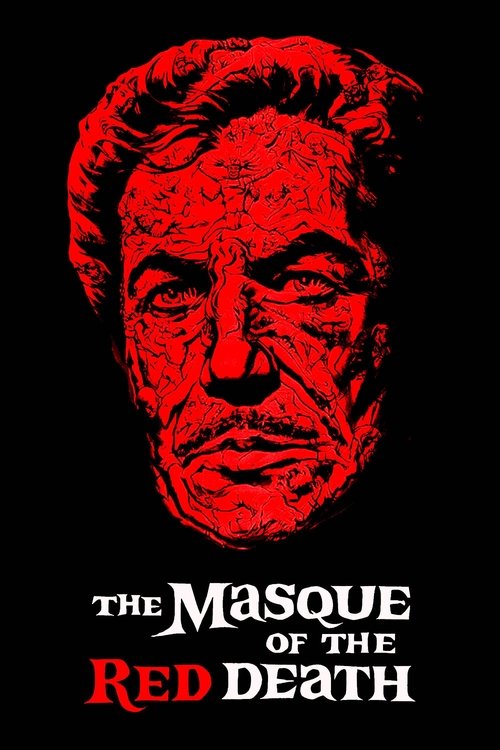
The Masque of the Red Death1964
Corman's Poe adaptation is pure gothic fever dream—the same year as The Black Torment and operating in an adjacent horror space. Sumptuous, cruel, and interested in psychological unraveling rather than scares.
But It's wildly stylized and theatrical in a way that feels far removed from the period realism of The Black Torment; some find it overripe.
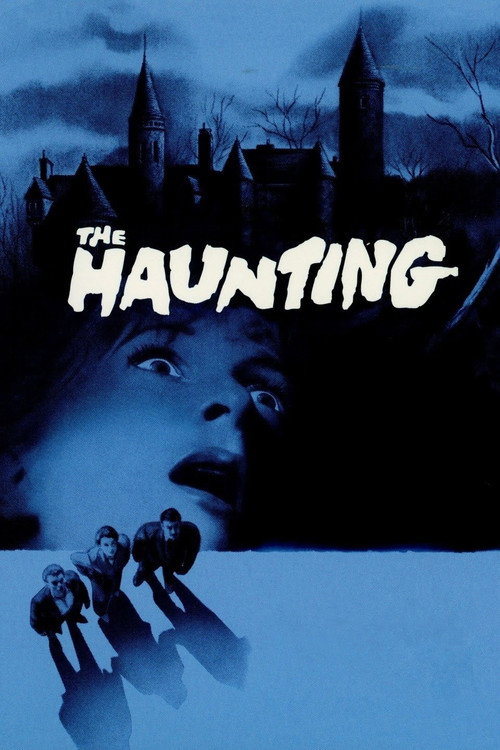
The Haunting1963
Robert Wise's perfect ghost story about a house that may be alive and hungry. Builds terror through negative space and what you don't see. The same intelligence about atmosphere that makes The Black Torment work despite its modest budget.
But Entirely dependent on mood and suggestion; if you need action or explicit scares, you'll find it glacial and frustrating.
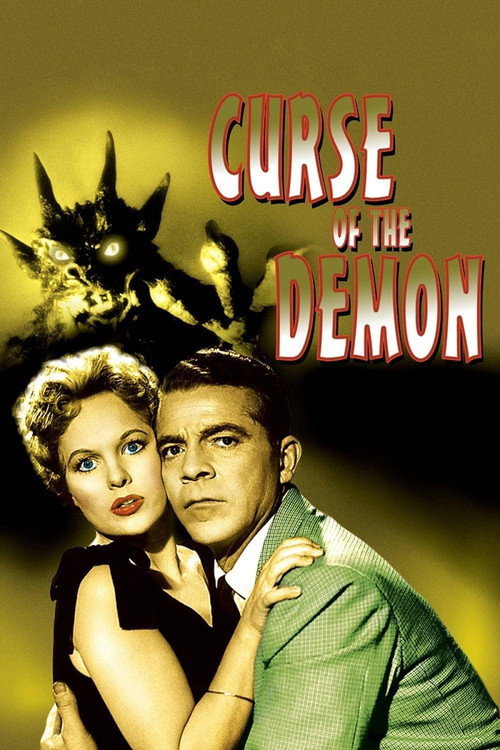
Night of the Demon1957
A British supernatural mystery with genuine creeping dread and a plot that tangles and unsettles in satisfying ways. Both films understand that the real horror is not knowing what you're facing until it's too late.
But The finale reveals a literal monster that some find less effective than the ambiguous psychological horror that precedes it.
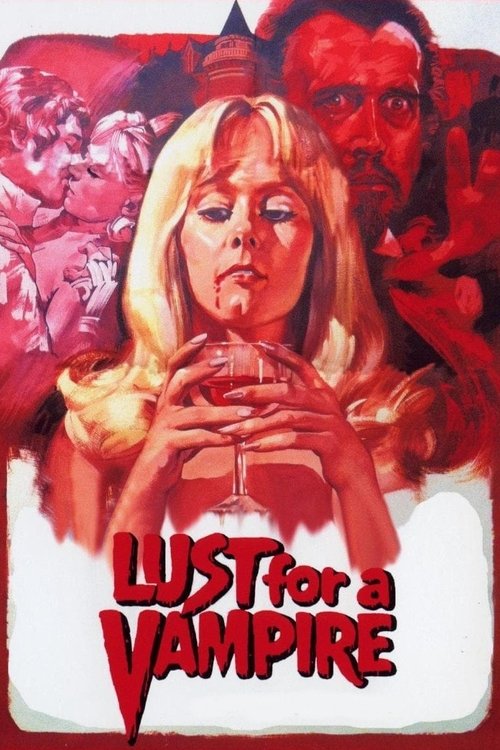
Lust for a Vampire1971
Hammer's more obscure vampire film trades their usual sensationalism for something stranger and more dreamlike. Like The Black Torment, it's interested in desire, deception, and the horror of not knowing who your partner really is.
But It's uneven in tone and occasionally feels like Hammer phoning it in between bigger productions, and the plot logic frays badly in the final act.
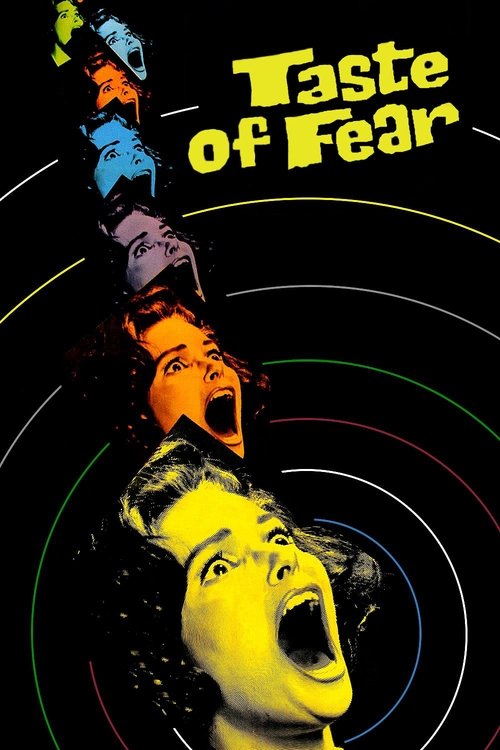
Taste of Fear1961
Taste of Blood is a masterpiece of paranoia, with a blind woman convinced of a conspiracy no one else can see. That uncertainty about what's real is The Black Torment's beating heart too.
But It's more straightforward mystery-thriller than horror, and if the twist is spoiled you lose the best part—it doesn't reward rewatching as much.
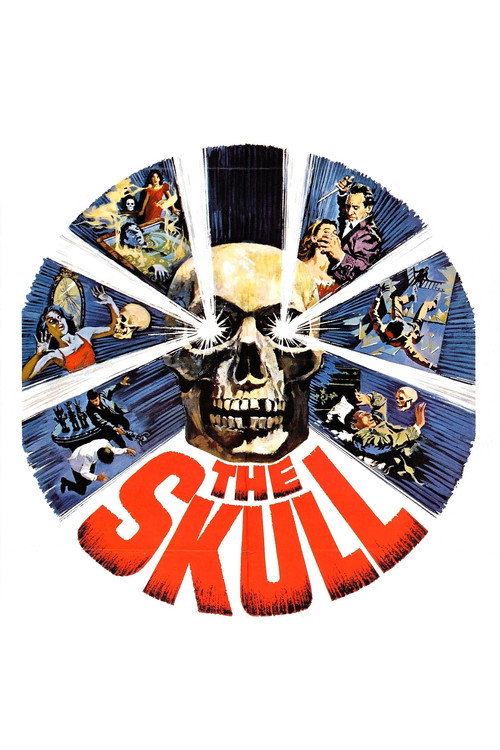
The Skull1965
A strange little Cormman-Poe picture about an occultist and a sinister artifact. Minor and marginal, but it has the same deliberate, creeping unease and interest in the collision of rational men with irrational horror.
But It's cheap and plotless by modern standards, and easily overshadowed by Corman's more famous work. Some will find it tedious rather than atmospheric.
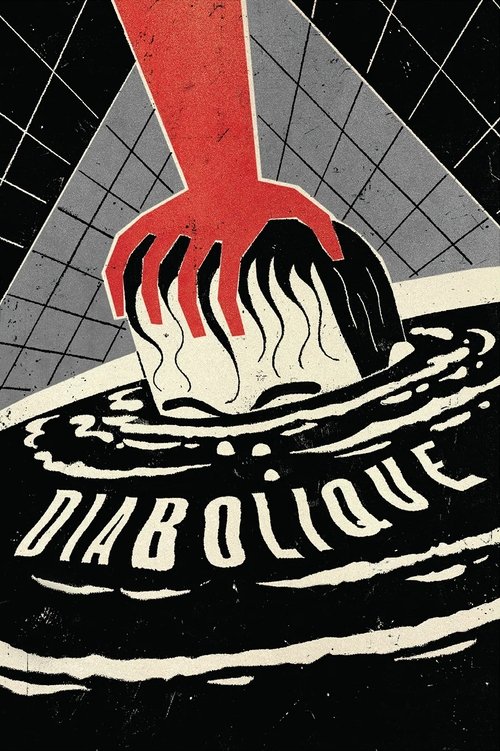
Diabolique1955
Both films center on the corruption of a marriage and the horror of realizing you don't actually know the person beside you.
Clouzot's French masterpiece about a wife and mistress plotting murder in a creepy chateau. It's a psychological thriller dressed as a gothic mystery, with that same slow-building sense that everyone is lying and nothing is safe. The bathtub scene is justly famous, but the real horror is the moral corruption creeping through the relationships.
But It's French, in black and white, and refuses to make any of its characters sympathetic. Some find the pacing glacial and the moral ugliness exhausting rather than compelling.
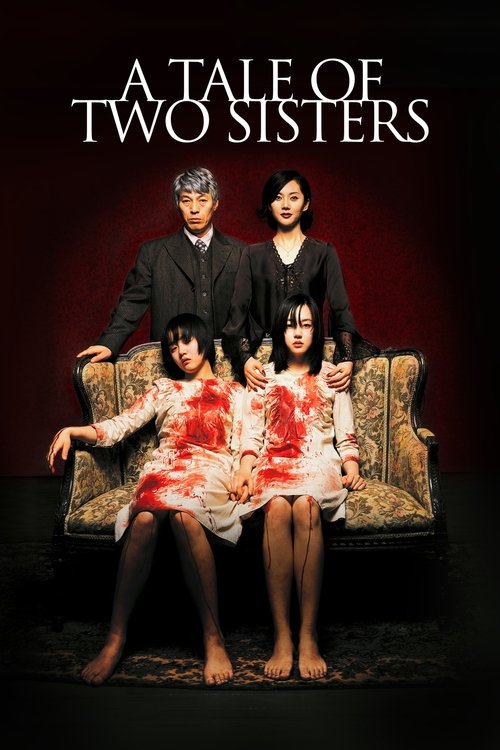
A Tale of Two Sisters2003
Both treat horror as a manifestation of psychological damage rather than external threat, and both suggest that the mind itself can be the house that haunts.
This Korean horror film looks and feels like a dark fairy tale—gorgeous, deeply unsettling, and more interested in trauma and fractured reality than in jump scares. Like The Black Torment, it slowly reveals that the real horror is psychological, rooted in family and memory. Beautiful and cruel.
But It's deliberately paced, visually stylized, and the twist arrives quietly rather than explosively. Some find the measured tone precious rather than powerful, and the ambiguous ending frustrates viewers wanting clarity.
People
Cast
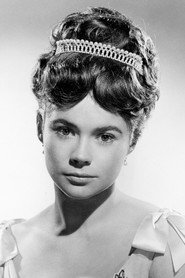 Heather SearsLady Elizabeth Fordyke
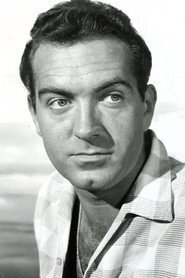 John TurnerSir Richard Fordyke
 Ann LynnDiane
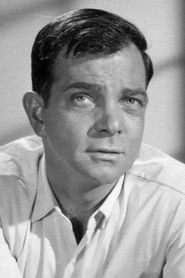 Peter ArneSeymour
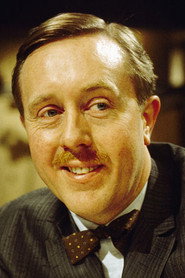 Norman BirdHarris
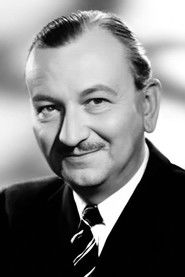 Raymond HuntleyColonel John Wentworth
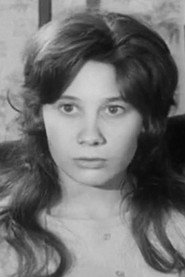 Annette WhiteleyMary
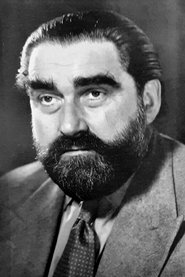 Francis de WolffBlack John
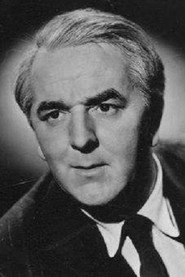 Joseph TomeltySir Giles Fordyke
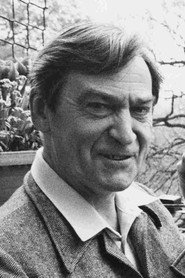 Patrick TroughtonRegis
- Frank HaydenSoldier
- Bill CummingsSoldier
Directing
- Ray FriftAssistant Director
- Roger SimonsAssistant Director
- Lee TurnerContinuity
- Robert Hartford-DavisDirector
- Ted SturgisFirst Assistant Director
- Lee TurnerScript Supervisor
Writing
- Derek FordScreenplay
- Donald FordScreenplay
Production
- Robert SterneAssociate Producer
- Michael KlingerProducer
- Robert Hartford-DavisProducer
- Tony TenserProducer
- Noreen HipwellProduction Secretary