
Film
The House with Laughing Windows
A young art restorer arrives in an isolated Italian village to save a macabre mural, only to uncover the dark secrets buried in the community's past. Genuinely unsettling, more interested in dread than jump scares, it moves with the patience of a thriller that knows how to breathe. For anyone who loves slow-burn horror that trusts the viewer.
Should you watch it?
Watch it if you enjoy Italian horror that works by unease rather than shocks, where a stubborn village and an old painting slowly curdle into something you cannot quite name.
Skip it if you need brisk pacing or clear answers, since it lingers on rituals and local faces and leaves much of its menace deliberately unexplained.
What it asks of you: Patience over a full feature-length stretch, with long quiet scenes of restoration work and village life before the mood tightens; it rewards close attention more than it rewards speed.
Not sure? Find tonight's pick in a minute.
If you liked this
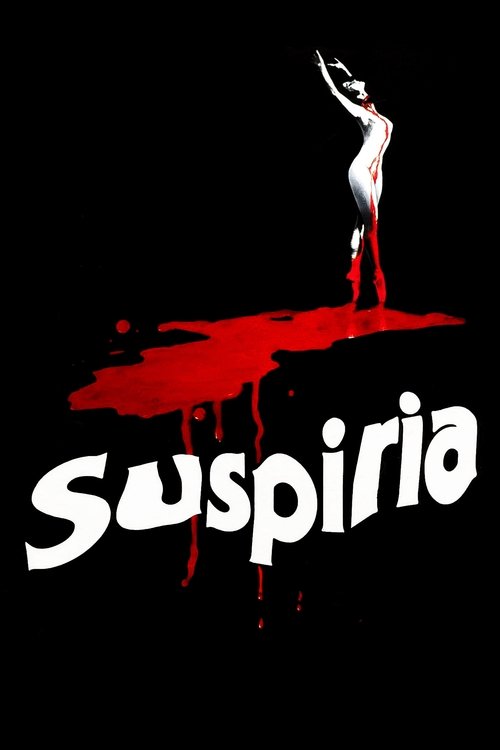
Suspiria1977
Dario Argento's masterpiece of colour and violence, where a ballet student investigates murders at her academy. It shares The House with Laughing Windows' commitment to pure atmosphere and its willingness to prioritize mood over plot clarity.
But The dubbed dialogue can feel distant, and the logic is dreamlike rather than airtight. It's more interested in how things feel than why they happen.
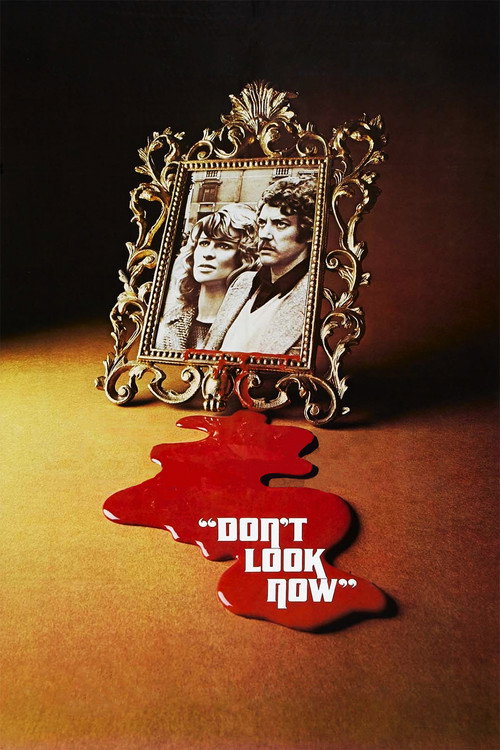
Don't Look Now1973
A couple grieving their daughter in Venice becomes entangled in a mystery that may or may not be supernatural. Both films build dread through meticulous composition and the tension between what's rational and what's intuited.
But It's elegiac and slow, with a twist that divides viewers. If you want narrative momentum, this isn't it.
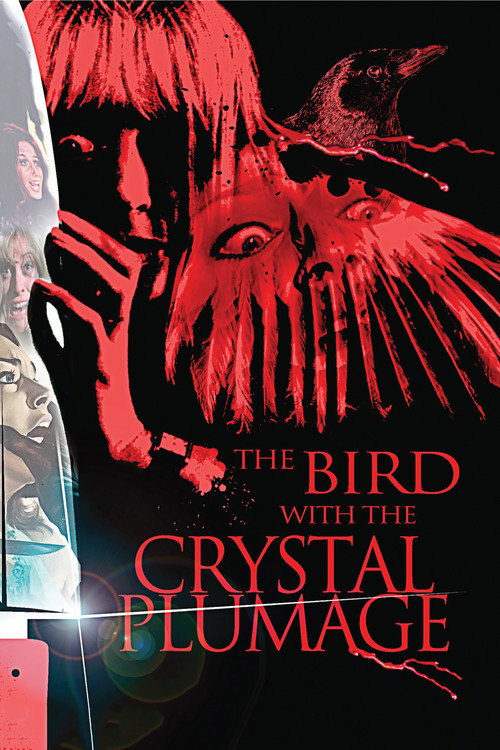
The Bird with the Crystal Plumage1970
Argento's breakthrough giallo about a man witnessing a murder and becoming obsessed with solving it. Like your film, it's a mystery wrapped in visual style, with a protagonist drawn into something larger and darker than expected.
But The dubbed acting can feel stilted, and the plot relies on coincidences that strain credibility. Giallo logic isn't everyone's logic.
Not sure tonight? Get a pick in a minute, starting from The House with Laughing Windows
The wildcard
Something you would not have found on your own.
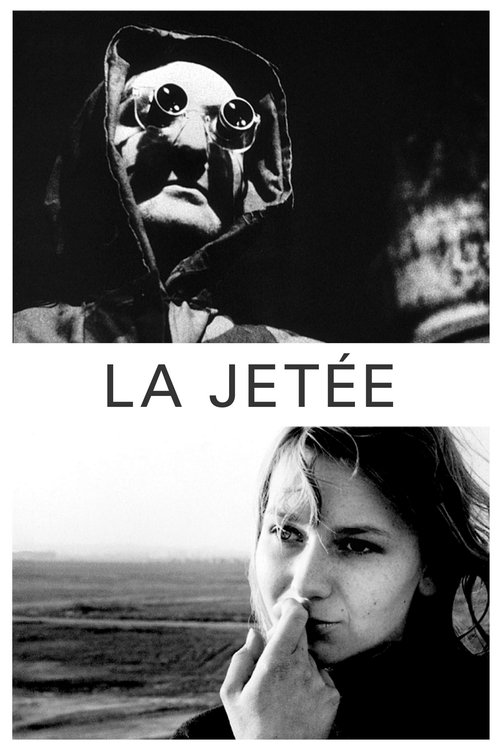
La Jetée1962
Both films understand that the most terrifying moments are internal—what we infer from what's withheld. La Jetée achieves in 28 minutes what The House with Laughing Windows sustains for 110.
Almost entirely composed of still photographs, this science-fiction meditation on memory, time, and loss builds unbearable emotional tension. It proves that horror and dread don't require movement—they live in what you don't see.
But It's an experimental film told almost entirely in voiceover. If you expect conventional narrative or cinematic language, you will be frustrated.
More like this (7)
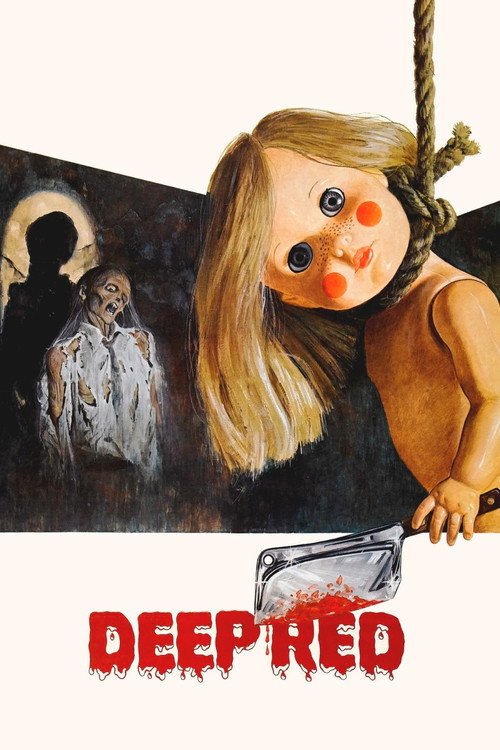
Deep Red1975
A pianist witnesses a murder and investigates a network of secrets in a small community. Another masterwork of suspense and production design, it matches The House with Laughing Windows' ability to make a village feel like a trap.
But It's violent and brutal in ways that go beyond psychological horror. Not for the squeamish, and its treatment of women is dated.
The Wailing2016
A mysterious stranger arrives in a Korean village, bringing illness and suspicion. It uses isolation and ambiguity exactly as your film does, building a mystery where every answer breeds more questions.
But It's two and a half hours and requires genuine patience. The ending is deliberately frustrating—it refuses to resolve.

Possession1981
A marriage dissolves into supernatural chaos in divided Berlin. It's claustrophobic and dizzying, using location and atmosphere to destabilize the viewer the way The House with Laughing Windows does.
But It's incoherent by design, and becomes increasingly grotesque. Some find it brilliant; others find it exhausting.

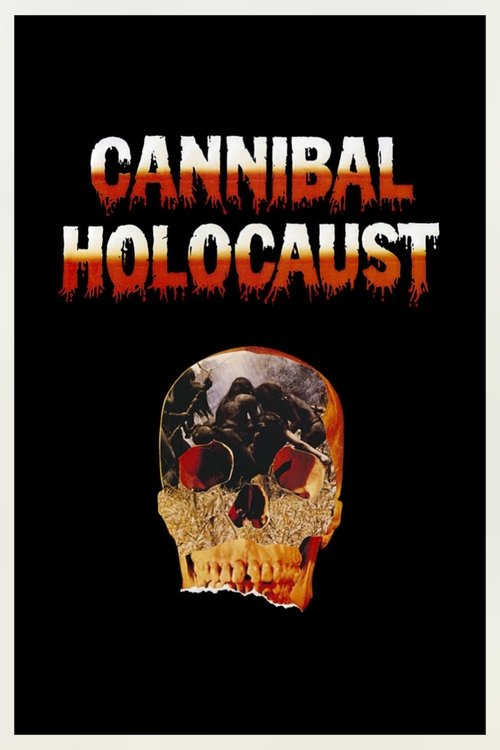
Cannibal Holocaust1980
A film crew ventures into the Amazon and vanishes. It shares the Italian setting of extreme horror cinema and the exploration of what secrets communities protect, told through found footage before that was common.
But It's genuinely disturbing and includes real animal violence. This is not entertainment; it's provocation.
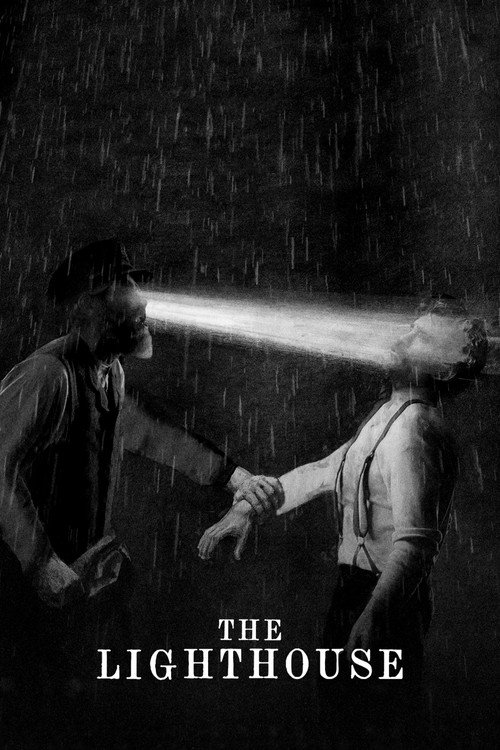
The Lighthouse2019
Two men isolated on a rocky island descend into paranoia and myth. Both films understand how confinement and obsession can crack a mind open, using production design and atmosphere as narrative.
But It's in black and white, uses an unusual aspect ratio, and the dialogue is often impenetrable. The pacing is deliberately glacial.
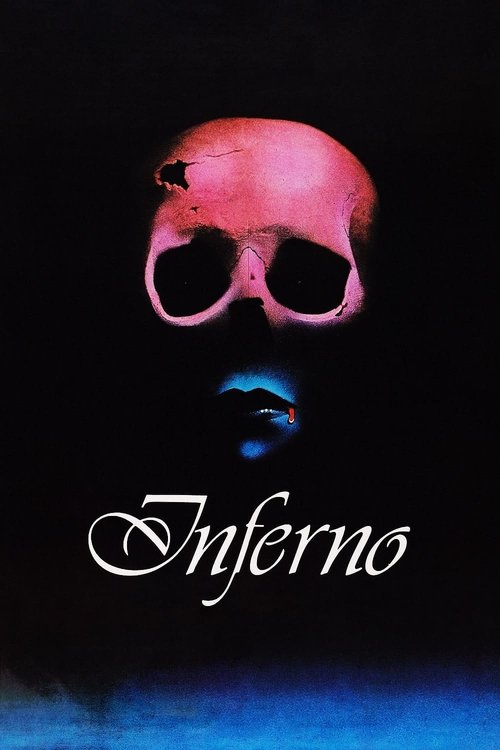
Inferno1980
The second part of Argento's "Three Mothers" trilogy, where a woman investigates a murder connected to a secretive society. It's another Italian horror about hidden knowledge and architectural menace.
But It's more fragmented and less coherent than Suspiria or Deep Red. The narrative collapses into pure atmosphere by the end.
The Seventh Seal1957
Both films are about confronting something ancient and inescapable in a small community. The mural and Death play the same role—they're the thing you can't restore, only survive.
Bergman's medieval knight plays chess with Death itself, moving through a landscape of plague, faith, and mortality. It's a meditation on what we believe and why, wrapped in the visual language of dread—exactly the spiritual weight your film carries.
But It's a philosophical film from 1957, shot in black and white, with a pace that feels ceremonial. Modern viewers often find it remote and slow.

People
Cast
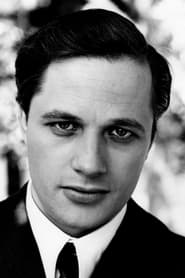 Lino CapolicchioStefano
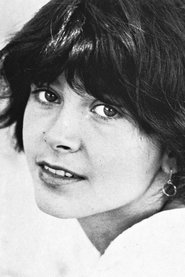 Francesca MarcianoFrancesca
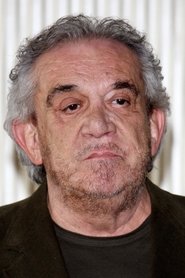 Gianni CavinaCoppola
 Giulio PizziraniAntonio Mazza
- Bob TonelliMayor Solmi
- Vanna BusoniTeacher
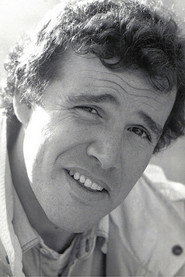 Pietro BrambillaLidio
- Ferdinando OrlandiPolice Marshall
- Andrea MatteuzziPoppi
- Ines CiaschettiConcierge
- Pina BorioneParaplegic Woman
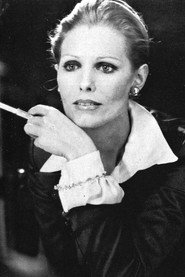 Flavia GiorgiPoppi's Wife
Directing
- Cesare BastelliAssistant Director
- Pupi AvatiDirector
Writing
- Antonio AvatiScreenplay
- Gianni CavinaScreenplay
- Maurizio CostanzoScreenplay
- Pupi AvatiScreenplay
- Antonio AvatiStory
- Pupi AvatiStory
Production
- Antonio AvatiProducer
- Gianni MinerviniProducer
- Alessandro VivarelliProduction Assistant
- Sergio BollinoUnit Manager