
Film
All the Colours of the Dark
- Horror
- Dark fantasy
- Very dark
A fractured psychological nightmare wrapped in giallo trappings. After a miscarriage, Jane descends into visions of occult rituals and murder that may be real, may be psychological breakdown, or may be something worse. It's hypnotic, visually stunning, and genuinely unsettling—a film that trusts your discomfort more than it trusts plot clarity. For viewers who like their horror ambiguous and their cinema deliberately disorienting.
If you liked this
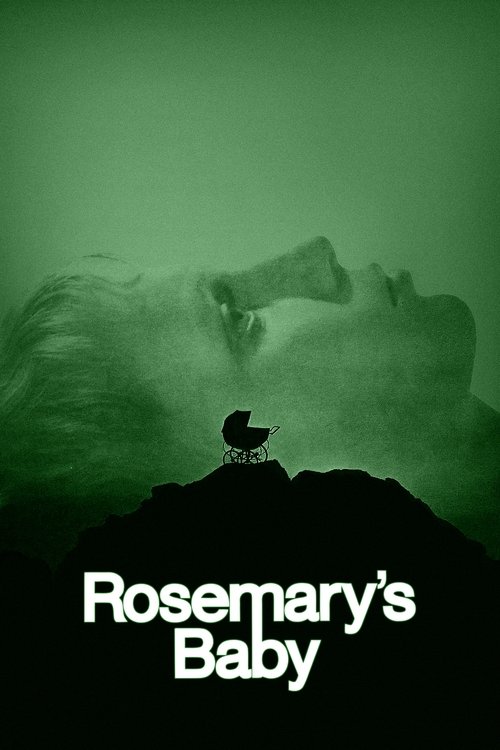
Rosemary's Baby1968
Paranoia, pregnancy trauma, and the creeping horror of a protagonist nobody believes. It's the template Dalí-meets-witchcraft paranoia, and it works because the everyday world becomes the trap.
But Polanski's pacing demands patience; it moves like dread rather than plot. Some find the 60s New York setting dated now.
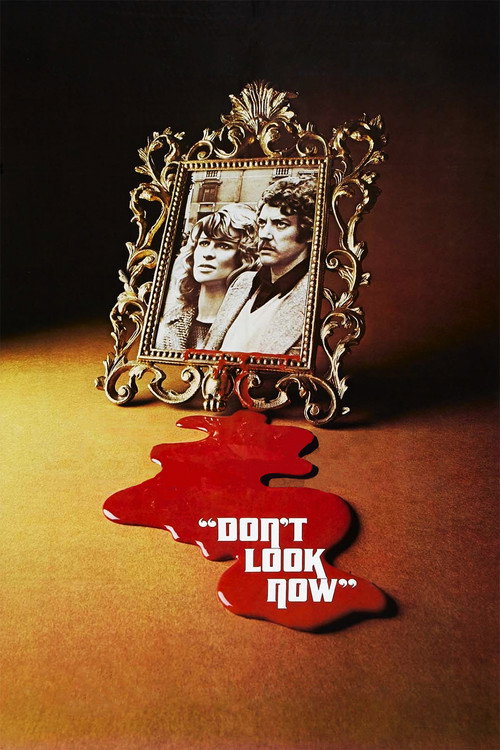
Don't Look Now1973
Grief-stricken characters seeing things that may or may not be there, Venice as a maze of omens, a shocking final twist. Peak Roeg: fractured, gorgeous, deeply wrong.
But The infamous sex scene will make you uncomfortable. More mood and texture than explanation; some find it frustratingly opaque.
Suspiria1977
Dario Argento at maximum voltage—a ballet academy that's actually a witch's coven, rendered in primary colours and operatic violence. Pure visual nightmare logic.
But Thin plot and paper-thin characters. If you watch for story rather than sensation, you'll be disappointed. The dubbing feels strange on first viewing.

Not sure tonight? Get a pick in a minute, starting from All the Colours of the Dark
The wildcard
Something you would not have found on your own.
Mulholland Drive2001
Both films use psychological horror and visual beauty to make mental breakdown indistinguishable from supernatural invasion. Both trust the audience to tolerate unresolved horror.
Lynch's LA nightmare where identity shatters, two timelines collapse into each other, and you realize halfway through you're watching a ghost story. Like All the Colours, it trusts you to sit with unreality.
But Three hours, deliberately fractured narrative, and it gets weirder the more you understand it. Demands active watching; passive viewing fails.

More like this (8)
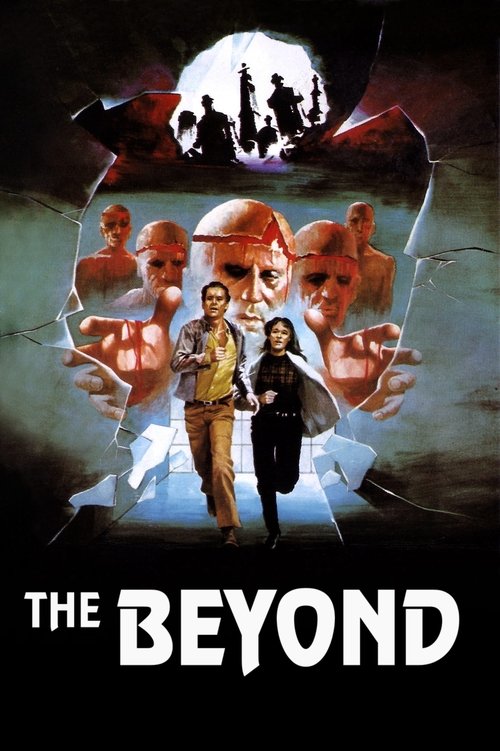
The Beyond1981
Lucio Fulci's masterpiece: a hotel is a gateway to hell, logic dissolves, and you stop asking questions because the atmosphere is too thick to break. Genuinely disturbing and visually extraordinary.
But Deliberately plotless and incoherent. The acting is intentionally stilted. Some scenes feel like snuff; it's not for viewers who need a story to justify the dread.
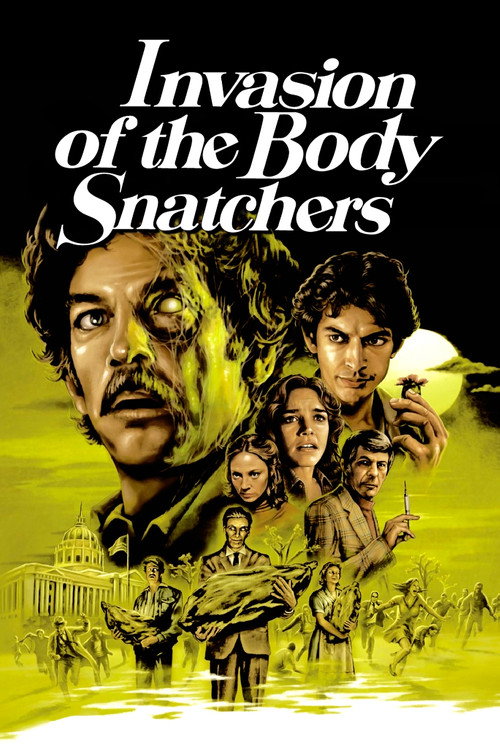
Invasion of the Body Snatchers1978
Paranoia made flesh—nobody can be trusted, reality keeps slipping, and the threat is contagion wearing a human face. Tense, intelligent, and genuinely terrifying.
But The 70s setting feels deliberately unglamorous. Ends on absolute bleakness, which some experience as depressing rather than cathartic.
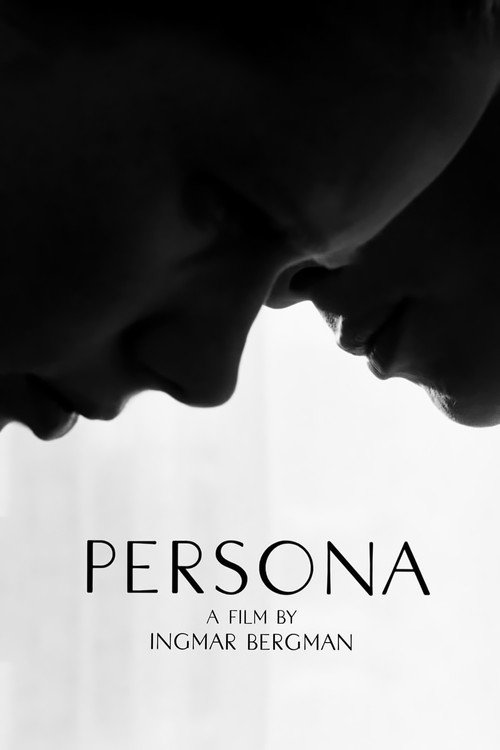
Persona1966
Bergman's examination of identity fracture and psychological collapse. Two women, one stops speaking, the boundary between them dissolves. Hypnotic and genuinely strange.
But Experimental, glacially paced, and deeply psychological rather than narrative. You need to accept ambiguity as the whole point.
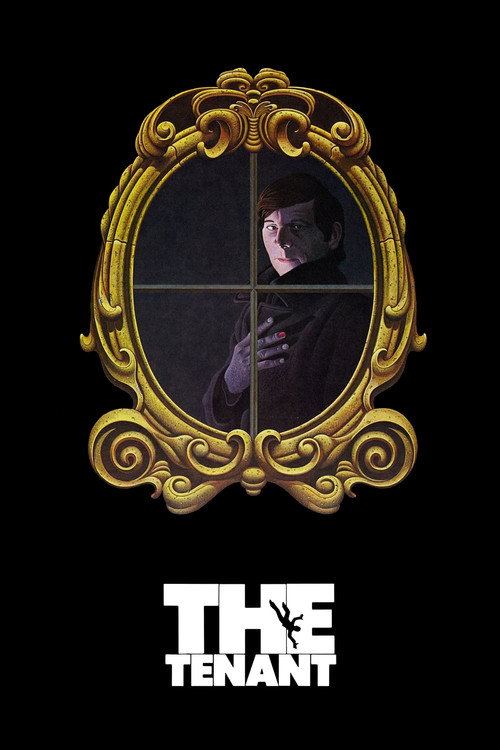
The Tenant1976
Polanski's own descent into paranoia—a tenant in a Paris apartment becomes convinced the building itself is conspiring against him. Claustrophobic, darkly comic, and deeply unsettling.
But Polanski's protagonist is deliberately irritating and unreliable. It's slow-burn and claustrophobic to the point of suffocation for some viewers.
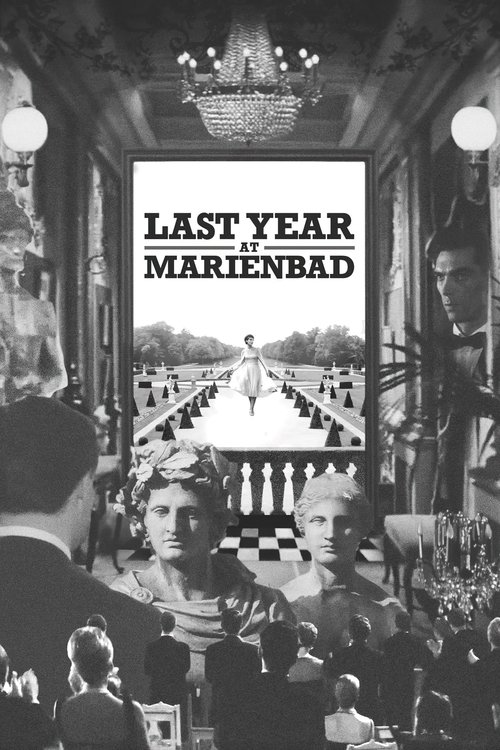
Last Year at Marienbad1961
Memory, identity, and seduction collapse into each other in a baroque hotel. Resnais and Robbe-Grillet create a dream-logic puzzle where nothing coheres but everything resonates.
But Willfully obscure and formally experimental. It doesn't resolve and isn't meant to. Many find it more intellectually interesting than emotionally engaging.
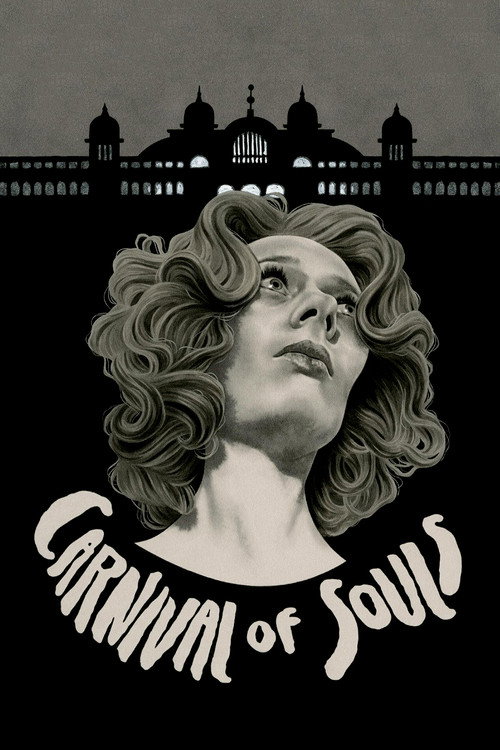
Carnival of Souls1962
Low-budget American gothic about a woman who may already be dead, pursued by corpses through a phantom carnival. Atmosphere on a shoestring; genuinely eerie in its cheapness.
But The acting is amateurish, the dialogue stilted. It looks like a school project, which some viewers can't get past.
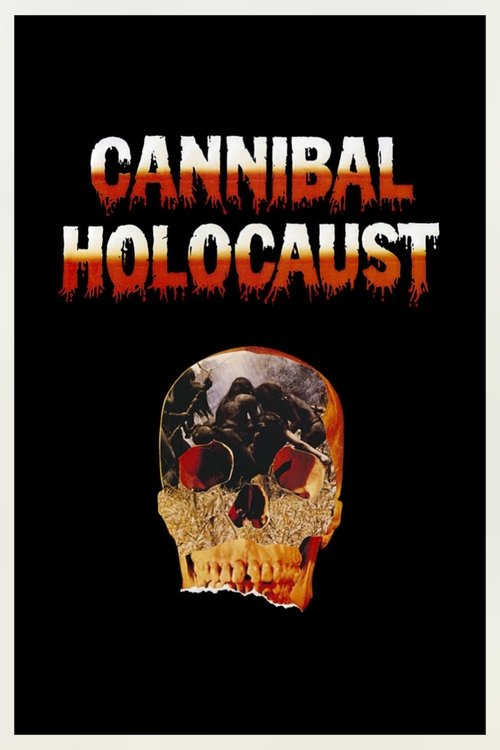
Cannibal Holocaust1980
Both use transgressive imagery not for shock value but to collapse the viewer's sense of what's real and what's performance. Both make you complicit.
A found-footage nightmare about a film crew gone native. Like All the Colours, it collapses documentary reality into obscene ritual; it's transgressive cinema as genuine art.
But Real animal deaths. Graphic sexual violence and cannibalism. It's genuinely difficult to watch, and not everyone should. This is a boundary-pusher.
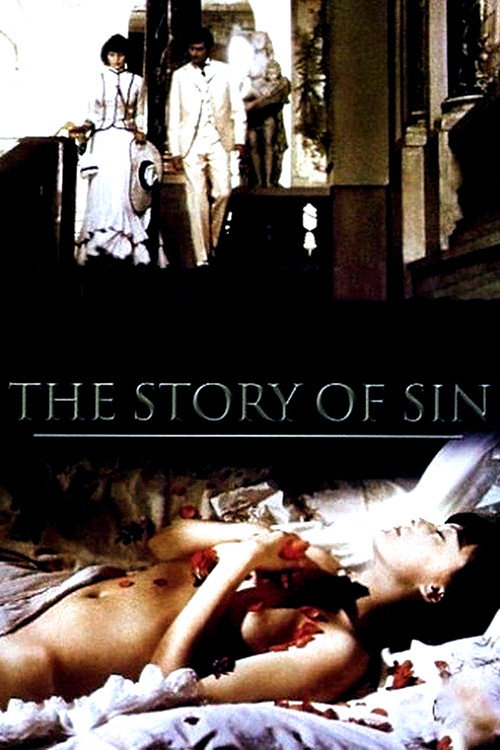
The Story of Sin1975
Both are European art-horror films from the 70s that use surrealism and sexual transgression to explore psychological dissolution. Both privilege atmosphere over narrative coherence.
Andrzej Żuławski's Polish epic—a woman's descent into sex, violence, and religious ecstasy. Shot in grainy black and white, it's hallucinogenic, baroque, and obsessed with the body as a site of transgression.
But Polish New Wave formalism; it won't hold your hand. Sexually explicit and morally murky. Some find the pacing glacial; others find it hypnotic.
People
Cast
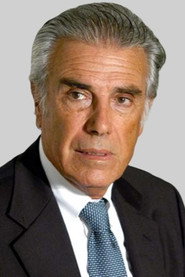 George HiltonRichard Steele
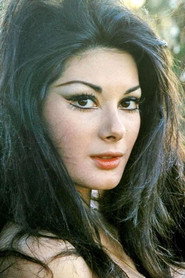 Edwige FenechJane Harrison
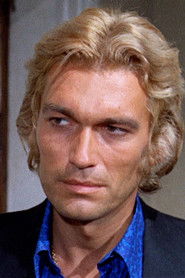 Ivan RassimovMark Cogan
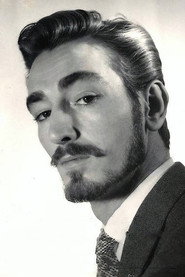 Julián UgarteJ.P. McBain
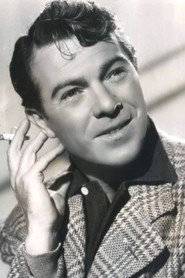 George RigaudDr. Burton
 Maria Cumani QuasimodoElderly Neighbor
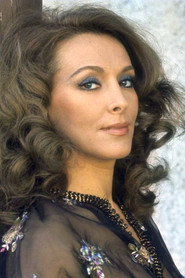 Nieves NavarroBarbara Harrison
 Marina MalfattiMary Weil
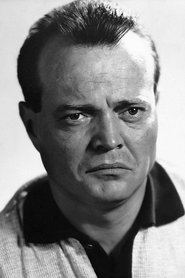 Luciano PigozziFrancis Clay
 Dominique BoscheroWoman Killed in Dream
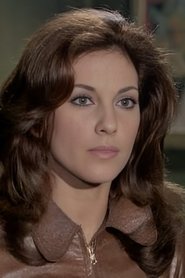 Lisa LeonardiGirl with Dog
 Tom FelleghyInspector Smith
Directing
- Francisco RodríguezAssistant Director
- Vittorio CaroniaAssistant Director
- Sergio MartinoDirector
- Mirella MalatestaScript Supervisor
Writing
- Ernesto GastaldiScreenplay
- Sauro ScavoliniScreenplay
- Santiago MoncadaStory
Production
- Ricardo SanzExecutive Producer
- Luciano MartinoProducer
- Mino LoyProducer
- Fabio DiotalleviProduction Manager
- Florian TrenkerProduction Manager
- Franco FogagnoloProduction Manager