
Film
Kaboom
Gregg Araki's acid-trip fever dream about a gay college kid whose vivid sexual fantasies start bleeding into reality, tangling him in conspiracies, assassins, and cosmic weirdness. It's anarchic, visually restless, often hilarious, sometimes baffling—a movie that prioritizes mood and transgression over narrative coherence. For viewers who want cinema to feel like a lucid dream.
If you liked this
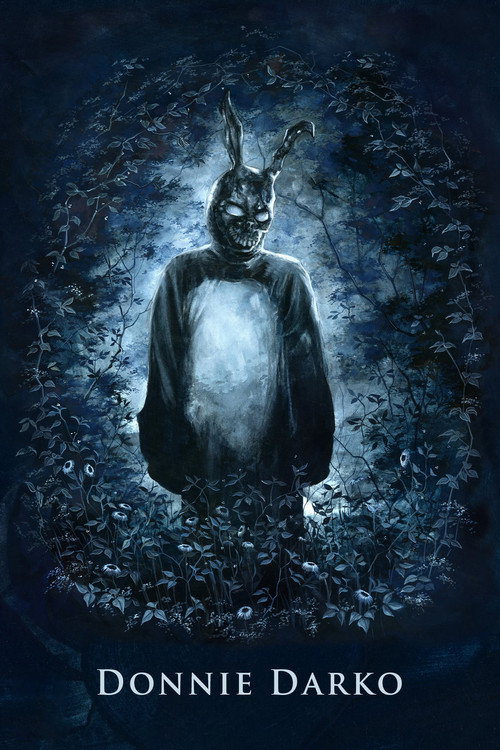
Donnie Darko2001
A troubled teenager's reality fractures into surreal visions and temporal loops. Like Kaboom, it layers genre confusion with genuine emotional stakes and visual invention, rewarding viewers willing to sit with ambiguity.
But Genuinely cryptic in ways that demand multiple viewings or external research to parse. Some find that puzzle-box quality frustrating rather than rewarding.
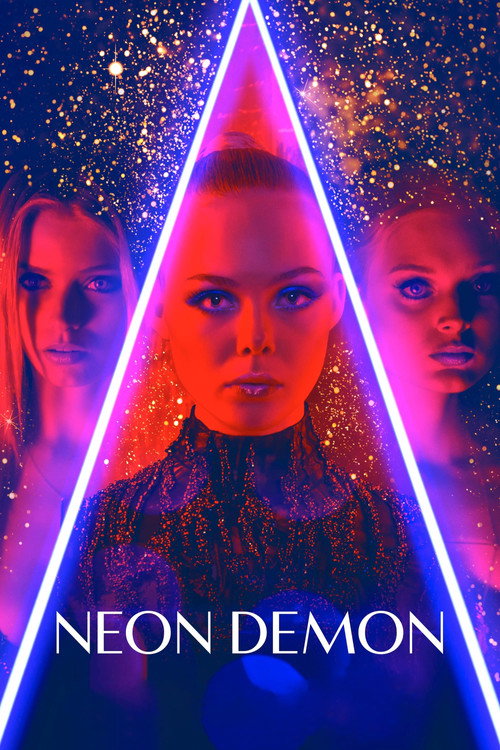
The Neon Demon2016
A sunken dream-logic nightmare about ambition and desire in Los Angeles, shot like a fever vision. Both films trust visual atmosphere and strangeness over plot clarity.
But Glacial pacing and a protagonist you're not meant to like. Some viewers find it beautiful alienation rather than engaging cinema.
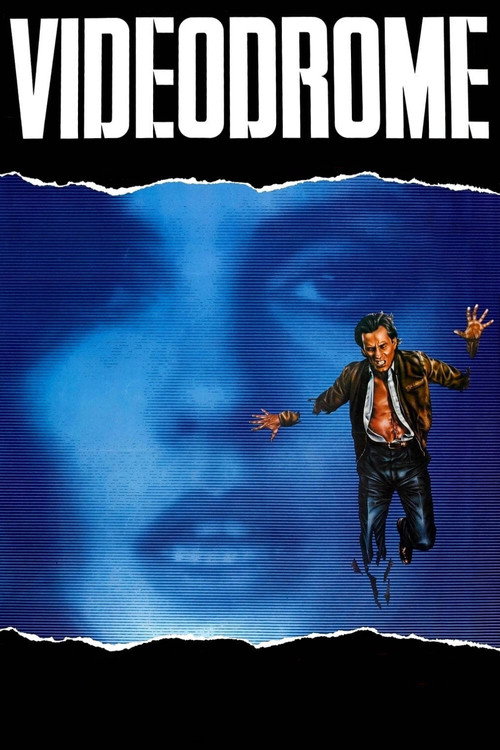
Videodrome1983
Cronenberg's hallucinatory descent into blurred media reality and bodily horror. Masters the Kaboom trick of making you unsure what's real, and whether it matters.
But Visceral body transformation scenes that are genuinely unsettling. Deliberately unsexy in its treatment of sexuality and technology.
Not sure tonight? Get a pick in a minute, starting from Kaboom
The wildcard
Something you would not have found on your own.
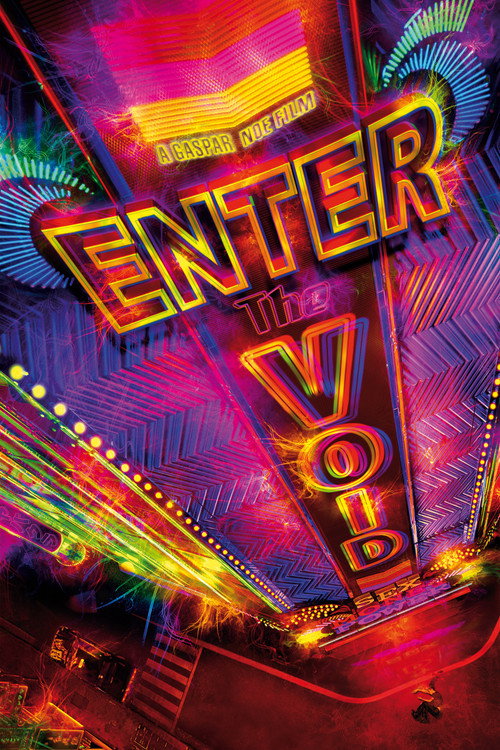
Enter the Void2010
Both films reject narrative coherence in favour of immersive hallucinatory experience; both centre young sexuality and drug-altered consciousness as valid cinematic subjects.
A dead Tokyo club kid's POV journey through afterlife rendered in first-person neon hallucination. Shares Kaboom's psychedelic aesthetic and willingness to forgo plot for immersive sensation. Both are about young bodies in motion, drowning in sensation.
But Nearly three hours of abstract visual bombardment with minimal dialogue or character development. Many viewers find it numbing rather than transcendent.
More like this (6)
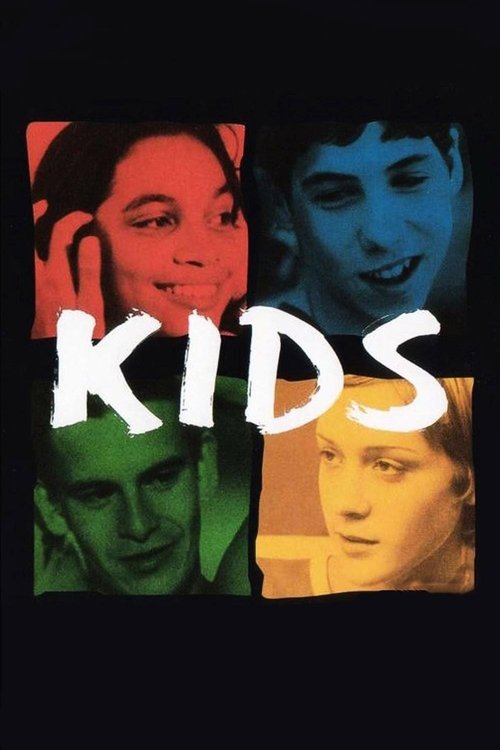
Kids1995
Unfiltered portrait of reckless New York youth, shot like a documentary about transgression. Same fearless commitment to depicting what teenagers actually do and say.
But No moral frame or redemption arc. The bleakness is the point, and many find that exhausting rather than illuminating.
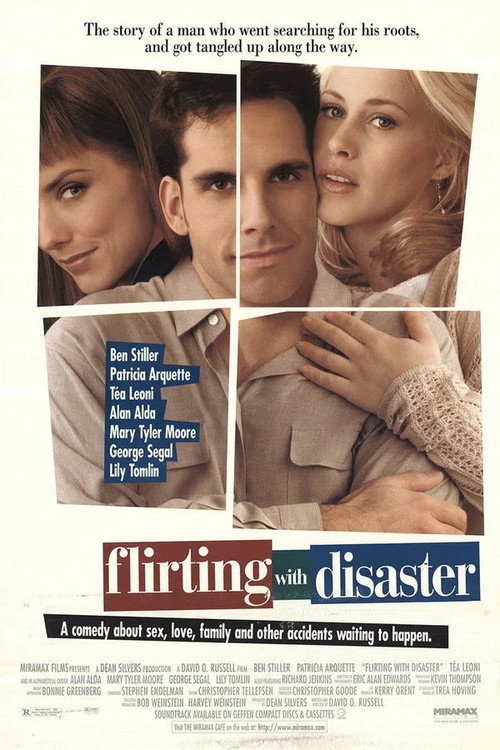
Flirting with Disaster1996
David O. Russell's comedic descent into chaos, where a simple quest spirals into increasingly absurd conspiracies. Similar energy of plot collapsing into pure momentum.
But Dated 90s comedy sensibility. The ensemble chaos can feel scattered rather than intricately designed.
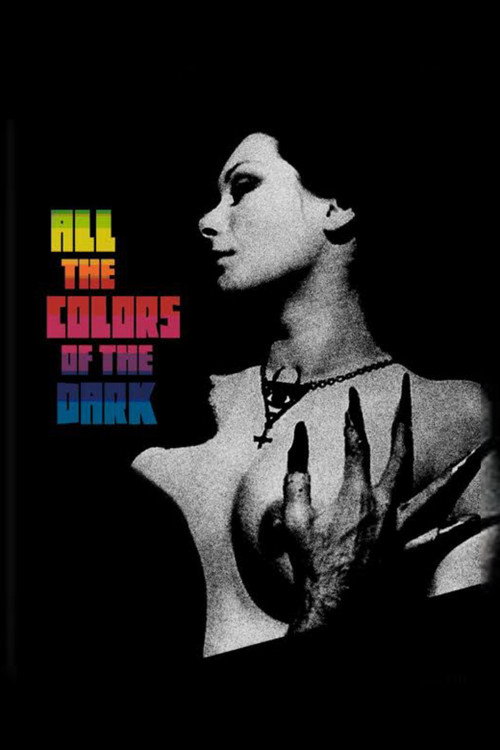
All the Colours of the Dark1972
Italian giallo that collapses dream, conspiracy, and eroticism into a disorienting spiral. Araki studied this era; the DNA is visible in Kaboom's visual language.
But Slow by modern standards and dependent on sustained mood rather than plot propulsion. Subtitled, and some print versions are heavily cut.
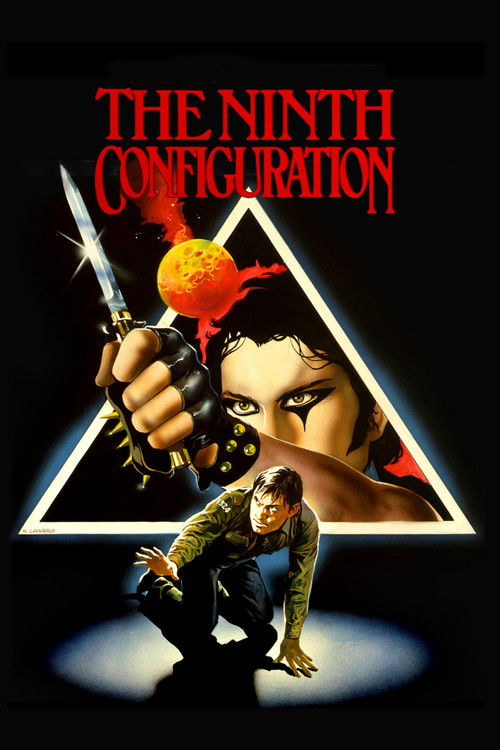
The Ninth Configuration1980
William Peter Blatty's trippy, compassionate descent into military madness and shifting reality. Genre whiplash and thematic depth wrapped in genuine weirdness.
But Tonal shifts can feel jarring. It wants to be profound about trauma and faith, which clashes with its gonzo surface.
The Holy Mountain1973
Both are films of transgression that embed queer sexuality within larger cosmic/conspiratorial narratives; both trust surrealism over sense.
Jodorowsky's surrealist odyssey of spiritual transgression and body horror. Like Kaboom, it treats film as dream-logic puzzle box where sexuality, violence, and the cosmic collide without apology or resolution.
But Genuinely extreme content across every dimension: sexual, violent, scatological. The spiritual aspiration won't redeem it for viewers who find it merely provocative.

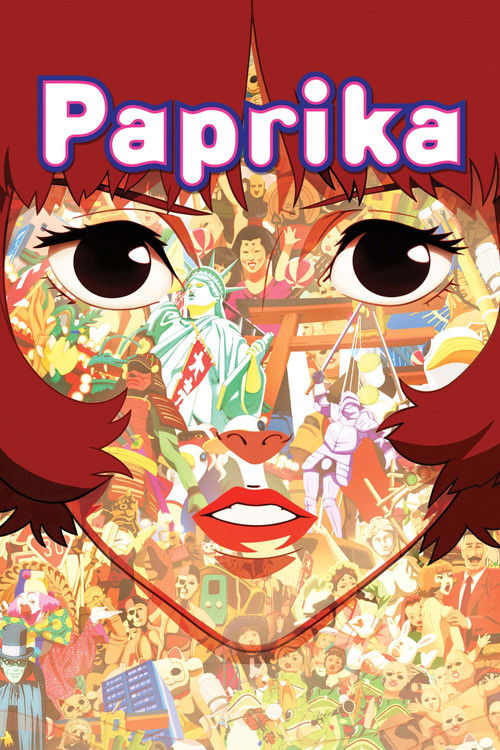
Paprika2006
Both collapse the boundary between dream and reality as their central structure; both use visual excess and genre confusion to externalize internal psychological states.
Satoshi Kon's animated fever dream where dreams literally invade reality, fragmenting identity and causality. Like Kaboom, it's visually intoxicating chaos with real emotional core beneath the psychedelia, and it achieves in animation what Araki chases in live-action.
But Dubbed or subtitled depending on version. The dream-logic, while gorgeous, can feel more abstract than Kaboom's grounded college setting.
People
Cast
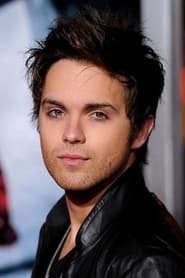 Thomas DekkerSmith
 Haley BennettStella
 Chris ZylkaThor
 Roxane MesquidaLorelei
 Juno TempleLondon
 James DuvalThe Messiah

 Brandy FutchDrug Fairy Nymph (uncredited)
 Nicole LaLiberteRed-Haired Girl
 Kelly LynchNicole
 Brennan MejiaOliver
 Carlo MendezMilo
Directing
- Gregg ArakiDirector
- Chad RosenFirst Assistant Director
- Jake WordenSecond Assistant Director
- Ryan ReelsSecond Second Assistant Director
Writing
- Gregg ArakiScreenplay
Production
- Beau J. GenotAssociate Producer
- Jenny JueCasting Director
- Johanna RayCasting Director
- Pavlina HatoupisCo-Producer
- Jonathan SchwartzExecutive Producer
- Sébastien K. LemercierExecutive Producer
- Pavlina HatoupisLine Producer
- Andrea SperlingProducer
- Gregg ArakiProducer
- Pascal CaucheteuxProducer
- Daniela RothUnit Production Manager