
Film
Tennessee Johnson
A 1942 biopic following Andrew Johnson from poverty to the presidency, tracing his Unionist convictions through the Civil War and into Reconstruction. It's a studio-era political drama that privileges moral clarity over nuance, with Van Heflin carrying the film through Johnson's rise and the treacherous politics that led to his impeachment. For those interested in how Hollywood once dramatized American history.
If you liked this
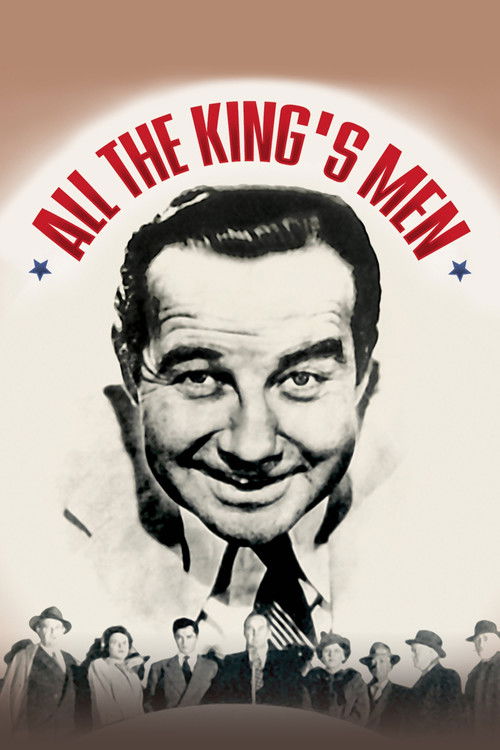
All the King's Men1949
A more sophisticated take on American political ambition and corruption, with Broderick Crawford's performance capturing the seductive appeal and moral decay of power in ways Tennessee Johnson only touches.
But It's denser and messier, less interested in clear heroes and villains; the moral framework is deliberately unsettling rather than reassuring.
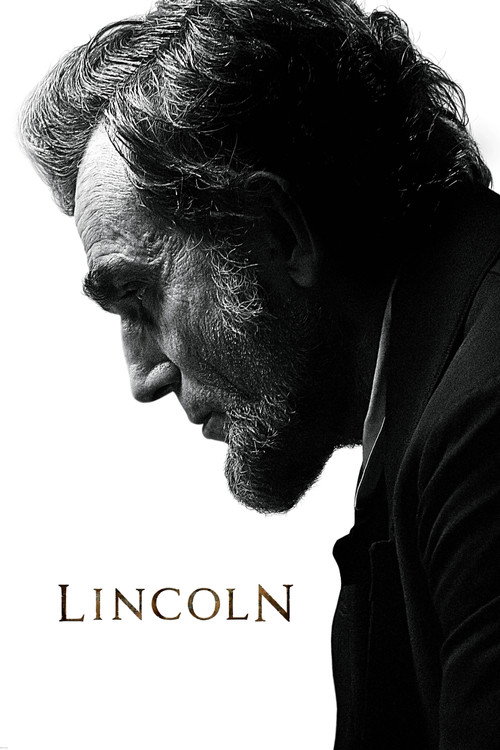
Lincoln2012
Spielberg's meditation on the same era and many of the same figures (Thaddeus Stevens is central here too), but with vastly more political sophistication and an ensemble cast that lets history feel genuinely contested.
But It's three hours long and almost entirely dialogue; if you wanted spectacle or movement, this will feel like a long conversation in a room.
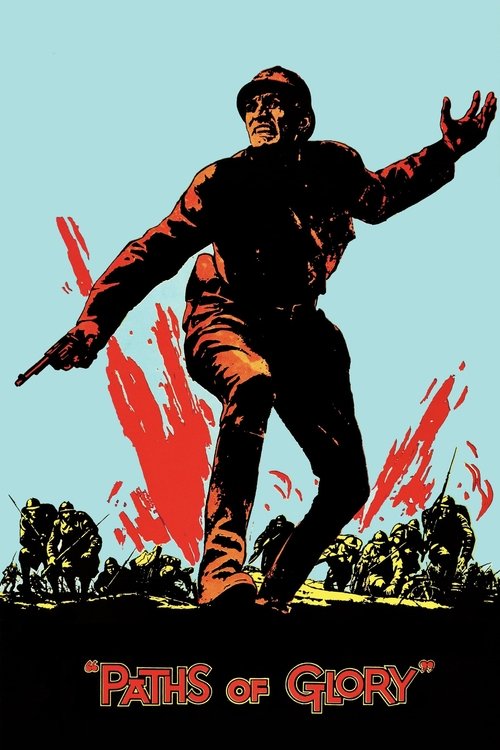
Paths of Glory1957
Another 1940s-style moral drama about institutional power and justice, but Kubrick brings a modern sensibility that makes the politics feel urgent rather than historical. Kirk and Barrymore-level acting talent deployed with much sharper material.
But It's about the First World War and military justice, not Reconstruction, so the connection is thematic rather than literal—some will find that unsatisfying.
Not sure tonight? Get a pick in a minute, starting from Tennessee Johnson
The wildcard
Something you would not have found on your own.
Kaboom2010
Both follow protagonists watching their ideals collide with institutional power and political necessity—but one is tragedy and one is comedy. Seeing the same structural conflict played for laughs reveals how arbitrary Tennessee Johnson's choice to be reverent actually was.
Gregg Araki's formally inventive comedy about college life, conspiracy, and friendship might seem completely unrelated, but it's built on the same engine: idealistic characters trying to act on principle in an institution designed to corrupt or contain them. Same moral framework, inverted register.
But It's surreal, sometimes incoherent, frequently crude, and interested in sexuality rather than statecraft. The tonal whiplash from Tennessee Johnson to this could be disorienting or actively off-putting.

More like this (7)
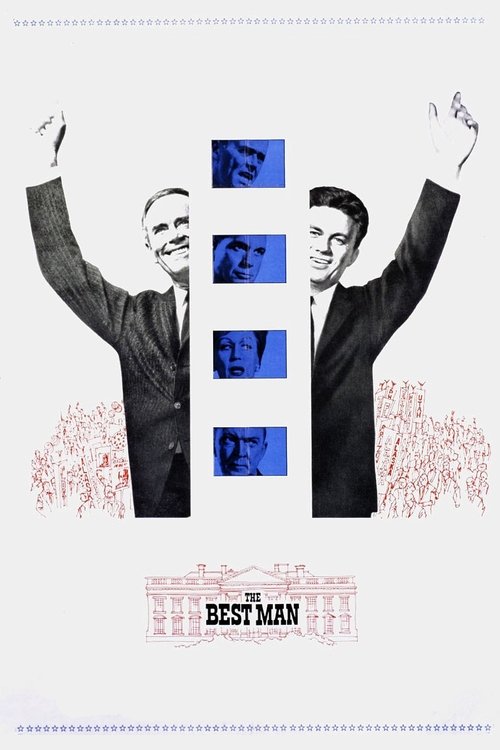
The Best Man1964
Gore Vidal's acid take on political ambition and backroom dealing during a presidential convention. Sharp, witty, and genuinely cynical about the compromises required to reach power—a tonic to Tennessee Johnson's earnestness.
But It's essentially a filmed stage play, so don't expect cinematic movement; the pleasure is entirely in the talk.
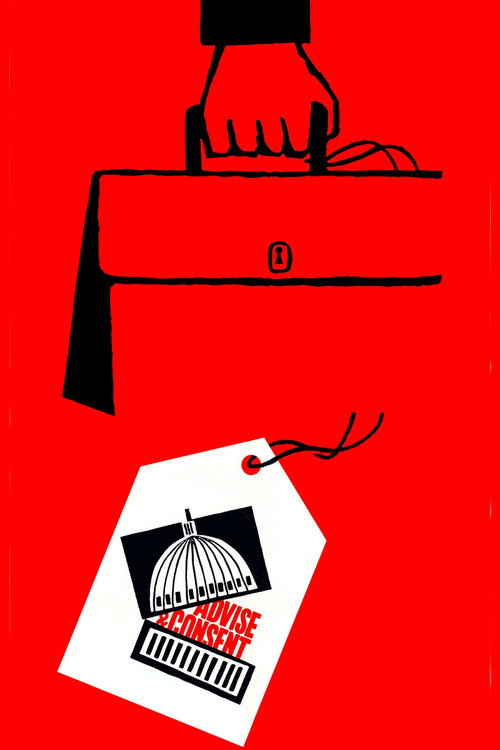
Advise & Consent1962
Otto Preminger's grand procedural about Senate confirmation battles. It captures the genuine stakes of political conflict without oversimplifying, and the supporting cast is extraordinary—it's how to make institutional drama compelling.
But It's very long and very male-centered; the gender politics are of its era and can feel narrow to modern eyes.
The Crucible1996
Arthur Miller's adaptation of his own play about the Salem witch trials, but really about McCarthyism and how institutions destroy the innocent. It shares Tennessee Johnson's interest in historical moment colliding with principle, done with much greater depth.
But The allegory is heavy-handed; if you prefer subtlety in your political drama, this will feel didactic.

Sunrise at Campobello1960
A chamber drama about FDR confronting polio and political comeback, with Ralph Bellamy and Greer Garson. It has the same biographical sweep and interest in character-against-circumstance, executed with real tenderness.
But It's even more deliberately theatrical than most of these films; the emotional register rarely varies from noble or moving.

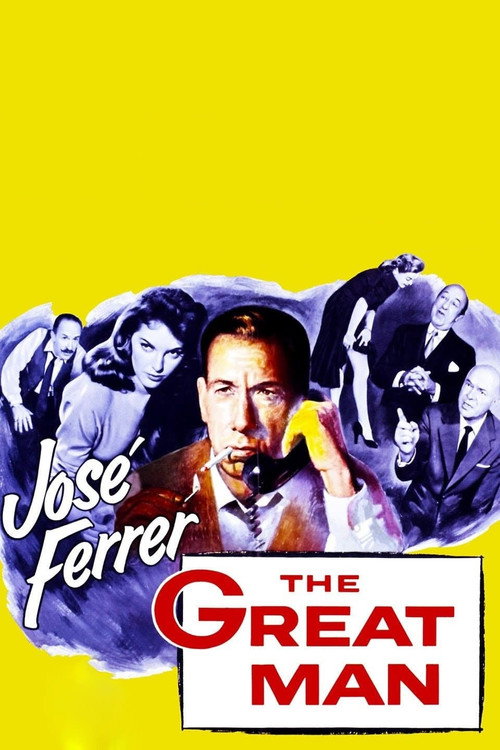
The Great Man1956
José Ferrer both directs and stars in this overlooked dissection of a beloved public figure revealed to be a fraud. It's a fascinating mirror to Tennessee Johnson's idealization—showing how Hollywood in the 1950s was beginning to question its own hagiographies.
But It's cynical and often quite dark; there's no redemption waiting, which some viewers find gratuitously bleak.
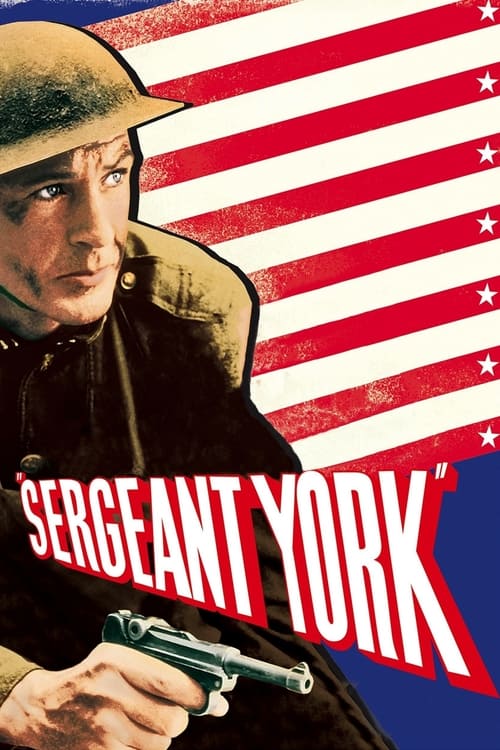
Sergeant York1941
Gary Cooper in the year before Tennessee Johnson, another biographical war drama made during wartime with genuine craft. If you want to see what 1940s Hollywood biography looked like at its best, this is the cleaner example.
But It's even simpler in its moral framework than Tennessee Johnson; purity as a virtue rather than a complication.
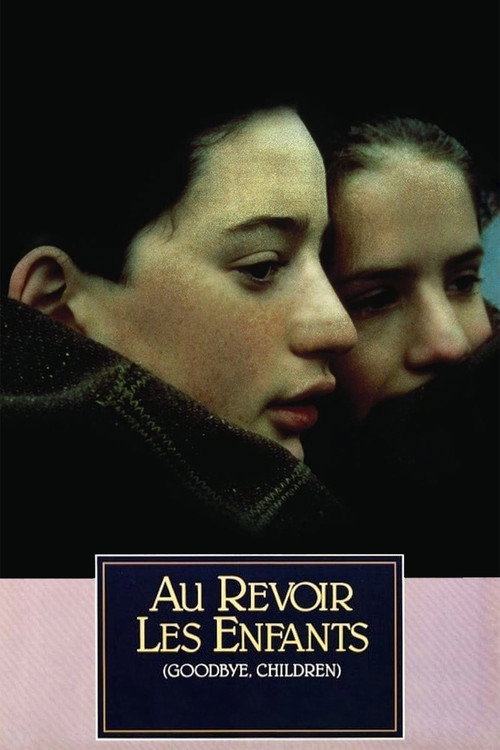
Au Revoir les Enfants1987
Where Tennessee Johnson tells a story about a man navigating institutional power from the top, this shows what institutional corruption looks like from the inside, where ordinary people have no choice but complicity. Same historical moment (Reconstruction's aftermath, WWII's lead-up), same question: what do you do when the system corrupts even the conscientious?
Louis Malle's spare, devastating film about a French Catholic boarding school during Nazi occupation, where boys must choose between loyalty to friends and institutional survival. It's a quiet masterpiece about how power corrupts institutions and individuals, told through children's eyes rather than statesmen's.
But It's European, subtitled, and emotionally severe—Malle refuses easy reassurance or catharsis. The ending is devastating in ways that won't satisfy anyone looking for historical closure or moral victory.
People
Cast
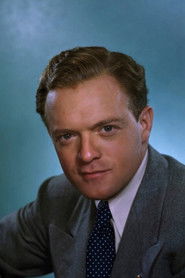 Van HeflinAndrew Johnson
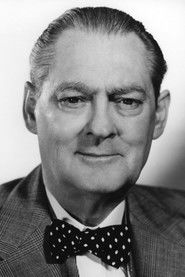 Lionel BarrymoreThaddeus Stevens
 Ruth HusseyEliza McCardle Johnson
 Marjorie MainMrs. Maude Fisher
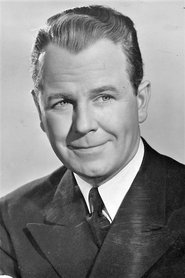 Regis ToomeyBlackstone McDaniel
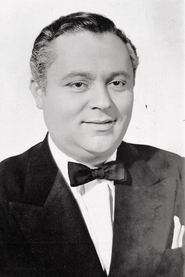
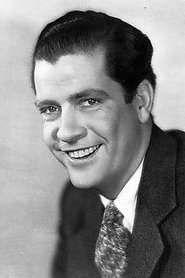 Grant WithersMordecai Milligan
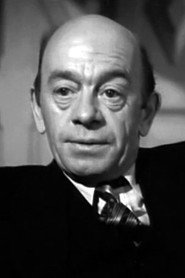 Alec CraigSam Andrews
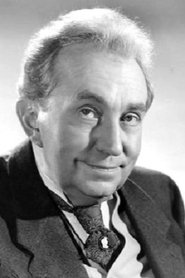 Charles DingleSenator Jim Waters
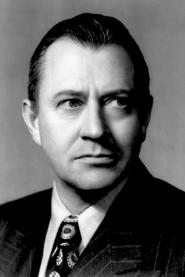 Carl Benton ReidCongressman Hargrove
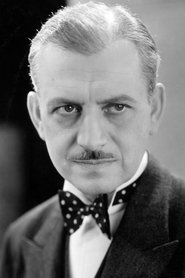 Russell HicksLincoln's Emissary
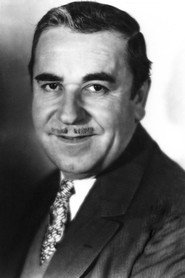 Noah BeerySheriff Cass (as Noah Beery Sr.)
Directing
- Al ShenbergAssistant Director
- William DieterleDirector
Writing
- John L. BalderstonScreenplay
- Wells RootScreenplay
Production
- Irving AsherProducer
- J. Walter RubenProducer