
Film
Crying Freeman
A 1995 action film where a weeping assassin—literally crying after each kill—falls for an artist who witnesses his lethal grace. It's a stylish, melodramatic collision of samurai codes and noir romance, adapted from a manga. For fans of operatic violence and the idea that killers might have consciences, even if the execution is uneven.
Should you watch it?
Watch it if you love stylised hitman stories where elegance and melancholy matter as much as the body count, and you're happy with a romance that hangs on an assassin's guilt and a painter's gaze.
Skip it if you want tight plotting and a clear crime-thriller spine, since the yakuza politics can feel sketchy and the film leans on mood and posture more than on following the intrigue.
What it asks of you: About an hour and forty minutes, mostly unhurried, with long quiet stretches broken by sudden, brutal violence. Give it patience and let the atmosphere do the work.
Not sure? Find tonight's pick in a minute.
If you liked this
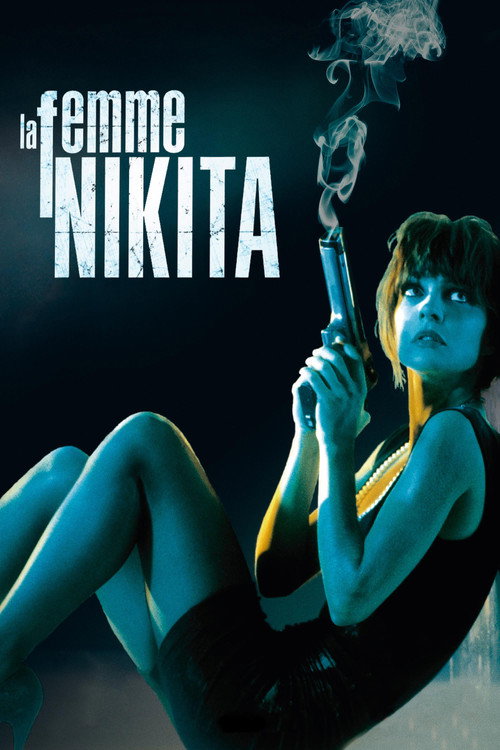
Nikita1990
A trained assassin falls for a civilian and questions her orders. It perfects the romantic-killer premise that Crying Freeman attempts: sleeker direction, stronger tension, and a protagonist you believe might actually break.
But It's French cinema from 1990, which means slower pacing and subtitles—less bombastic action spectacle than you might expect from the premise.
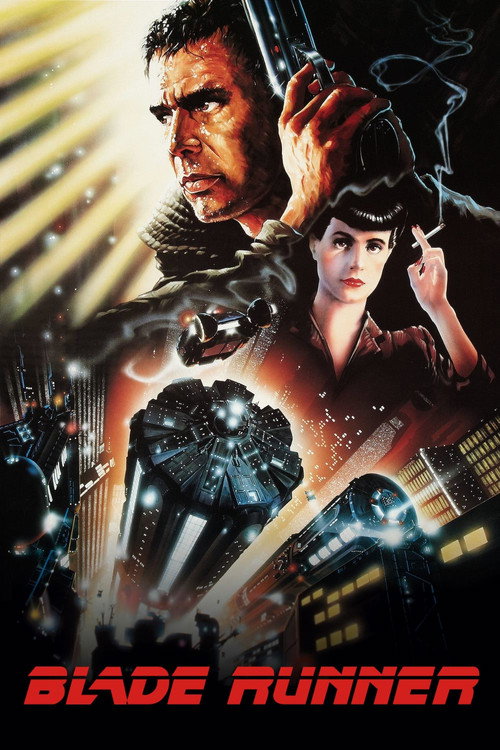
Blade Runner1982
A meditative action film about an assassin grappling with conscience and what it means to be human. The visual style influenced everything that came after, including Crying Freeman's aesthetic ambitions.
But It's deliberately paced and philosophical rather than kinetic. If you want explosions over existential dread, this will feel glacial.
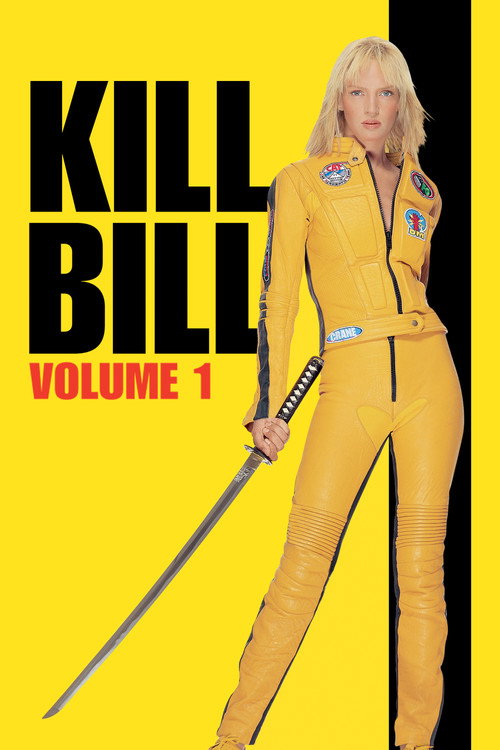
Kill Bill: Vol. 12003
Operatic violence meets romance and betrayal. Tarantino does what Crying Freeman reaches for—stylized, emotional action with a female lead who's as lethal as she is heartbroken.
But It's nearly two hours of setup for revenge. The pacing is deliberate, and the blood is absurdist rather than grounded.
Not sure tonight? Get a pick in a minute, starting from Crying Freeman
The wildcard
Something you would not have found on your own.
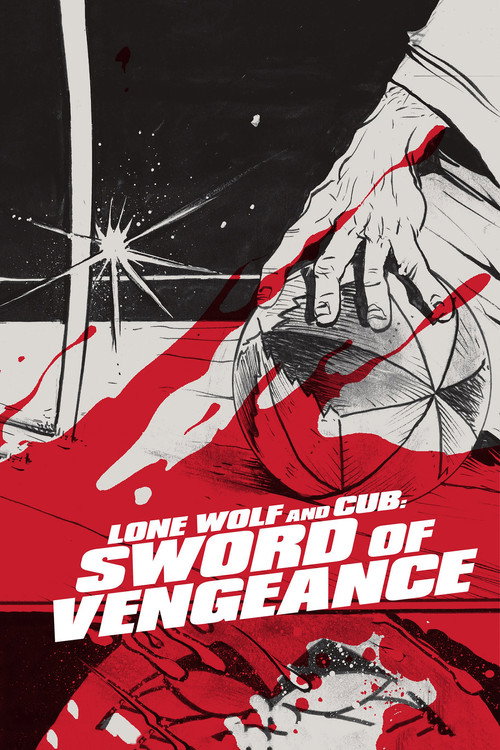
Lone Wolf and Cub: Sword of Vengeance1972
Both adapt manga with the same visual DNA: an assassin as a tragic figure, ritual violence as poetry, and romance as counterpoint to a life of killing.
The manga-to-film adaptation that defined the aesthetic Crying Freeman copies. A widower-turned-assassin roaming medieval Japan with his child. Pure style, honour, and blood-soaked pathos. The original template.
But 1972 Japanese exploitation cinema. The prints are rough, the dubbing is occasionally atrocious, and the violence is graphic and lingering in ways that feel less stylish than brutal.
More like this (8)
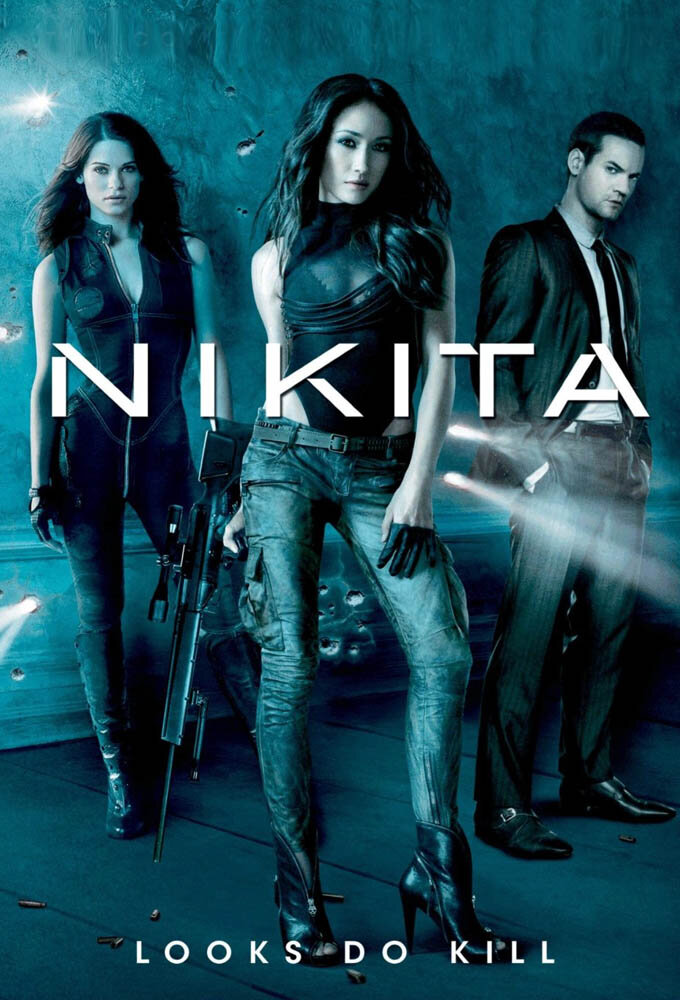
Nikita2010
A TV reimagining of La Femme Nikita with a younger cast and glossier production. It sustains the assassin-with-a-conscience premise over 50+ episodes, giving you time to actually care about the character's dilemma.
But TV serialization means filler between the good episodes. By season three, you'll feel the formula wearing thin.
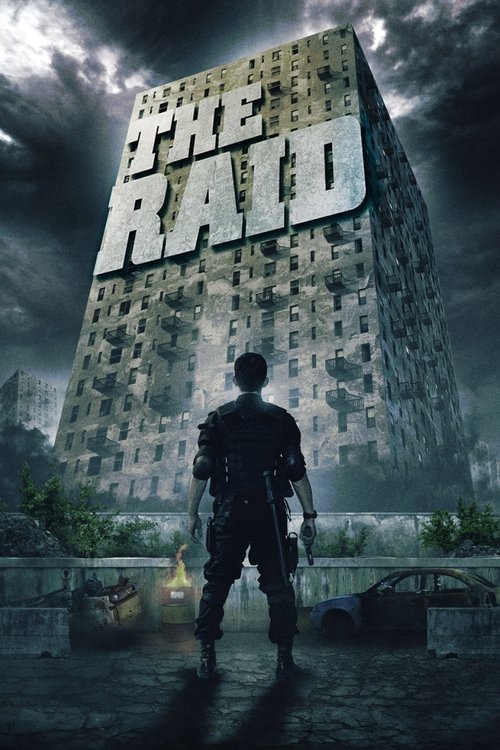
The Raid2012
An Indonesian action masterpiece with balletic violence and real emotional stakes. It proves that fight choreography can carry a film when the direction is this sharp and committed.
But Subtitled, Indonesian, and minimal plot. It's almost pure combat. If you need story scaffolding to care, this is viscera without context.
Harakiri1962
A samurai film about honour, ritual, and the human cost of codes. It's what Crying Freeman *thinks* it's doing—a serious meditation on grace, duty, and conscience.
But It's a 1962 Japanese film in black and white, deliberately paced, and genuinely tragic. Zero fun, maximum intensity.

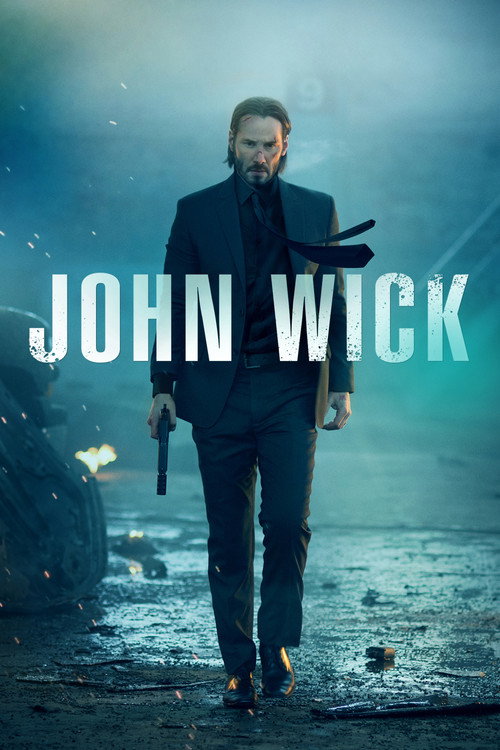
John Wick2014
A retired assassin pulled back into the life. It's stylish, uses its action to tell story, and understands that a killer can still have rules—and breaking them has cost.
But The plot is thin (a revenge story over a stolen car), and it hinges on you caring about Keanu Reeves specifically.
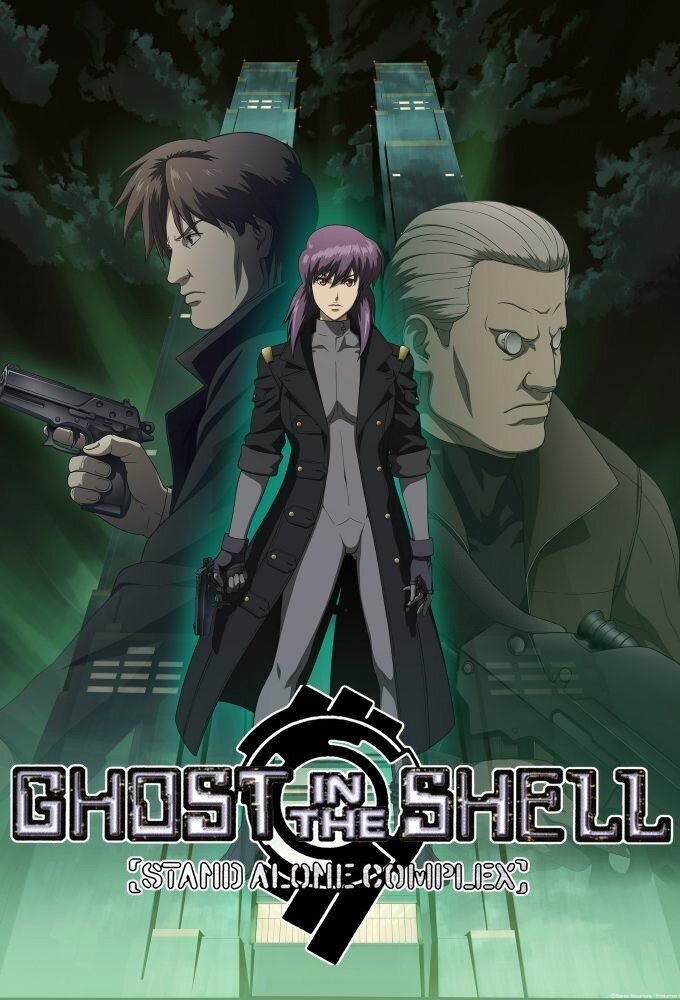
Ghost in the Shell: Stand Alone Complex2002
A manga-adjacent property (like Crying Freeman) that actually nails the material. Philosophical sci-fi action with a female lead who's both operative and deeply human. Elevated animation for 2002.
But It's anime, it's serialized, and the early episodes are more plot setup than action. Requires patience and tolerance for Japanese TV pacing.
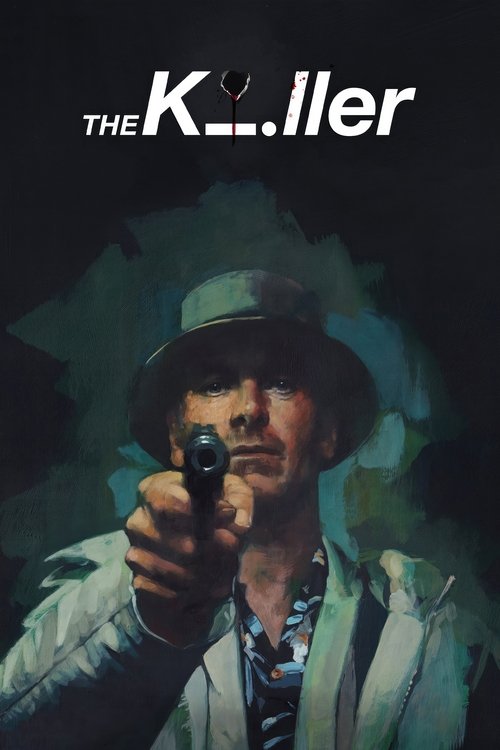
The Killer2023
Fincher's latest: a hitman examining his own code and conscience. Darkly funny, formally precise, and surprisingly intimate despite the violence. Great if you want something recent and cerebral.
But Dialogue-heavy and introspective. The violence is infrequent and matter-of-fact rather than balletic or cathartic.
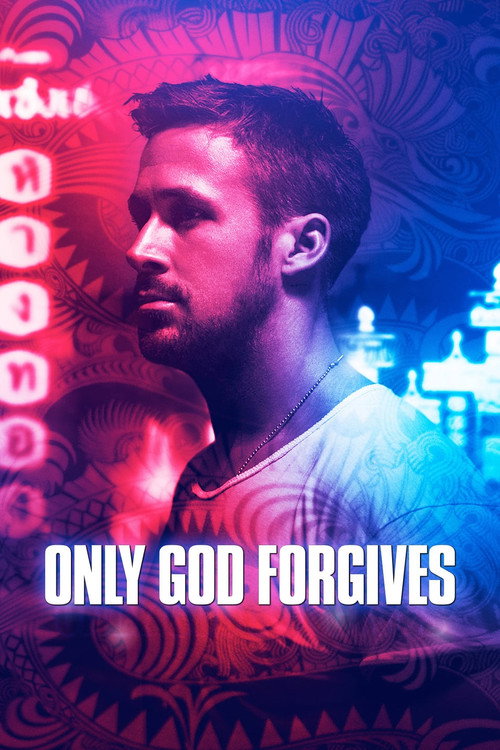
Only God Forgives2013
The same fascination with a beautiful killer who cannot escape his nature, rendered in lurid colour and melancholic silence rather than action heroics.
Ryan Gosling in Bangkok, barely speaking, moving through neon shadows. A meditation on masculine violence, guilt, and the impossibility of redemption. Formally stunning and genuinely strange.
But It's a Refn art film: 90 minutes of mood and image over plot. If you need dialogue or narrative momentum, you'll find it punishing and pretentious.
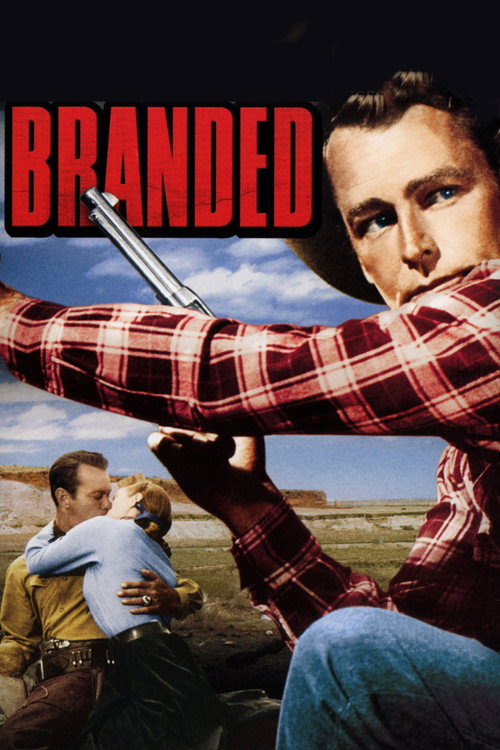
Branded1950
Both explore conscience as a liability in a world run by violence. The central character is trapped by his own code, and the woman he loves becomes collateral damage to larger forces.
A noir about a ex-Marine framed for a murder, caught between crime syndicates in LA. Taut, morally complicated, and visually stunning. Alan Ladd is perfectly cast as the wronged man forced to act against his conscience.
But It's 1950s noir: black and white, deliberately plotted, and emotionally restrained. No spectacle, no music, just men in hats deciding whether to kill.
People
Cast
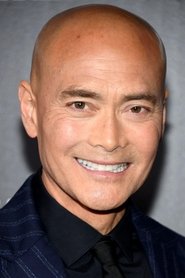 Mark DacascosYo Hinomura / Freeman
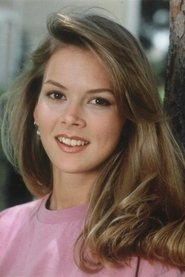 Julie CondraEmu O'Hara
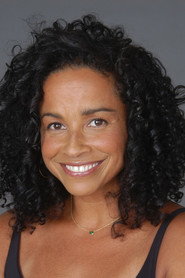 Rae Dawn ChongDetective Forge
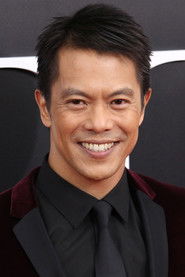 Byron MannKoh
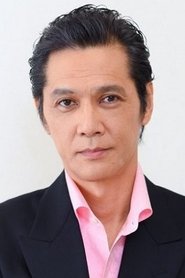 Masaya KatōRyuji Hanada
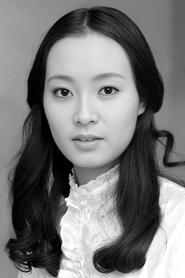 Yoko ShimadaLady Hanada
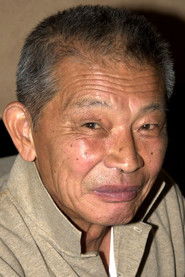 MakoShudo Shimazaki
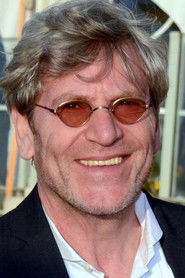 Tchéky KaryoDetective Netah
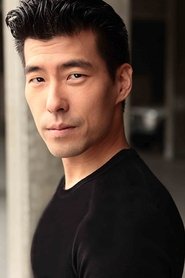 Kevan OhtsjiTakeshi Shimazaki
 Debbie PodowskiCustoms Agent
- Murray LowryHead Customs Agent
- Mikal TangKoh's Driver
Directing
- Christophe GansDirector
- Benjamin RosenbergFirst Assistant Director
- Holly AtchisonScript Supervisor
Writing
- Kazuo KoikeComic Book
- Ryoichi IkegamiComic Book
- Christophe GansScreenplay
- Roger AvaryScreenplay
- Thierry CazalsScreenplay
Production
- PoPing AuYeungCasting
- Rick MontgomeryCasting
- Takashige IchiseExecutive Producer
- Victor HadidaExecutive Producer
- Greg JacksonLocation Manager
- Brian YuznaProducer
- Mitsuru KurosawaProducer
- Samuel HadidaProducer
- Helen MaCombProduction Coordinator
- David RowellProduction Manager