
Film
Godzilla, Mothra and King Ghidorah: Giant Monsters All-Out Attack
Isao Takamaki's 2001 Godzilla film reframes the monster as a vessel for Japanese wartime guilt, animated by the vengeful spirits of victims. It's visually inventive and tonally strange—part family melodrama, part national reckoning, entirely committed to the idea that Godzilla is what Japan deserves. Supernatural and surprisingly heavy.
Should you watch it?
Watch it if you want a kaiju film that treats its monsters as myth and mourning, where the spectacle is braided with wartime guilt and a daughter's search for her father.
Skip it if you want your monster movie light and quick, because much of the running time goes to wartime history and family strain before the creatures take centre stage.
What it asks of you: Roughly an hour and three-quarters of mostly unhurried investigation and gloom, with the spectacle arriving in bursts rather than a steady stream.
Not sure? Find tonight's pick in a minute.
If you liked this
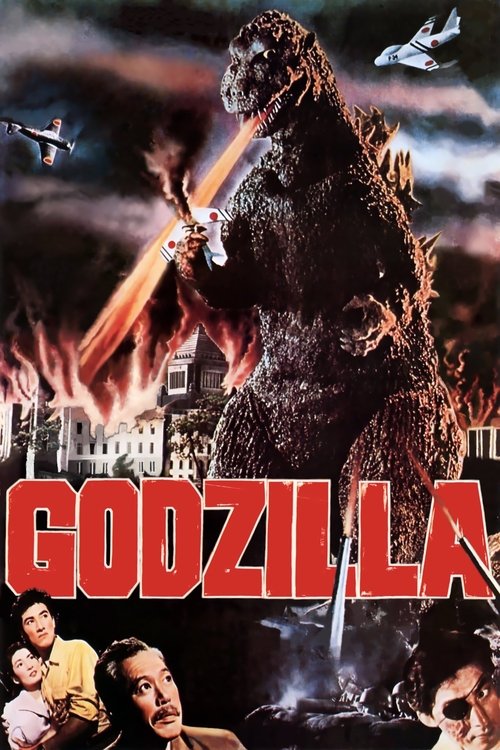
Godzilla1954
The original that invented the template. Toshiro Mifune commands a film about nuclear horror that works as both monster spectacle and postwar trauma. Essential viewing to understand what came after.
But Black and white, slow by modern standards, and the human drama occasionally overshadows the monster. Patience required.
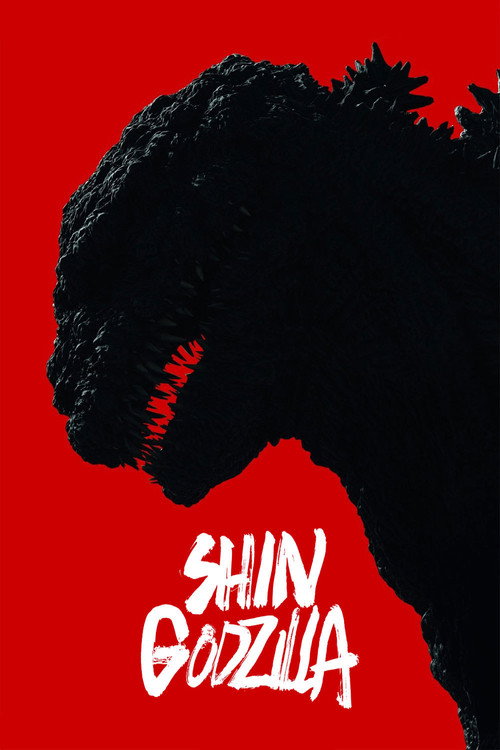
Shin Godzilla2016
Hideaki Anno's maximalist reinvention treats Godzilla as a national crisis to be managed by bureaucrats. Visually stunning, darkly funny, and equally obsessed with how Japan processes catastrophe.
But Nearly three hours of people in rooms discussing procedure. The monster itself is more abstraction than character. Demands serious attention.
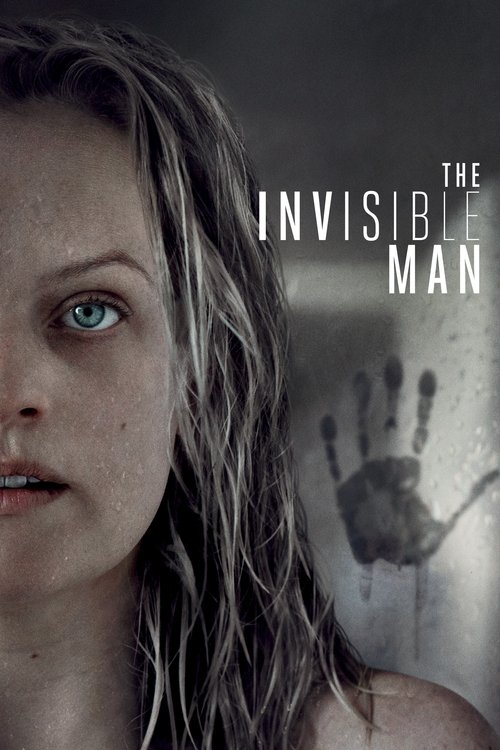
The Invisible Man2020
Leigh Whannell's remake uses genre mechanics to explore domestic terror and invisible violence. Like GMK, it weaponizes the fantastic to talk about real suffering that others refuse to see.
But Relentlessly tense and claustrophobic. The social commentary doesn't lighten the mood. Not cathartic.
Not sure tonight? Get a pick in a minute, starting from Godzilla, Mothra and King Ghidorah: Giant Monsters All-Out Attack
The wildcard
Something you would not have found on your own.
Harakiri1962
Both use a national legend—samurai honor, Godzilla—to argue that Japan cannot escape its own history. Both suggest that beauty and tragedy are inseparable.
Masaki Kobayashi's masterpiece about ritual, honor, and the cruelty of systems that demand pointless sacrifice. It's a samurai film that uses the form to interrogate itself. Like GMK, it suggests that Japan's past will destroy the present until it's genuinely reckoned with.
But Three hours of mounting dread with no catharsis. The violence is sudden and brutal. Visually austere. This is not a film that makes you feel better.

More like this (7)
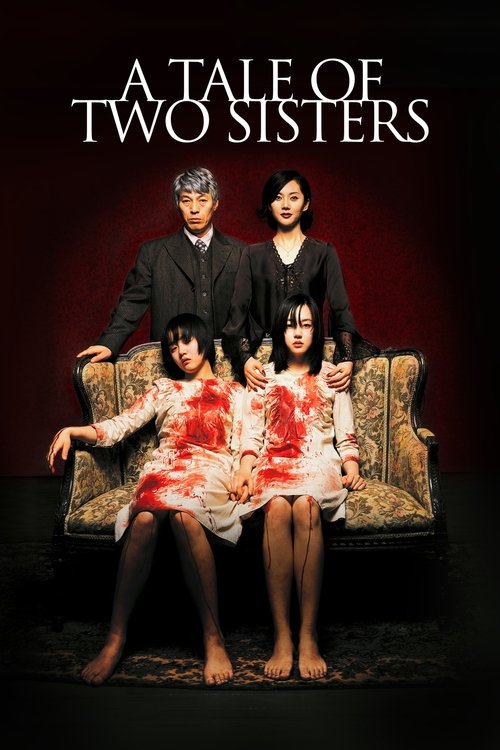
A Tale of Two Sisters2003
Kim Jee-woon's Korean horror film uses supernatural imagery to visualize family trauma and guilt. Like GMK, it trusts the audience to read the metaphor without spelling it out.
But Deliberately cryptic plotting. Some viewers will find the ambiguity frustrating rather than elegant. Requires active interpretation.
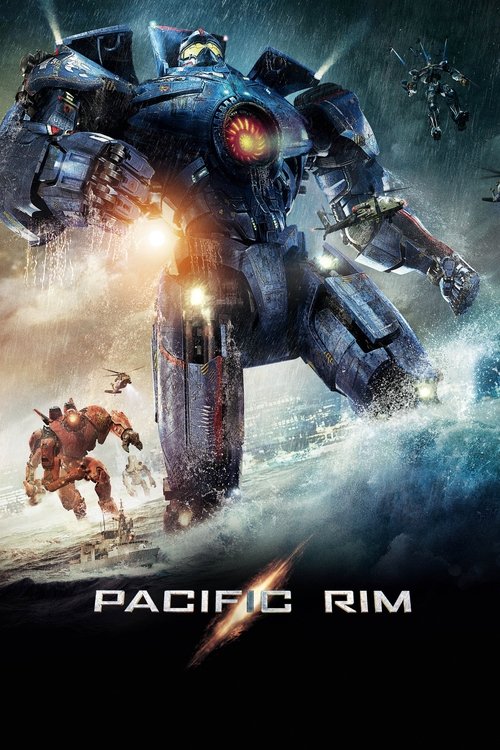
Pacific Rim2013
Guillermo del Toro's giant monster film that actually loves its monsters and takes the human cost of their battles seriously. Fun spectacle with genuine stakes.
But Straightforward in its emotional logic—no subtext, all text. Cheerful where GMK is haunted. Different tools entirely.
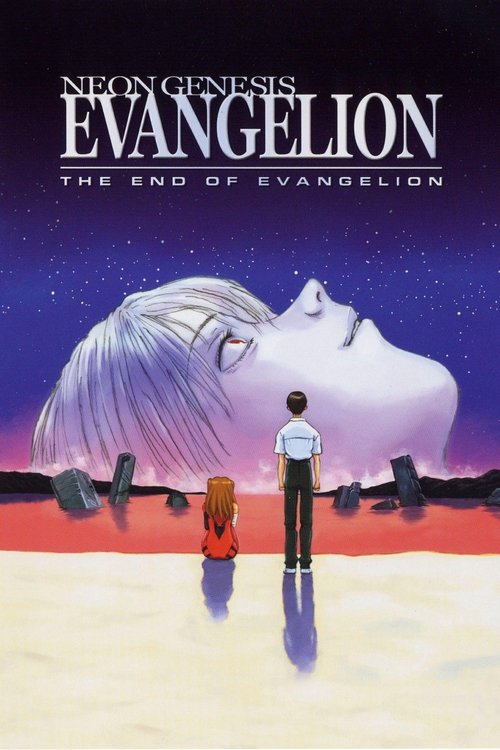
Neon Genesis Evangelion: The End of Evangelion1997
Hideaki Anno's assault on his own creation, turning giant robots into vessels for depression and national despair. Transgressive, ugly, and unforgettable. Shares GMK's willingness to let the fantastic say dangerous things.
But Graphic and disturbing in ways unrelated to spectacle. Deliberately alienating. Not entertainment in any conventional sense.
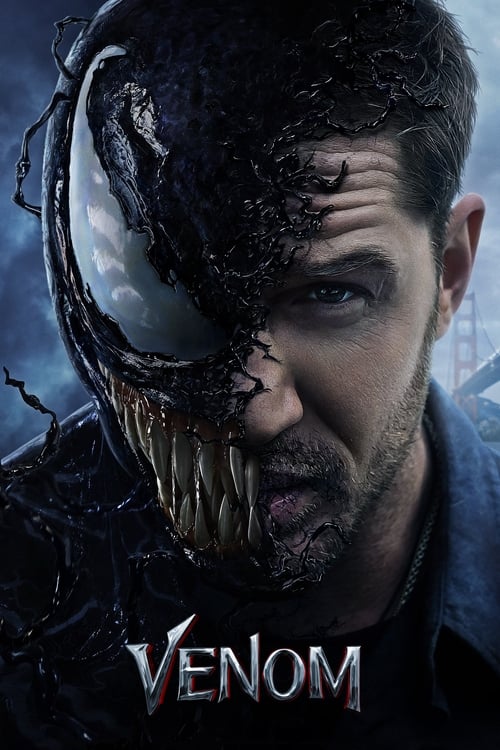
Venom2018
Ruben Fleischer's film treats its alien symbiote as a wronged creature worthy of sympathy. Goofy and sincere in equal measure, it plays with the idea that the monster might be more ethical than the humans.
But Tonal mess that never commits to either comedy or drama. The action feels obligatory. Lacks GMK's clarity of purpose.
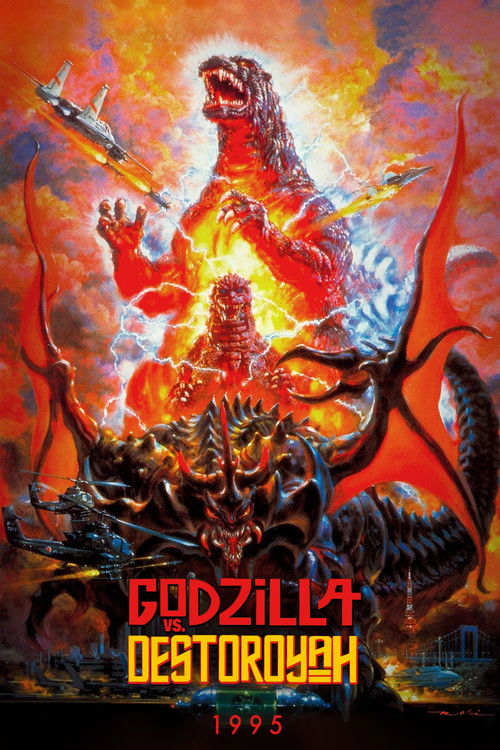
Godzilla vs. Destoroyah1995
The penultimate Showa-era film leans into apocalyptic melodrama and actual emotion. Kills off Godzilla—or tries to—and makes you feel it. Raw in a way most monster movies aren't.
But The emotional beats are earned through 22 previous films. Without that context, the climax lands on sentiment alone. Requires homework.
Nana2005
Both films treat an entire city as a living, destructive force. Both suggest that belonging somewhere means being consumed by it.
Daichi Matsushita's manga adaptation about two young women with the same name navigating Tokyo's music and fashion scenes. A total genre shift from GMK, but it has the same unsettling quality: beauty masking rot, and the sense that the city itself is a character with its own appetite.
But Sprawling, structurally loose, and ends ambiguously. If you need tight narrative, this will frustrate you. The romance melodrama will bore action fans.

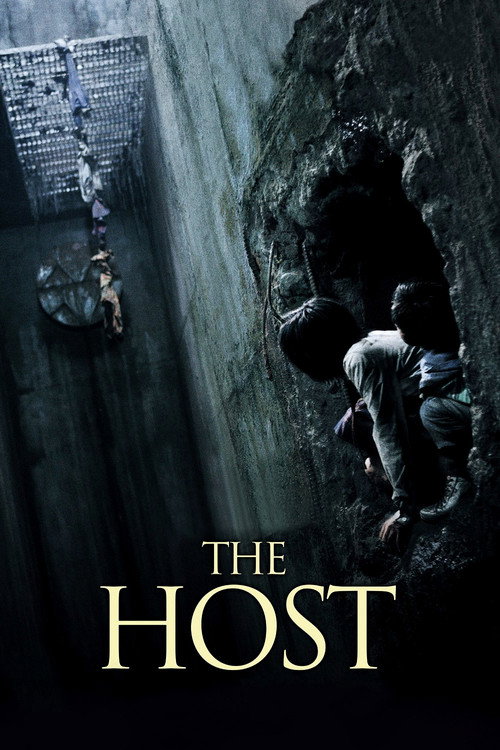
The Host2006
Both pit family against the state, with a monster as the collision point. Both suggest that environmental destruction has a price that can't be absorbed by the powerful alone.
Bong Joon-ho's monster film that's actually a family drama. A creature emerges from a polluted river and abducts a child; the family pursues it through Seoul. Like GMK, it uses the fantastic to talk about government failure, pollution, and the way ordinary people are sacrificed for institutional pride.
But Tonal whiplash—horror, comedy, and heartbreak in rapid succession. Some viewers experience this as dissonance rather than sophistication. The monster itself is less majestic than pathetic.
People
Cast
 Chiharu NiiyamaYuri Tachibana
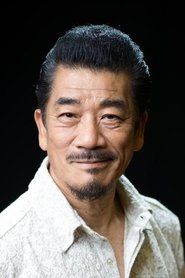 Ryudo UzakiSDF Adm. Taizô Tachibana
 Masahiro KobayashiTeruaki Takeda
 Shiro SanoHaruki Kadokura
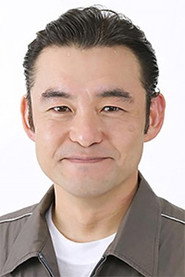 Takashi NishinaAD Aki Maruo
 Kaho MinamiSDF Intelligence Capt. Kumi Emori
 Shin'ya OhwadaSDF L:t. Gen. Katsumasa Mikumo
 Kunio MuraiSDF HQ Secretary Masato Hinogaki
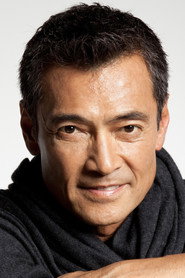 Hiroyuki WatanabeYutaka Hirose
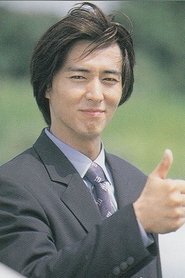 Shingo KatsurayamaSDF Intelligence Maj. Tokihiko Kobayakawa
 Toshikazu FukawaAdjutant Miyashita
 Ryo KaseFisher
Directing
- Makoto KumazawaAssistant Director
- Nozomu AidaAssistant Director
- Toshifumi ShimizuAssistant Director
- Shusuke KanekoDirector
- Hideaki MurakamiFirst Assistant Director
Writing
- Keiichi HasegawaScreenplay
- Masahiro YokotaniScreenplay
- Shusuke KanekoScreenplay
Production
- Ritsuko SuzukiAssociate Producer
- Tadao TanakaCasting
- Shogo TomiyamaExecutive Producer
- Hideyuki HonmaProducer
- Toshihiro OgawaProducer's Assistant
- Kiyomi KanazawaProduction Manager
- Mitsuharu MaedaProduction Manager
- Takahiro KawadaProduction Manager