
Film
The Lovers on the Bridge
A fever dream of a love story set on Paris's Pont Neuf during its renovation, following two homeless misfits—a circus dreamer and a painter going blind—as they spiral into each other across one transformative summer. Visually ravishing, emotionally reckless, and utterly committed to romance as salvation. For anyone who believes love can exist outside society's rules.
Should you watch it?
Watch it if you want a love story told through pure visual extravagance, where two damaged people reach for each other amid rain, drink and rough sleeping, and you don't mind the mythic overstatement.
Skip it if you need the story to move briskly, since this is slow, self-consciously romantic, and its emotional pitch can feel operatic rather than earned.
What it asks of you: It runs over two hours at a patient, drifting pace, and it wants you to sit with long stretches of grime and beauty before the feeling accumulates.
Not sure? Find tonight's pick in a minute.
If you liked this
La Haine1995
Another French masterpiece about outsiders in Paris, tracing 24 hours of three young men from the banlieue. Gritty where Lovers is dreamlike, but equally alive to how society abandons its own and how friendship survives it.
But Black and white cinematography and a punishing social realism might feel austere compared to Carax's swooning romanticism. The ending is deliberately bleak.

Under the Skin2014
Jonathan Glazer's hypnotic, sensual film about an alien moving through Scotland in human form. Like Lovers, it's about bodies, desire, and the friction between inner and outer worlds, told through mood and music rather than plot.
But Deliberately paced and cryptic. Long stretches of ambient dread and minimal dialogue will lose anyone wanting conventional narrative momentum or clarity.

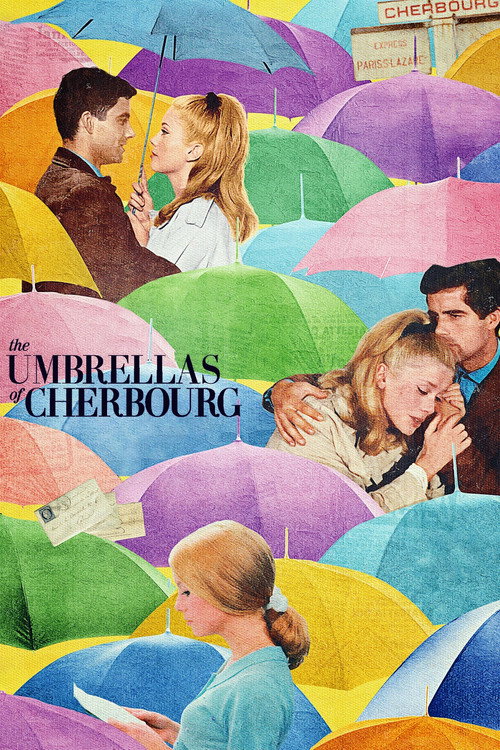
The Umbrellas of Cherbourg1964
A colour-soaked French romance about impossible love and chance meetings, driven by emotion and visual beauty over realism. Shares Lovers' conviction that cinema is where the heart goes to live.
But A musical in a heightened, artificial style. If you find melodrama cloying or resist colour-coordinated production design, this will feel like watching a very beautiful advertisement.
Not sure tonight? Get a pick in a minute, starting from The Lovers on the Bridge
The wildcard
Something you would not have found on your own.
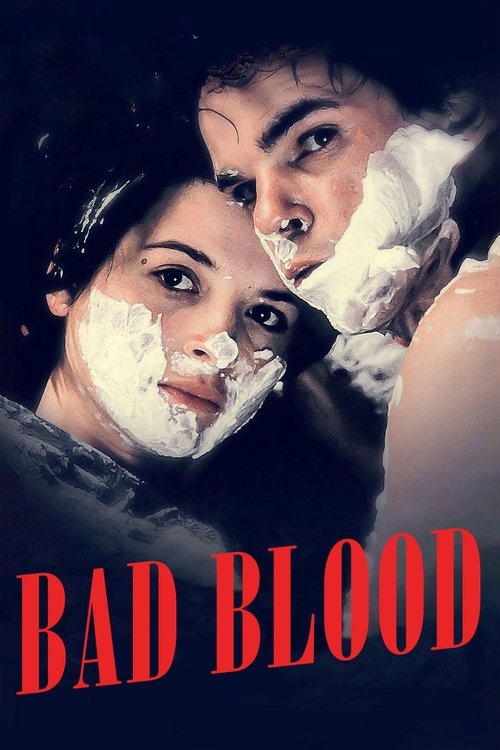
Mauvais Sang1986
Same director at the peak of his visionary period, exploring the identical theme: love as a rebellion against a world that wants you dead.
Carax's debut, a kinetic apocalyptic romance about two lovers on the run through a Paris on the edge of plague. Wildly stylish, deliberately artificial, it's the DNA that Lovers refines—same director, same Paris, same faith in cinema as a place where only love matters.
But Aggressively stylized, sometimes incoherent, with a synth score and visual language that can read as self-conscious. The melodrama is unironic, which some find insufferable rather than moving.
More like this (8)
Mulholland Drive2001
Lynch's love letter to Los Angeles and cinema itself, following two women through overlapping realities of desire and loss. Both films treat the city as a character and romance as a kind of beautiful madness.
But Deliberately fractured narrative that refuses to cohere. Three hours of atmosphere, doubling, and ambiguity will frustrate anyone wanting answers or a stable plot.

Stalker1979
Tarkovsky's meditative journey into a mysterious zone, as hypnotic and formally rigorous as Carax's film is delirious. Both move like dreams and treat the mundane world as sacred. Patience required; rewards immense.
But 163 minutes of slow cinema with minimal conventional drama. Long takes, philosophical voiceover, and an unwillingness to explain itself will tax anyone unprepared for Tarkovsky's pace.

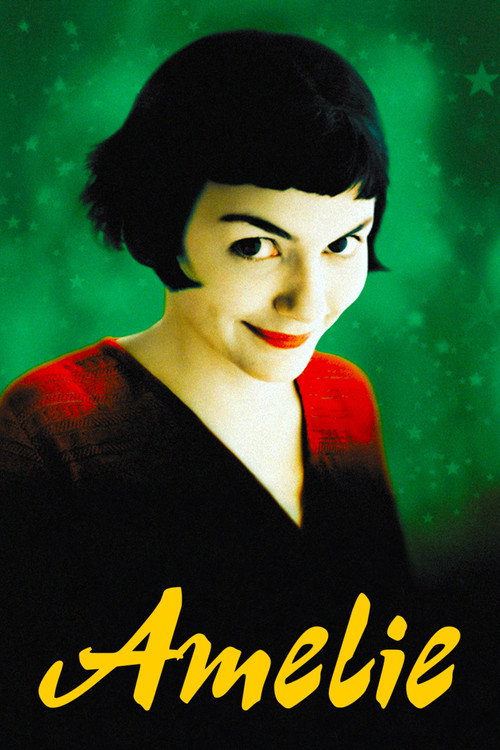
Amélie2001
Jeunet's whimsical Parisian romance, similarly painterly and devoted to outsiders finding magic in a beautiful city. A warmer, more playful cousin to Lovers' intensity, but from the same aesthetic lineage.
But Deliberately twee and fantastical in a way that feels saccharine to some. If you find the aesthetic cutesy or the philosophy superficial, it will grate fast.
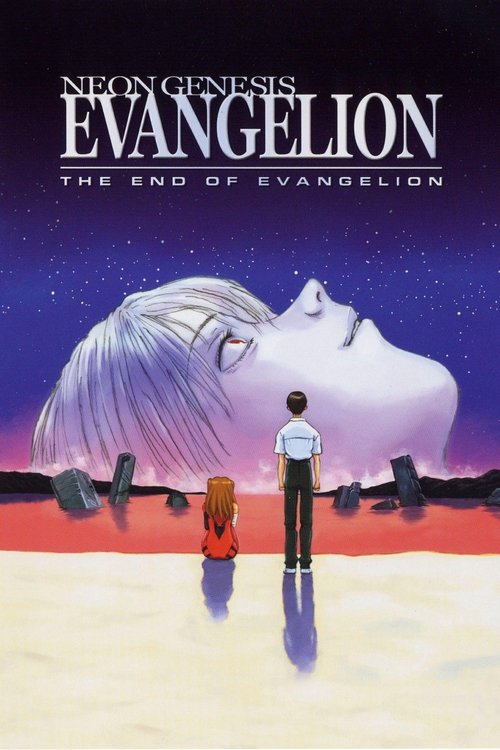
Neon Genesis Evangelion: The End of Evangelion1997
Anno's catastrophic, flesh-toned meditation on obsession, desire, and whether love can survive the end of the world. A different register, but equally uncompromising about sexuality, suffering, and connection as ends in themselves.
But Graphic sexual and violent imagery, a difficult tonal whiplash between bombast and quietude, and a nihilistic worldview. The film's discomfort is the point, which doesn't make it easier to sit with.
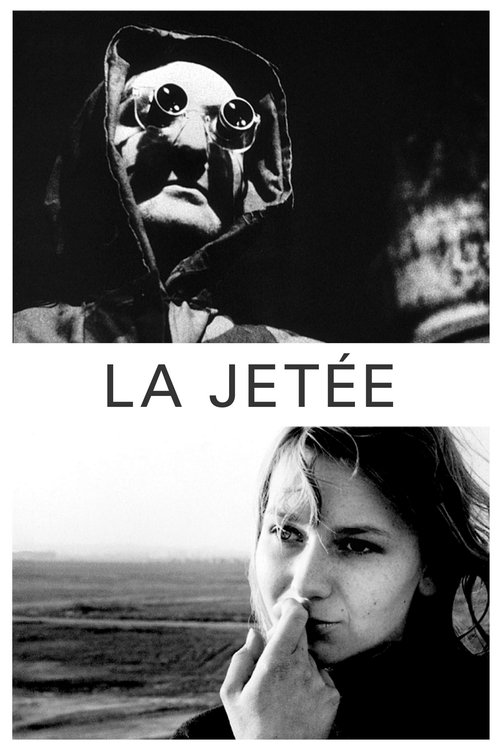
La Jetée1962
Marker's thirty-minute sci-fi poem told almost entirely in still images, narrated like memory itself. A parallel exploration of how cinema captures love, loss, and time—dense, strange, and entirely its own thing.
But A photo-montage with voiceover is structurally unlike anything most viewers expect. Some find it closer to essay than narrative, and the pacing takes adjustment.
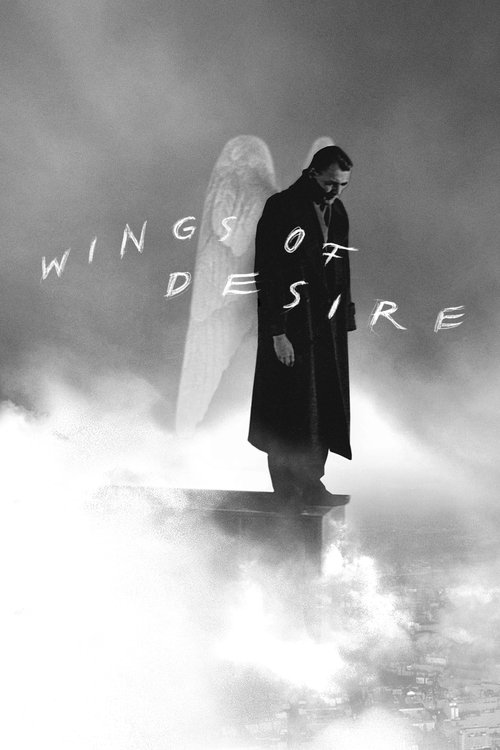
Wings of Desire1987
Wenders' poetic observation of Berlin and mortality through the eyes of angels. Shares Lovers' romanticism about marginal bodies and cities, the idea that beauty survives in damaged places.
But Episodic, meditative, without conventional plot. Three hours of observation and philosophy will feel aimless to those wanting dramatic structure or character arc.
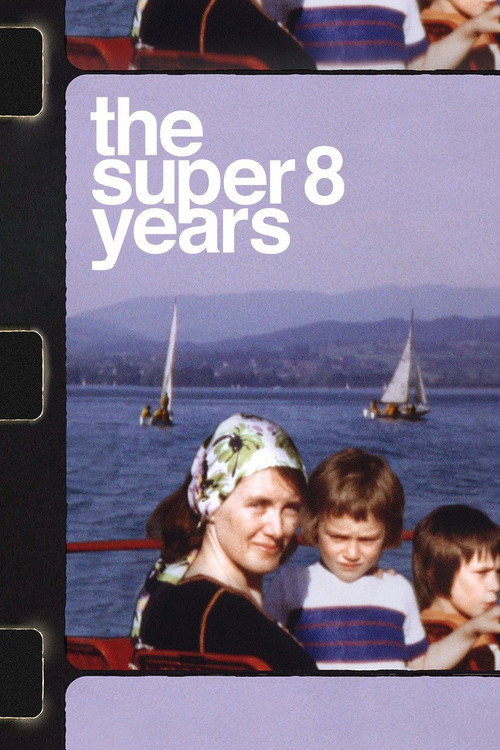
The Super 8 Years2022
Both use cinema to dignify bodies and lives the outside world ignores—one through fantasy, one through documentary. Both insist on watching without judgment or distance.
A documentary assembled from Ernaux's private Super 8 footage of family life and rural France in the 1970s. Grainy, intimate, and devastatingly alive to how cinema captures what we cannot say. Its intimacy with damaged, ordinary bodies resonates with Lovers' refusal to look away.
But Technically rough and deliberately so. No traditional narrative, no plot, just accumulated moments. Demands patience and a tolerance for watching domestic footage without framing or interpretation.
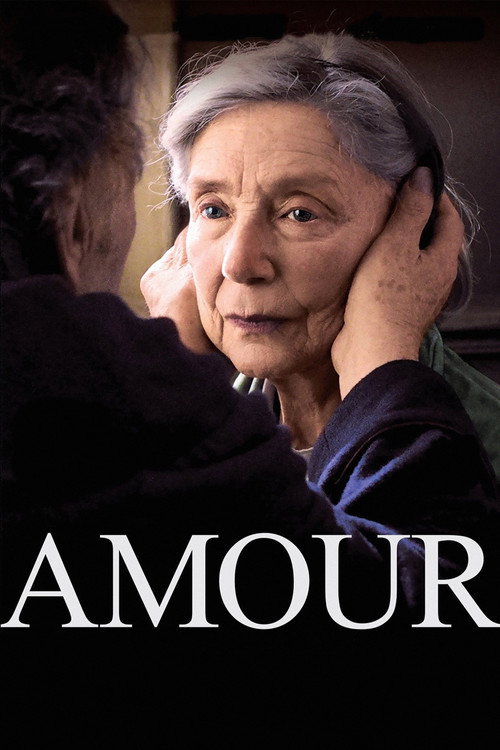
Amour2012
Both films refuse to separate love from the body—but Lovers celebrates the body as vessel for transcendence, while Amour watches it fail and asks whether love survives its ruin.
Haneke's devastating portrait of a couple facing terminal illness and the slow collapse of the body. Where Lovers treats love as ecstatic and outside time, Amour traces it through exhaustion and decay—the inverse argument, same subject.
But Deeply uncomfortable, showing bodily suffering and medical reality without sentiment. Some will find it punishingly bleak, and the extended final act will feel voyeuristic rather than moving.
People
Cast
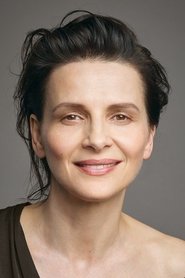 Juliette BinocheMichèle Stalens
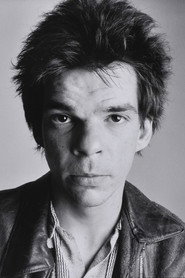 Denis LavantAlex
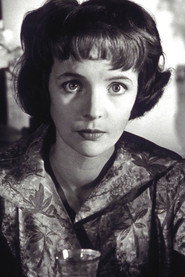 Édith ScobCouple in car
- Georges AperghisCouple in car
- Daniel BuainAlex's friend
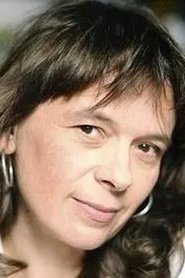 Marion StalensMarion
- Chrichan LarssonJulien
- Paulette BerthonnierSailor / Barge operator
- Roger BerthonnierSailor / Barge operator
- Michel VandestienFireman
- Georges CastorpUn endormi
Directing
- Leos CaraxDirector
Writing
- Leos CaraxWriter
Production
- Philippe LévyAdministration
- Alain DahanAssociate Producer
- Bernard ArtiguesAssociate Producer
- Albert PrévostExecutive Producer
- Hervé TruffautExecutive Producer
- Christian FechnerProducer