
Film
The Super 8 Years
- Slow-burning
Annie Ernaux excavates her own Super 8 home videos from the 1970s—family holidays, children playing, domestic moments—and layers them with narration that transforms private memory into social history. It's a quietly mesmerizing essay film about class, time and how we document ourselves. Archival footage becomes evidence. What felt intimate when filmed reveals something larger about an era and a moment.
Should you watch it?
Watch it if you like memory pieces that read a family's holiday footage as evidence of class, and you're happy to let a writer's measured voice do the interpreting of silent, grainy images.
Skip it if you need people talking on screen or a plot to follow, since this is silent home movie footage held together by one narrator's reflections on the past.
What it asks of you: Sixty-three minutes, unhurried and mostly quiet; the grain of the old film and the narrator's steady voice ask you to slow down and drift.
Not sure? Find tonight's pick in a minute.
If you liked this
Moonlight2016
A film that understands how to find the universal in intimate moments—the texture of specific lives, the weight of unspoken things. It shares Ernaux's gift for letting small gestures carry enormous emotional and social meaning.
But Very quiet and interior. If you need plot momentum or dialogue to drive you forward, this will feel slow and withholding.

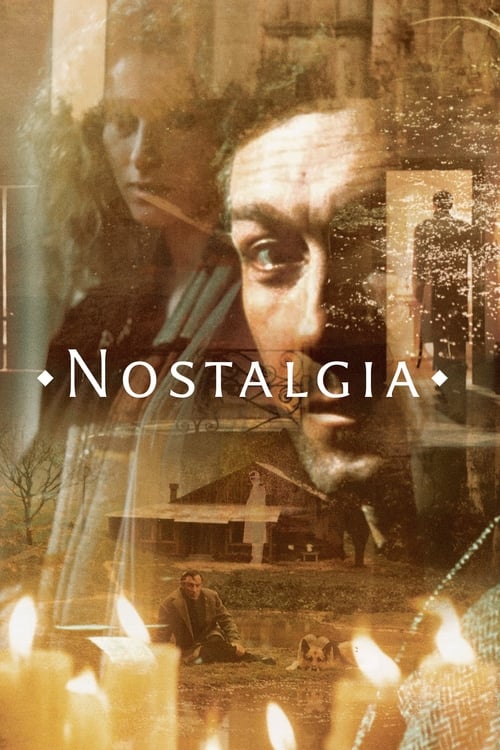
Nostalgia1983
Tarkovsky's meditative masterpiece about memory, displacement, and the weight of the past. Like Ernaux, it trusts silence and duration to do the work. It finds the profound in images held longer than you expect.
But Long, patient, deliberately slow. Not for viewers who need story or dialogue to feel engaged. The beauty is austere, not comforting.
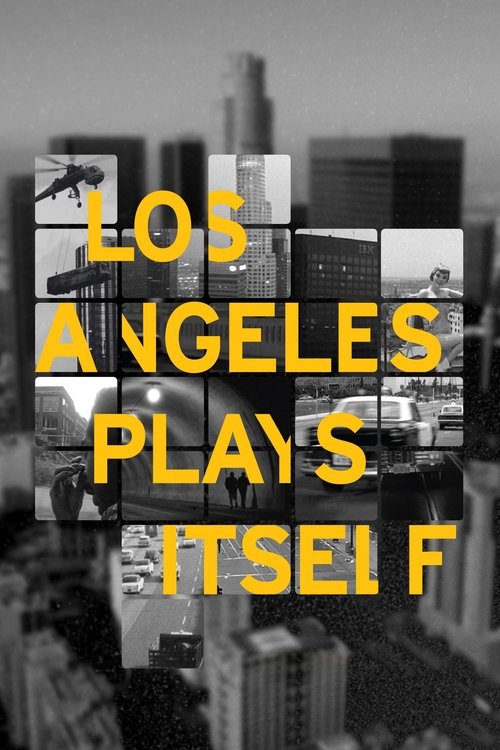
Los Angeles Plays Itself2004
An essay film that layers archive footage with narration to examine how cinema has shaped our understanding of a place. It shares Ernaux's method: found images become arguments about culture and seeing.
But Dense with film references. You'll get more from it if you know cinema history, though it works as pure image-essay too. Some find it dry.
Not sure tonight? Get a pick in a minute, starting from The Super 8 Years
The wildcard
Something you would not have found on your own.
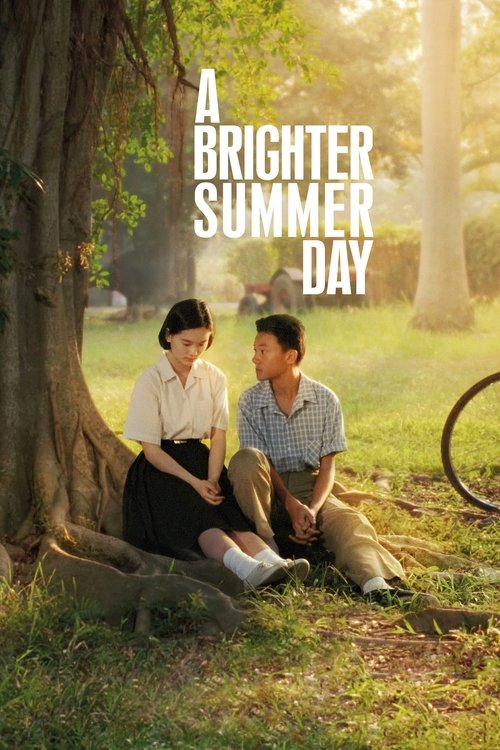
A Brighter Summer Day1991
Both use personal or family material to examine class, time, and what it means to document a moment before it vanishes. Both are interested in the social weight of the everyday.
Edward Yang's four-hour epic captures an entire society—1960s Taiwan—through the coming-of-age story of one teenage boy. Like Ernaux, it uses intimate personal drama to document a historical moment with anthropological precision. The texture of a time.
But Absolutely demands your patience. Four hours, subtitled, and the narrative accumulates gradually. Many viewers find the length and pacing tests their commitment.
More like this (5)
Sans Soleil1983
Chris Marker's essay film weaves travel footage, still images, and voice-over into a meditation on memory, loss, and how cinema records time. It's the spiritual ancestor of what Ernaux does here—personal material as historical witness.
But Highly associative and poetic rather than narrative. The connections aren't always clear. It requires active watching and rewards it unevenly.

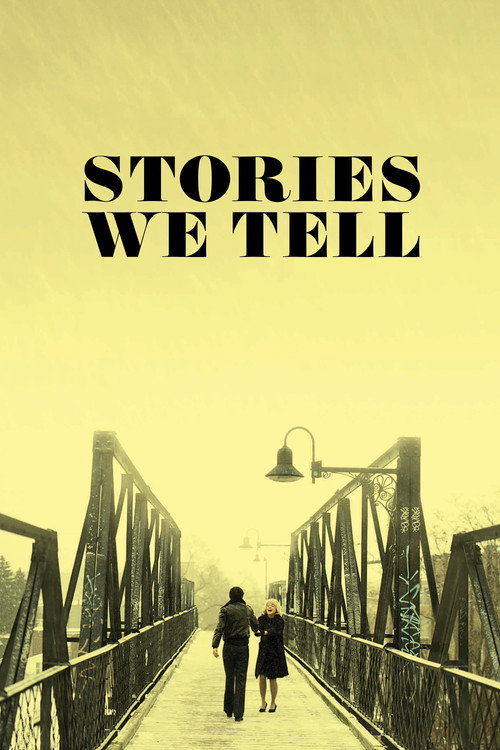
Stories We Tell2012
Michael Greenwood reconstructs his family's past from home video, photographs, and interviews, discovering that memory is collaborative and unreliable. A tender film about how we narrate ourselves to ourselves.
But Emotionally demanding in ways that sneak up on you. The family dynamics can feel claustrophobic. Some viewers find the style self-conscious.
The Act of Killing2012
Like Ernaux, it uses archival and found footage to make violence and history visible. It's about what we choose to remember and how we perform our past. Deeply unsettling but unforgettable.
But Extremely difficult. It documents real atrocity and asks perpetrators to reenact it. Watching is necessary but not comfortable.

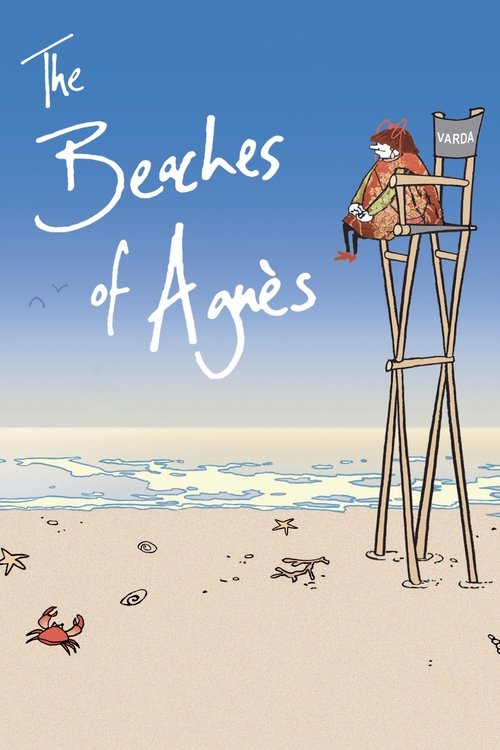
The Beaches of Agnès2008
Agnès Varda's essay about her own life and art, filmed with playfulness and colour. It's personal filmmaking about memory and legacy, though far more experimental and joyful in tone than Ernaux.
But Loosely structured and deliberately idiosyncratic. Some readers want more conventional narrative or deeper reflection. It can feel slight if you want something heavier.
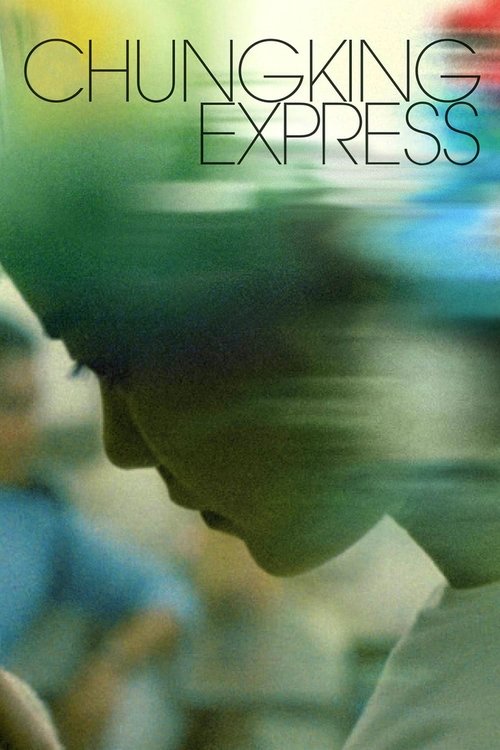
Chungking Express1994
Both films are obsessed with texture and the visual language of a specific era. Both believe that how something looks and feels matters as much as what happens. Both are elegies for time passing.
Wong Kar-wai's dazzling film is saturated with colour and texture—it's about memory, loss, and the way a place holds time. It's the opposite of Ernaux in tone (vivid, romantic, hyperactive) but asks the same question: how does cinema capture what a moment feels like?
But The style can overwhelm substance. The romance is melancholic in ways some find slight. If you need clarity or forward momentum, the dreamlike pacing will frustrate.
People
Cast
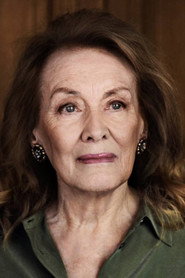 Annie ErnauxSelf (archive footage) / Narrator (voice)
Directing
- Annie ErnauxDirector
- David Ernaux-BriotDirector
Writing
- Annie ErnauxWriter
Production
- David ThionProducer
- Philippe MartinProducer