
Film
The Beaches of Agnès
- Biopic
- Slow-burning
Agnès Varda, the visionary French director, turns her camera on herself in this playful, digressive memoir. Part interview, part archive footage, part imaginative reconstruction, it dances through decades of cinema history, love, and friendship with the warmth of someone who knows her life has been worth documenting. Essential viewing for film lovers; vital for anyone curious how a life gets lived in cinema.
If you liked this
Singin' in the Rain1952
The pure, uncomplicated joy of filmmaking itself. Gene Kelly and Donald O'Connor remind us why cinema began: movement, music, color, delight. Varda loved this energy her entire life.
But It's a musical from the 1950s, and if you're resistant to that era's style, the artifice might feel dated rather than joyful.

Contempt1963
Godard's meditation on cinema, art, and marriage captures the intellectual ferment of the French New Wave that shaped Varda's generation. A film about filmmakers questioning what cinema is for.
But It's deliberately cool and distant; passion burns quietly. If you want emotional directness, Godard withholds it.

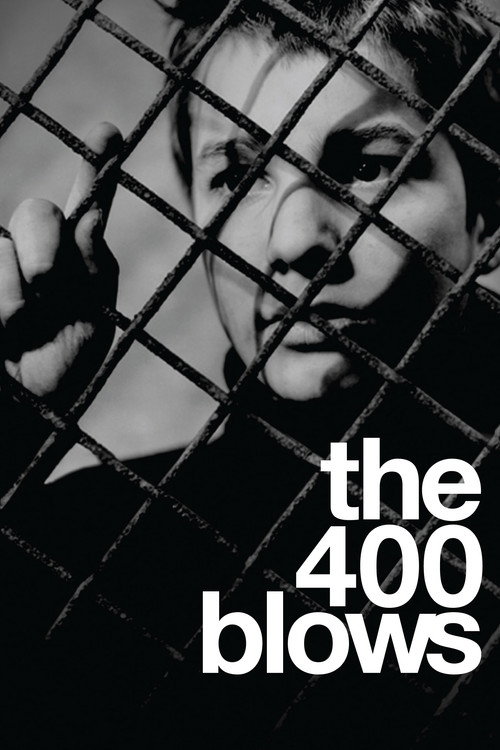
The 400 Blows1959
Truffaut's debut is tender, observant, and human in exactly the way the New Wave redefined cinema. It shows you what cinema could do when it stopped pretending and started watching.
But The pacing is deliberate and the film asks for patience. Modern audiences sometimes find it slow, which misses the point entirely.
Not sure tonight? Get a pick in a minute, starting from The Beaches of Agnès
The wildcard
Something you would not have found on your own.
Synecdoche, New York2008
Both are self-portraits that use cinema's grammar to ask whether a life can ever be fully captured—whether the attempt itself becomes the life worth living.
Kaufman makes a film about an artist creating an autobiography that becomes impossible to separate from life itself. The structural DNA mirrors Varda's self-portrait—playful, painful, recursive, true.
But It's baroque and overwhelming, often frustrating. The film's artificiality can feel exhausting rather than liberating.

More like this (8)
Sans Soleil1983
Chris Marker's essayistic documentary thinks the way Varda does: tangentially, associatively, following curiosity rather than argument. A meditation on memory, image, and what we choose to record.
But It's genuinely difficult. No narrative spine, no clear argument. It rewards active viewing and punishes passive watching.

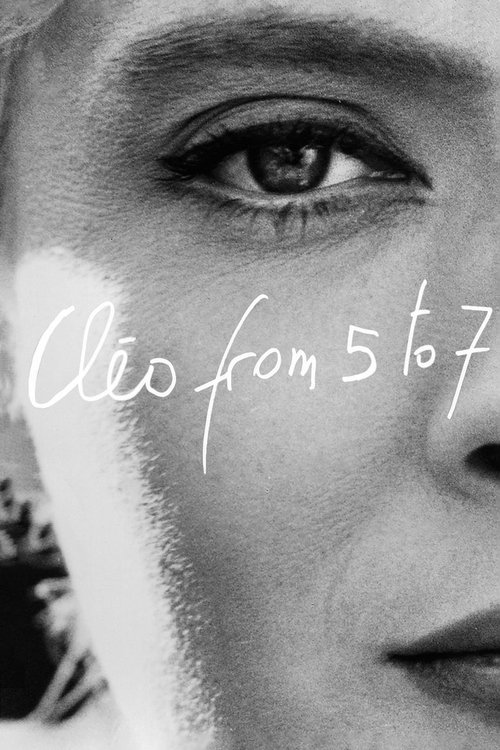
Cléo from 5 to 71962
Varda's own masterpiece, showing a woman moving through Paris in real time, thinking and becoming. Essential context for understanding her voice and her era's possibility.
But It's structurally simple—just ninety minutes of a woman's thoughts. If you need plot, you'll find this frustrating.
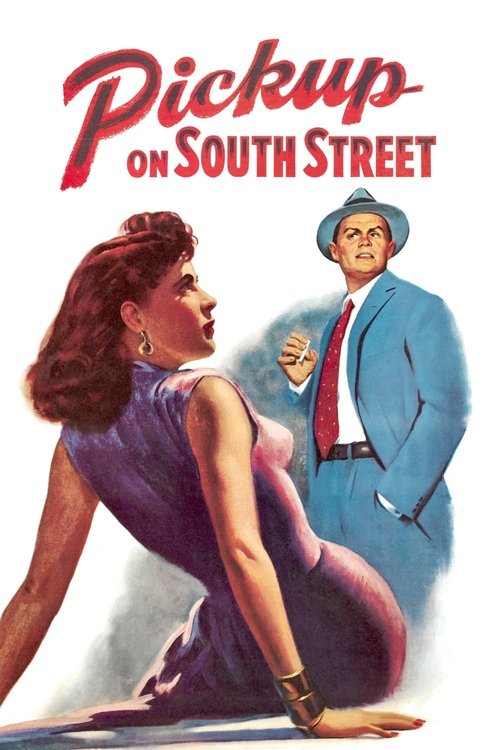
Pickup on South Street1953
Fuller's pulp thriller about working people and petty crime shows cinema can be intellectually alive while remaining visceral. A model for how style and substance marry.
But The sexual politics and racial attitudes are of their era and can feel jarring. You'll need to watch it as history, not as a contemporary work.
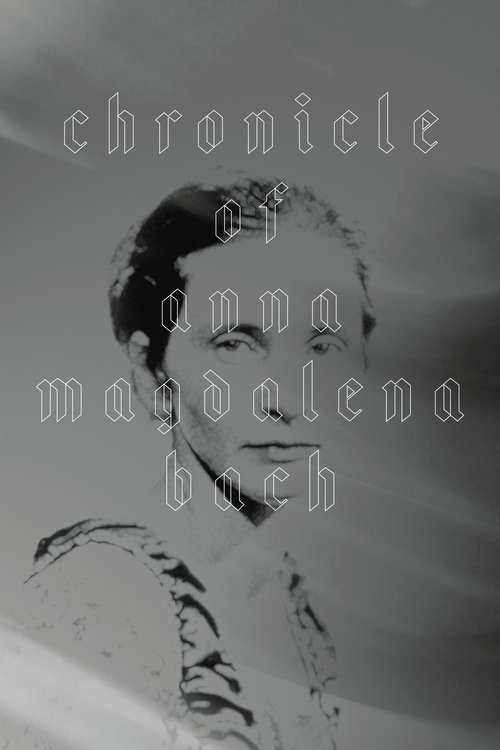
Chronicle of Anna Magdalena Bach1968
Straub-Huillet's radical Bach documentary experiments with form in ways that parallel Varda's playfulness—how do you film music, memory, time? A masterwork of visual thinking.
But It's austere, almost abstract. The music is everything; if you're not ready for that, the film will seem forbiddingly remote.
In the Mirror of the City1975
Tarkovsky's memory-collage uses archive footage and dream-logic to examine a life. Like Varda, he trusts cinema to hold contradictions and refuses to explain what he shows.
But It's seventeen minutes shy of three hours and operates in pure reverie. It demands you abandon plot-hunger entirely.
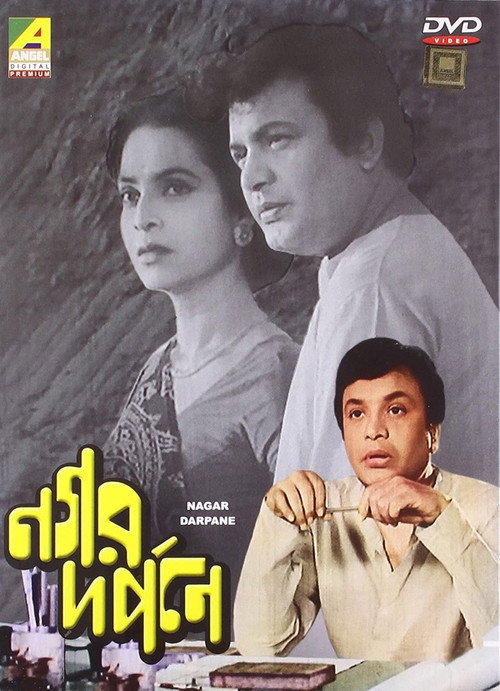
Jeanne Dielman, 23, quai du Commerce, 1080 Bruxelles1976
Chantal Akerman's three-hour chronicle of a woman's daily routines is a feminist reclamation of cinema's ability to find cinema in the ordinary. Radical in its refusal of spectacle.
But It's extremely slow and almost completely static. If you need incident, you will find this genuinely tedious.

Mulholland Drive2001
Both filmmakers use media fragments and dream-logic to reconstruct identity and the possibility of truth in cinema.
Lynch's Los Angeles dream blends documentary and fantasy, archive and fiction, memory and invention. Like Varda, he uses cinema to ask what's true when the camera is on.
But It's deliberately obscure about what's real and what isn't. If you need clarity, Lynch will punish you for asking.

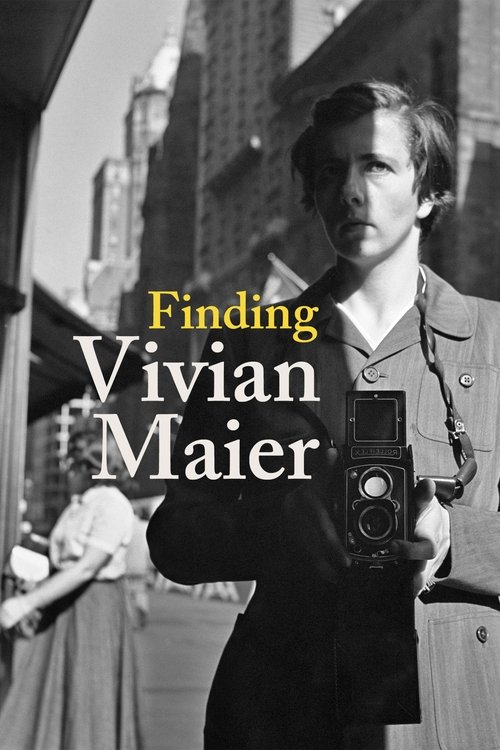
Finding Vivian Maier2014
Both works interrogate how much a life can be known through its art, and what remains private even when everything is preserved.
A documentary about an undiscovered photographer discovered through thousands of hidden negatives. It asks who has the right to tell a life story and what gets lost when art is private.
But The mystery of identity becomes frustrating because real answers stay hidden. You'll want resolution the film refuses to give.
People
Cast
 Agnès VardaSelf
- André LubranoSelf
- Blaise FournierSelf
- Vincent FournierSelf
- Andrée VilarSelf
- Stéphane VilarSelf
- Christophe VilarSelf
 Rosalie VardaSelf
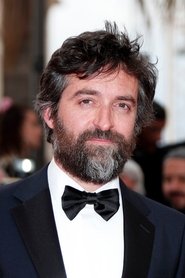 Mathieu DemySelf
- Mireille HenrioSelf
- Didier RougetSelf
Directing
- Julia FabryAssistant Director
- Marjolaine GrandjeanAssistant Director
- Agnès VardaDirector
- Benjamin BlancFirst Assistant Director
Writing
- Agnès VardaWriter
- Didier RougetWriter
Production
- Tom TaplinExecutive Producer
- Lisa Blok-LinsonLine Producer
- Agnès VardaProducer
- Cecilia RoseProduction Executive