
Film
Mishima: A Life in Four Chapters
- Biopic
- Very dark
Paul Schrader's audacious biopic weaves Yukio Mishima's life through dramatized scenes from his novels, building toward his actual death in 1970. Visually stunning and formally restless, it's a portrait of artistic obsession, masculinity, and the gap between creative vision and lived reality. For those drawn to cinema as art first, narrative second.
Should you watch it?
Watch it if you love films that braid a writer's life with his own fiction, letting stylized color set pieces and austere ritual carry the emotional weight rather than plot.
Skip it if you want a conventional biopic with linear events and straightforward explanations; its shifts between invented novel scenes and real history can feel abrupt and deliberately withholding.
What it asks of you: It runs about two hours, moves in deliberate, formal stretches, and needs patience while its chapters stack up, rewarding attention more than momentum.
Not sure? Find tonight's pick in a minute.
If you liked this
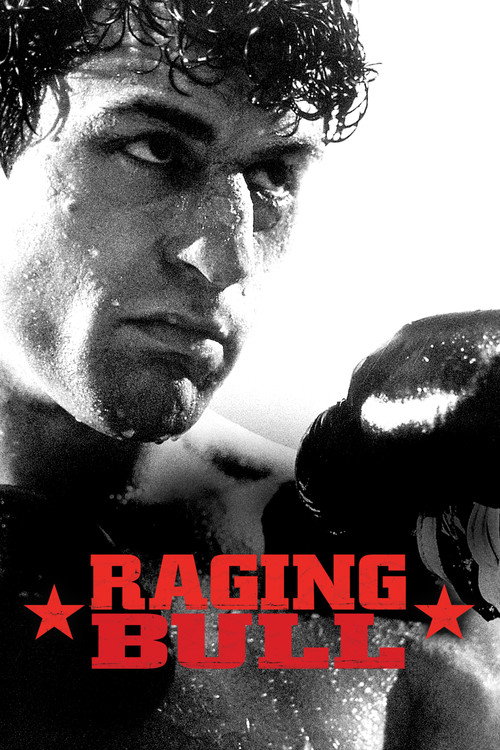
Raging Bull1980
Schrader's spiritual peer Scorsese made his own artist-as-madman epic. Black-and-white intensity, extreme physicality, and a protagonist whose genius and monstrosity are inseparable. If you love Mishima's formal ambition, this has it.
But Nearly three hours of a boxer destroying himself and everyone near him. Punishing rather than cathartic, and deliberately ugly in ways that don't soften.
Contempt1963
Godard's film about a director making a film—another exploration of art consuming life. Brigitte Bardot, gorgeous color cinematography, philosophical dialogue about beauty and betrayal. The DNA of meta-cinema flows here.
But It's a Godard essay-film. Long conversations about cinema theory, and a plot that exists more as pretext. Some find it maddening rather than fascinating.

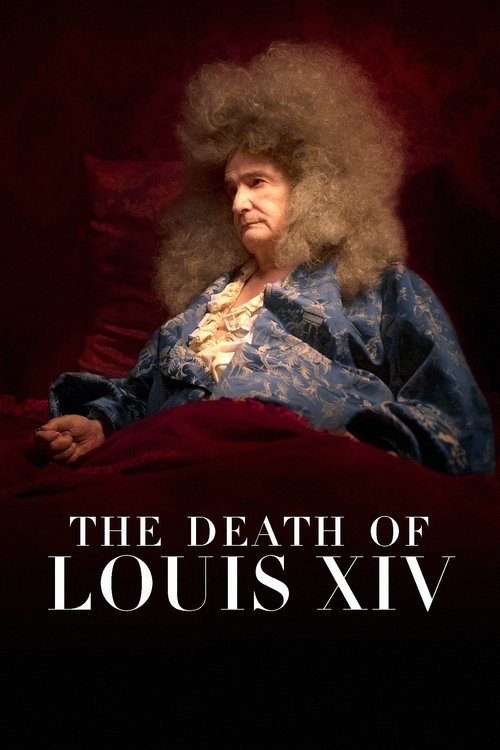
The Death of Louis XIV2016
Albert Serra's lockdown chamber piece watches a king die in real time—formal, meditative, obsessed with the rituals surrounding mortality and power. It shares Mishima's fascination with ceremony and the aesthetics of ending.
But Genuinely austere and slow. If you need conventional drama, this will feel glacial and remote, no matter how hypnotic it becomes.
Not sure tonight? Get a pick in a minute, starting from Mishima: A Life in Four Chapters
The wildcard
Something you would not have found on your own.
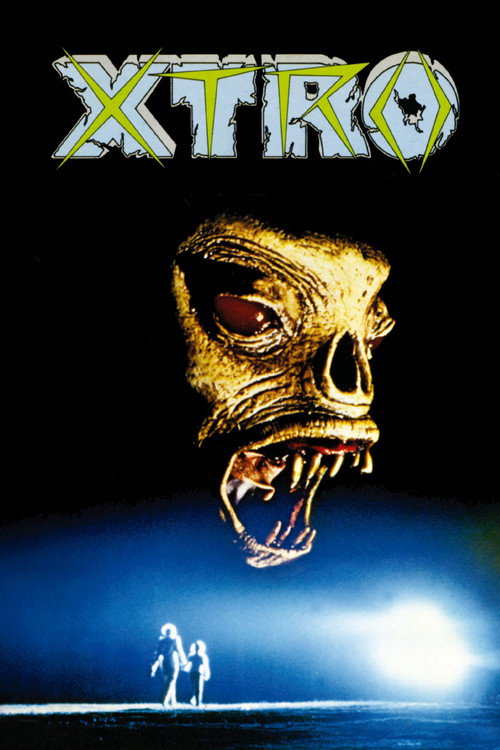
Xtro1982
Both films treat the body as a site of extreme transformation and spectacle. Both resist narrative clarity for visceral impact. Both artists worship at the altar of transgression over meaning.
Harry Bromley Davenport's unhinged sci-fi horror about an alien that wears human skin. Visually grotesque, erotically charged, formally bizarre. A complete maverick film from 1982 that shares Mishima's refusal of restraint and obsession with the body as text.
But It's deliberately nasty, pornographic, and incoherent. The plot is secondary to the images. If you want sense or good taste, you will not find it here.
More like this (8)
Tokyo Story1953
Ozu's masterpiece observes Japanese family life with quiet precision and grace. Handheld static frames, minimal plot, profound emotional depth. A different way of seeing Japan, though Japanese cinema at its most measured and wise.
But The opposite of Mishima's visual flair. Gentle and patient where Mishima is aggressive. You need to attune yourself to its rhythm rather than meet it halfway.

A Prophet2009
Jacques Audiard's French prison drama about a young man who transforms through will, charisma, and strategic brilliance. Explores how ideology and performance can remake a person. Gripping, morally complex, visually inventive.
But It's a prison film with violence and corruption. If you're looking for something more philosophical or formally experimental, this is genre-grounded and plot-driven.

Synecdoche, New York2008
Charlie Kaufman's fractured meditation on an artist building an elaborate theatrical world. Recursive, self-consuming, formally chaotic. A contemporary American filmmaker wrestling with the same obsession-versus-life conflict Schrader explored.
But It collapses in on itself deliberately. Many find it pretentious or exhausting rather than profound. Structure dissolves, and not everyone wants that.

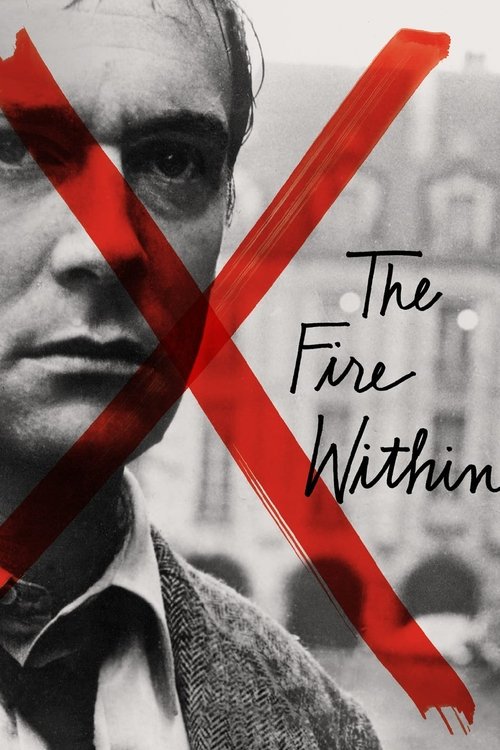
The Fire Within1963
Louis Malle's portrait of depression and suicide from inside. Tender and unflinching, observing a man's final weeks without judgment. Quiet, devastating, essential cinema about the human cost of disconnection.
But It's a suicide film with no redemption arc. Deliberately bleak and finally unbearable, even at 100 minutes. Not for when you need hope.
Harakiri1962
Masaki Kobayashi's masterpiece about honor and ritual in samurai Japan. Devastating critique of bushido mythology delivered through black-and-white cinematography of extraordinary formal beauty. Japanese cinema at its most severe and moving.
But It's long, slow, and structurally spare. The emotional payoff demands patience. If you want action or conventional narrative momentum, you'll lose it.

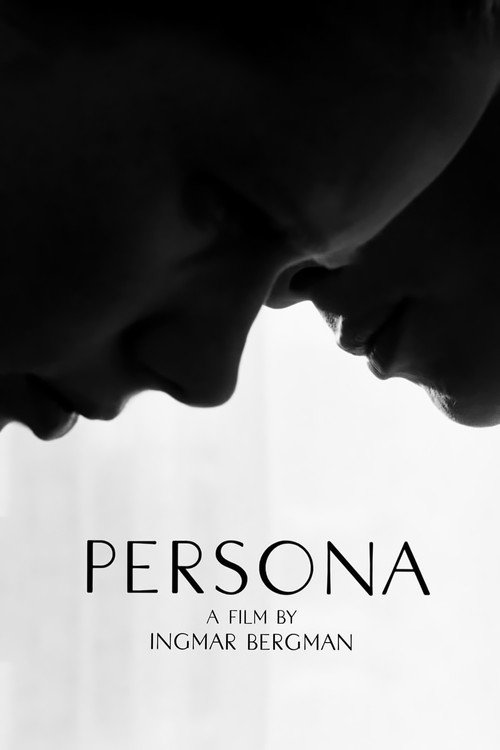
Persona1966
Bergman's chamber piece about an actress who stops speaking and a nurse who falls into her silence. Identity, performance, and the void between people. Hypnotic, formally daring, remains mysterious after many viewings.
But Deliberately cryptic and slow. Two women in a room for 80 minutes. Some find it pretentious; others find it opens new possibilities for cinema.
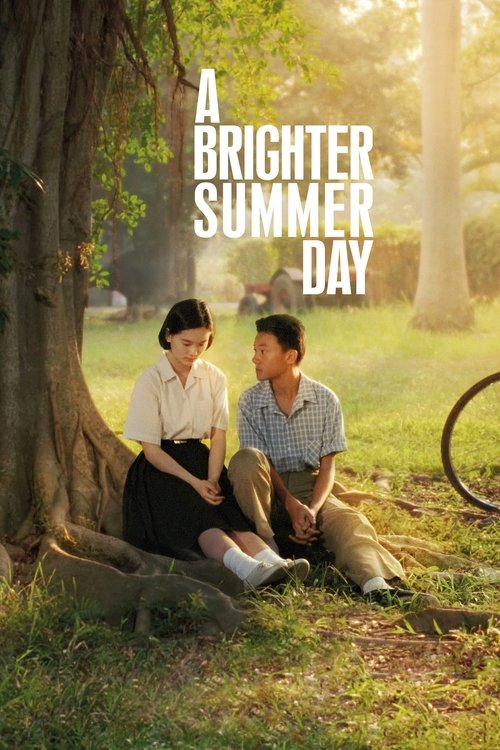
A Brighter Summer Day1991
Both use formal complexity (multiple narrative timelines, embedded stories) to explore how ideology corrupts young men. Both are about beauty and destruction intertwined. Both demand active engagement rather than passive viewing.
Edward Yang's four-hour Taiwanese epic about adolescent gang violence and lost innocence. Dense, novelistic, formally complex—color, black-and-white sequences, naturalistic dialogue. A cinema of accumulation and moral ambiguity that recalls Mishima's structural audacity.
But At 237 minutes, it's a commitment. Non-linear, many characters, Mandarin dialogue if you're watching in original. Some find it glacial rather than immersive.
The Ballad of Little Jo1993
Like Mishima, it treats identity as performance and reinvention as both liberation and death. Both films suggest that authenticity may be a fiction we perform better than others. Both explore masculinity and its masks rather than accepting it as given.
Maggie Greenwald's revisionist Western about a woman who passes as a man in 1870s Montana. Quiet, precise, morally intricate. Gender and performance as survival strategy. An American independent film that interrogates identity and reinvention with Mishima-like rigor.
But It's a feminist Western that refuses both victimhood and heroics. Deliberately restrained. Some want more anger; others find its understatement insufficient compensation for slow pacing.

People
Cast
 Ken OgataYukio Mishima
 Masayuki ShionoyaMorita
 Hiroshi MikamiCadet #1
- Junya FukudaCadet #2
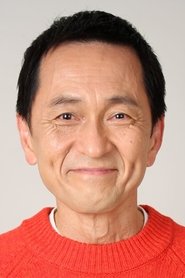 Yuu TokuiCadet #3
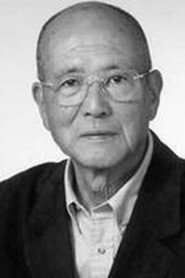 Junkichi OrimotoGeneral Mashita
 Naoko OhtaniMother
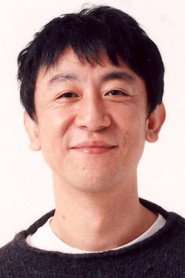 Go RijuMishima, Age 18-19
- Masato AizawaMishima, Age 9-14
- Yuki NagaharaMishima, Age 5
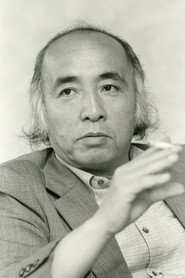 Kyuzo KobayashiLiterary Friend
 Yuki KitazumeDancing Friend
Directing
- Paul SchraderDirector
- Koichi NakajimaFirst Assistant Director
- Hisashi TômaSecond Assistant Director
- Takayoshi BunaiSecond Assistant Director
- Yasuo MatsumotoSecond Assistant Director
Writing
- Yukio MishimaNovel
- Chieko SchraderScreenplay
- Jun ShiragiScreenplay
- Chieko SchraderWriter
- Leonard SchraderWriter
- Paul SchraderWriter
Production
- Francis Ford CoppolaExecutive Producer
- George LucasExecutive Producer
- Yosuke MizunoLine Producer
- Mataichirô YamamotoProducer
- Tom LuddyProducer
Recommended by
Marry Me, Neon Genesis Evangelion: The End of Evangelion, Caravaggio