
Film
Godzilla Against MechaGodzilla
A 2002 Japanese kaiju film where the military builds MechaGodzilla from the bones of the original monster to fight a new Godzilla. It's lean, technically impressive action cinema with surprising emotional weight—a meditation on legacy and self-worth dressed in giant robot battles. For fans of practical effects, Japanese genre cinema, and monster movies that take themselves seriously.
Should you watch it?
Watch it if you want a lean, old-fashioned monster brawl with a bit of melancholy under the rubble, and you don't mind practical-effects charm and a tight 88 minutes.
Skip it if you need a sleek, character-driven drama with real human stakes; the human side is thin, the monster fights are the point, and the dialogue can feel stiff.
What it asks of you: Under ninety minutes of steady pacing, with a lot of stomping and crowd-clearing in the middle and a serious tone you'll need to meet on its own terms.
Not sure? Find tonight's pick in a minute.
If you liked this
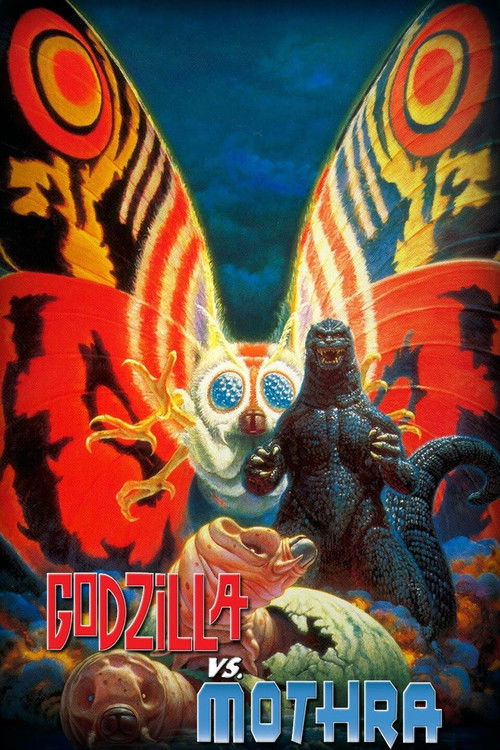
Godzilla vs. Mothra1992
The Heisei series at its most confident: spectacular monster choreography, genuine stakes, and a willingness to explore what these battles mean beyond spectacle. Pure craft.
But Heavy on Japanese political allegory and environmental messaging; pacing slows between set pieces. Subtitles required.
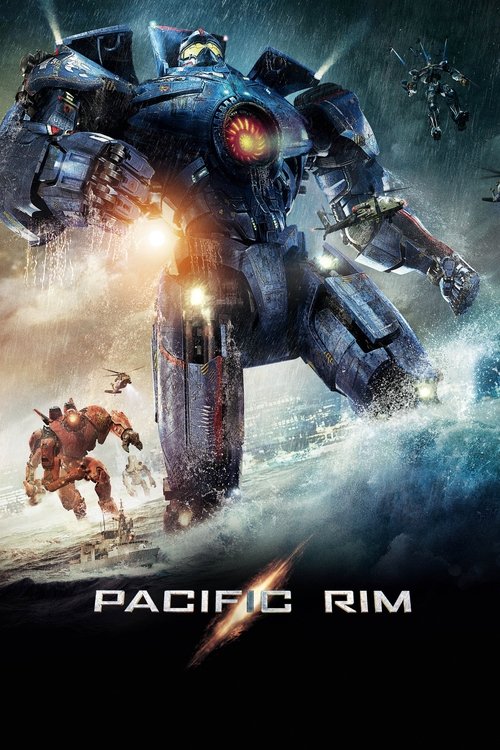
Pacific Rim2013
Giant robots fighting giant monsters with the same earnest scale and practical-heavy aesthetic you'll feel in MechaGodzilla. Guillermo del Toro understands what makes this work.
But The human drama is thinner than the metal. Dialogue can feel clunky, and the plot is straightforward to the point of predictability.
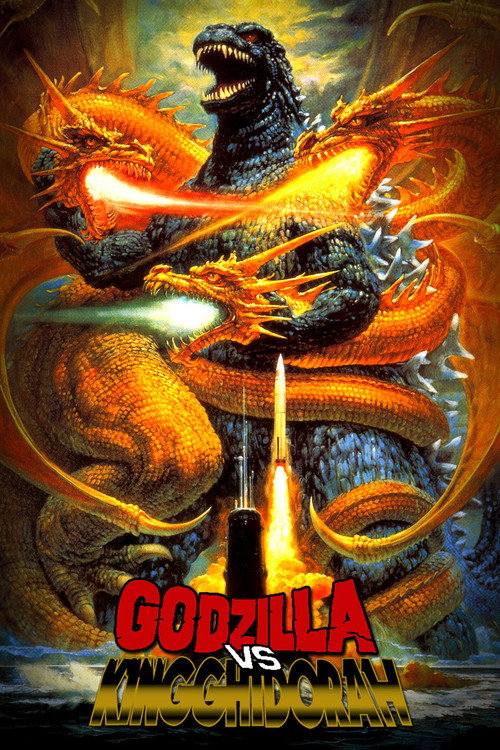
Godzilla vs. King Ghidorah1991
Time travel, three-headed monsters, and genuine emotional stakes about legacy and regret. The Heisei series' willingness to get weird and personal, not just loud.
But The editing is frenetic even by '90s standards. Some of the comedy doesn't land. Fair warning: the tonal shifts are abrupt.
Not sure tonight? Get a pick in a minute, starting from Godzilla Against MechaGodzilla
The wildcard
Something you would not have found on your own.
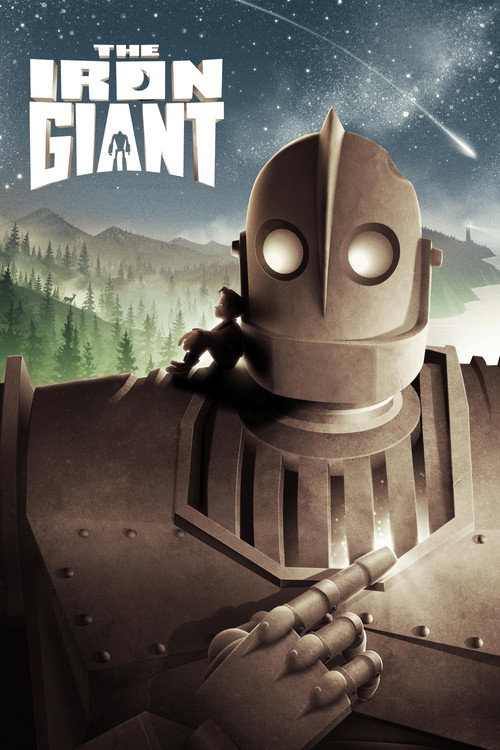
The Iron Giant1999
Both films hinge on machines built for war gaining or recovering consciousness and the humans who pilot/nurture them learning their own worth through that relationship.
Brad Bird's animated masterpiece about a boy and a Cold War weapon learning each other's humanity. It has MechaGodzilla's soul—a machine made for destruction learning to choose differently.
But It's animated, and some dismiss that as inherently lighter. It's also quiet in ways kaiju films rarely are. The ending will wreck you, but not with explosions.
More like this (6)
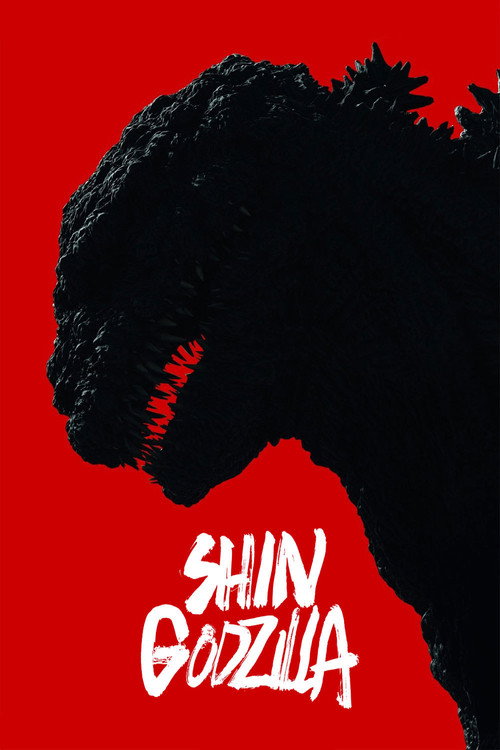
Shin Godzilla2016
Hideaki Anno's reinvention treats the monster as pure disaster and bureaucratic horror. Visually stunning, tense, and genuinely unsettling. Modern filmmaking serving classical stakes.
But Almost no character development. The monster barely moves in Act Two. If you want traditional monster-on-monster combat, this isn't it.
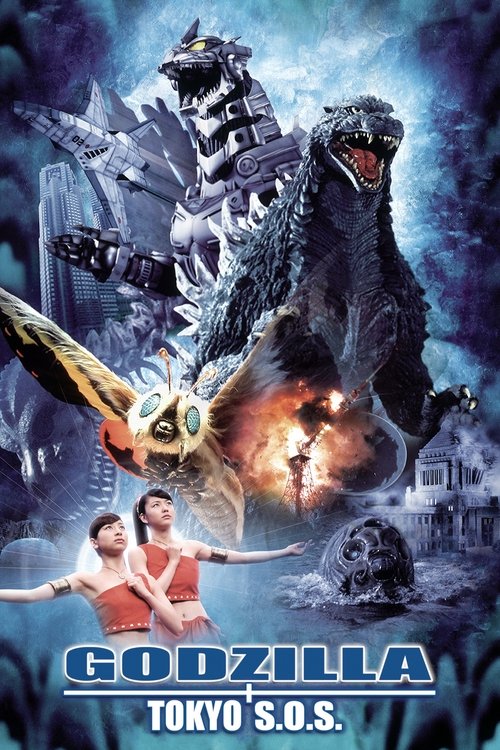
Godzilla: Tokyo S.O.S.2003
Direct spiritual sequel to MechaGodzilla with the same pilot returning. More lyrical, less interested in spectacle than emotional reckoning. A quietly devastating film about sacrifice.
But It's the slowest Godzilla film made. The monster fights are brief. If you're here for destruction, you'll feel shortchanged.
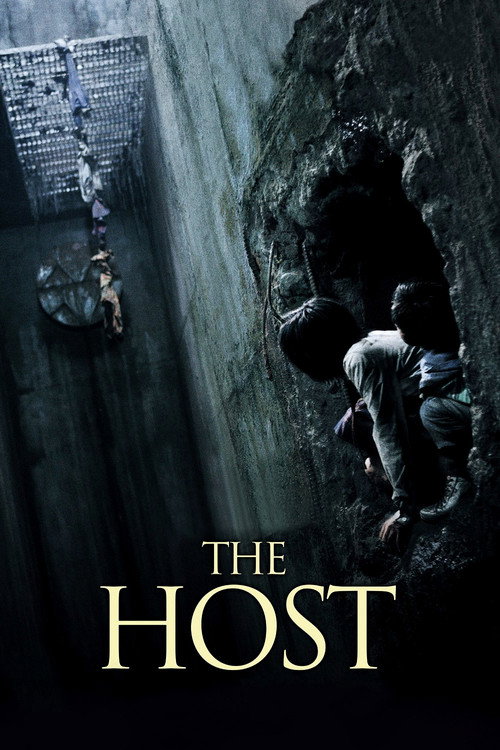
The Host2006
Bong Joon-ho's monster film uses the kaiju premise to explore family, class, and how institutions fail ordinary people. Genre filmmaking with genuine intelligence and heart.
But The monster design is deliberately ugly. Tonal whiplash between comedy, horror, and tragedy. It's not interested in being comforting.
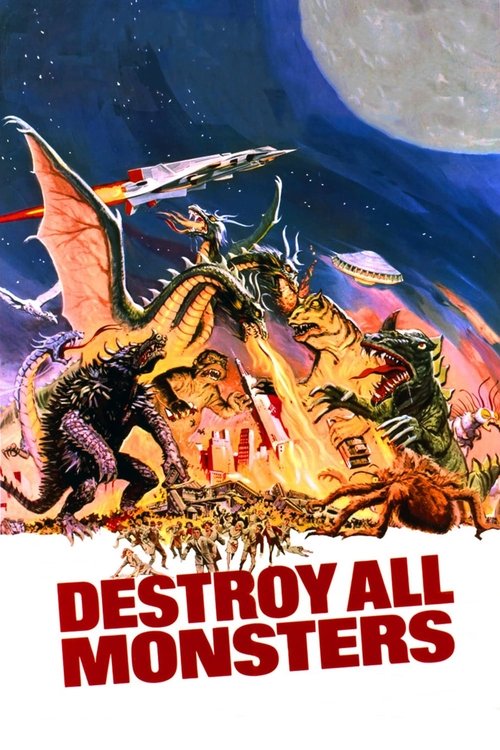
Destroy All Monsters1968
The original Showa series' grand statement: every monster, every scale of ambition, every bit of practical ingenuity Toho had built. A love letter to what came before.
But The plotting is thin. Most of the film is setup. The actual monster chaos is compressed into the final act, and the pacing feels quaint now.
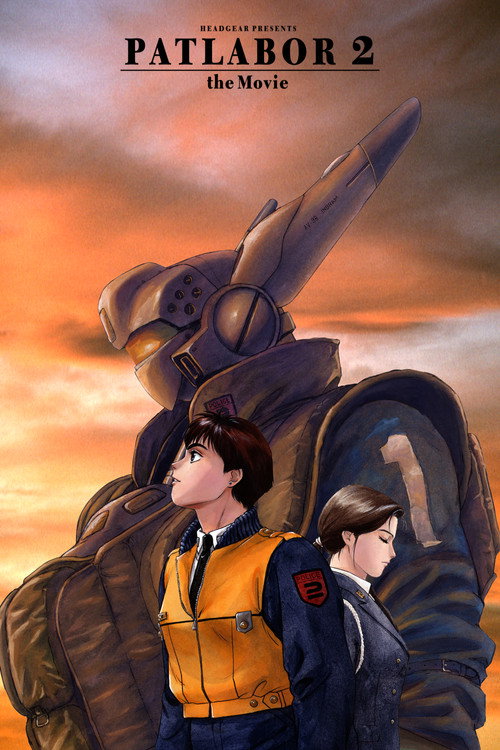
Patlabor 2: The Movie1993
Both use giant mechanical constructs as mirrors for questions about duty, sacrifice, and whether the individual can matter against institutional machinery.
Mamoru Oshii's giant robot film that prioritizes ideas about state power and individual morality over action. Gorgeously shot, philosophically patient, genuinely mysterious.
But Almost no traditional combat. Very little happens in conventional terms. It requires active intellectual engagement and rewards it slowly.
Harakiri1962
Both examine systems that sacrifice individuals in the name of larger purposes, and both ask whether there's dignity or only waste in that bargain. Both are about the cost of duty.
Masaki Kobayashi's masterwork about a samurai confronting empty codes and institutional cruelty. Formally stunning, morally devastating, and entirely in black and white. Japanese cinema at its most serious.
But No action in the modern sense. Long static shots of faces and architecture. The violence, when it comes, is brief and horrifying, not cathartic. It's about ritual, not spectacle.

People
Cast
 Yumiko ShakuAkane Yashiro
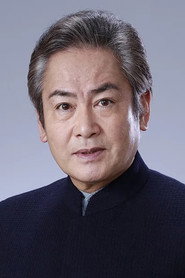 Shin TakumaTokumitsu Yuhara
- Kana OnoderaSara Yuhara
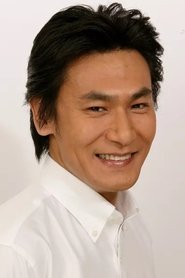 Koh TakasugiJSDF Lieutenant Togashi
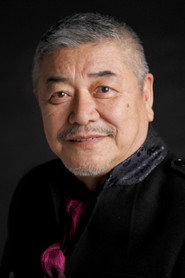 Akira Nakao2003 Prime Minister Hayato Igarashi
 Yûsuke TomoiJXSDF 2nd Lieutenant Susumu Hayama
- Junichi MizunoJXSDF 1st Lieutenant Kenji Sekine
 Kumi Mizuno1999 Prime Minister Machiko Tsuge
- Yoshikazu KanōHishinuma
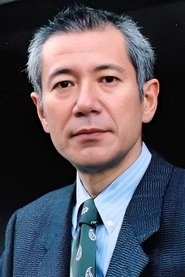 Takeo NakaharaJXSDF Chief Ichiyanagi
 Midori HagioKaori Yamada
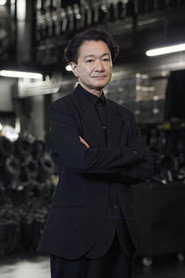 Akira ShiraiShinji Akamatsu
Directing
- Hiroshi OkamotoAssistant Director
- Kei HirotaAssistant Director
- Masaaki TezukaDirector
- Atsushi KaneshigeFirst Assistant Director
Writing
- Wataru MimuraScreenplay
Production
- Ritsuko SuzukiAssociate Producer
- Tadao TanakaCasting
- Takahide MorichiCo-Executive Producer
- Shogo TomiyamaExecutive Producer
- Kazunari YamanakaProducer's Assistant