
Film
Ultraman: The Next
A 2004 reinvention of the Ultraman franchise that grounds the giant-monster mythology in real family trauma. A fighter pilot, forced to reckon with his dying son and estranged wife, gains the power to transform into a titan—but the film is less interested in spectacle than in what it costs to be a hero when you're trying to be a father. Thoughtful, elegiac, and visually striking.
Should you watch it?
Watch it if you want a slow, earnest family drama about a father trying to be present, with giant-monster fights kept as occasional jolts rather than the point.
Skip it if you came for kaiju battles, since this one spends long stretches on domestic strain and sluggish pacing before any monster shows up.
What it asks of you: Settle in for a patient, mostly grounded runtime of about ninety-seven minutes, where the emotional beats land slowly and the spectacle comes in measured bursts.
Not sure? Find tonight's pick in a minute.
If you liked this
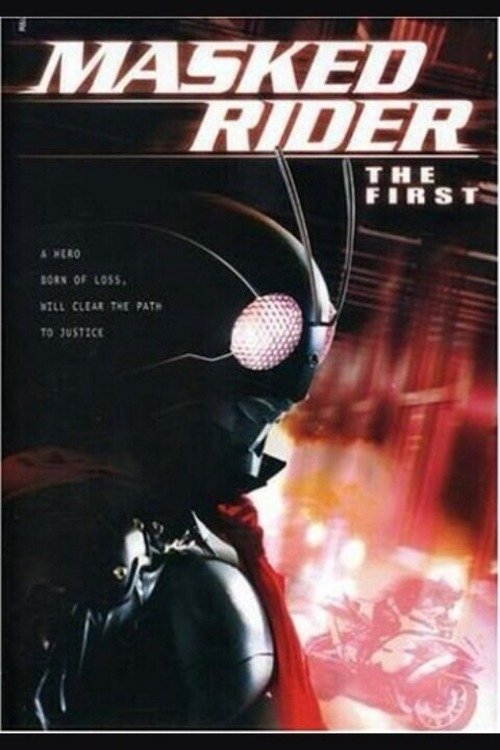
Kamen Rider: THE FIRST2005
A fellow tokusatsu reinvention that treats its masked hero as a broken man seeking redemption rather than a simple defender. Shot with real weight and moral complexity, it understands that transformation stories are really about trauma and choice.
But Assumes you know the original Kamen Rider lore, and the pacing is deliberate to the point of slowness. Not what you watch for action thrills.
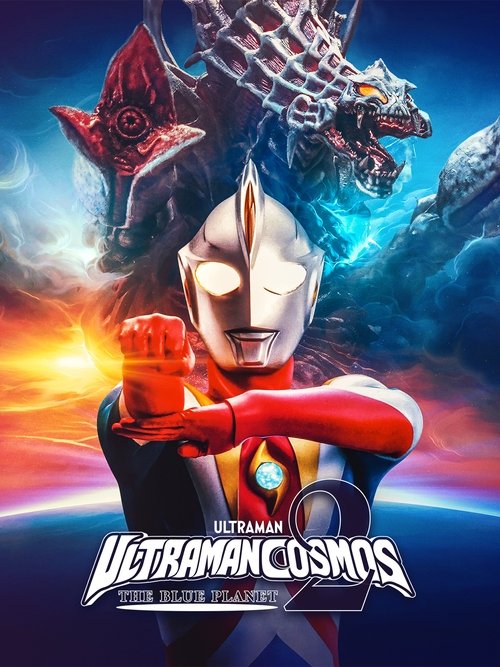
Ultraman Cosmos 2: The Blue Planet2002
The closest stylistic companion: a Ultraman film that pivots toward character and consequence rather than monster-of-the-week spectacle. Gorgeous cinematography and a thoughtful take on what it means to use power responsibly.
But It's still a children's film at heart, which means the emotional stakes flatten occasionally. The monster designs are less striking than you'd hope.
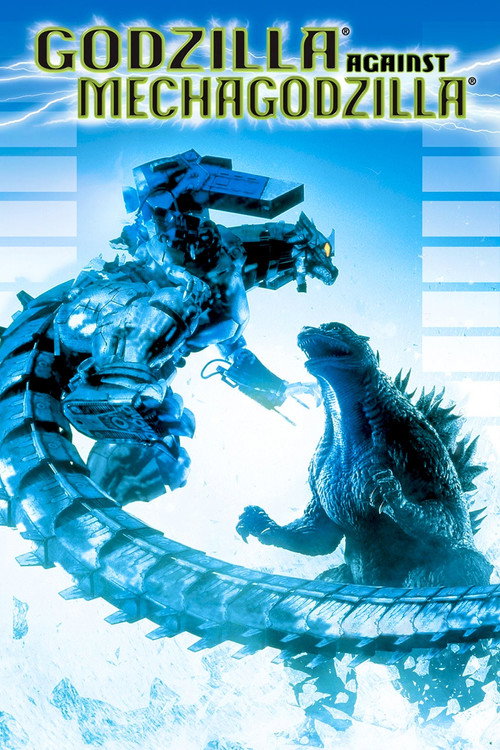
Godzilla Against MechaGodzilla2002
A Godzilla film that cares about the humans caught in the rubble, particularly a military woman reckoning with her past. Balances monster action with genuine character work and moral weight—the template Toei was reaching for.
But The monster sequences feel obligatory compared to the human drama. Some viewers will find that backwards.
Not sure tonight? Get a pick in a minute, starting from Ultraman: The Next
The wildcard
Something you would not have found on your own.
Visitor Q2001
Both films treat the family unit as a site of catastrophe that only transformation—literal or psychological—can address. Both are willing to go ugly to reach tenderness.
Takashi Miike's most transgressive film is also his most tender. A family in collapse is visited by a mysterious figure who unmakes and remakes them. Like The Next, it asks what family means when everything is broken. Formally wild, thematically profound.
But Contains extreme content (graphic violence, sexual humiliation, bodily fluids) that serves the story but will alienate viewers seeking comfort. Not recommended if you're fragile.

More like this (5)
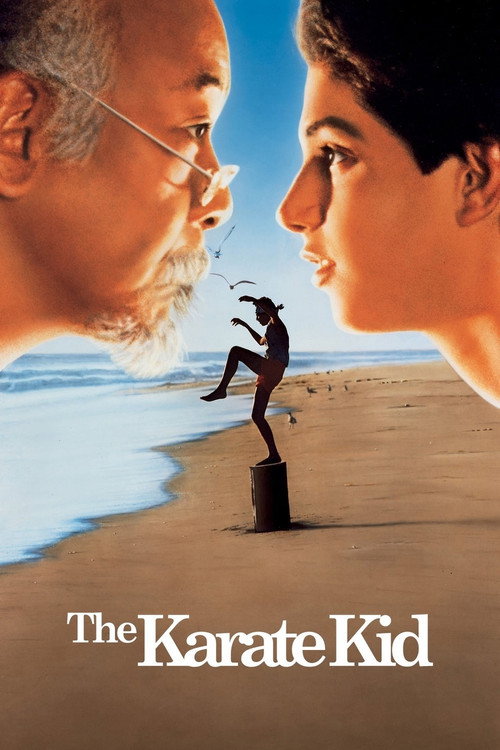
The Karate Kid1984
A mentor film about a man learning to be present for someone else's pain, disguised as an action underdog story. The karate is secondary; the relationship is everything. Tonal ancestor to what The Next attempts.
But Predictable structure and 1980s earnestness that hasn't aged as gracefully as the filmmakers hoped. Easy to dismiss as cheese.
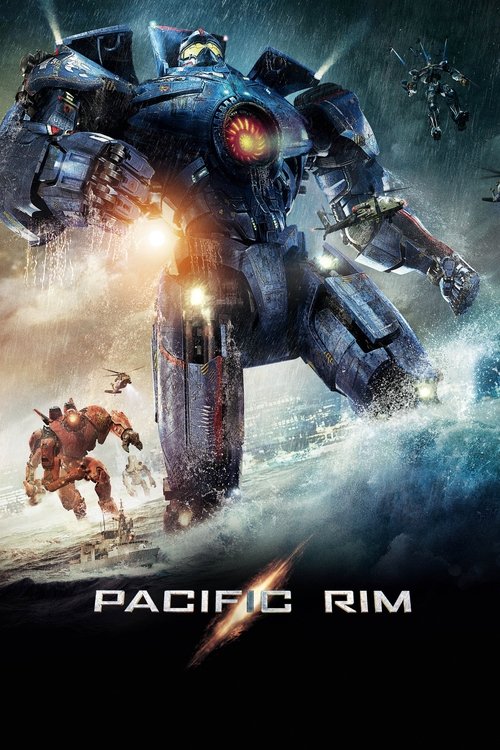
Pacific Rim2013
Giant transformable robots fighting monsters, yes, but Guillermo del Toro roots it in the exhaustion and cost of heroism. The spectacle is in service of character, not replacing it. The emotional DNA is recognizable.
But Still very much a blockbuster: louder, more expensive, less interested in silence and stillness than The Next. Different aesthetic register entirely.
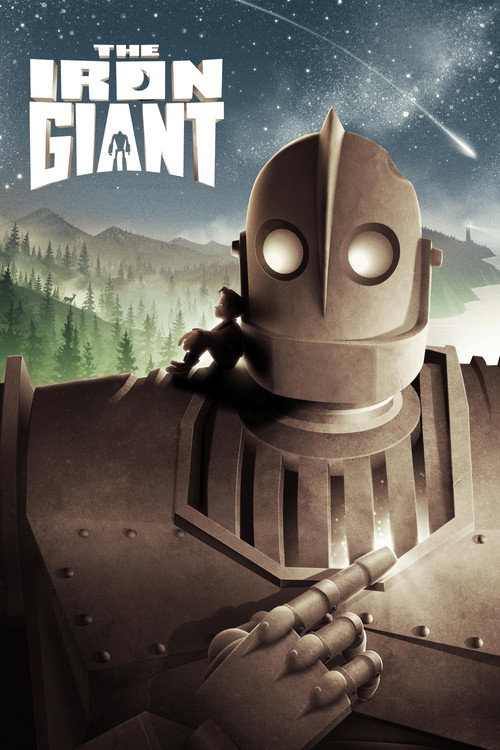
The Iron Giant1999
An animated film about a giant machine learning to be something other than a weapon, and a boy learning to let go. The thematic parallels to The Next are clear: power, responsibility, love, loss, what we leave behind.
But Hand-drawn animation from 1999 looks dated to some. The ending is deliberately ambiguous in ways that frustrate audiences wanting closure.
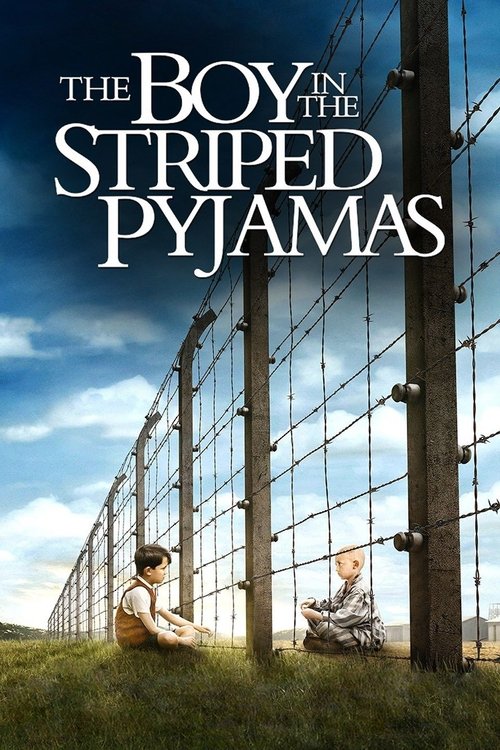
The Boy in the Striped Pyjamas2008
Both films use a sick or endangered child as the moral center. Both ask what a man owes his son when the world is larger and more hostile than love can be.
A film about a father and son separated by circumstance and obligation, told from a child's incomprehension. Not genre, not action, but it carries the same weight of a man's failure to protect his child and the irreversibility of that failure.
But Holocaust story directed by a Brit with child actors, which means it's often criticized as softening or simplifying atrocity. Some viewers find it mawkish. It is devastating.
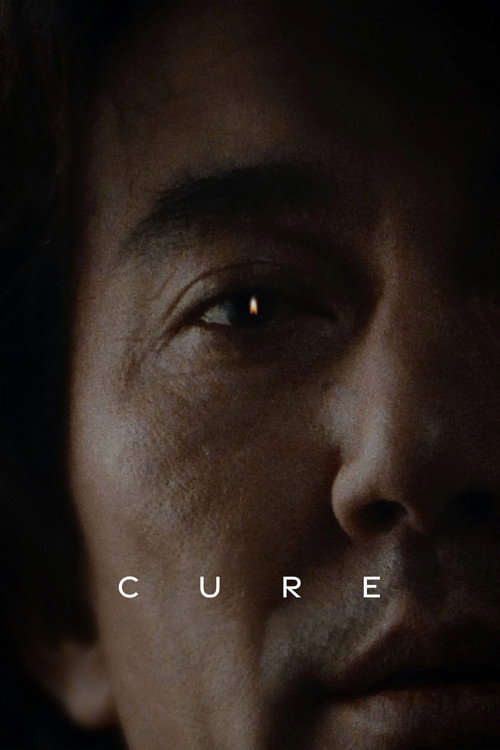
Cure1997
Both films use genre (tokusatsu, thriller) as a container for something more intimate: a man watching himself become something he doesn't recognize, unable to stop it or save the people he loves.
Kiyoshi Kurosawa's existential thriller about a detective losing his grip on identity and purpose. Not a monster film, but a psychological one where the real horror is a man watching himself disappear. Hypnotic, formally precise, quietly devastating.
But Slow-burn mystery with a non-ending that privileges dread over resolution. Some will call it pretentious; they won't be wrong to be frustrated.
People
Cast
 Tetsuya BesshoShunichi Maki / Ultraman the Next
 Kyooko TooyamaSara Mizuhara
- Kenya OsumiTakafumi Udou / Beast the One
 Ryohei HirotaTsugumu Maki
 Nae YuukiYoko Maki
 Toshiya NagasawaTsuyoshi Kurashima
 Daisuke RyūKazusa Sogabe
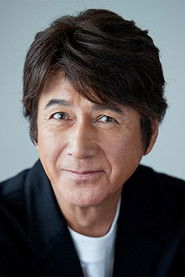 Masao KusakariPresident Manjime
- Makiko AmuroYukie

 Ryô KinomotoGourmet Reporter
 Kazuya KonakaMiku's Father
Directing
- Kazuya KonakaDirector
Writing
- Keiichi HasegawaScreenplay
Production
- Fumio KojimaCasting
- Daisuke OokaProducer
- Kazumi KawashiroProducer
- Kenji KomatsuProducer
- Kiyoshi SuzukiProducer
- Kunikatsu KondoProducer
- Satoshi KuboProducer
- Shinjiro YokoyamaProducer
- Takeo HisamatsuProducer
- Takeyuki OkazakiProducer
- Tsuyoshi YoshidaProducer
- Yuuji ShimamotoProducer
- Mitsuo NakaiProduction Manager
Recommended by
Mighty Morphin Power Rangers: The Movie, Himitsu Sentai Gorenger: The Movie