
Film
Kamen Rider: THE FIRST
A live-action reinvention of the 1970s tokusatsu classic, this 2005 film grounds the superhero origin story in genuine menace and body horror. Kamen Rider: The First treats its premise with urgency—a brilliant young man forcibly cyborged by a fascistic shadow government—and leans hard into the violence and violation that such a transformation would entail. It's for anyone who loved what Sam Raimi did with Spider-Man but wanted it darker, weirder, and more rooted in Japanese pulp sensibility.
Should you watch it?
Watch it if you want a lean, earnest origin story where a brilliant man's grim predicament gives the costumed hero-making a real sense of dread and momentum.
Skip it if you expect slick modern spectacle, since this compact revival of an old TV hero has a rough, pulpy finish that may feel dated.
What it asks of you: It runs a brisk ninety minutes and keeps a grave, serious tone, so it asks you to take its dark premise seriously rather than wink along.
Not sure? Find tonight's pick in a minute.
If you liked this
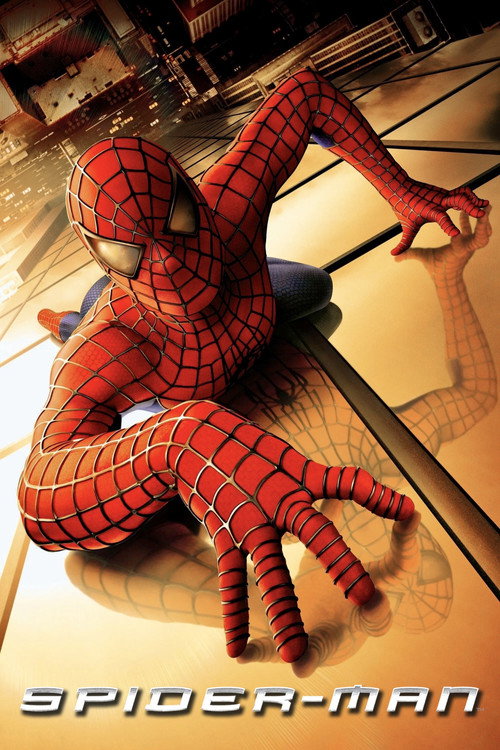
Spider-Man2002
Raimi's film shares the same structural DNA: reluctant hero, body transformation, shadowy corporate villain, and that perfect balance of genuine stakes with comic-book spectacle. Both films understand that origin stories matter because they're about loss.
But If you're after quippy Marvel humor, you'll find only grim determination here. The 2002 film is also visibly a product of its era in ways that haven't aged as gracefully as the craft.
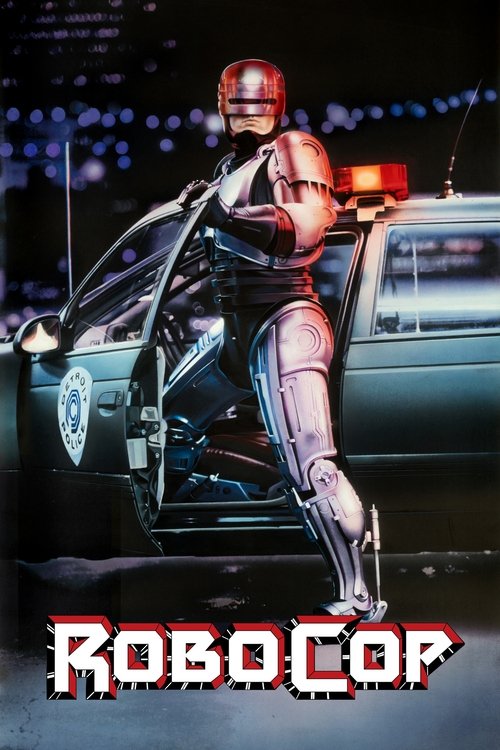
RoboCop1987
The spiritual grandfather of this film—a man's body weaponized against his will, exploring what remains of his humanity after forcible augmentation. Verhoeven's satire is sharper, but both films understand the body horror lurking under the superhero suit.
But RoboCop is explicitly about corporate satire and media critique. This film is more interested in personal vengeance and the sheer weirdness of transformation itself.
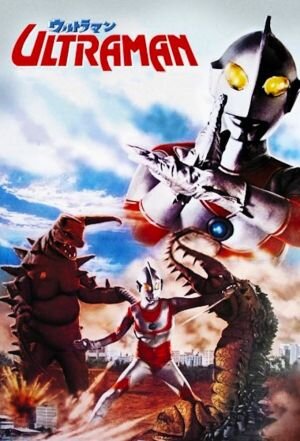
Ultraman1966
The original tokusatsu that proved you could do meaningful science fiction in rubber suits. Watching this lineage illuminates why Kamen Rider: The First works—it's updating a legacy of earnest, inventive Japanese genre filmmaking.
But The '66 series is slower and more procedural. This film is far more violent and operates at a completely different narrative pace.
Not sure tonight? Get a pick in a minute, starting from Kamen Rider: THE FIRST
The wildcard
Something you would not have found on your own.
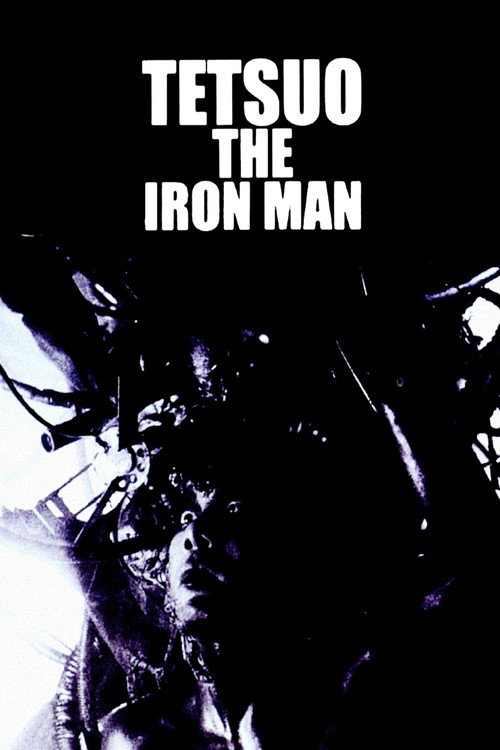
Tetsuo: The Iron Man1989
Both films treat technological transformation of the human body as fundamentally erotic and horrifying in equal measure; both refuse to let you feel comfortable rooting for the hero's new strength.
Tsukamoto's nightmarish black-and-white fever dream about a man's body transforming into metal flesh is the true ancestor of Kamen Rider: The First's preoccupation with body horror as transcendence and curse. Where Kamen Rider is a superhero film, Tetsuo is body horror as surrealist nightmare—but both films are asking whether transformation is liberation or violation, and both say 'yes' to both questions.
But It's avant-garde, deliberately incoherent, shot in grainy black-and-white with a sound design that assaults you. If you want narrative clarity or conventional filmmaking, you will have a very bad time.
More like this (7)
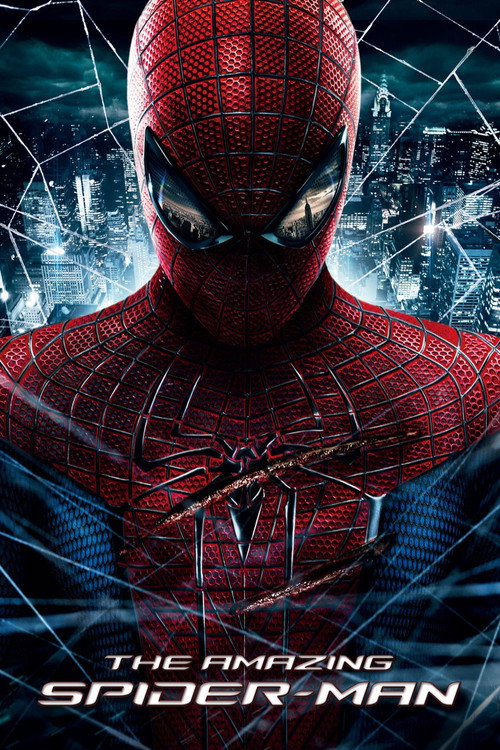
The Amazing Spider-Man2012
Webb's film shares the same DNA: a young man given extraordinary power through trauma, an origin story played as psychological damage rather than wish-fulfillment, body horror beneath the suit narrative.
But It's more melodramatic and less interested in the fascistic conspiracy angle. Also significantly longer and more emotionally indulgent.
V for Vendetta2006
Both films arrived the same year and share a preoccupation with shadowy totalitarian organizations creating weapons out of human beings. Both ask what resistance looks like when your own body is the weapon.
But V is more politically explicit and cerebral. Kamen Rider is grittier, more visceral, less interested in philosophical debate.

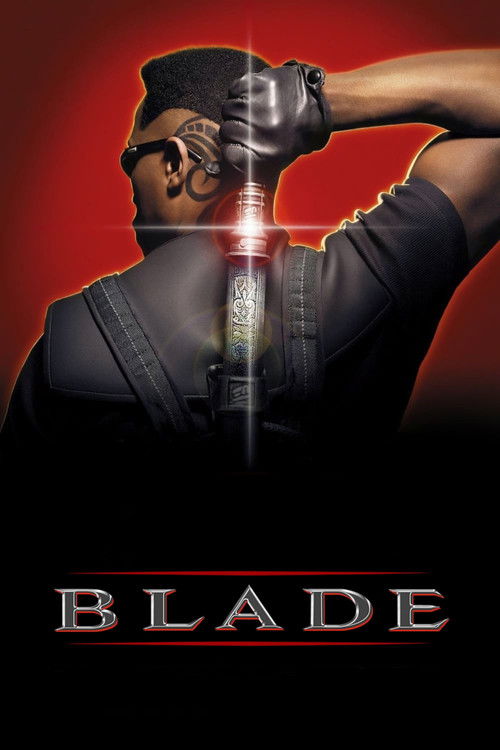
Blade1998
Wesley Snipes as a man weaponized by his own biology, using that forced transformation to fight the organization that made him. Both films find dignity in body horror and turn it into fierce agency.
But Blade is stylish urban fantasy; Kamen Rider is grounded, urgent sci-fi. The tones are quite different, and Blade's cooler-than-thou posture is absent here.
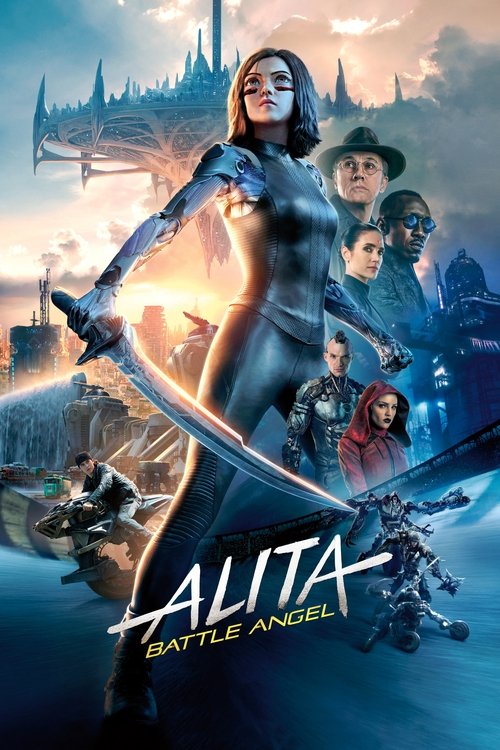
Alita: Battle Angel2019
A cyborg discovering their humanity after violent augmentation, fighting against the forces that created them. Rodriguez's film is visually sumptuous where Kamen Rider is raw, but both understand the ache of forced transformation.
But Alita is far more visually polished and operatic. Kamen Rider is lean, mean, and more interested in intimate character work than spectacular world-building.
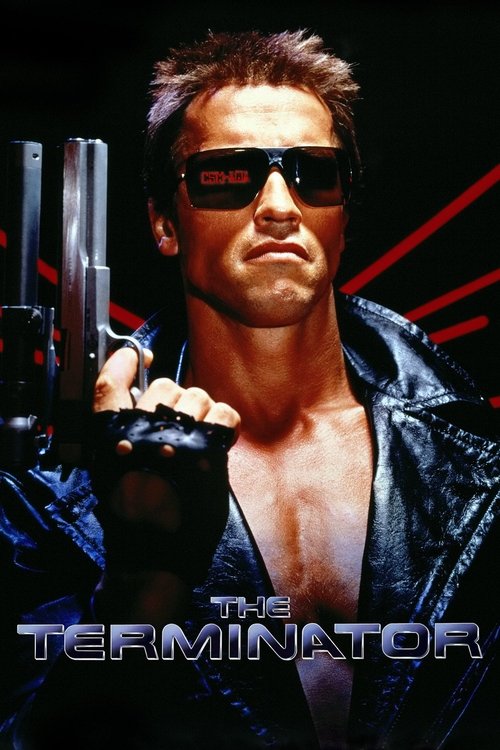
The Terminator1984
Both films understand that transformation into a cyborg can be either salvation or damnation depending on your will. Terminator 2 especially shares the theme of reclaiming agency over your weaponized body.
But Terminator is about external threat; Kamen Rider is about the threat living in your own transformed flesh. Very different emotional registers.
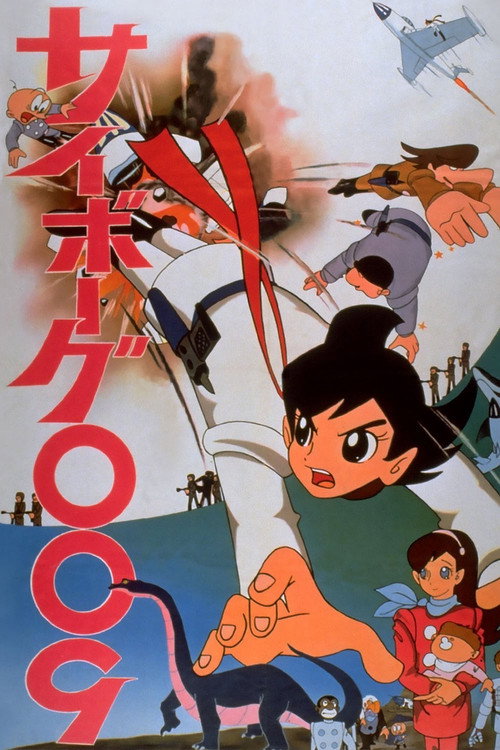
Cyborg 0091966
Direct creative ancestor; both ask whether the person you are forced to become can choose to become someone else entirely.
The manga precursor that inspired Kamen Rider itself—nine young people forcibly weaponized by evil science, discovering they can choose their own purpose. Watching this alongside The First illuminates the entire lineage of tokusatsu as a uniquely Japanese genre obsessed with reclaiming agency over technology forced upon you.
But The 1966 anime is episodic and glacially paced by modern standards. It's more interested in philosophical questions than action spectacle, and it shows its age technically.
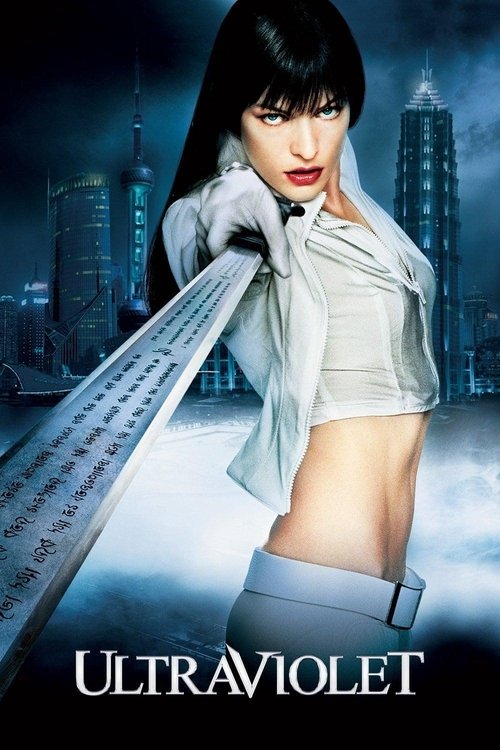
Ultraviolet2006
Both are low-budget action films from the mid-2000s that treat the weaponized body as a site of both horror and strange grace; both are vastly more earnest and human-scaled than the blockbuster superhero films made around the same period.
Kurt Wimmer's operatic fever dream about a woman engineered as a weapon against her controllers, shot one year after The First and sharing its commitment to visceral action, body transformation as both gift and curse, and the question of whether you can be human if your humanity was designed by someone else.
But It's aggressively stylized—neon color grading, CGI that was already dated, action that prioritizes visual excess over coherence. The plot is nearly incomprehensible and the film is wildly uneven in execution.
People
Cast
 Masaya KikawadaTakeshi Hongo / Kamen Rider #1
 Hassei TakanoHayato Ichimonji / Kamen Rider #2
 Rena KomineAsuka Midorikawa
 Hiroshi MiyauchiTobei Tachibana
 Eiji WentzHaruhiko Mitamura
 Ryoko KobayashiMiyoko Harada
 Mayumi SadaShocker Staff: Lady
 Hideyo AmamotoDr. Shinigami
 Eiji MaruyamaDr. Shinigami (voice)
 Itsuji ItaoSpider
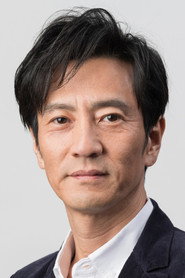 Kanji TsudaBat
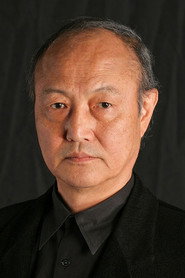 Renji IshibashiMember of the House of Representatives
Directing
- Makoto YokoyamaAction Director
- Masayuki TaniguchiAssistant Director
- Takao NagaishiDirector
Writing
- Toshiki InoueWriter
Production
- Takeyuki SuzukiExecutive Producer
- Chiharu NakasoneProducer
- Koichi YadaProducer
- Kunihiko FurutamaProducer
- Naomi TakebeProducer
- Osamu FukunakaProducer
- Shin-ichiro ShirakuraProducer
- Toru IshiiProducer
Recommended by
Flubber, Mighty Morphin Power Rangers: The Movie, Ultraman: The Next, Himitsu Sentai Gorenger: The Movie, Kamen Rider #1, The Sword of Alexander, The Super Inframan