
Film
Dead Man's Letters
- Drama
- Post-apocalyptic
- Very dark
- Slow-burning
A Soviet sci-fi parable set in a post-nuclear basement where an intellectual tends to survivors and writes unsent letters to his lost son. Meditative, haunted, formally strange—it moves like memory, not plot. For anyone who's wondered what hope looks like when everything is gone.
If you liked this
Come and See1985
Another Soviet masterpiece about apocalypse and survival, but through a child's eyes during WWII. Devastating, morally uncompromising, shot with raw physical intensity. Incomparable.
But Brutally graphic. Not in the exploitation sense—in the documentary sense of showing what violence actually does. Very difficult to watch.

Stalker1979
Tarkovsky's meditation on meaning, desire, and the spaces between hope and despair. Like Dead Man's Letters, it prizes patience and philosophical depth over narrative momentum. Hypnotic.
But Seven minutes of it is just watching a train. If you need plot momentum or conventional pacing, you'll feel the length in your bones.

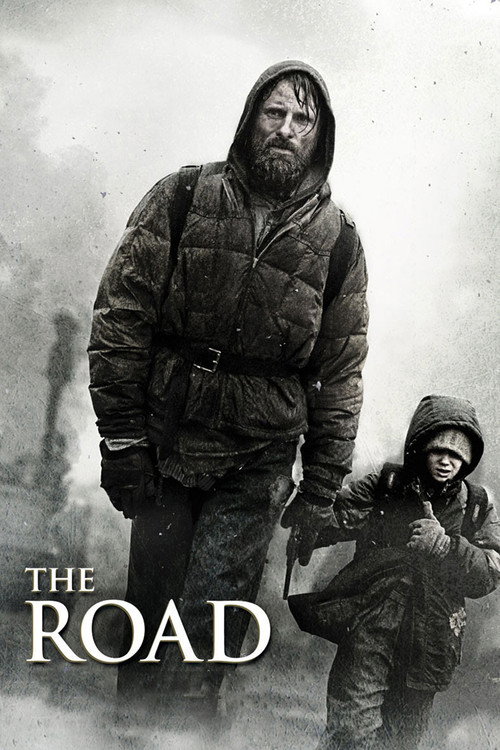
The Road2009
Post-apocalyptic father and son journey through ash. Quiet, tender, devastating—focused entirely on love and protection when the world has become unlivable. Viggo Mortensen is extraordinary.
But Relentlessly bleak without much oxygen. The tonal consistency, while powerful, can feel claustrophobic. Not cathartic—just true.
Not sure tonight? Get a pick in a minute, starting from Dead Man's Letters
The wildcard
Something you would not have found on your own.
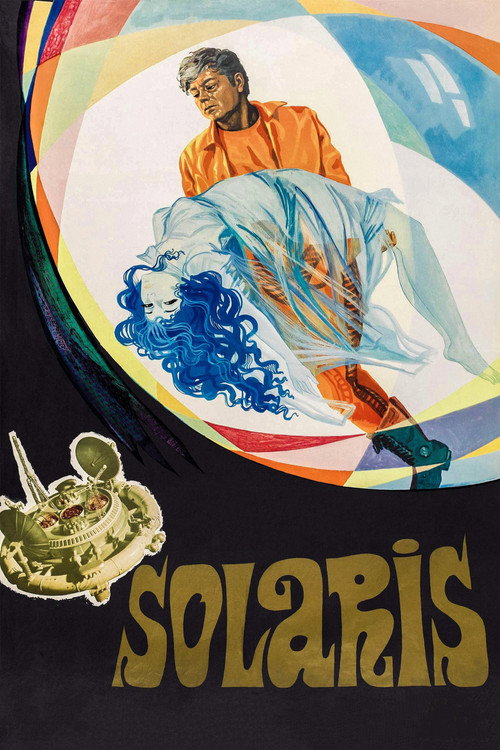
Solaris1972
Both are Soviet SF that use isolation and survival to ask what remains of us when everything else is stripped away. Both see science fiction as a vehicle for existential philosophy, not adventure.
Tarkovsky's first masterpiece: a space station orbiting a planet that mirrors humanity back at itself. A meditation on memory, loss, and whether understanding another consciousness is possible. Uses SF as philosophy, not action.
But Slower than Dead Man's Letters and three hours long. The first viewing can feel impenetrable. If you watch it impatient, you'll miss it entirely.
More like this (7)
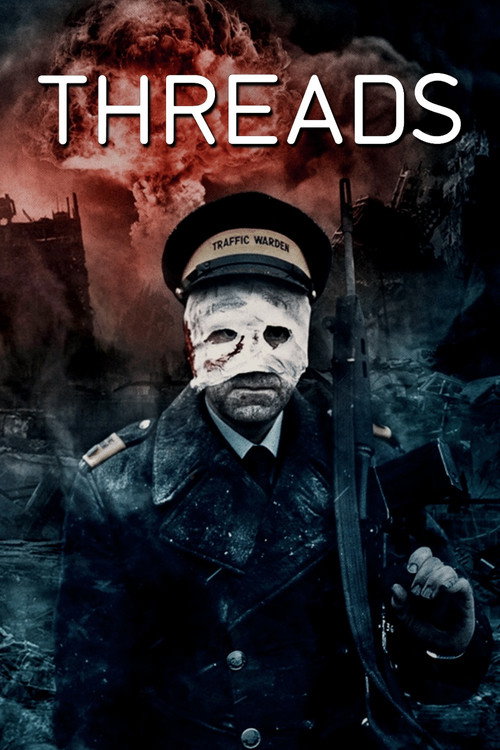
Threads1984
British nuclear-war docudrama. Shot like a news report, utterly convincing, anatomically precise about what radiation and societal collapse actually do. A companion piece to Dead Man's Letters from the other side.
But Genuinely traumatizing. Made to shake you, not comfort you. Some viewers find it exploitative rather than illuminating.
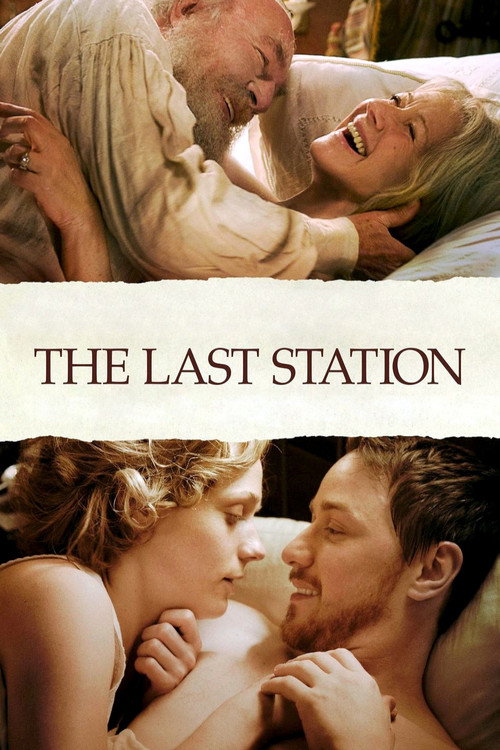
The Last Station2009
Late Tolstoy surrounded by disciples, grappling with mortality and meaning. An older man facing the end, trying to make sense of what he's left behind. Quieter than it looks, with real philosophical weight.
But More conventional and theatrical than Dead Man's Letters. If you want Soviet formalism, this is Western humanism—warmer but less strange.
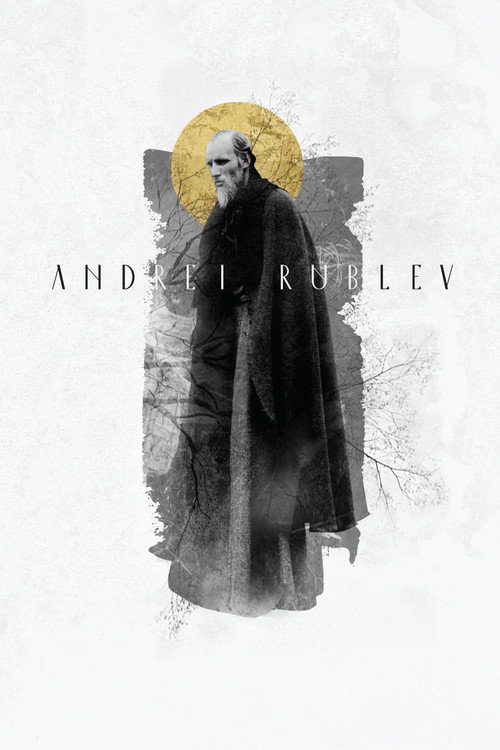
Andrei Rublev1966
Tarkovsky on an artist trying to create meaning amid historical violence and personal doubt. Shot like painting itself. Argues that making something true is its own form of survival.
But Three hours, mostly very slow. The narrative is fragmented. Requires serious attention and patience—no passive watching allowed.
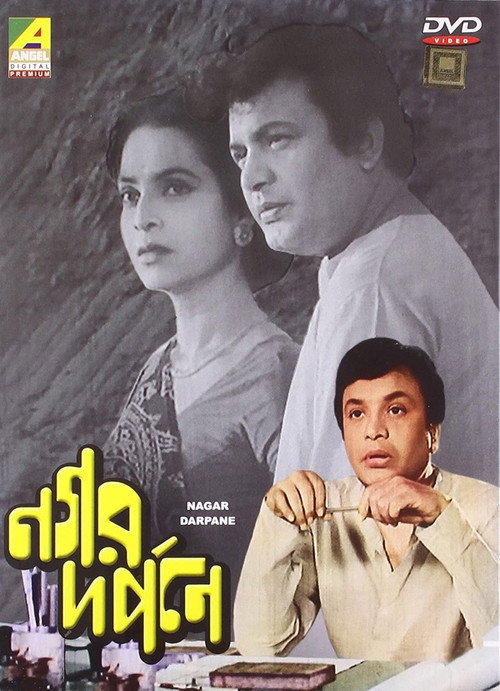
In the Mirror of the City1975
Tarkovsky's most abstract work: memory, archive footage, family, loss, and time all at once. Formally radical but deeply personal. Strange in ways that feel true rather than clever.
But Genuinely confusing on first viewing. Deliberately non-linear. Some call it a masterpiece, others say it's impenetrable self-indulgence.
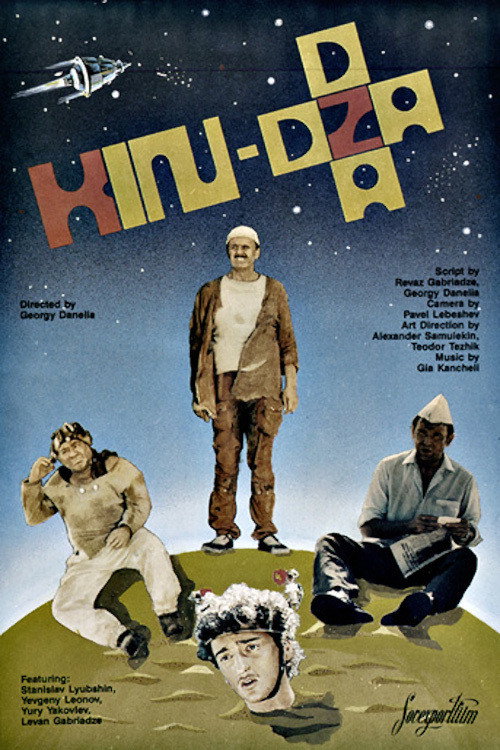
Kin-dza-dza!1986
Soviet sci-fi absurdist comedy—two Muscovites flung to an alien planet. Surreal, darkly funny, visually inventive. Proves that Soviet SF has range: philosophical gloom and weird satire coexist.
But The humor is very specific to Soviet experience and won't land for everyone. Deliberately cheap-looking effects that predate modern CGI irony.
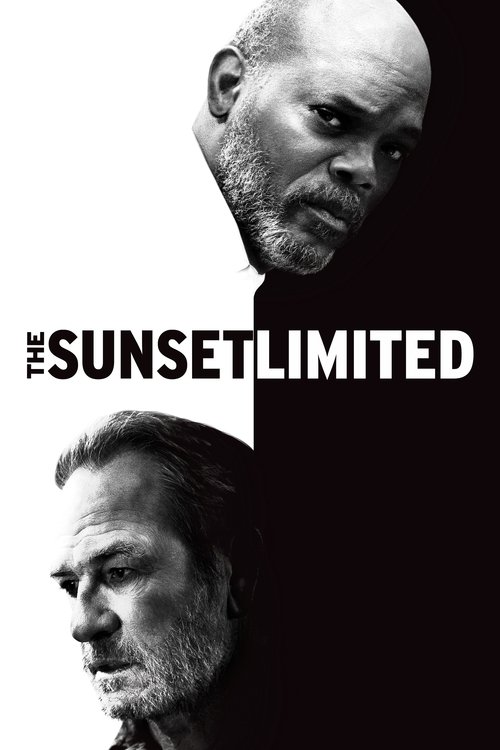
The Sunset Limited2011
Both are essentially dialogues between a man trying to preserve meaning and the void trying to swallow it. Both let silence and thought do the work that plot usually does.
Cormac McCarthy's play adapted into a film: two men, one room, after a suicide attempt. Philosophical debate about suffering, meaning, and whether hope is possible. Entirely language-driven, devastating.
But No plot. Just conversation. If you need action, character arcs, or conventional drama, this will feel like watching someone read an essay aloud.
Come Away2020
Both use a world after catastrophe as a setting for exploring how memory and imagination protect children. Both suggest that telling stories—to yourself, to others—is how we survive what cannot be survived.
A 19th-century fantasy that traces loss: Peter Pan and Alice travel together in a world where something fundamental has been shattered. Visually lyrical, thematically about how children survive grief.
But It's a British period fantasy, not Soviet SF. Whimsical register where Dead Man's Letters is austere. Some find it precious rather than profound.

People
Cast
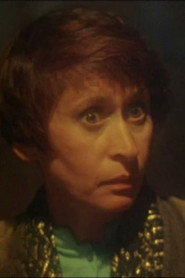
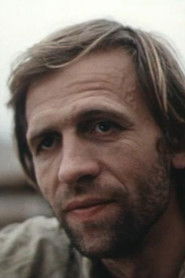
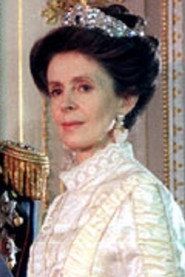
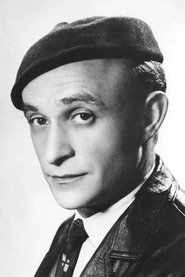 Rolan BykovProfessor Larsen
 Vatslav DvorzhetskyPastor
 Vera MayorovaAnna
 Iosif RyklinHumanist
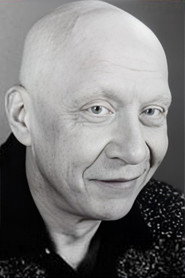 Evgeniy PlatokhinVrach
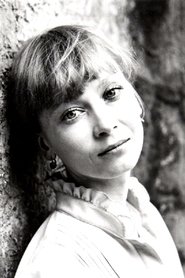 Svetlana SmirnovaTereza
- Vyacheslav VasilyevDosimetrist


Directing
- Konstantin LopushanskyDirector
Writing
- Aleksei GermanWriter
- Boris StrugatskiyWriter
- Konstantin LopushanskyWriter
- Vyacheslav RybakovWriter
Production
- Raisa ProskuryakovaExecutive Producer
- Yuri GolynchikExecutive Producer