
Film
Recursion
A 10-minute sci-fi film where a space crew's exploration of an apparently empty planet takes a disturbing turn. Recursion operates in the compressed intensity of a short—high concept, visual storytelling, economy of effect. For viewers who love hard sci-fi ideas and don't need feature length to feel satisfied.
Should you watch it?
Watch it if you like short science fiction that trusts a tight premise to do the heavy lifting, and you enjoy a mystery that unfolds in a few minutes and leaves you turning it over afterward.
Skip it if you want a fleshed-out world or characters with time to breathe, since ten minutes leaves little room for backstory and the crew stay sketched rather than drawn in.
What it asks of you: A single sitting of ten minutes, paced slowly and seriously, with your attention doing most of the work as the unease builds in measured steps.
Not sure? Find tonight's pick in a minute.
If you liked this
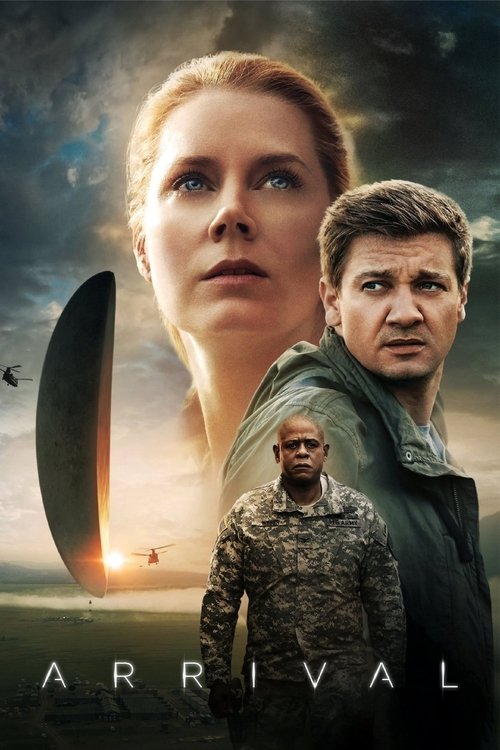
Arrival2016
Intelligent alien-contact story that respects your intelligence. The language at its heart carries genuine weight, and the emotional payoff lands because the film earns it through rigorous worldbuilding.
But Slower-paced and meditative rather than action-driven; some find the central twist predictable once you're attuned to science fiction's favourite tricks.
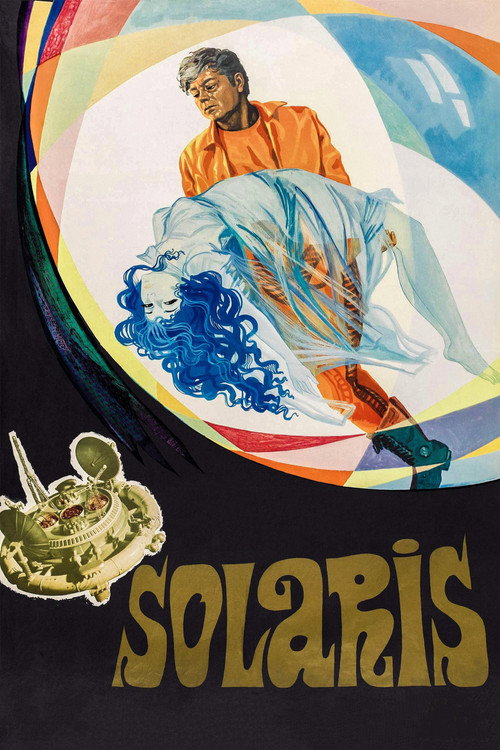
Solaris1972
Tarkovsky's masterpiece puts a crew on a space station facing an intelligent ocean that mirrors their deepest selves. Haunting, philosophical, a meditation on memory and what it means to be human.
But Running 166 minutes of contemplative silence might test your patience if you came for propulsive narrative. It moves at its own glacial tempo.
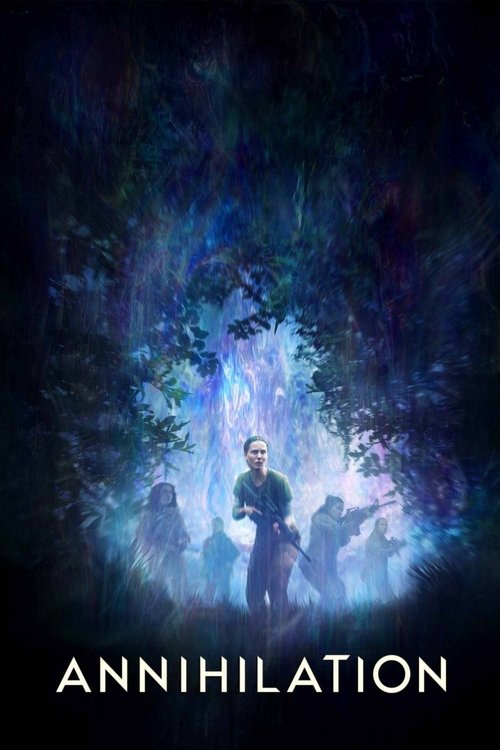
Annihilation2018
An expedition into a reality-bending zone where the laws of nature go wrong. Visually stunning and deeply unsettling, it builds dread through atmosphere and the slow realization that something fundamental is broken.
But The third act abstraction loses some viewers; it prioritizes mood and ideas over plot coherence, which can feel frustrating if you want concrete answers.
Not sure tonight? Get a pick in a minute, starting from Recursion
The wildcard
Something you would not have found on your own.
Stalker1979
Both explore crew encounters with territory that violates normal physics and forces confrontation with the unknown. Both treat the strange as genuinely unsettling rather than just visually impressive.
Tarkovsky again, but this time a guide leads two men through a mysterious zone toward a room that grants wishes. It's a metaphysical detective story about desire itself—what we want, why we want it, what happens when we get close.
But At 163 minutes of deliberate, meditative pacing with philosophical dialogue, it demands a specific kind of patience and attention that rewards slowly or not at all.

More like this (8)
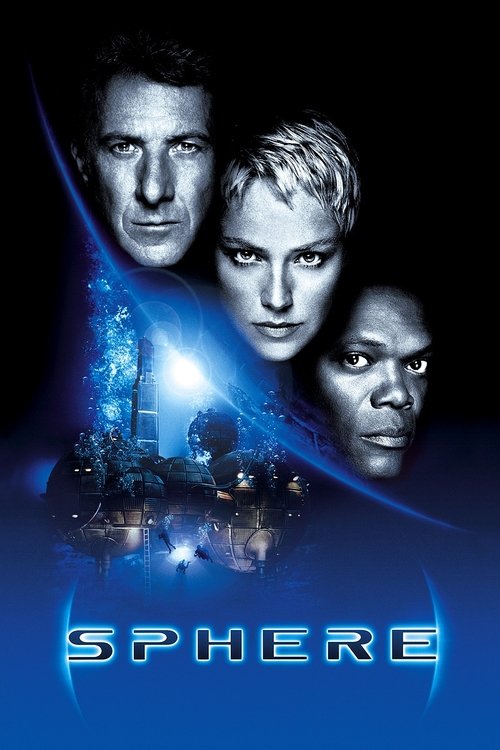
Sphere1998
A team descends into the ocean to investigate an enormous alien sphere. First-rate ensemble cast, paranoia-tinged mystery, and the premise of isolation amplifying internal conflict works beautifully.
But Despite stellar ingredients, the execution is uneven and the ending retreats into soft sci-fi mysticism rather than holding its harder edge.
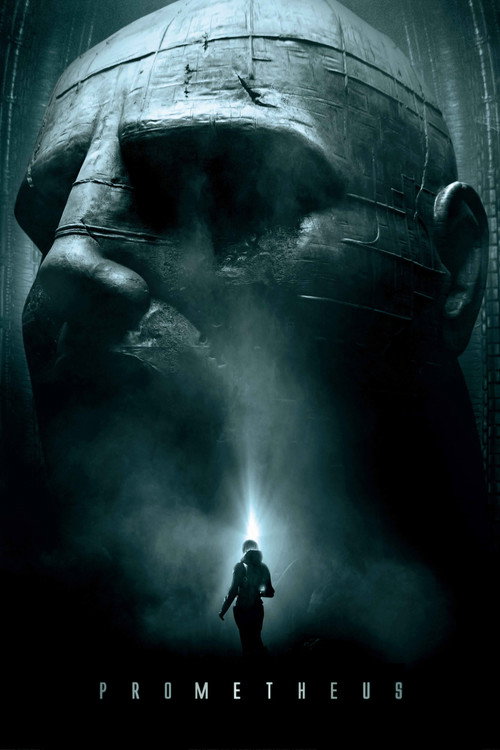
Prometheus2012
Ridley Scott's ambitious prequel to Alien asks big questions about creation and origins while delivering gorgeous visuals and genuine scares. The crew of the Prometheus pursues knowledge into the dark.
But Ambitious to a fault—the script sometimes prioritizes spectacle over logic, and key character choices strain credibility to serve the plot.
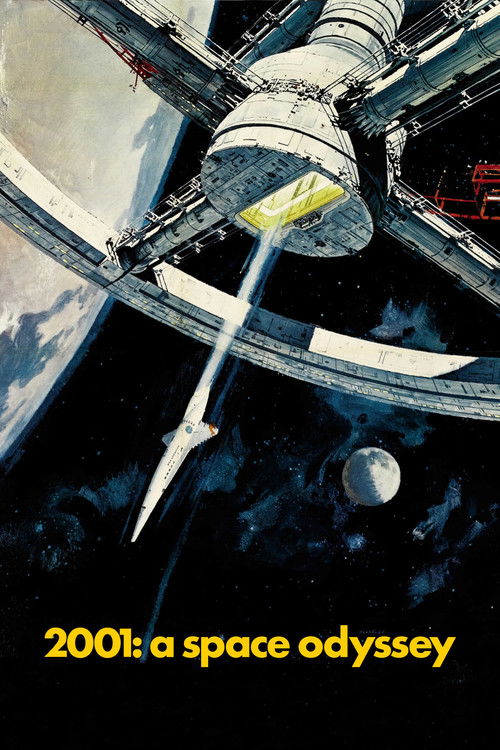
2001: A Space Odyssey1968
Kubrick's epochal film remains the template for serious science fiction cinema. It asks what we're searching for among the stars and refuses to make it easy. Monumental and strange in equal measure.
But Nearly three hours of ambiguity and long takes; if you need your narrative spelled out or your pacing brisk, this will test your limits.
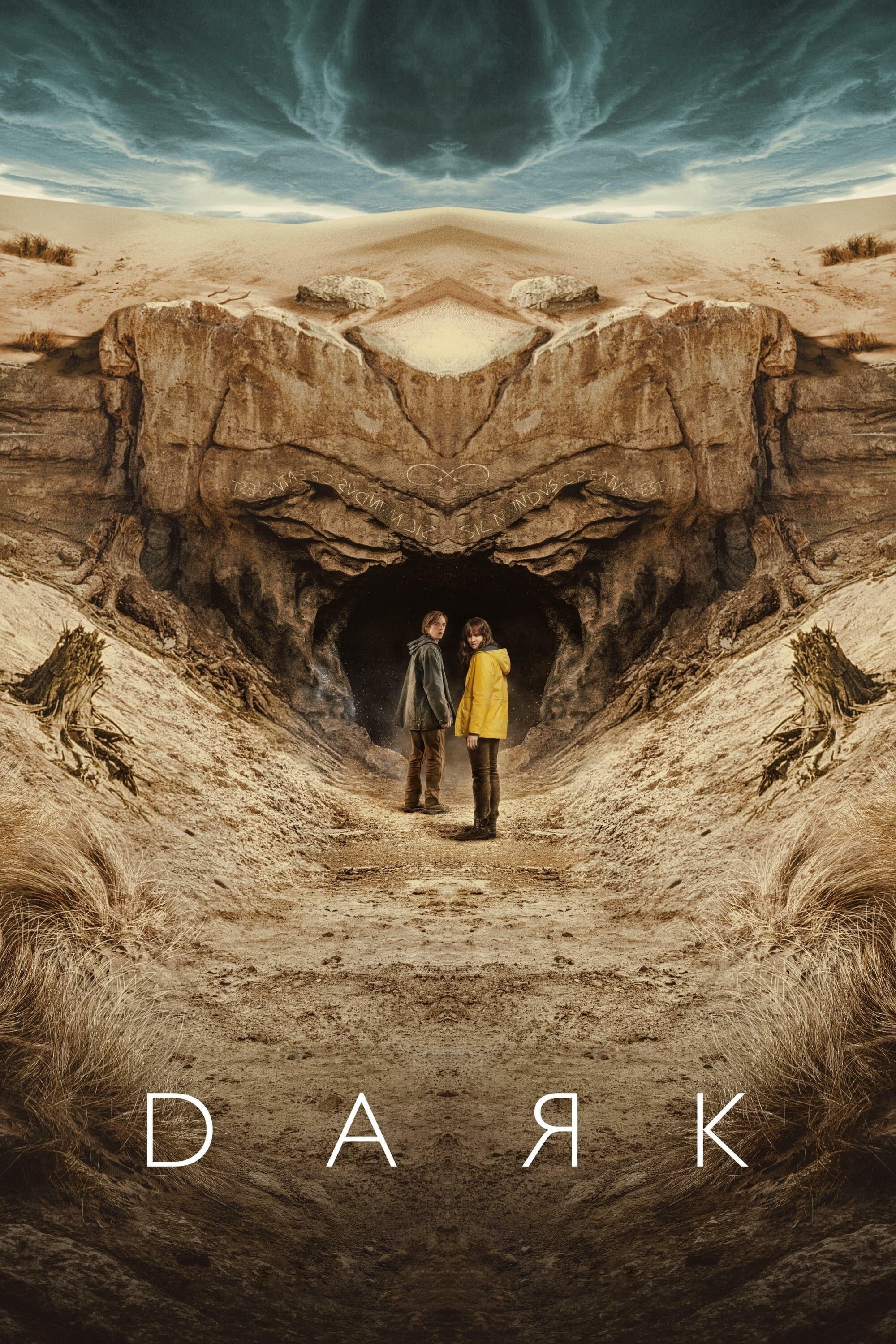
Dark2017
A German series where a town's children vanish and investigation unravels nested timelines and impossible physics. Intricate, genuinely surprising, and rewards close attention with a satisfying architectural complexity.
But Three seasons of serialized plotting mean you have to stay locked in; missing a detail is costly, and the mythology becomes ornate to the point of opacity.
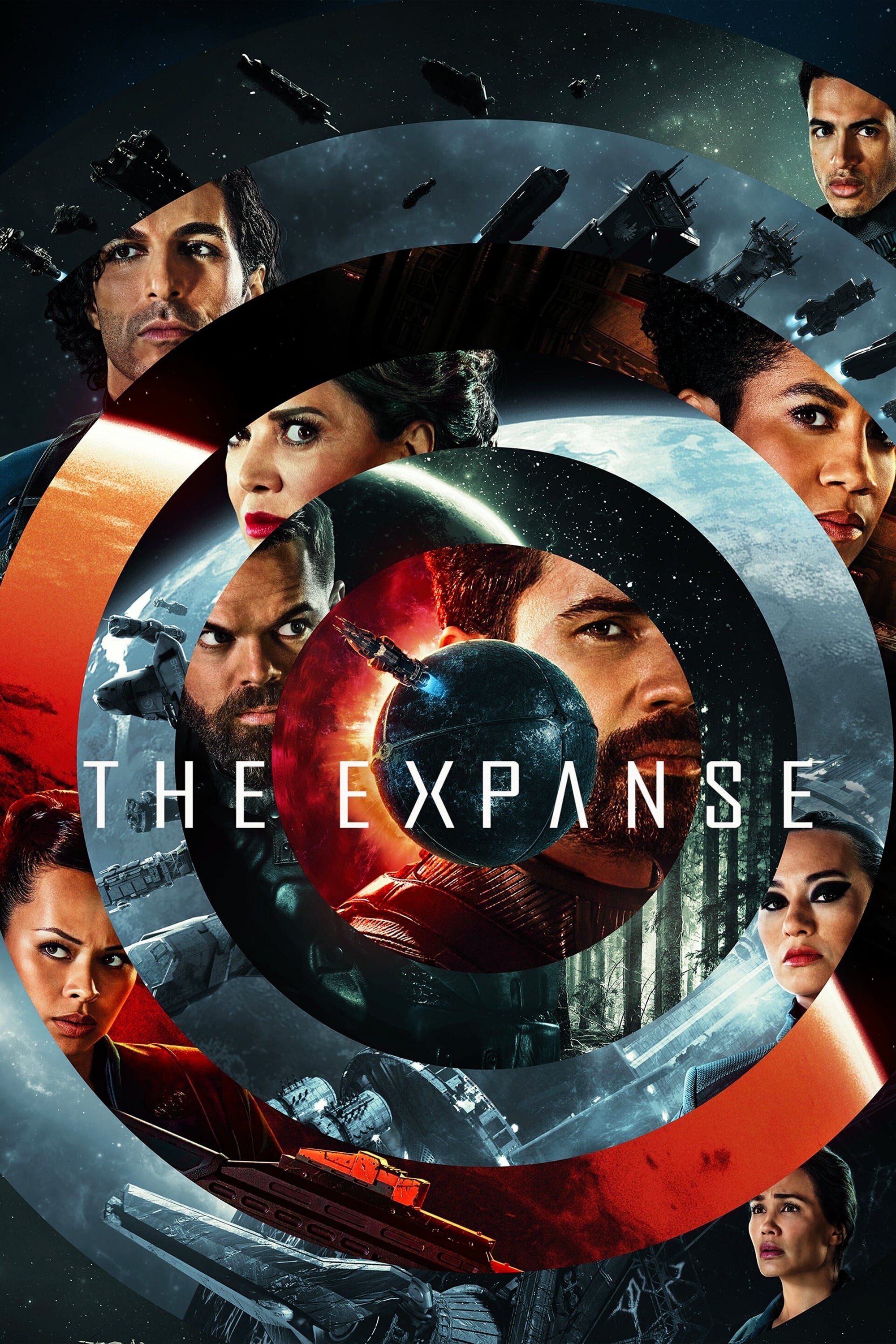
The Expanse2015
Hard science fiction on television that doesn't patronize you. Politics, physics, and character work anchor a sprawling future where humanity's expansion across the solar system creates genuine friction and stakes.
But The first season is slower as it establishes its world; the show's scale and complexity can feel overwhelming if you prefer more intimate storytelling.
Oxygen2017
A contained sci-fi thriller where a woman wakes in a cryogenic chamber with no memory and only minutes of oxygen left. Tense, clever, and makes remarkable use of its single setting to generate mounting dread.
But The confined space and repetitive nature of problem-solving may feel claustrophobic or monotonous rather than suspenseful, depending on your tolerance for limitation.
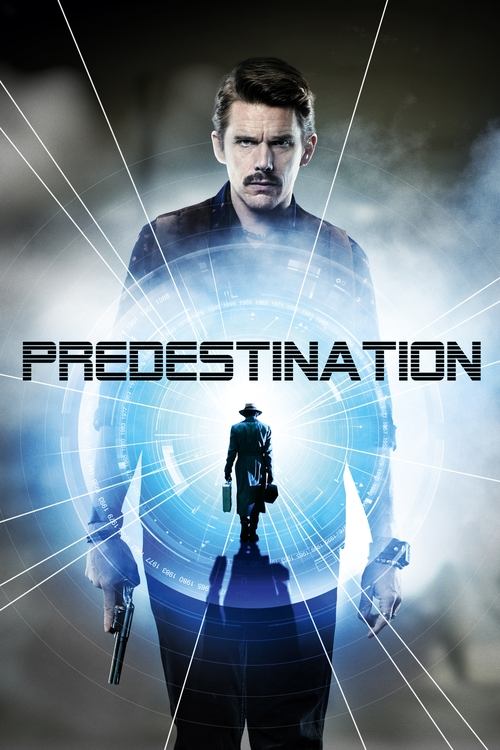
Predestination2014
A compact narrative (just 97 minutes) built on the recursion principle—a story that loops back on itself and requires you to understand it differently the second time you see it. Same idea, applied to time rather than space.
A temporal-loop thriller that doubles back on itself with genuine intelligence. The Spierig brothers build something that respects the audience enough to hide its architecture until the final turn, then makes you reevaluate everything.
But The twist depends on strict attention to detail and perfect execution; if it doesn't land for you, the whole structure feels engineered rather than earned.
The One2021
Science-fiction premise that destabilizes a crew (here: a marriage) with a discovery about reality. The 'recursion' is moral: the app shows you a duplicate self, another version of possibility that your mind can't unsee.
A British miniseries where a woman discovers an app that finds your perfect match—but the arrival of her algorithmic match destabilizes her actual marriage. It asks what we want versus what we need, and whether knowing the 'one' exists ruins everything else.
But The emotional realism can feel slow if you came for sci-fi action, and the relationship dynamics require patience with uncomfortable conversations rather than plot momentum.

People
Cast
 Bonni DichoneCaptain Winters
- John GessnerSchultz
- Steve LloydWest
- Stephen MortonCruzaedo
Directing
- Caden ButeraDirector
Writing
- Caden ButeraWriter