
Film
Sphere
A team of scientists descends to investigate an alien spacecraft on the ocean floor and discovers a massive, mysterious sphere. What follows is a claustrophobic descent into paranoia and psychological terror, as reality itself becomes unstable. It's *The Abyss* meets *The Thing*—cerebral sci-fi that prioritizes dread over spectacle, anchored by strong performances in tight quarters.
Should you watch it?
Watch it if you enjoy sealed-room psychological sci-fi where the real drama is people turning on each other under pressure, and you don't mind the ideas arriving more slowly than the monsters.
Skip it if you want a steady stream of spectacle or a fast, tidy plot; the middle stretches into long talky stretches between the big moments, and the film leans on dialogue more than action.
What it asks of you: Settle in for over two hours of mostly confined conversation and rising tension, with a slow build that rewards patience rather than constant jolts.
Not sure? Find tonight's pick in a minute.
If you liked this
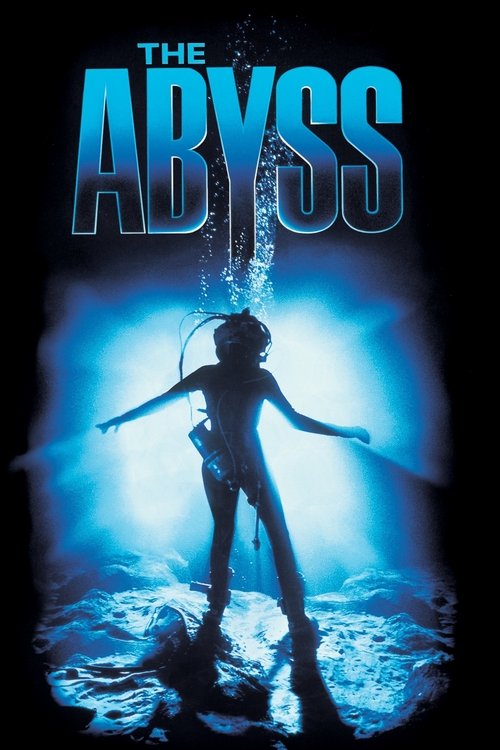
The Abyss1989
James Cameron's underwater sci-fi masterpiece about a deep-sea drilling crew encountering something inexplicable. Like Sphere, it builds tension through isolation, expert ensemble work, and the creeping realisation that the real threat may be human.
But The theatrical cut has a somewhat soft ending that undercuts the preceding dread. The extended version is better but adds forty minutes.
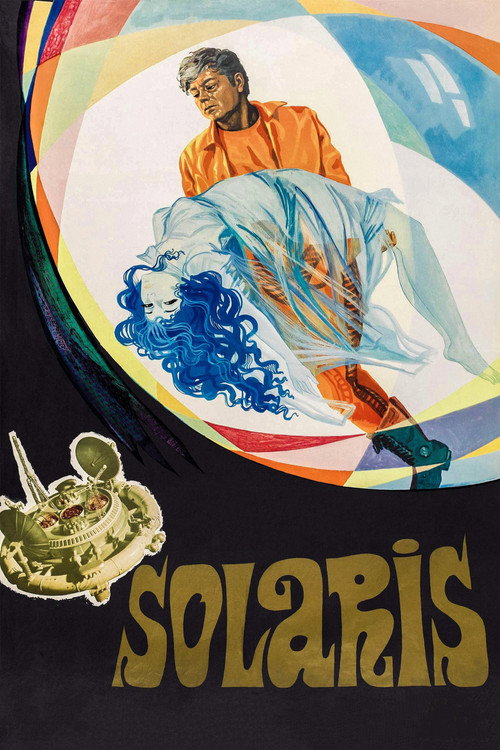
Solaris1972
Andrei Tarkovsky's philosophical meditation on a space station orbiting an alien ocean. Both films ask whether encountering the truly unknown reveals the universe's mystery or our own fractured selves.
But It moves at a glacial pace and privileges existential questions over plot momentum. Patience required; action, not present.
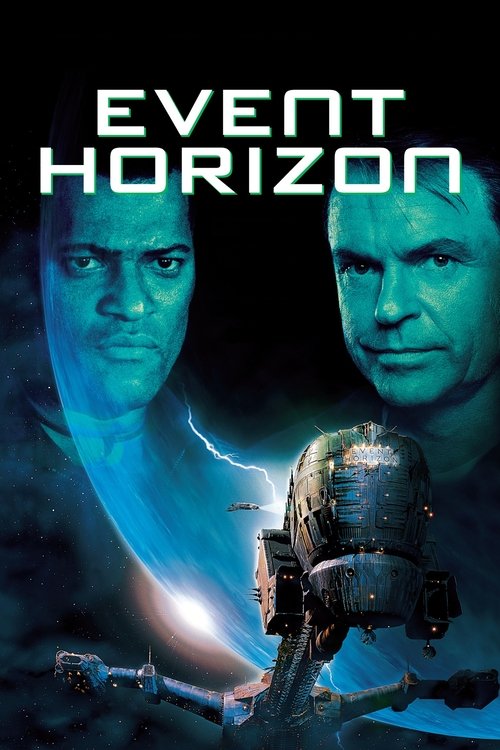
Event Horizon1997
A rescue crew investigates a derelict spacecraft and descends into nightmare. It shares Sphere's claustrophobic paranoia and willingness to let psychological horror overtake sci-fi logic as the story deepens.
But Relies on gore and shock value where Sphere prefers unease. Some will find it nasty rather than thoughtful.
Not sure tonight? Get a pick in a minute, starting from Sphere
The wildcard
Something you would not have found on your own.
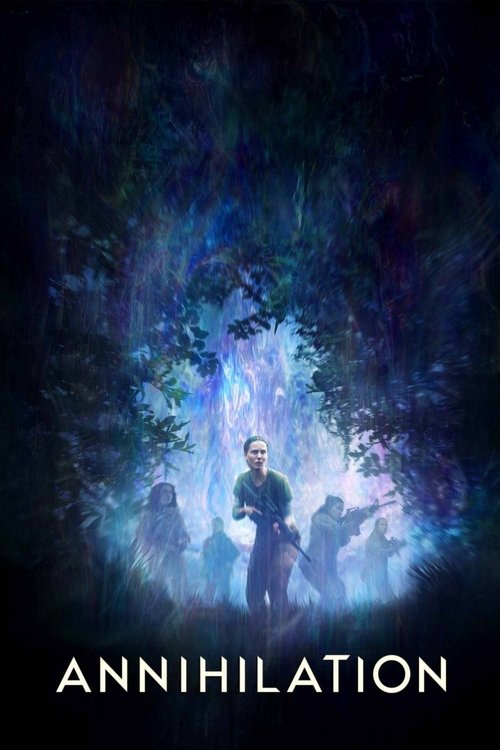
Annihilation2018
Both are slow-burn sci-fi that trust the audience to sit with dread and ambiguity; both feature intelligent people realising their expertise doesn't protect them from phenomena that don't follow known rules.
A shimmering, incomprehensible phenomenon spreads across American coastline, and scientists descend into its heart. Like Sphere, it prioritises existential mystery over explanation, features a strong ensemble, and asks whether encountering the alien reveals truth or merely breaks the observer.
But The third act becomes abstract and visually cryptic. Many viewers find it frustratingly vague rather than properly mysterious.
More like this (8)
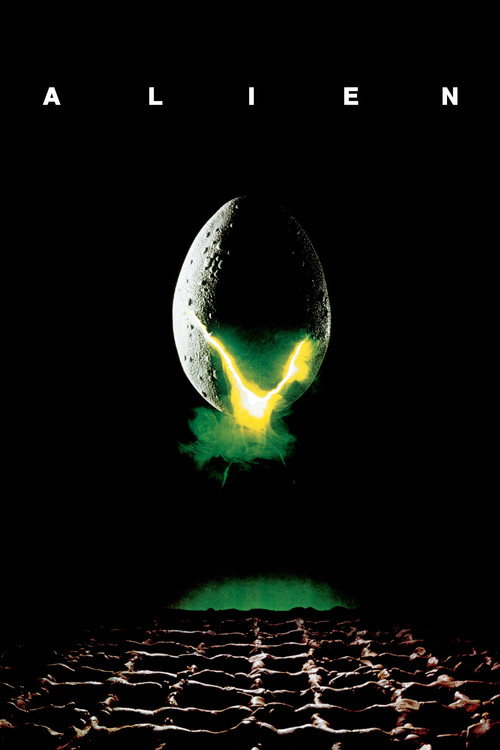
Alien1979
Ridley Scott's perfect synthesis of sci-fi and horror: a crew hunted in confined spaces by something they don't understand. Both films weaponise the fear of not knowing what you're dealing with.
But The pacing is deliberate and the first half is mostly quiet. If you want action, you're watching the wrong film.
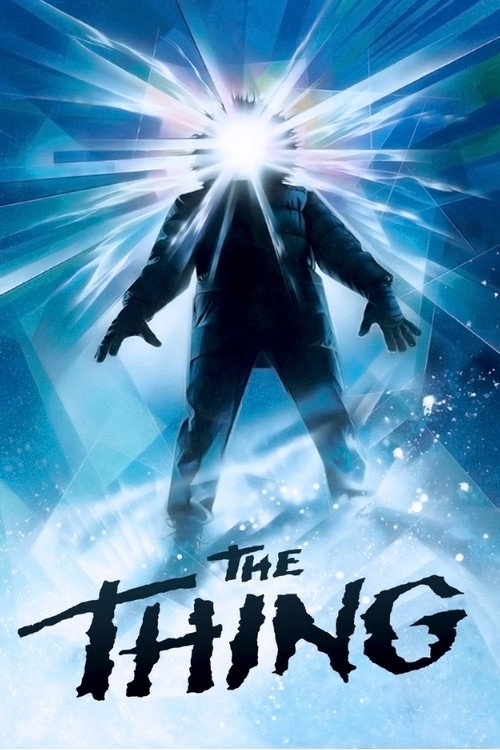
The Thing1982
John Carpenter's paranoia masterpiece about isolation and trust breaking down. Like Sphere, it traps smart people in an impossible situation and lets psychological fracture do as much damage as the physical threat.
But Bleak, misanthropic, and offers no easy answers or character victories. Some find it nihilistic rather than thrilling.
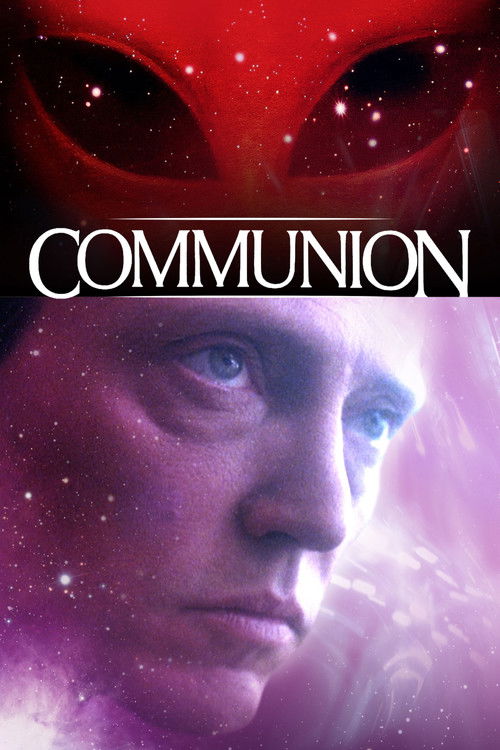
Communion1989
Christopher Walken as a writer convinced he's been abducted by aliens, questioning his own sanity. It shares Sphere's fascination with how encountering the unknown breaks perception and identity.
But Based on a real account many dismiss as false memory or delusion, which makes the film's earnestness feel uncertain in ways that may frustrate rather than unsettle.
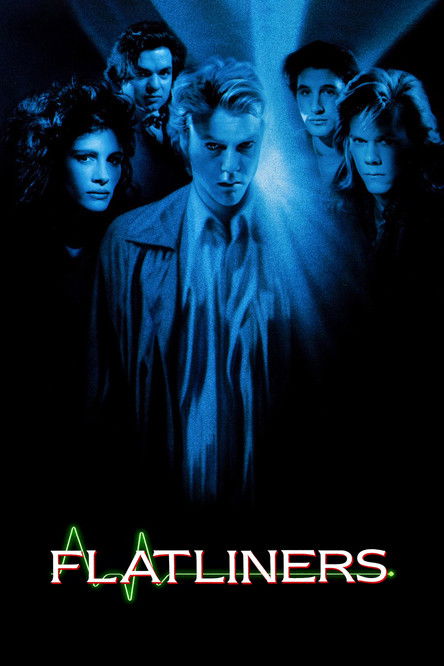
Flatliners1990
Medical students experiment with near-death experiences and unleash something they can't control. Both films feature capable people whose intelligence becomes a liability when facing something beyond rational explanation.
But Veers toward melodrama and romance subplots that deflate the central premise. The thriller elements soften considerably by the final act.
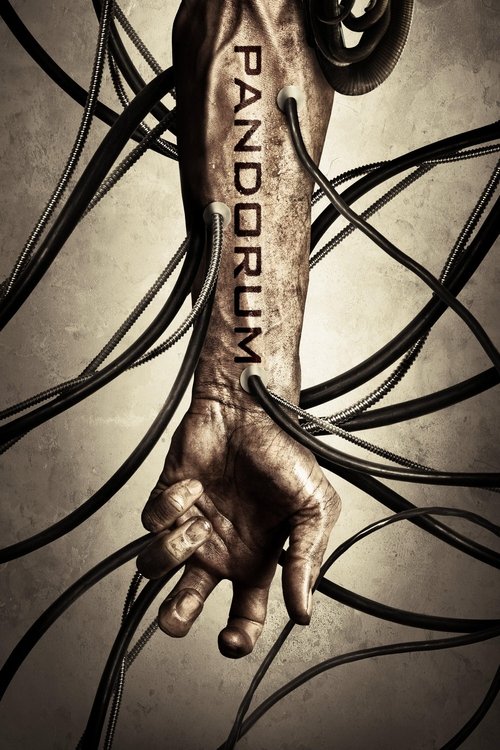
Pandorum2009
Two men wake on a derelict spacecraft with no memory, forced to navigate through darkness and mystery. It borrows Sphere's locked-room paranoia and its refusal to deliver easy answers about what's really happening.
But Budget constraints show in the production design. The creature effects are practical but uneven, and the third-act explanation divides audiences sharply.
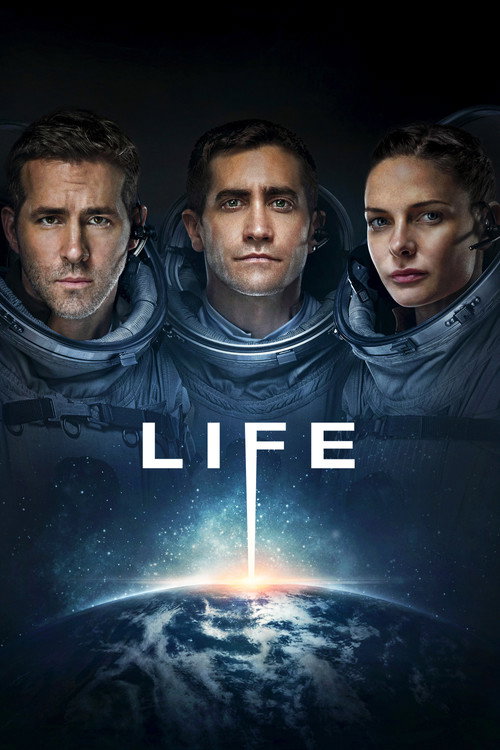
Life2017
A space station crew discovers an intelligent organism from Mars. It's a taut exercise in tension and containment, with the same ensemble-in-peril dynamic and biological-threat uncertainty.
But Emotionally cold and content to be a well-made thriller rather than exploring deeper questions. Some will find it efficient but hollow.
Stalker1979
Both films are fundamentally about how the mind responds to unknowability; both suggest that the real mystery is internal, not external, and that understanding is perhaps impossible.
Tarkovsky again, but worth singling out: three men journey into a mysterious zone to find a room that grants wishes. It's sci-fi as pure philosophical inquiry—what happens when you're given what you most desire, and do you even know what that is?
But 163 minutes of almost no incident. Long takes, ambiguous motivation, philosophical dialogue. If plot and momentum are your priorities, this will feel like a test.

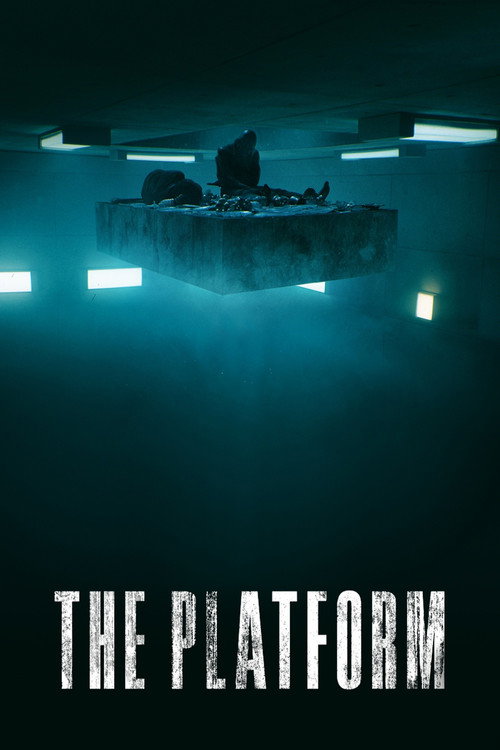
The Platform2019
Like Sphere, it traps capable people in an enclosed system where the real horror emerges from human behaviour and the slow collapse of civilisation into paranoia and survival instinct.
A Spanish sci-fi thriller set in a vertical prison where food is distributed unevenly. It's claustrophobic, darkly allegorical, and concerned with how small groups of intelligent people respond to scarcity and hierarchy under pressure.
But It's gruesome, nihilistic, and offers no redemptive arc. The metaphor is sometimes blunt, and the final act divides viewers on whether it's visionary or just bleak.
People
Cast
 Dustin HoffmanDr. Norman Goodman
 Sharon StoneDr. Elizabeth 'Beth' Halperin
 Samuel L. JacksonDr. Harry Adams
 Peter CoyoteCaptain Harold C. Barnes
 Liev SchreiberDr. Ted Fielding
 Queen LatifahAlice 'Teeny' Fletcher
 Marga GómezJane Edmunds
 Huey LewisHelicopter Pilot
 Bernard HockeSeaman
 James Pickens Jr.O.S.S.A. Instructor
 Michael Keys HallO.S.S.A. Official
 Ralph TabakinO.S.S.A. Official
Directing
- Barry LevinsonDirector
- Katterli FrauenfelderFirst Assistant Director
- Heather HarrisScript Supervisor
- Julie PitkanenScript Supervisor
- Jim GoldthwaitSecond Assistant Director
- Miles PerlmanSecond Second Assistant Director
- David R. EllisSecond Unit Director
Writing
- Kurt WimmerAdaptation
- Michael CrichtonNovel
- Paul AttanasioScreenplay
- Stephen HauserScreenplay
Production
- Gail RoseAssistant Accountant
- Patricia ChurchillAssociate Producer
- Ellen ChenowethCasting
- Brennan DufresneCasting Assistant
- Mark ScoonExecutive In Charge Of Production
- Peter GiulianoExecutive Producer
- Brian DettorLocation Assistant
- Nina HenningerLocation Casting
- Michael John MeehanLocation Manager
- David KrudisPayroll Accountant
- Andrew WaldProducer
- Barry LevinsonProducer
- Michael CrichtonProducer
- Denise Morgan McGrathProduction Accountant
- Stacy De La MotteProduction Assistant
- Sean TaylorProduction Coordinator
- Randy StarrProduction Executive
- Kristen D. ChidelProduction Manager
- Rose HlaingProduction Secretary
- Michael SingerPublicist
- Coleen 'Co-Co' AielloSecond Assistant Accountant
- Michael J. MaloneUnit Manager
- Patricia ChurchillUnit Production Manager
Recommended by
The Andromeda Strain, Life, The Abyss, Deep Blue Sea, Underwater, Recursion, Below, Supernova, Virus, Surface, Screamers